








Ford Tractor Distributor: Electronic Ignition Upgrade
Tired of points and condenser issues on your Ford tractor? Upgrading to an electronic ignition system can dramatically improve reliability and performance. This guide provides a step-by-step process and helps you select the right parts.
Introduction to Ford tractor distributor Upgrades
If you're a Ford tractor owner, especially of models from the 1960s, 70s, or even early 80s, you're likely familiar with the occasional headaches caused by the traditional points and condenser ignition system. These systems, while reliable in their day, require periodic maintenance, are susceptible to moisture and dirt, and can lead to inconsistent spark and poor engine performance. Upgrading your Ford tractor distributor to an electronic ignition system can eliminate these issues and provide a significant boost in reliability and performance. Madison Tractor Company carries a wide range of electronic ignition conversion kits for many Ford tractors, including models like the 8N, NAA, 600, 800, 2000, 3000, 4000, and more.
Recommended Parts for This Guide
4 parts we recommend — in stock, ships fast, one-click add to cart.
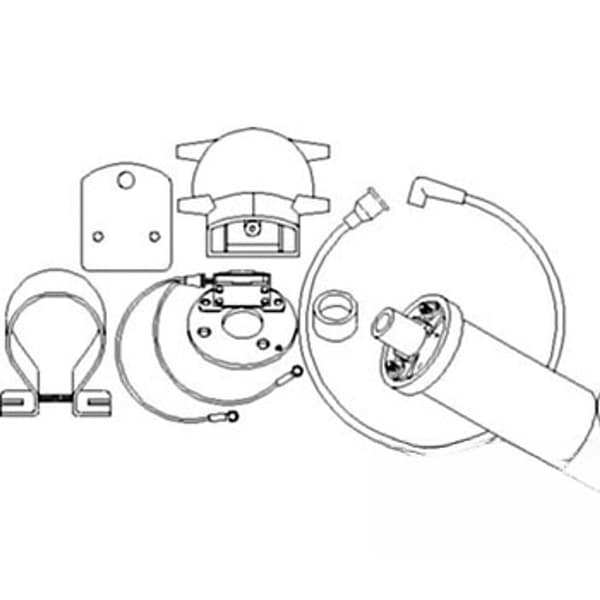
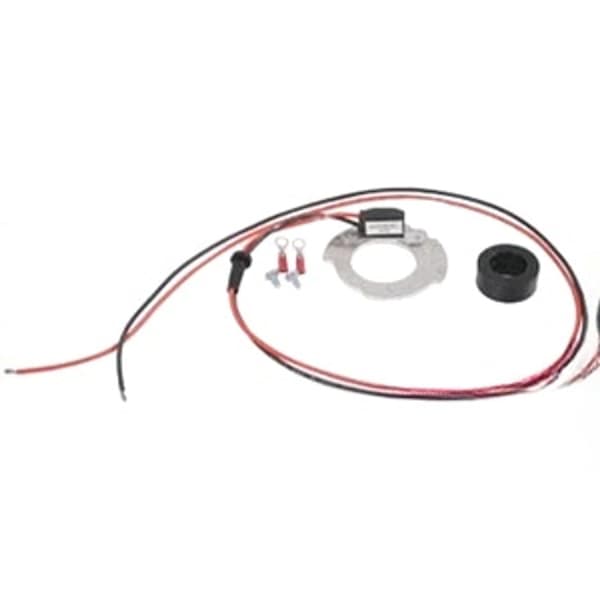
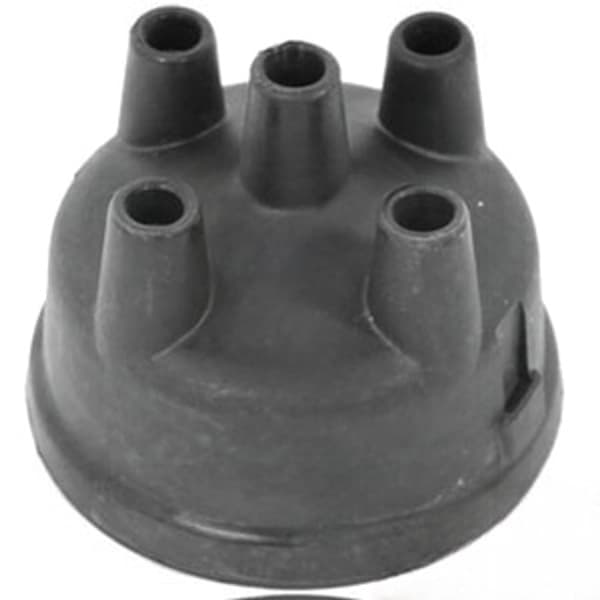
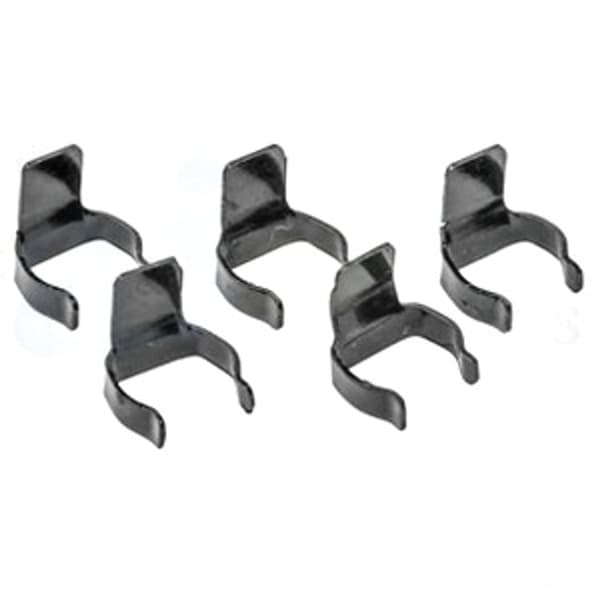
🔍 Looking for a specific part? Try our AI Part Finder — tell it your equipment and what you need, and it will find matching parts instantly.
This article provides a comprehensive guide to understanding the benefits of electronic ignition and how to perform a successful upgrade on your Ford tractor. We'll cover the advantages, step-by-step installation, and some common issues to watch out for. And remember, we stock a full range of Ford tractor parts at Madison Tractor, from radiators and water pumps to starters, alternators, and everything in between.
Why Upgrade to Electronic Ignition?
Here are some key benefits of upgrading your Ford tractor distributor to an electronic ignition system:
- Improved Reliability: Electronic ignition eliminates the mechanical wear and tear associated with points and condenser systems. No more frequent tune-ups or roadside adjustments.
- Consistent Spark: Electronic systems provide a stronger and more consistent spark, leading to better combustion and improved engine performance.
- Easier Starting: A stronger spark translates to easier starting, especially in cold weather.
- Reduced Maintenance: Say goodbye to points and condenser replacement and timing adjustments. Electronic ignition systems are virtually maintenance-free.
- Increased Fuel Efficiency: More complete combustion can lead to a slight improvement in fuel economy.
- Eliminates Point Float at High RPMs: Prevents misfires at higher engine speeds
Choosing the Right Electronic Ignition Kit
Several electronic ignition conversion kits are available for Ford tractors. It's crucial to choose the correct kit for your specific tractor model and distributor type. When selecting a kit, consider these factors:
- Tractor Model and Year: Kits are often designed for specific tractor models and year ranges. Double-check compatibility before purchasing.
- Distributor Type: Ford used different distributors over the years. Identify your distributor type (e.g., Prestolite, Autolite) before ordering. This information is usually stamped on the distributor housing.
- Kit Completeness: Some kits include everything you need, including the electronic module, wiring harness, and sometimes even a new coil. Others may require you to reuse your existing coil or purchase a new one separately.
Madison Tractor carries a wide range of electronic ignition kits compatible with various Ford tractor models. Our knowledgeable staff can help you select the right kit for your needs. We carry parts for John Deere, Case IH, Massey Ferguson, Kubota, Allis Chalmers, Deutz, International Harvester, Oliver, White, Gleaner, Vermeer, Hesston, Mahindra, and Zetor tractors, among others. If you're also working on the starting system, take a look at our article on Ford Tractor Starter: 2000-7000 Series & New Holland.
Step-by-Step Installation Guide
Here's a general step-by-step guide to installing an electronic ignition conversion kit on a Ford tractor. **Always refer to the specific instructions included with your kit**, as procedures may vary slightly.
Step 1: Gather Your Tools and Materials
- Electronic ignition conversion kit
- Wrenches and sockets (metric and/or standard, depending on your tractor)
- Screwdrivers (Phillips and flathead)
- Pliers
- Wire stripper/crimper
- Test light or multimeter
- Timing light
- Spark plug wrench
- Dielectric grease
- Shop rags
- Safety glasses
- Gloves
Step 2: Disconnect the Battery
Safety First! Disconnect the negative (-) battery cable before beginning any electrical work on your tractor. This prevents accidental shorts and potential damage.
Step 3: Remove the Old Distributor Cap, Rotor, Points, and Condenser
Remove the distributor cap and rotor. While doing so, inspect the distributor rotor spring clip for wear. Then, carefully remove the points and condenser from the distributor housing. Note the location and routing of the wiring connected to the points and condenser, as you'll need to replicate this with the new electronic module.
Step 4: Install the Electronic Module
Install the electronic module in place of the points and condenser, following the kit's instructions. This usually involves mounting the module to the distributor housing using screws or clips. Ensure the module is securely mounted and properly grounded.
Step 5: Install the Magnetic Sleeve (If Applicable)
Some kits include a magnetic sleeve that slips over the distributor shaft. Follow the kit's instructions for proper installation and alignment. This sleeve is used to trigger the electronic module.
Step 6: Wiring the Electronic Module
Connect the wiring harness from the electronic module to the tractor's electrical system. Typically, this involves connecting a power wire to the ignition switch or a switched 12V source, and a ground wire to the tractor's chassis. Refer to the kit's wiring diagram for specific instructions. Use dielectric grease on all electrical connections to prevent corrosion.
Step 7: Install the New Distributor Rotor and Cap
Install the new distributor rotor and cap (if included in the kit). Ensure the rotor is properly seated on the distributor shaft, and the cap is securely fastened to the distributor housing.
Step 8: Verify Coil Compatibility and Wiring
Some electronic ignition kits require a specific coil. Ensure your existing coil is compatible, or replace it with the recommended coil. Wire the coil according to the kit's instructions. Typically, one wire connects to the electronic module, and the other connects to a switched 12V source. Ford tractors like the 8N are often converted to 12V systems; ensure you have the correct voltage and coil for your setup.
Step 9: Set the Timing
After installing the electronic ignition system, you'll need to set the engine timing. Use a timing light to check and adjust the timing according to your tractor's specifications. Refer to your tractor's service manual for the correct timing procedure and specifications. Common Ford tractor engines, like the ones found in the 2000, 3000, and 4000 series, often have timing marks on the engine block or flywheel.
Step 10: Reconnect the Battery and Test
Reconnect the negative (-) battery cable. Start the engine and check for proper operation. If the engine doesn't start, double-check your wiring and timing. If the engine runs roughly, fine-tune the timing until it runs smoothly.
While you're working on the electrical system, it's also a good idea to inspect your Ford tractor alternator. Our article on Ford Tractor Alternator Conversion: Generator to Alternator might also be helpful.
Troubleshooting Common Issues
Here are some common issues that can occur after installing an electronic ignition conversion kit, and how to troubleshoot them:
- Engine Won't Start: Check the wiring connections, ensure the electronic module is properly grounded, and verify that the coil is receiving power. Double-check the timing.
- Engine Runs Roughly: Adjust the timing until the engine runs smoothly. Check for vacuum leaks or other engine issues.
- Weak Spark: Ensure the coil is compatible with the electronic ignition system. Check the wiring connections and the ground connection.
- Module Failure: In rare cases, the electronic module may fail. Consult the kit manufacturer for warranty information.
Maintenance Tips for Electronic Ignition
Electronic ignition systems are virtually maintenance-free. However, it's still a good idea to periodically inspect the wiring connections and ensure they are clean and tight. Use dielectric grease on all electrical connections to prevent corrosion.
If you are working on a Case IH tractor, we also have articles that may be relevant such as Case IH Tractor Starter Motor: All Models & Farmall and Case IH Tractor Alternator: OEM Replacements by Model.
Shop Ford Tractor Parts at Madison Tractor Company
Madison Tractor Company is your trusted source for high-quality Ford tractor parts and accessories. We carry a wide selection of parts for various Ford tractor models, including electronic ignition kits, starters, alternators, radiators, water pumps, hydraulic pumps, and much more. Our knowledgeable staff is always ready to assist you in finding the right parts for your needs. Shop with confidence at Madison Tractor Company and keep your Ford tractor running smoothly for years to come!
🔍 Can't Find Your Part?
Use our AI-Powered Part Finder to search by your equipment's make, model, and what you need. It's the fastest way to find the exact part for your machine.
Try the Part Finder →Part of our comprehensive guide
Tractor Starter & Alternator Guide: Find the Right Parts