








John Deere 4020 Starter: Gas & Diesel Part Numbers
Replacing the starter on your John Deere 4020? This guide provides OEM part numbers for gas and diesel models, troubleshooting tips, and where to find reliable replacement starters. Get your 4020 running smoothly again!
John Deere 4020 Starter: A Comprehensive Guide
The John Deere 4020 is a workhorse of a tractor, known for its reliability and versatility. But like any machine, components can wear out over time. The starter motor is a critical part of the electrical system, responsible for cranking the engine and getting your 4020 going. Whether you have a gas or diesel model, or are considering an upgrade like a 24V to 12V starter conversion, knowing the correct starter part number and how to troubleshoot common issues is essential. At Madison Tractor Company, we understand the importance of keeping your equipment running smoothly. That's why we've put together this guide to help you identify the correct John Deere 4020 starter for your tractor.
Recommended Parts for This Guide
7 parts we recommend — in stock, ships fast, one-click add to cart.
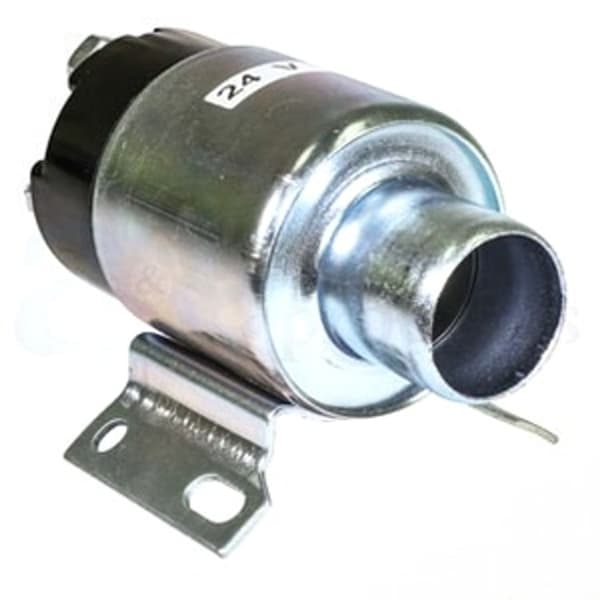
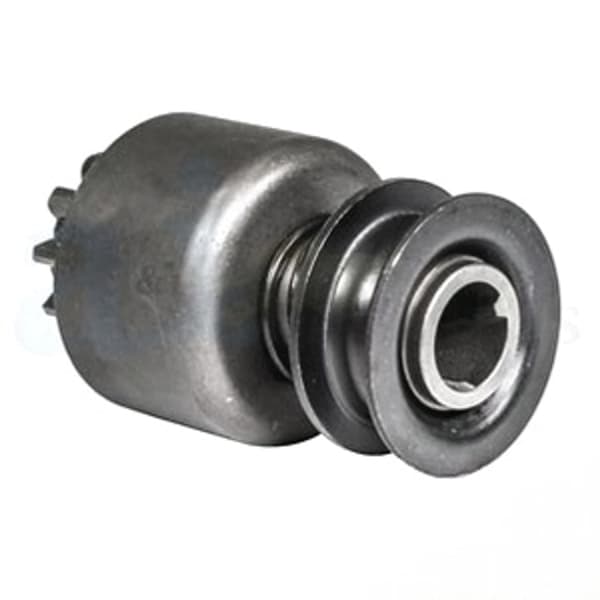
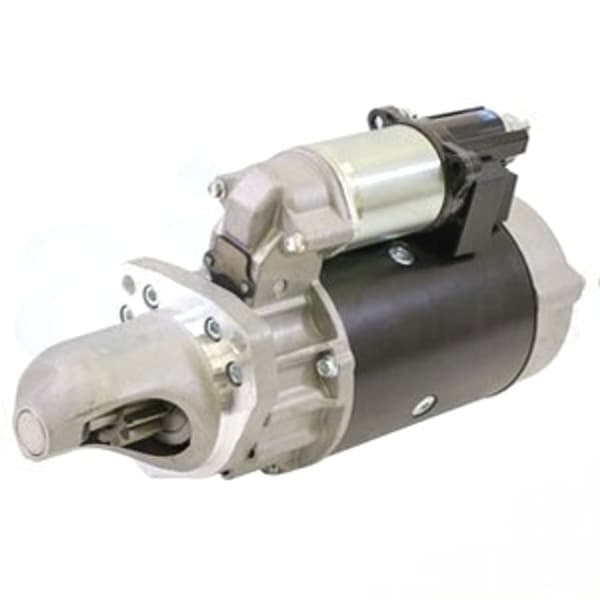
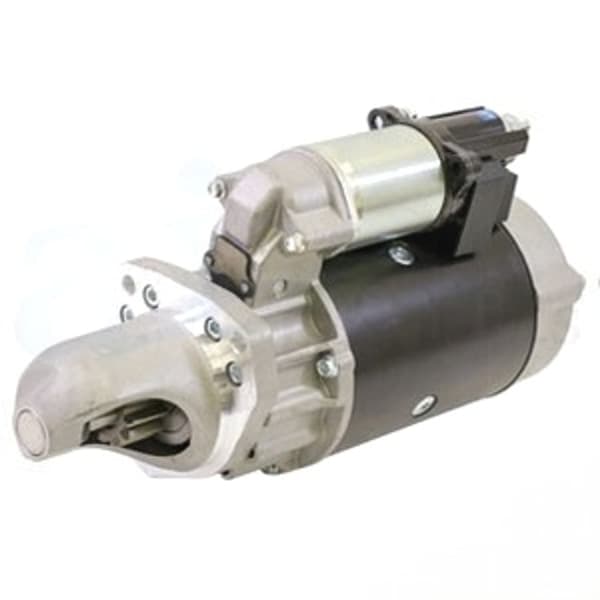
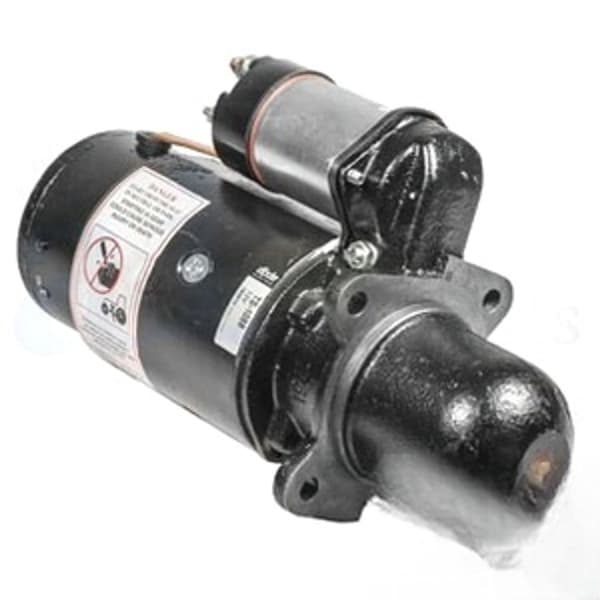
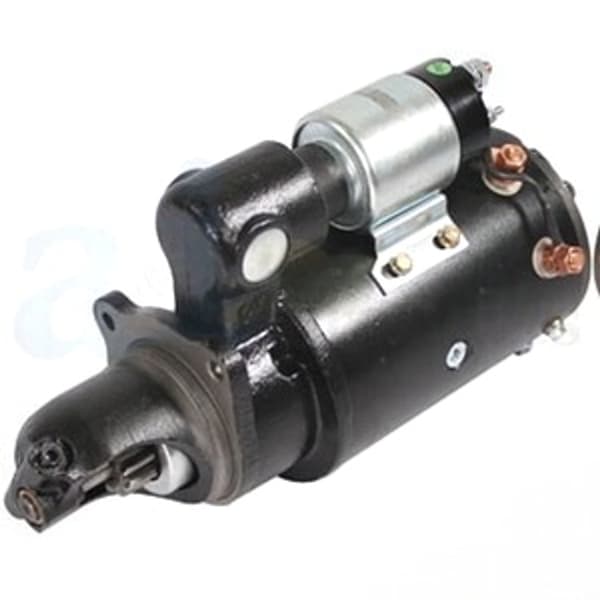
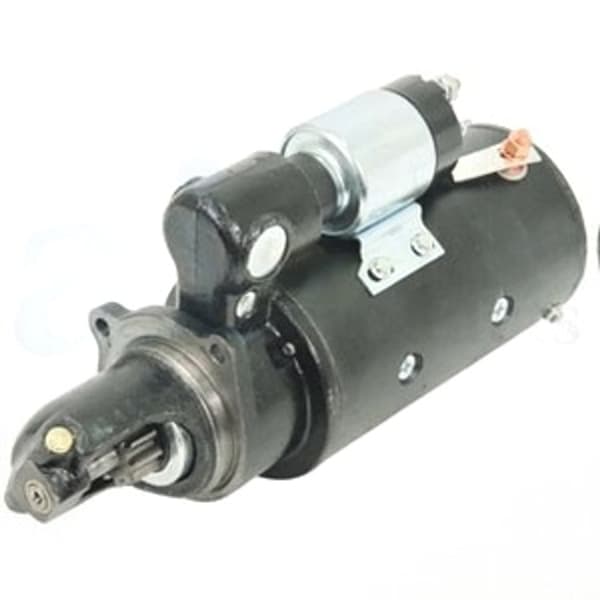
🔍 Looking for a specific part? Try our AI Part Finder — tell it your equipment and what you need, and it will find matching parts instantly.
Identifying Your John Deere 4020 Engine Type
Before ordering a new starter, it’s crucial to know whether your John Deere 4020 runs on gasoline or diesel. The starters are not interchangeable. The engine type is usually indicated on a plate or sticker located on the engine block or near the fuel tank. If you are unsure, consult your tractor's manual or look for markings that indicate "Gasoline" or "Diesel."
John Deere 4020 Starter Part Numbers
Here are the original equipment manufacturer (OEM) part numbers for John Deere 4020 starters
These part numbers are for the original starters. Keep in mind that updated or superseded part numbers may exist. Always double-check compatibility before purchasing. Madison Tractor Company carries a wide range of replacement starters, such as the TY6703-N STARTER or the TY6701-N STARTER, that are designed to meet or exceed OEM specifications. We carry starters for many brands including John Deere, Case IH, Ford, New Holland, Massey Ferguson, Kubota, Allis Chalmers, Deutz, International Harvester, Oliver, White, Gleaner, Vermeer, Hesston, Mahindra and Zetor.
- AM1802T: Fits 320, 330, 40, 420, 430. Replacement: 1107127-N
- AT16881: Fits 320, 330, 40, 420, 430. Replacement: 1107127-N
- SE501438: Fits 320, 330, 40, 420, 430. Replacement: 1107127-N
- TY1451: Fits 320, 330, 40, 420, 430. Replacement: 1107127-N
- TY26039: Fits 320, 330, 40, 420, 430. Replacement: 1107127-N
- TY6631: Fits 320, 330, 40, 420, 430. Replacement: 1107127-N
- AR34406: Fits 2400A, 2500A, 454, 574, 570 and more. Replacement: 1113690-N
- AR41627: Fits 2400A, 2500A, 454, 574, 570 and more. Replacement: 1113690-N
Finding Replacement Starters & Cross-Reference
Many aftermarket brands offer starters that are compatible with the John Deere 4020. When searching for a replacement, use the OEM part numbers listed above to cross-reference. This ensures you get the correct fit and performance. Look for reputable brands known for quality and reliability. You can also refer to our article, John Deere Tractor Starter: OEM Part Numbers & Cross Reference for more information on cross-referencing starter part numbers.
- AM1802T: Fits 320, 330, 40, 420, 430. Replacement: 1107127-N
- AT16881: Fits 320, 330, 40, 420, 430. Replacement: 1107127-N
- SE501438: Fits 320, 330, 40, 420, 430. Replacement: 1107127-N
- TY1451: Fits 320, 330, 40, 420, 430. Replacement: 1107127-N
- TY26039: Fits 320, 330, 40, 420, 430. Replacement: 1107127-N
- TY6631: Fits 320, 330, 40, 420, 430. Replacement: 1107127-N
- AR34406: Fits 2400A, 2500A, 454, 574, 570 and more. Replacement: 1113690-N
- AR41627: Fits 2400A, 2500A, 454, 574, 570 and more. Replacement: 1113690-N
Troubleshooting a John Deere 4020 Starter
If your John Deere 4020 is having trouble starting, the starter motor is a prime suspect. Here's a step-by-step troubleshooting guide
- Check the Battery Ensure the battery is fully charged and in good condition. A weak battery is a common cause of starting problems. Use a voltmeter to test the battery's voltage. It should read around 12.6 volts when fully charged. Check the battery terminals for corrosion and clean them thoroughly.
- Inspect the Connections Examine all wiring connections to the starter motor. Look for loose, corroded, or damaged wires. Clean and tighten any loose connections. A poor ground connection can also cause starting problems.
- Listen for a Click When you turn the key, listen for a clicking sound from the starter solenoid. If you hear a click, the solenoid is likely engaging, but the starter motor itself may be faulty. If there's no click, the solenoid might be the problem. We also carry 24-volt starter solenoids for specific configurations.
- Bypass the Solenoid (Caution!) This test should only be performed by someone familiar with electrical systems. Use a heavy-gauge jumper cable to directly connect the positive terminal of the battery to the starter motor terminal (bypassing the solenoid). If the starter motor turns over, the solenoid is likely the issue. WARNING This test can produce sparks and heat. Use caution and wear eye protection.
- Check the Starter Motor for Physical Damage Visually inspect the starter motor for any signs of physical damage, such as cracks or broken components.
- Professional Diagnosis If you've exhausted these troubleshooting steps and the starter still doesn't work, it's best to consult a qualified mechanic.
Common Starter Problems and Solutions
- Slow Cranking This could indicate a weak battery, corroded connections, or a worn starter motor. Check the battery voltage, clean the connections consider replacing the starter if it's old.
- No Cranking, Just a Click This often points to a faulty solenoid. Replace the solenoid or the entire starter assembly.
- No Cranking, No Sound This could be a dead battery, a broken wire, or a completely failed starter motor. Start by checking the battery and wiring, then test the starter.
- Grinding Noise A grinding noise during starting usually indicates a worn starter drive or flywheel ring gear. Replacing the starter and inspecting the flywheel are necessary.
Starter Replacement Procedure (General Guide)
Safety First! Disconnect the battery's negative terminal before working on the electrical system.
- Disconnect the Battery Always disconnect the negative battery cable before working on any electrical components.
- Locate the Starter The starter motor is typically located near the engine flywheel.
- Disconnect Wiring Disconnect the wires connected to the starter solenoid and motor. Note their positions for reassembly.
- Remove Mounting Bolts Remove the bolts that secure the starter to the engine.
- Remove the Starter Carefully remove the starter from the engine. It may be heavy, so support it properly.
- Install the New Starter Align the new starter with the mounting holes and install the mounting bolts. Tighten the bolts to the manufacturer's specified torque.
- Reconnect Wiring Reconnect the wires to the starter solenoid and motor, ensuring they are securely attached.
- Reconnect the Battery Reconnect the negative battery cable.
- Test the Starter Start the tractor to ensure the new starter is working properly.
Important Always refer to your John Deere 4020 service manual for specific instructions and torque specifications. Improper installation can damage the starter or engine.
Preventative Maintenance for Your John Deere 4020 Starter
- Keep Connections Clean Regularly inspect and clean the battery terminals and starter connections. Use a wire brush to remove corrosion.
- Maintain Battery Health Keep the battery properly charged. Use a battery maintainer if the tractor is stored for extended periods.
- Regular Inspections Periodically inspect the starter motor for signs of wear or damage. Address any issues promptly.
Following these preventative maintenance steps will help prolong the life of your John Deere tractor alternator and starter.
Other Electrical Components & Related Systems
While addressing starter issues, consider inspecting related systems
- Charging System Check the alternator's output to ensure the battery is being properly charged. See our article on John Deere Tractor Alternator: Amp Ratings & Part Numbers for more details.
- Wiring Harness Inspect the wiring harness for any damage or deterioration.
- Ignition Switch Ensure the ignition switch is functioning correctly.
- Fuel System A properly functioning fuel system is crucial for starting. Check the fuel filter, fuel pump injectors.
- Hydraulic System Issues with the hydraulic pump or cylinders can sometimes put extra strain on the engine during startup. Madison Tractor Company stocks a wide variety of hydraulic pumps.
Remember to check other vital components like radiators, water pumps and filters to maintain peak performance.
Shop John Deere 4020 Parts at Madison Tractor Company
Madison Tractor Company is your trusted source for John Deere 4020 parts, including starters, alternators more. We offer a wide selection of high-quality replacement parts at competitive prices. Our knowledgeable staff is here to help you find the right parts for your tractor and get you back to work quickly. We also carry a wide range of parts for other tractor brands like Ford (Ford Tractor Starter), Case IH (Case IH Tractor Starter Motor), Massey Ferguson (Massey Ferguson Starter Motor) and Kubota (Kubota Tractor Starter). Browse our online catalog or contact us today to learn more!
🔍 Can't Find Your Part?
Use our AI-Powered Part Finder to search by your equipment's make, model, and what you need. It's the fastest way to find the exact part for your machine.
Try the Part Finder →Part of our comprehensive guide
Tractor Starter & Alternator Guide: Find the Right Parts