








Tractor Ignition Switch: Wiring & Replacement by Brand
A faulty tractor ignition switch can leave you stranded. This guide covers common problems, wiring diagrams, and replacement procedures for various tractor brands including John Deere, Ford, Case IH, and Kubota. Get back to work quickly with our expert advice.
Introduction to Tractor Ignition Switches
The ignition switch on your tractor is a crucial component, controlling the flow of electricity to start and operate the engine. It's more than just a key; it's the central hub for many electrical functions, from powering the starter to enabling the lights and other accessories. A failing tractor ignition switch can cause a no-start condition, intermittent electrical issues, or even leave you completely stranded. Here at Madison Tractor Company, we understand the importance of keeping your equipment running smoothly that starts with reliable electrical components. This guide will help you understand tractor ignition switch wiring, common problems replacement procedures across various brands like John Deere, Case IH, Ford, New Holland, Massey FergusonKubota. We also supply parts for Allis Chalmers, Deutz, International Harvester, Oliver, White, Gleaner, Vermeer, Hesston, Mahindra Zetor tractors. Don't forget we carry all kinds of tractor parts, including radiators, water pumps, startersalternators.
Recommended Parts for This Guide
7 parts we recommend — in stock, ships fast, one-click add to cart.
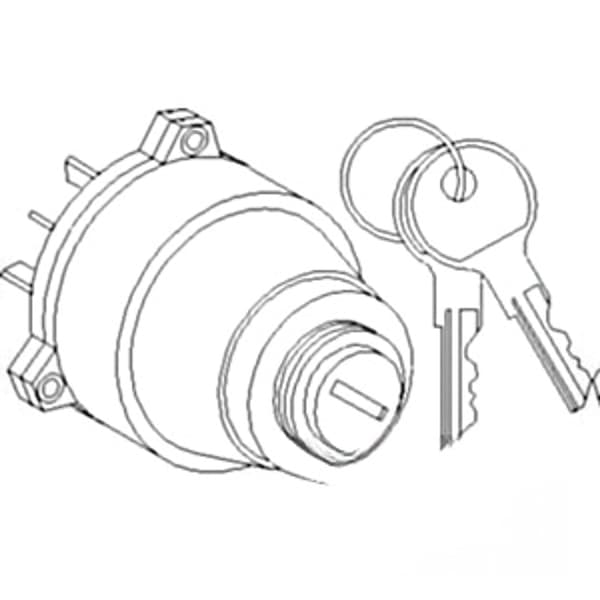
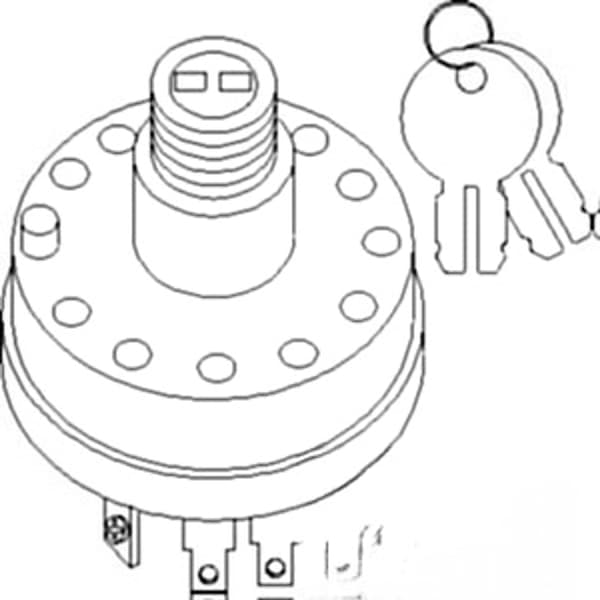
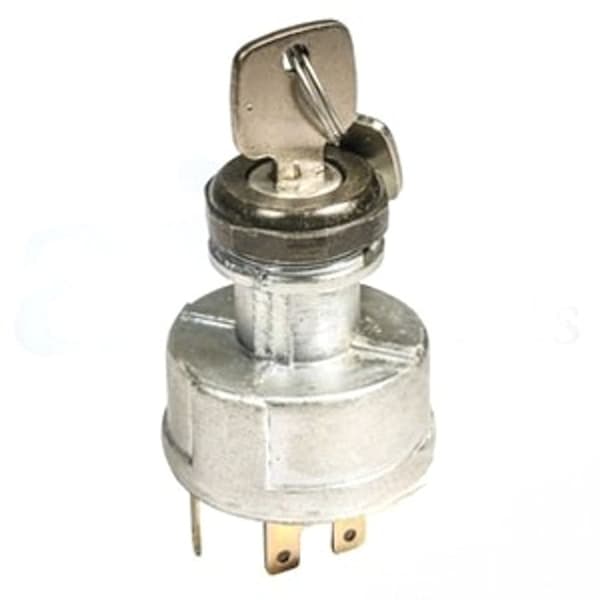
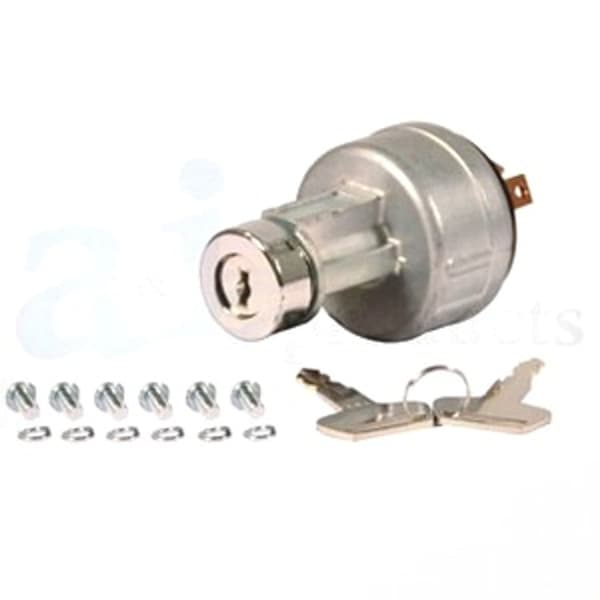
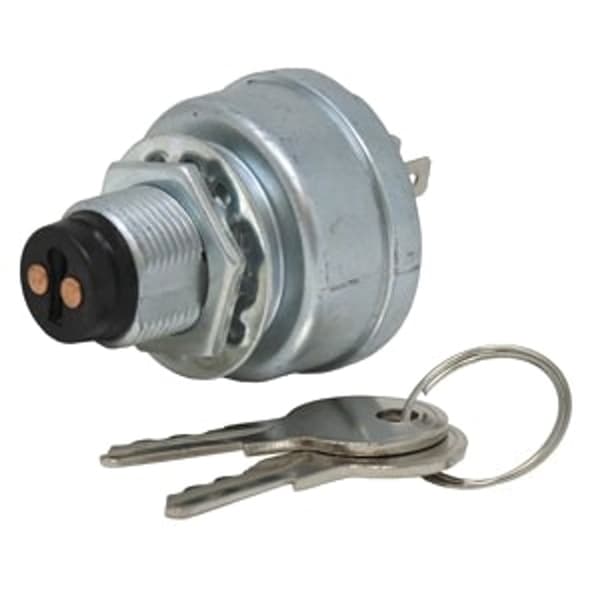
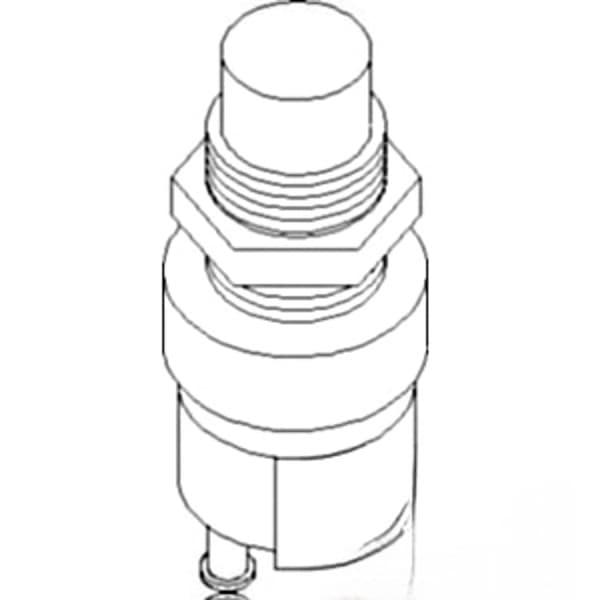
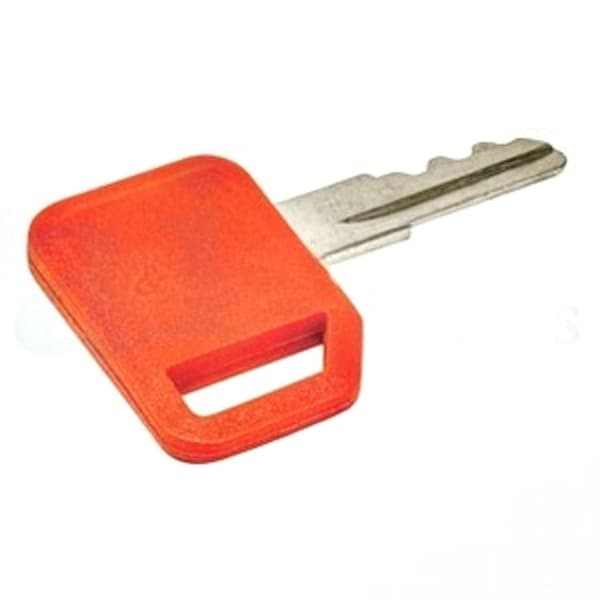
🔍 Looking for a specific part? Try our AI Part Finder — tell it your equipment and what you need, and it will find matching parts instantly.
Before we dive in, remember to always disconnect the battery before working on any electrical components. This will prevent accidental shorts and potential injury.
Common Tractor Ignition Switch Problems
Identifying the problem is the first step to getting your tractor back in action. Here are some common symptoms of a failing tractor ignition switch
- No Start The most obvious sign. You turn the key nothing happens. This could be due to a failure in the switch's connection to the starter circuit.
- Intermittent Starting Sometimes it starts, sometimes it doesn't. This often points to a worn or corroded switch.
- Dead Battery A faulty switch can sometimes drain the battery even when the tractor is off.
- Accessories Not Working If lights, wipers, or other accessories fail to function, the ignition switch might be the culprit.
- Key Won't Turn The switch mechanism itself might be broken or jammed.
- Burning Smell A burning smell near the ignition switch is a serious warning sign of an electrical short. Disconnect the battery immediately and investigate.
Testing Your Tractor Ignition Switch
Before replacing the switch, it's wise to test it to confirm that it's indeed the source of the problem. Here's a basic procedure using a multimeter
- Safety First Disconnect the battery's negative terminal.
- Locate the Switch Find the ignition switch, usually located on the dashboard or steering column.
- Identify the Terminals Most ignition switches have terminals labeled with letters or numbers. Common markings include B (Battery), S (Starter), I (Ignition) ACC (Accessory). Consult your tractor's wiring diagram if unsure.
- Continuity Test Set your multimeter to the continuity setting (indicated by a diode symbol or audible beep).
- Test Continuity in Each Position With the key in the OFF position, there should be no continuity between any terminals. In the ON position, there should be continuity between the B and I terminals. In the START position, there should be continuity between the B and S terminals. In the ACC position, there should be continuity between the B and ACC terminals.
- Interpret Results If you find a lack of continuity where it should exist, or continuity where it shouldn't, the switch is likely faulty and needs replacement.
Understanding Tractor Ignition Switch Wiring
Tractor ignition switches typically have several terminals, each serving a specific function. Here's a general overview. Note that specific wiring configurations may vary depending on the make and model of your tractor. Always consult your tractor's service manual or wiring diagram for accurate information.
- B (Battery) This terminal connects directly to the positive terminal of the battery. It provides the main power supply to the switch.
- S (Starter) This terminal sends power to the starter solenoid when the key is in the START position, engaging the starter motor.
- I (Ignition) This terminal powers the ignition system (coil, distributor, or electronic ignition module) when the key is in the ON position.
- ACC (Accessory) This terminal powers accessories like lights, radio wipers when the key is in the ACC or ON position.
- G (Ground) Some switches have a ground terminal.
Example Wiring Scenario (General) When you turn the key to the START position, the switch connects the B (Battery) terminal to the S (Starter) terminal, sending power to the starter solenoid. At the same time, the I (Ignition) terminal is also powered, enabling the engine to run once it starts.
If your tractor has a generator, converting it to an alternator may also involve changes to the ignition switch wiring.
Tractor Ignition Switch Replacement: A Step-by-Step Guide
Replacing a tractor ignition switch is usually a straightforward process. Here's a general guide. Always refer to your tractor's service manual for specific instructions.
- Disconnect the Battery As always, disconnect the battery's negative terminal to prevent electrical shorts.
- Remove the Old Switch Locate the ignition switch. Depending on the tractor model, you may need to remove a dashboard panel or steering column cover to access it. Disconnect the wires from the terminals. Note the position of each wire or take a picture for reference.
- Install the New Switch Connect the wires to the terminals of the new switch, matching the original configuration. Double-check your wiring diagram or photo to ensure accuracy.
- Secure the Switch Mount the new switch in its housing and secure it properly.
- Reconnect the Battery Reconnect the battery's negative terminal.
- Test the Switch Turn the key to each position (OFF, ACC, ON, START) and verify that all functions are working correctly.
Brand-Specific Notes & OEM Part Numbers
While the general principles of ignition switch function and replacement are similar across brands, there are some brand-specific considerations
- A-5146155: Fits 100-55, 100-90, 100-90DT, 110-90, 110-90DT and more. Replacement: 5146155
- VPF3222: Fits 100-55, 100-90, 100-90DT, 110-90, 110-90DT and more. Replacement: 5146155
- 4998108: Fits 100-55, 100-90, 100-90DT, 110-90, 110-90DT and more. Replacement: 5146155
- 5107623: Fits 100-55, 100-90, 100-90DT, 110-90, 110-90DT and more. Replacement: 5146155
- 5112124: Fits 100-55, 100-90, 100-90DT, 110-90, 110-90DT and more. Replacement: 5146155
- 5123727: Fits 100-55, 100-90, 100-90DT, 110-90, 110-90DT and more. Replacement: 5146155
- 5129862: Fits 100-55, 100-90, 100-90DT, 110-90, 110-90DT and more. Replacement: 5146155
- S.56240: Fits 100-55, 100-90, 100-90DT, 110-90, 110-90DT and more. Replacement: 5146155
John Deere
John Deere tractors often use ignition switches with specific pin configurations. For example, on many older models, the ignition switch serves as part of the safety interlock system. Common OEM part numbers include (used on many garden tractors) and specific options like the CH11696 Ignition Switch for models pre-1964. Check your parts manual for the correct number. When troubleshooting a no-start condition, ensure the seat switch and PTO switch are functioning correctly, as they are often wired in series with the ignition switch circuit.
Case IH / Farmall
Early Case IH and Farmall tractors often used a simple 4-terminal ignition switch. Later models incorporate more complex switches with additional functions. For example, a Case IH 585 may use a switch with part number 3220032R91. Be aware of the specific wiring diagrams for these models, as incorrect wiring can damage the electrical system. Don't forget to check the condition of your Case IH alternator while you are addressing electrical issues.
Ford / New Holland
Ford tractors, especially the 2000-7000 series, typically use a robust ignition switch design. However, age and exposure to the elements can lead to corrosion and failure. Common replacement part numbers for Ford/New Holland switches include options like the CH11696 Ignition Switch or the versatile R39554 Switch, and E9NN11N501AA. Remember, when replacing the switch, inspect the wiring harness for damage or frayed wires. Consider upgrading to an alternator if you're still using a generator. New Holland models may require a different switch; always verify the part number before ordering.
Massey Ferguson
Massey Ferguson tractors, from the 35 to 399 models, generally use a straightforward ignition switch design. However, ensuring proper grounding is critical for reliable operation. A common OEM part number for Massey Ferguson ignition switches is 180751M91. Check for proper continuity to ground when diagnosing switch problems. If you're working on the electrical system, inspect your Massey Ferguson starter motor and alternator as well.
Kubota
Kubota tractors, known for their compact size and efficient design, use ignition switches specific to each model series (B, L, M series). The wiring diagrams for these switches can be intricate, so careful attention is required during replacement. Verify the correct part number, such as 6A320-59112 for some L-series models. Pay attention to the safety interlock system, which is often integrated with the ignition switch on Kubota tractors.
Tips for a Successful Ignition Switch Replacement
- Consult Your Manual Always refer to your tractor's service manual for specific wiring diagrams and instructions.
- Use Quality Parts Invest in a high-quality replacement ignition switch from a reputable supplier like Madison Tractor Company.
- Check the Wiring Inspect the wiring harness for any signs of damage, corrosion, or loose connections.
- Apply Dielectric Grease Use dielectric grease on the terminals of the new switch to prevent corrosion.
- Test Thoroughly After replacing the switch, test all functions to ensure everything is working correctly.
Preventative Maintenance
Regular maintenance can extend the life of your tractor's ignition switch. Keep the switch clean and free of dirt and debris. Avoid using excessive force when turning the key. If you notice any signs of a failing switch, address the problem promptly to prevent further damage.
Shop Tractor Parts at Madison Tractor Company
At Madison Tractor Company, we're committed to providing you with the highest quality parts and expert advice to keep your equipment running smoothly. We carry a wide selection of tractor ignition switches and other electrical components for all major brands, including John Deere, Case IH, Ford, New Holland, Massey Ferguson Kubota. Browse our online catalog or contact our knowledgeable staff for assistance in finding the right parts for your tractor. We also carry essential parts like hydraulic pumps, hydraulic cylinders, clutch kits, PTO parts, fuel pumps, carburetors, injectors, filters, gaskets, pistons, bearings, seals, belts, chains, concavessickle sections. Trust Madison Tractor Company for all your tractor parts needs! You can also use our AI-Powered Part Finder to search for parts by your specific make and model.
Part of our comprehensive guide
Tractor Starter & Alternator Guide: Find the Right Parts