








Zetor Tractor Starter & Alternator Parts
Keep your Zetor tractor running smoothly with our comprehensive guide to Zetor tractor starters and alternators. We cover troubleshooting tips, common issues, and how to find the right replacement parts at Madison Tractor.
Zetor Tractor Starter & Alternator: A Troubleshooting Guide
Zetor tractors, known for their robust build and affordability, are a staple on many farms. However, like any machine, their electrical systems can experience problems. A faulty starter or alternator can quickly put a halt to your workday. This guide will help you troubleshoot common Zetor tractor starter and alternator issues and find the correct replacement parts at Madison Tractor Company.
Recommended Parts for This Guide
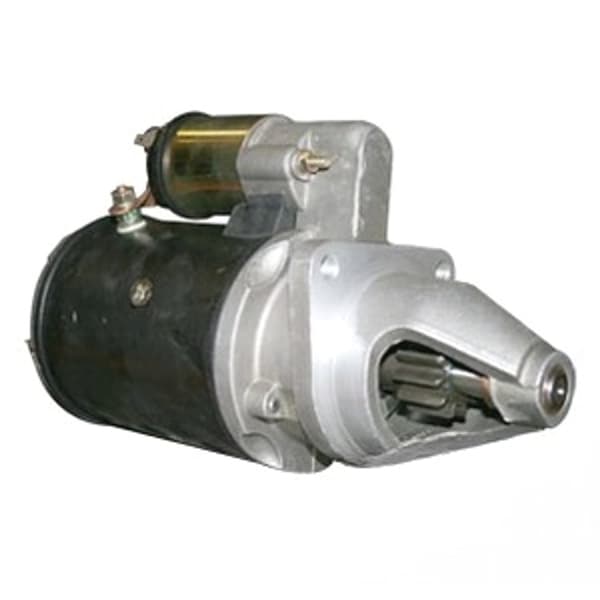
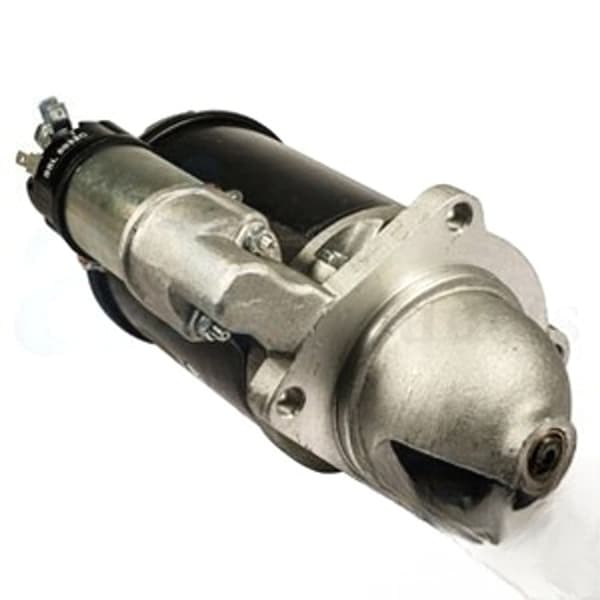
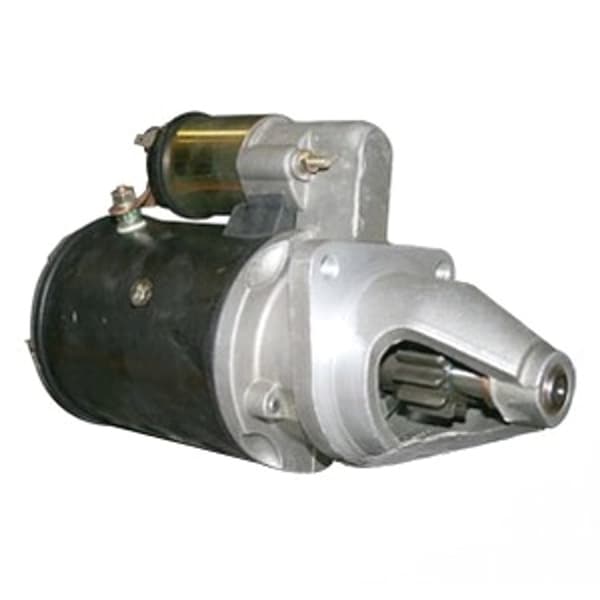
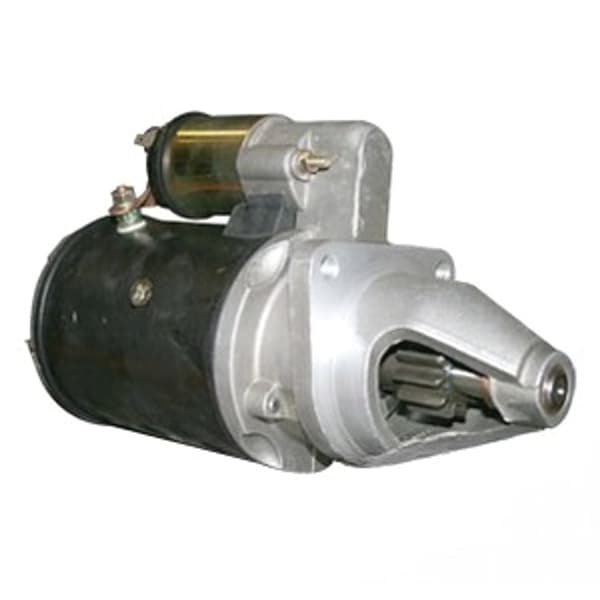
10 parts we recommend — in stock, ships fast, one-click add to cart.
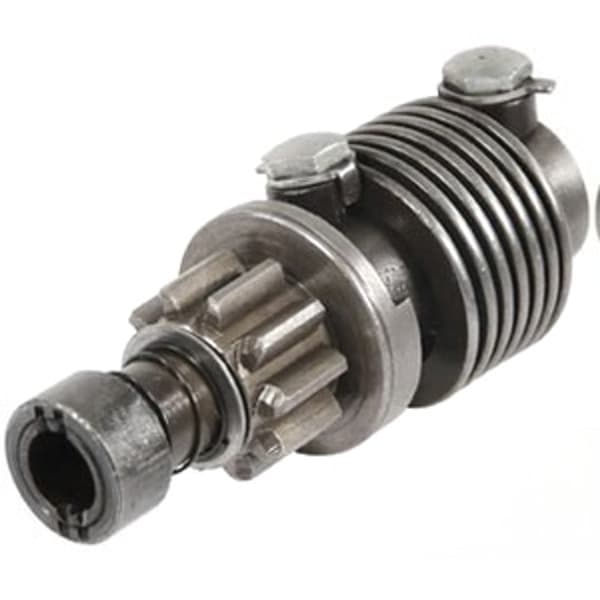
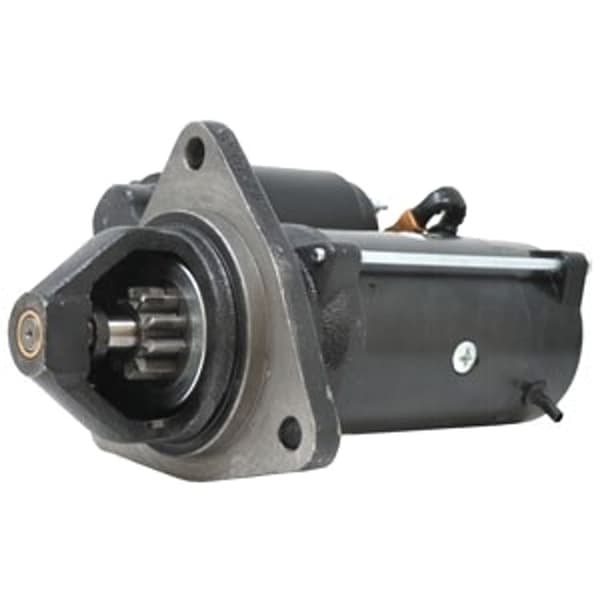
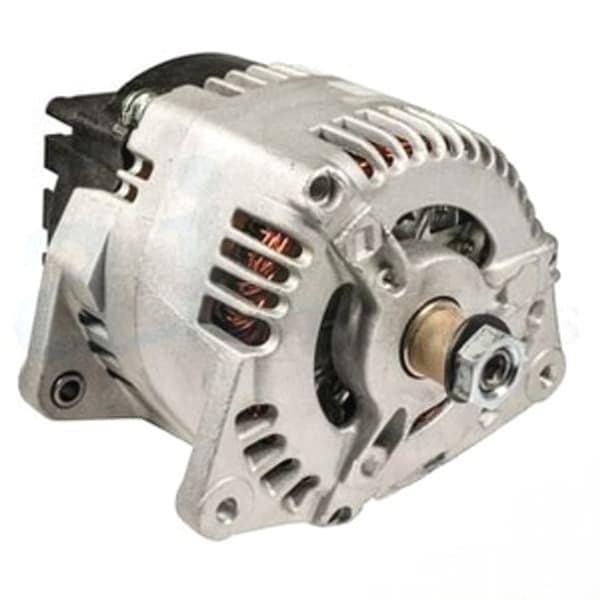
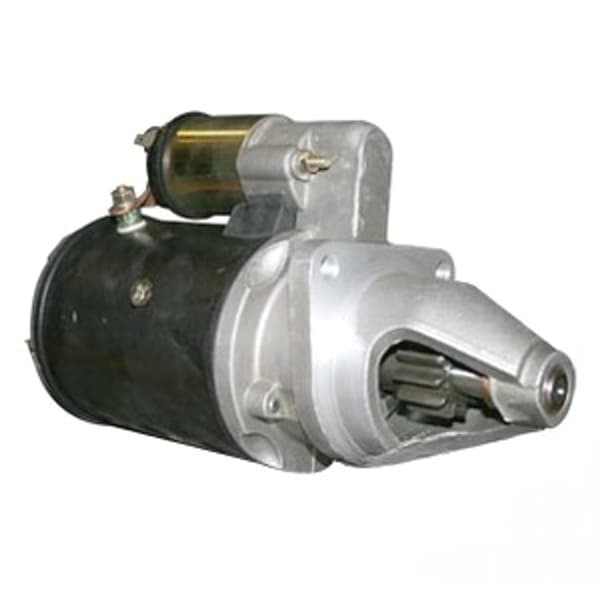
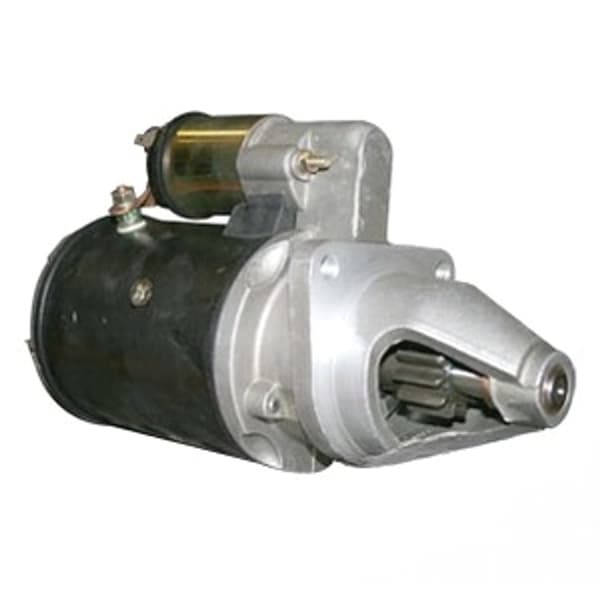
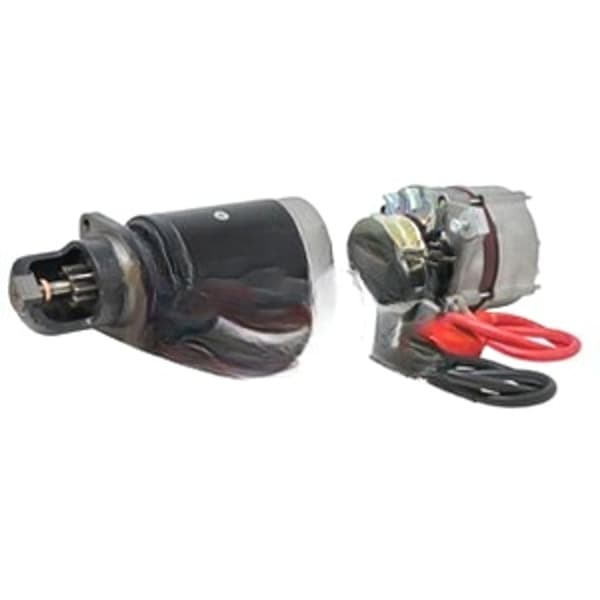
🔍 Looking for a specific part? Try our AI Part Finder — tell it your equipment and what you need, and it will find matching parts instantly.
At Madison Tractor Company, we understand the importance of keeping your Zetor tractor in top working condition. We carry a wide range of parts for various Zetor models, including starters, alternators, radiators, water pumps, hydraulic pumps, filters, gaskets, and more. We stock quality aftermarket parts as well as OEM replacements for brands like John Deere, Case IH, Ford, New Holland, Massey Ferguson, Kubota, Allis Chalmers, Deutz, International Harvester, Oliver, White, Gleaner, Vermeer, Hesston, Mahindra, and of course, Zetor.
Diagnosing Zetor Starter Problems
If your Zetor tractor isn't starting, the starter is a likely culprit. Here's a step-by-step troubleshooting guide:
- Check the Battery: Ensure the battery is fully charged and the terminals are clean and securely connected. A weak battery is the most common cause of starting problems. Use a voltmeter to check the voltage. A fully charged 12-volt battery should read around 12.6 volts.
- Inspect the Cables: Look for corroded or loose battery cables. Clean the terminals and tighten the connections. Replace any damaged cables.
- Listen for a Click: When you turn the key, do you hear a clicking sound? If so, the solenoid is likely engaging, but the starter motor isn't turning. This could indicate a problem with the starter motor itself, a bad solenoid, or insufficient power reaching the starter.
- Test the Solenoid: The solenoid is a small cylinder mounted on the starter. It receives power from the ignition switch and activates the starter motor. You can test the solenoid by jumping the two large terminals with a screwdriver (use caution!). If the starter engages, the solenoid is faulty and needs to be replaced.
- Check the Starter Motor: If the solenoid is working but the starter motor isn't turning, the starter motor itself is likely faulty. This could be due to worn brushes, a shorted armature, or other internal damage. The starter motor can be tested by applying direct power from a good battery.
- Inspect the Ring Gear: The starter motor engages with the ring gear on the flywheel. If the ring gear is damaged or has missing teeth, the starter might not engage properly. Inspect the ring gear for damage.
Safety Warning: Always disconnect the battery before working on the electrical system to prevent accidental shocks or damage.
Common Zetor Starter Issues & Solutions
- Slow Cranking: This could be due to a weak battery, corroded cables, or a worn starter motor.
- Clicking Sound Only: As mentioned earlier, this usually indicates a faulty solenoid or insufficient power to the starter.
- No Sound at All: Check the ignition switch, starter relay, and wiring for any breaks or loose connections.
- Starter Engages But Doesn't Turn Over Engine: This could indicate a problem with the ring gear or a faulty starter drive (Bendix).
If you suspect a faulty starter, consider replacing it with a new or remanufactured unit from Madison Tractor Company. We offer a range of Zetor tractor starter options to fit various models. For example, a Zetor 5211 might use a starter similar to OEM part number 54010002, which we often stock or can source quickly.
Read our article on Ford Tractor Starter for similar advice and troubleshooting techniques you can apply across brands.
Zetor Alternator Troubleshooting & Maintenance
The alternator is responsible for charging the battery and providing power to the tractor's electrical system while it's running. A faulty alternator can lead to a dead battery and other electrical problems.
- Check the Battery Voltage: With the engine running, the battery voltage should be between 13.5 and 14.5 volts. If it's significantly lower, the alternator may not be charging properly.
- Inspect the Belt: Ensure the alternator belt is properly tensioned and in good condition. A loose or worn belt can cause the alternator to slip, reducing its output.
- Check the Wiring: Inspect the wiring connections to the alternator for corrosion or loose connections. Clean the terminals and tighten the connections.
- Use a Multimeter: Use a multimeter to check the alternator's output voltage and amperage. Refer to your Zetor tractor's service manual for the correct specifications.
- Listen for Noises: Unusual noises, such as whining or grinding, could indicate a problem with the alternator's bearings or other internal components.
Common Zetor Alternator Issues & Solutions
- Battery Not Charging: This is the most common symptom of a faulty alternator.
- Dim Lights: Dim headlights and other lights can indicate a weak alternator.
- Warning Light: The battery warning light on the dashboard may illuminate if the alternator isn't charging properly.
- Overcharging: Overcharging can damage the battery and other electrical components. This is often caused by a faulty voltage regulator within the alternator.
If you suspect a faulty alternator, replacing it is usually the best option. Madison Tractor Company offers a wide selection of alternators for various Zetor models. For example, Zetor 6911 alternator might be similar to a Bosch style, and we can cross-reference to find the proper replacement.
Just like the John Deere Tractor Alternator, finding the right amp rating is crucial for your Zetor model. Check your tractor's service manual.
Zetor Electrical Parts: Model-Specific Considerations
While the general principles of starter and alternator operation apply to all Zetor tractors, there can be model-specific differences in the parts used. Here are some considerations for specific Zetor series:
- Zetor Crystal Series: These larger tractors often require higher-output alternators to support their more extensive electrical systems.
- Zetor Major Series: These models are known for their simplicity and reliability. Starters and alternators are generally readily available and relatively inexpensive.
- Zetor Proxima Series: These modern tractors incorporate more advanced electrical systems, including electronic fuel injection. Ensure you use the correct starter and alternator for your specific model year.
- Zetor Forterra Series: These powerful tractors also require robust electrical components. Pay close attention to the alternator's amperage rating.
Upgrading Your Zetor's Electrical System
If you're using your Zetor tractor for demanding applications or have added electrical accessories, you might consider upgrading your alternator to a higher-output model, or consider a 24V to 12V Starter Conversion Kit. This will ensure that your battery stays properly charged and that your electrical system can handle the increased load. Ensure that the new alternator is compatible with your tractor's wiring and charging system.
Similar to a Ford Tractor Alternator Conversion, ensure any conversion to a more modern alternator is done correctly. Seek advice from a qualified mechanic.
Zetor Tractor Maintenance Tips
- Regularly Inspect Battery Cables: Check for corrosion and loose connections. Clean the terminals with a wire brush and apply a corrosion inhibitor.
- Keep the Battery Charged: If you're not using your tractor for extended periods, use a battery maintainer to keep the battery charged.
- Check the Alternator Belt Tension: Adjust the belt tension as needed. A loose belt can cause the alternator to slip.
- Follow the Manufacturer's Recommendations: Refer to your Zetor tractor's service manual for specific maintenance recommendations.
Find Your Zetor Tractor Starter & Alternator Parts at Madison Tractor
At Madison Tractor Company, we're committed to providing you with the highest quality parts for your Zetor tractor. Whether you need a new starter, alternator, or any other part, we have you covered. We carry a wide selection of parts for all major brands, including Zetor, John Deere, Case IH, Ford, New Holland, Massey Ferguson, Kubota, and more.
Browse our selection of Zetor tractor parts today and keep your machine running smoothly. Contact our knowledgeable team for assistance finding the right parts for your specific model. You can also use our AI-Powered Part Finder to search for parts by your specific make and model.
Part of our comprehensive guide
Tractor Starter & Alternator Guide: Find the Right Parts