








Tractor Instrument Cluster: Gauges & Sending Units
The tractor instrument cluster is your primary source of information about your machine's vital functions. This guide explains the gauges, sending units, and how to troubleshoot common problems to keep your tractor running smoothly.
Introduction to the tractor instrument cluster
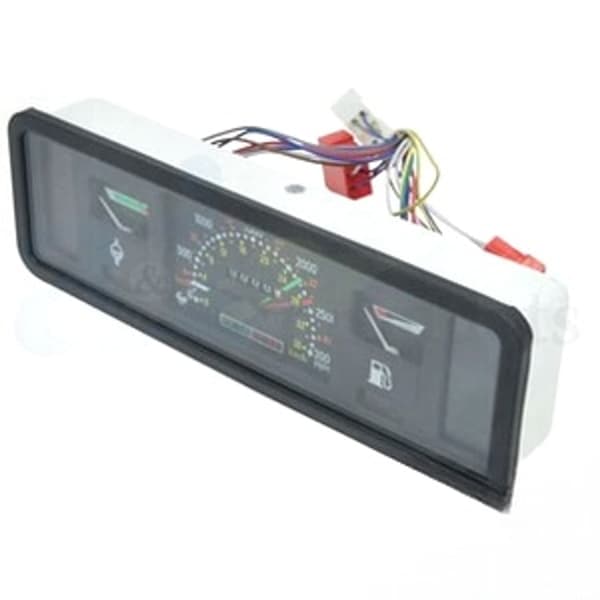
Your tractor instrument cluster, often called the dash or instrument panel, is the central hub for monitoring your machine’s critical systems. It displays vital information like engine temperature, oil pressure, battery voltage, and fuel level, helping you stay on top of potential problems before they lead to costly repairs. Ignoring a gauge reading can result in significant damage to your tractor. Whether you're running a classic John Deere, a modern Case IH, or a reliable Ford, understanding your instrument cluster is key to maximizing its lifespan and efficiency.
Recommended Parts for This Guide
8 parts we recommend — in stock, ships fast, one-click add to cart.
🔍 Looking for a specific part? Try our AI Part Finder — tell it your equipment and what you need, and it will find matching parts instantly.
This guide will walk you through the common gauges found in a typical tractor instrument cluster, explain how their corresponding sending units work, and offer practical troubleshooting tips. Remember, proper maintenance and timely repairs, including replacing worn parts like filters and gaskets, contribute to the accuracy of your readings and the overall health of your machine.
Common Gauges and Their Sending Units
Let's break down the most common gauges you'll find in your tractor's instrument cluster:
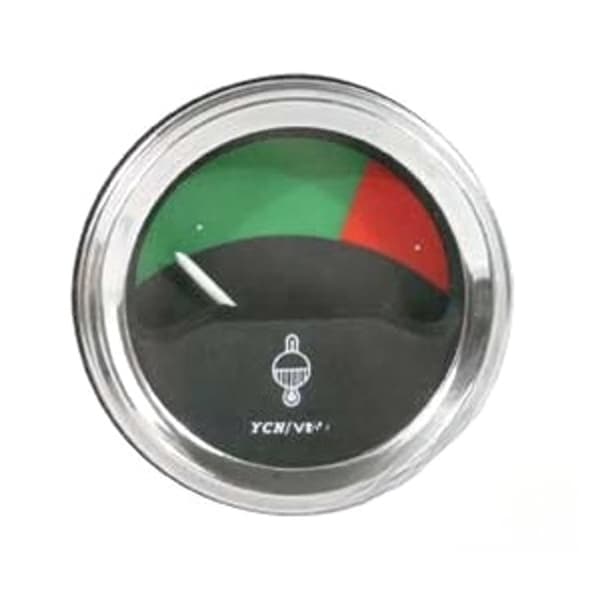
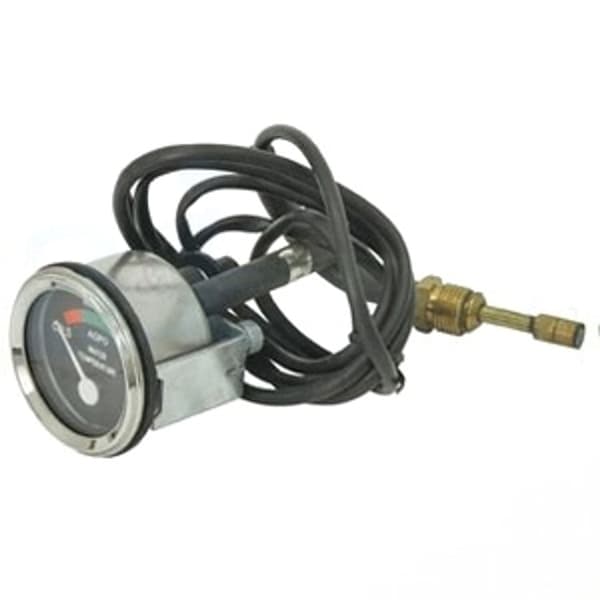
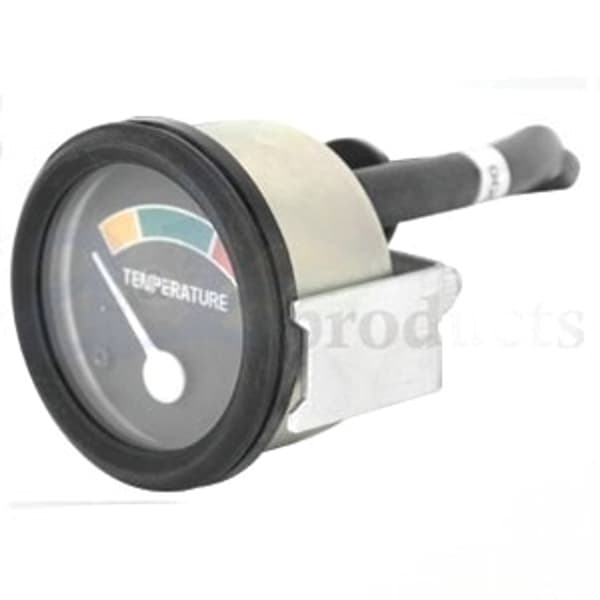
Engine Temperature Gauge
Function: Indicates the temperature of the engine coolant. A rising temperature warns of potential overheating, which can cause severe engine damage.
Sending Unit: A temperature sensor (or sender) is typically located in the engine block or cylinder head, near the thermostat housing. This sensor is often a thermistor, which changes resistance with temperature. The gauge interprets this change in resistance as a temperature reading.
Troubleshooting: If the gauge reads high, check the coolant level first. A low coolant level is a common cause of overheating. Also, inspect the radiator for blockage and ensure the water pump is functioning correctly. A faulty thermostat can also cause overheating. For John Deere tractors, coolant temperatures should generally be within the range of 180-210°F (82-99°C) under normal operating conditions.
Safety Warning: Never remove the radiator cap when the engine is hot, as pressurized hot coolant can cause severe burns.
Oil Pressure Gauge
Function: Displays the oil pressure in the engine. Low oil pressure can indicate a failing oil pump, worn bearings, or a leak in the oil system, all of which can lead to catastrophic engine failure.
Sending Unit: An oil pressure sending unit is typically located on the engine block, near the oil filter. It uses a pressure-sensitive diaphragm that moves a variable resistor. This resistance change is translated into a pressure reading on the gauge.
Troubleshooting: If the oil pressure gauge reads low, stop the engine immediately. Check the oil level first. If the level is good, suspect a failing oil pump or worn engine bearings. A clogged oil filter can also contribute to low oil pressure. For many older tractors, a pressure of 25-60 PSI at operating temperature is typical. Consult your operator's manual for the specific pressure range for your tractor model.
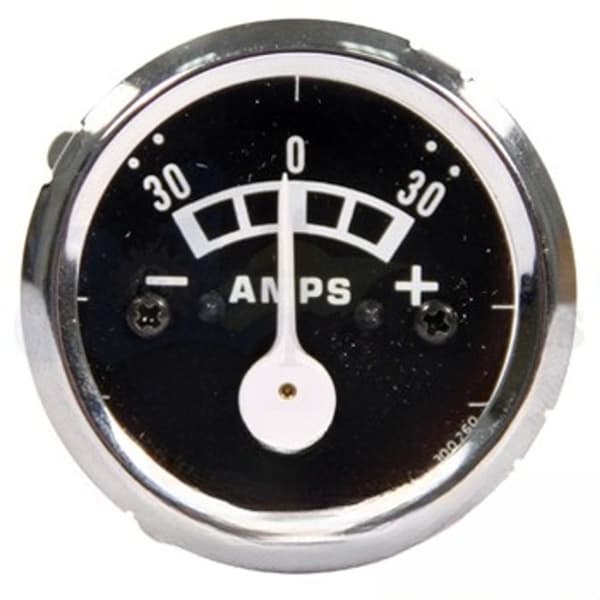
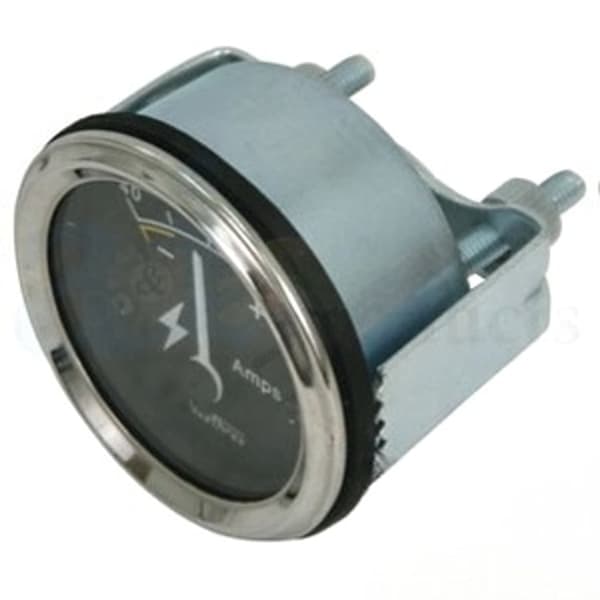
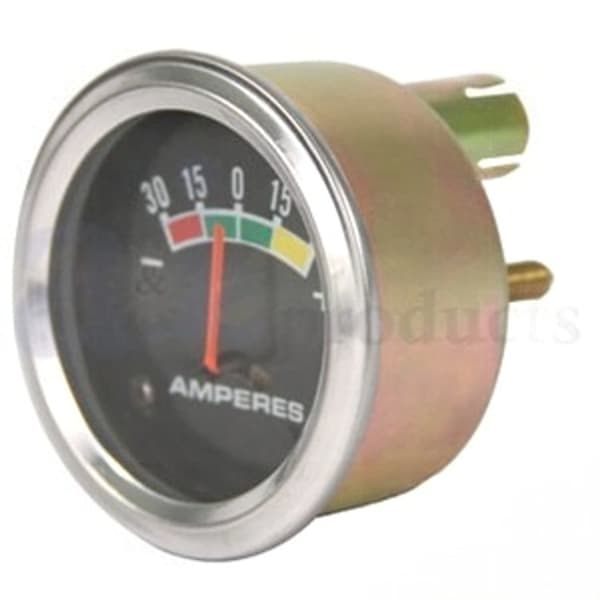
Ammeter or Voltmeter
Function: Indicates the charging status of the battery. An ammeter shows the current flow (charging or discharging), while a voltmeter displays the battery voltage. Both help monitor the health of the charging system.
Sending Unit: An ammeter is connected in series with the battery and charging system to measure current flow. A voltmeter is connected in parallel to measure voltage directly from the battery.
Troubleshooting: If the ammeter constantly shows a discharge, or the voltmeter reads low (below 12 volts), the charging system may be failing. Check the alternator (or generator), voltage regulator, and battery connections. A faulty alternator will often require replacement. A high voltage reading (above 14.5 volts) can indicate a faulty voltage regulator, which can damage the battery. If you suspect a faulty starter, be sure to check out our guides on John Deere tractor starters, Ford tractor starters, Case IH tractor starters, Massey Ferguson starters, and Kubota tractor starters.
Fuel Gauge
Function: Shows the amount of fuel remaining in the fuel tank.
Sending Unit: A fuel level sending unit is typically located in the fuel tank. It usually consists of a float attached to a variable resistor. As the fuel level changes, the float moves, changing the resistance, which is then displayed on the gauge.
Troubleshooting: A fuel gauge that constantly reads empty or full might indicate a faulty sending unit or a wiring problem. Check the wiring connections to the sending unit and the gauge. You can usually test the sending unit with a multimeter to check its resistance range. For older tractors, a faulty fuel pump could also contribute to inaccurate readings if the engine is not receiving fuel at the expected rate.
Troubleshooting Your Tractor Instrument Cluster
Here are some general troubleshooting tips for dealing with instrument cluster issues:
- Check the Wiring: Start by inspecting all wiring connections to the gauges and sending units. Look for loose connections, corrosion, or damaged wires. Clean corroded connections with a wire brush and apply dielectric grease to prevent future corrosion.
- Test the Sending Units: Use a multimeter to test the resistance of the sending units. Compare the readings to the specifications in your tractor's service manual. If the resistance is outside the specified range, the sending unit is likely faulty and needs replacement.
- Check the Ground Connections: Poor ground connections can cause inaccurate readings. Ensure that all ground connections are clean and tight.
- Inspect the Gauges: If you suspect a faulty gauge, you can often test it by swapping it with a known good gauge (if available). If the problem moves to the new gauge, the original gauge is faulty.
- Consult a Wiring Diagram: A wiring diagram is an invaluable tool for tracing circuits and identifying potential problems. You can find wiring diagrams in your tractor's service manual or online.
Brand-Specific Considerations
While the basic principles are the same, specific tractor brands may have unique features or common problems related to their instrument clusters. For example:
- John Deere: On older John Deere models like the 4020, the instrument cluster is prone to vibration damage. Check for loose connections and cracked circuit boards. Refer to the John Deere tractor alternator guide if you suspect charging issues.
- Case IH and International Harvester: On Case IH and International Harvester tractors, particularly the Farmall series, the fuel gauge sending unit is a common failure point.
- Ford and New Holland: Ford tractors, especially the 2000-7000 series, are known for having issues with the ammeter. Consider a Ford tractor alternator conversion for improved reliability. Check the Ford tractor starter if starting is difficult.
- Massey Ferguson: Massey Ferguson models like the 35, 135, and 240 often experience problems with the temperature gauge.
- Kubota: Kubota tractors, particularly the B, L, and M series, are generally reliable, but the wiring connectors in the instrument cluster can become corroded over time.
- Allis Chalmers, Deutz, Oliver, White, Gleaner, Vermeer, Hesston, Mahindra, Zetor: These brands also require regular inspection of the instrument cluster and related components, as age and use can lead to failures. Parts like hydraulic pumps, cylinders, clutch kits, and PTO parts are crucial for the overall operation, and proper gauge function helps monitor their performance.
Always consult your tractor's service manual for specific troubleshooting procedures and component locations.
Conclusion
Understanding your tractor instrument cluster and how its gauges and sending units work is essential for maintaining your machine's health and preventing costly repairs. By following these guidelines and performing regular maintenance, you can keep your tractor running smoothly for years to come. Don't hesitate to consult a qualified mechanic if you're unsure about any repair procedure.
Shop Tractor Parts at Madison Tractor Company
Madison Tractor Company is your trusted source for high-quality replacement parts for all major tractor brands, including John Deere, Case IH, Ford, New Holland, Massey Ferguson, Kubota, and more. We offer a wide selection of parts, from starters and alternators to engine components, radiators, and everything in between. Shop our extensive catalog today and keep your tractor running its best! You can also use our AI-Powered Part Finder to search for parts by your specific make and model.
Part of our comprehensive guide
Tractor Starter & Alternator Guide: Find the Right Parts