








Tractor Safety Switch: Seat, PTO & Neutral Start
Tractor safety switches are crucial for preventing accidents. This guide covers common types (seat, PTO, neutral start), troubleshooting tips, and replacement part info to keep your farm equipment operating safely.
Understanding Tractor Safety Switches
Tractor safety switches are vital components designed to prevent accidents. They act as interlocks, ensuring the tractor only starts and operates under specific, safe conditions. Ignoring or bypassing these switches can lead to serious injury or even death. Here at Madison Tractor Company, we understand the importance of these safety features and want to help you maintain them properly. This guide covers the most common types of tractor safety switches: seat switches, PTO (Power Take-Off) switches and neutral start switches.
Recommended Parts for This Guide
9 parts we recommend — in stock, ships fast, one-click add to cart.
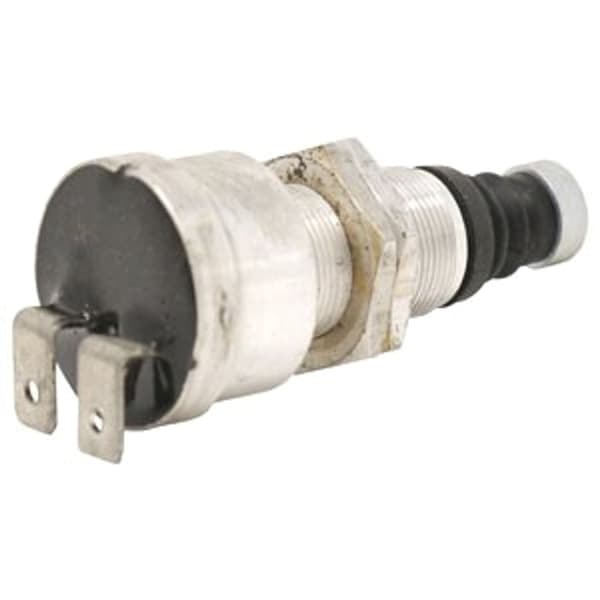
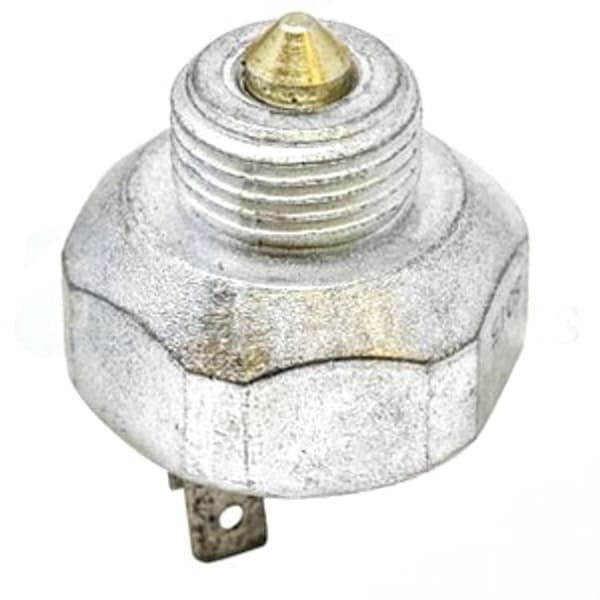
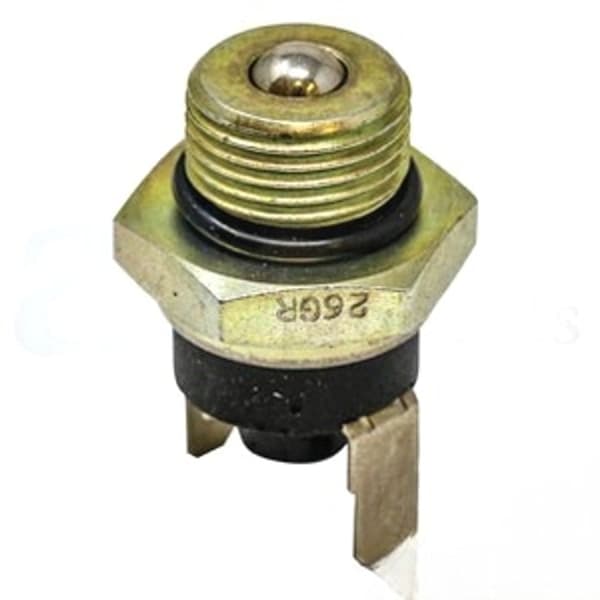
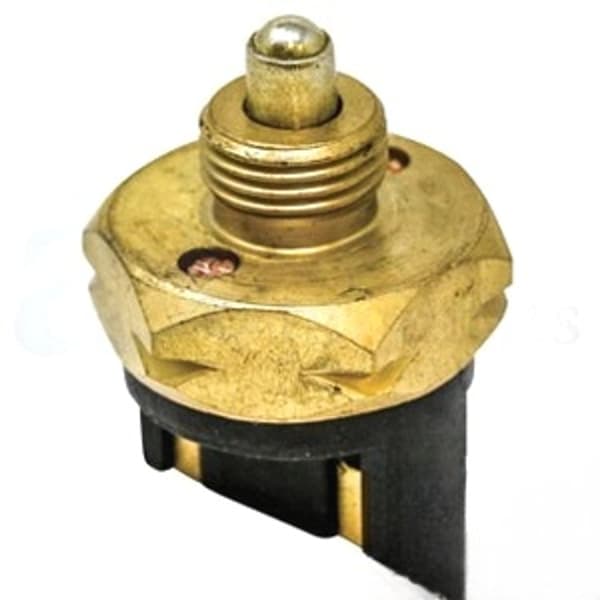
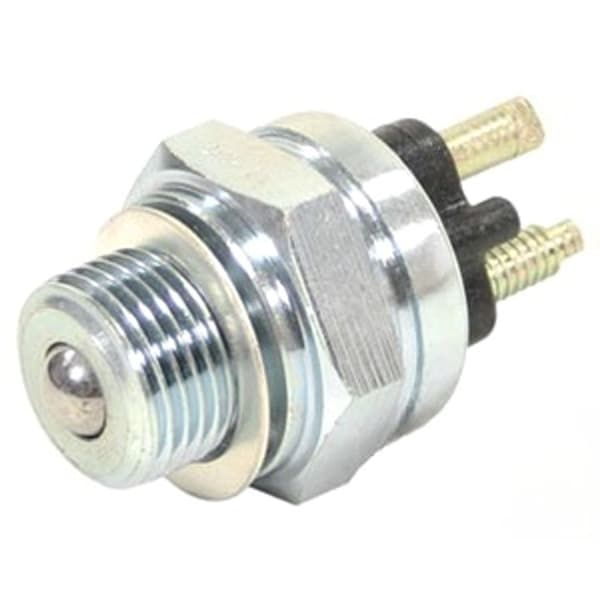
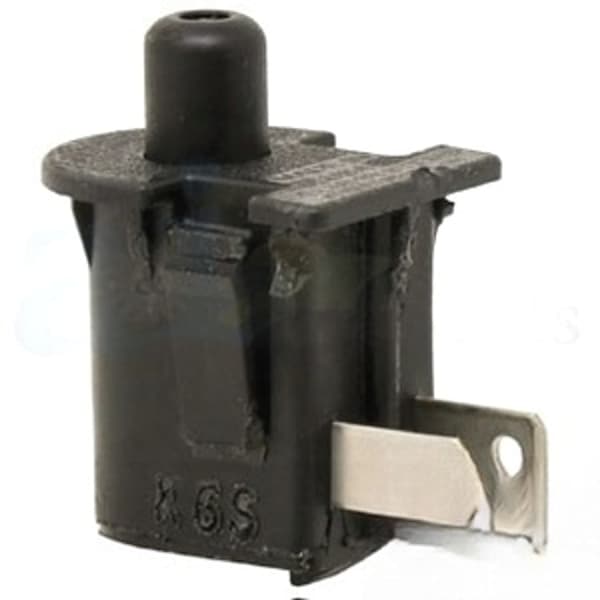
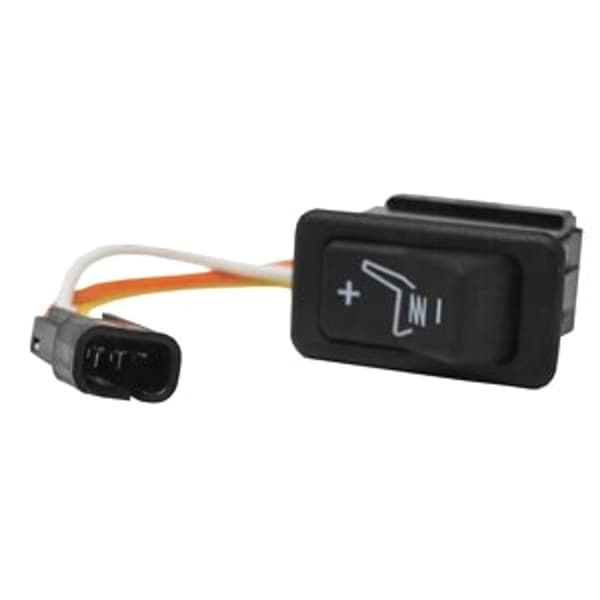
🔍 Looking for a specific part? Try our AI Part Finder — tell it your equipment and what you need, and it will find matching parts instantly.
Why are Safety Switches Important?
Simply put, safety switches save lives. They prevent the tractor from moving unexpectedly, especially when the operator isn't in the seat or the PTO is engaged unintentionally. Many older tractors lack sophisticated safety features, making these switches even more critical. Make sure your tractor safety switches are properly functioning. It is not worth the risk to circumvent any safety device.
Types of Tractor Safety Switches
Modern tractors often have a network of safety switches working together. However, the core function remains the same: prevent accidental operation.
Seat Switch
The seat switch is designed to kill the engine if the operator leaves the seat while the tractor is in gear or the PTO is engaged. This prevents runaways if someone accidentally falls off the tractor. The switch is typically located under the seat cushion. A common problem is a worn or damaged switch, or a disconnected wire. Replacing the seat switch is usually straightforward.
PTO Switch
The PTO switch prevents the PTO from engaging unless specific conditions are met, usually that the tractor is in neutral or park and the operator is seated. This prevents implements powered by the PTO from starting unexpectedly, which could be dangerous if someone is near the implement. Malfunctions can occur due to switch failure, wiring problems, or linkage issues. For example, on some John Deere tractors, a faulty PTO switch can prevent the tractor from starting altogether. Check the wiring to ensure the switch is making contact when engaged. PTO safety is paramount, so don't ignore this switch!
Neutral Start Switch
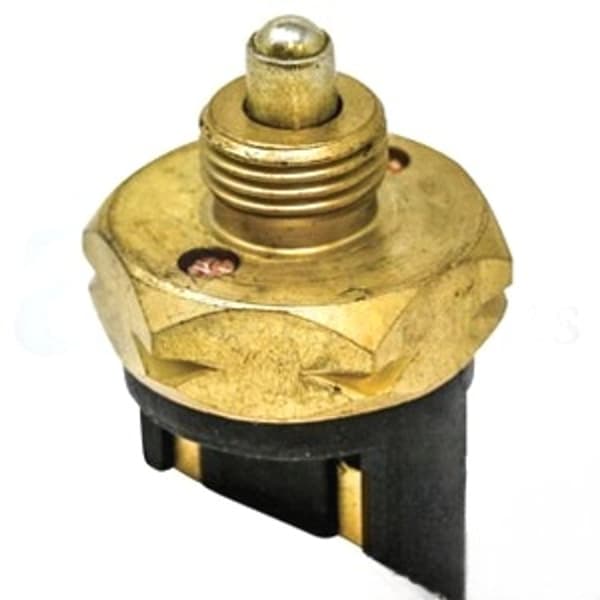
The neutral start switch prevents the tractor from starting unless the transmission is in neutral or park. This prevents the tractor from lurching forward when the starter is engaged, which could cause an accident. This switch is typically located on the transmission or near the gear shift lever. Common issues include a misaligned switch, a broken linkage, or a faulty electrical connection. For Ford tractors and New Holland tractors, the neutral start switch is crucial, especially on older models with less precise gear engagement. It's often a simple plunger-type switch that can be easily replaced.
Troubleshooting Tractor Safety Switches
If your tractor isn't starting or is behaving erratically, a faulty safety switch is a likely culprit. Here's a step-by-step troubleshooting guide
- Visual Inspection Start by visually inspecting all the switches and their wiring. Look for damaged wires, loose connections, or corroded terminals. Use a multimeter to check for continuity in the wiring.
- Testing the Switch Use a multimeter to test the switch itself. With the switch in the correct position (e.g., seat occupied, PTO disengaged, transmission in neutral), the multimeter should show continuity. When the switch is in the opposite position, it should show no continuity.
- Bypassing the Switch (For Testing Only!) WARNING: Bypassing a safety switch is dangerous and should only be done for diagnostic purposes. Temporarily bypass the switch by connecting the two wires together. If the tractor now starts or operates correctly, the switch is faulty and needs to be replaced. Never operate the tractor with a safety switch bypassed!
- Checking the Linkage Make sure the mechanical linkage connected to the switch is properly adjusted. If the linkage is loose or damaged, the switch may not be activated correctly.
- Consulting the Service Manual Refer to your tractor's service manual for specific troubleshooting procedures and wiring diagrams.
Common Safety Switch Problems by Brand
While the principle is the same, safety switch issues can vary slightly between brands and models. Here are some common problems we see at Madison Tractor Company
- John Deere Issues with the seat switch on models like the 3020 and 4020 are frequent. Also, check the PTO switch on 20 and 30 series tractors. Part numbers like are common replacements. Refer to the John Deere Tractor Starter guide for starter-related issues often misdiagnosed as safety switch problems.
- Case IH / International Harvester The neutral start switch on Farmall tractors is prone to failure. Also check the PTO engagement lever linkage. Often these older machines have worn linkages that don't fully engage the safety switch. See our Case IH Tractor Starter Motor article for related starting problems.
- Ford / New Holland On models like the 8N and the 3000 series, the neutral start switch can be difficult to adjust. Proper alignment is key. See the Ford Tractor Starter guide for more details.
- Massey Ferguson On models like the 35 and 135, corrosion can be a major issue with the safety switches, especially in the seat area. Check the Massey Ferguson Starter Motor guide if you're also having starting troubles.
- Kubota B-series and L-series tractors sometimes have issues with the PTO switch. Make sure the PTO lever is fully engaged or disengaged. See Kubota Tractor Starter for more.
We also carry parts for other brands like Allis Chalmers, Deutz, Oliver, White, Gleaner, Vermeer, Hesston, Mahindra Zetor.
Replacing a Tractor Safety Switch
Replacing a faulty safety switch is usually a straightforward process. Here's a general guide
- Disconnect the Battery Always disconnect the battery before working on any electrical components.
- Locate the Switch Identify the faulty switch based on your troubleshooting.
- Disconnect the Wires Disconnect the wires from the switch. Note the position of each wire for reassembly.
- Remove the Old Switch Remove the old switch, usually held in place by screws or a retaining clip.
- Install the New Switch Install the new switch, ensuring it's properly aligned and secured.
- Reconnect the Wires Reconnect the wires to the switch, making sure they are securely attached.
- Test the Switch Reconnect the battery and test the switch to ensure it's working correctly.
Other Considerations
Remember that safety switches are just one part of your tractor's electrical system. If you're experiencing starting problems, it could also be related to the tractor electrical system, starter, alternator, or battery. Also, always ensure your tractor's filters are clean, fuel pump is working properly the radiator is clean. Proper maintenance of all these components contributes to the reliability of your tractor. Don't forget about your water pump, too.
We stock a wide range of parts to keep your tractor running smoothly, including radiators, water pumps, starters, alternators, hydraulic pumps, cylinders, clutch kits, PTO parts, fuel pumps, carburetors, injectors, filters, gaskets, pistons, bearings, seals, belts, chains, concaves sickle sections.
Madison Tractor Company: Your Partner for Tractor Parts
At Madison Tractor Company, we're committed to providing you with the highest quality tractor parts and expert advice. Whether you need a replacement safety switch for your John Deere, a new starter for your Case IH, or any other part for your Kubota, Massey Ferguson, Ford, or other brand, we have you covered. Browse our online catalog or contact our knowledgeable staff today. We can help you find the right parts and keep your tractor running safely and efficiently. You can also use our AI-Powered Part Finder to search for parts by your specific make and model.
Part of our comprehensive guide
Tractor Starter & Alternator Guide: Find the Right Parts