Ford New Holland TF78 Combine Parts
Tf78 parts and accessories
The Ford New Holland TF78 combine, a staple in grain harvesting from the late 1980s into the 1990s, offered a reliable solution for farmers. Typically equipped with engines ranging from 230 to 270 HP and header widths up to 30 feet, the TF78 combined ample power with efficient threshing. Its conventional separator system made it a popular choice for handling various crops, particularly wheat, soybeans, and corn, offering a balance of performance and ease of maintenance.
The Ford New Holland TF78 combine was produced primarily from the late 1980s to the mid-1990s, filling a crucial need for mid-sized farms seeking efficient harvesting solutions. Engine options included the dependable Ford diesel engines, typically offering between 230 to 270 horsepower with displacements around 7.5L to 8.1L. The TF78 utilized a conventional threshing system, featuring a large-diameter cylinder and concave for effective grain separation. Grain tank capacity reached approximately 220-250 bushels, allowing for extended harvesting runs. The unloading auger delivered grain at a rate of roughly 60-70 bushels per minute. Available header widths spanned from 15 to 30 feet, accommodating varying field sizes and crop conditions. Options included straw choppers and spreaders for residue management. The cab offered basic operator comfort and controls, designed for functionality and ease of use. The TF78 excelled in harvesting a variety of grains, including wheat, soybeans, and corn, and was known for its robust construction and relatively simple maintenance requirements.
Specifications
| Engine | Ford Diesel 230-270 HP 7.5L-8.1L Diesel |
|---|---|
| Separator Type | Conventional - Cylinder Width 60 inches |
| Grain Tank | 220-250 bushels |
| Unloading Rate | 60-70 bu/min |
| Header Widths | 15-30 ft |
| Fuel Capacity | Approximately 150 gallons |
| Weight | Approximately 22,000 lbs |
| Years Produced | Late 1980s - Mid 1990s |
Maintenance Tips
- Concave Adjustment: Regularly inspect and adjust the concave clearance to optimize threshing efficiency and minimize grain damage. Consult the operator's manual for recommended settings based on the crop being harvested.
- Belt and Chain Tension: Check and maintain proper tension on all belts and chains to ensure smooth operation and prevent premature wear. Replace worn belts and chains promptly.
- Sieve and Chaffer Cleaning: Clean the sieves and chaffer frequently to remove debris and ensure proper grain separation. Clogged sieves can lead to grain loss and reduced harvesting efficiency.
- Bearing Greasing: Grease all bearings regularly according to the manufacturer's recommendations. Proper lubrication is essential for extending bearing life and preventing costly repairs.
History & Background
The Ford New Holland TF78 was introduced to provide a more powerful and efficient conventional combine option in the Ford New Holland lineup. It built upon the success of previous models, offering increased capacity and horsepower. While not revolutionary, the TF78 represented a solid and reliable machine that earned a place in combine harvester history for its dependability.
Frequently Asked Questions
What engine is in the Ford New Holland Tf78?
The Ford New Holland TF78 typically uses a Ford diesel engine, ranging from 230 to 270 horsepower, with a displacement between 7.5L and 8.1L.
What is the grain tank capacity on a Tf78?
The grain tank capacity on a Ford New Holland TF78 is typically between 220 and 250 bushels. The unloading rate is approximately 60-70 bushels per minute.
What type of separator does the Tf78 have?
The Ford New Holland TF78 utilizes a conventional separator system, featuring a 60-inch wide cylinder and concave.
What are common parts needed for the Tf78?
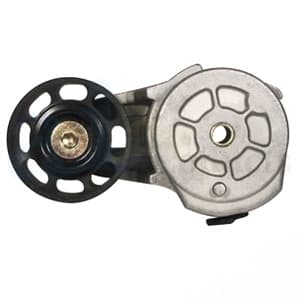
Common parts needed for the Ford New Holland TF78 include concaves, rasp bars, belts, chains, bearings, auger fingers, and sickle sections. Regular maintenance of these components is crucial for optimal performance.