


Ford New Holland 990 Combine Parts
990 parts and accessories
The Ford New Holland 990 combine, a reliable workhorse on farms for years, was known for its robust performance and ease of maintenance. Although precise manufacturing years can vary by region, it was likely popular during the late 1970s and early to mid 1980s. Typically powered by a diesel engine in the 100-120 HP range, it offered header widths suitable for small to medium-sized farms, and employed a conventional separator, making it a favorite for its clean grain sample.
The Ford New Holland 990 combine carved a niche for itself as a dependable and affordable harvesting solution. Introduced potentially in the late 1970s or early 1980s, the 990 offered a practical design for farmers needing a versatile machine. Power came from a Ford diesel engine, typically ranging from 100 to 120 horsepower, with a displacement around 300-400 cubic inches. The threshing system utilized a conventional cylinder and concave, providing effective separation across various crops. Grain tank capacity generally held around 100-125 bushels, with an unloading auger capable of discharging grain at rates of approximately 25-40 bushels per minute. Header widths varied depending on the model, typically ranging from 13 to 16 feet, making it suitable for smaller fields and tighter spaces. The 990 often came equipped with a straw chopper or spreader option to manage residue effectively. Cab features were generally basic, prioritizing functionality and operator comfort over advanced technology. It was particularly effective in harvesting wheat, soybeans, and corn.
Specifications
| Engine | Ford Diesel ~100-120 HP, ~300-400 cu in Diesel |
|---|---|
| Separator Type | Conventional - Cylinder width ~40 inches |
| Grain Tank | ~100-125 bushels |
| Unloading Rate | ~25-40 bu/min |
| Header Widths | ~13-16 ft |
| Fuel Capacity | ~40 gallons |
| Weight | ~10,000 lbs |
| Years Produced | Late 1970s - Mid 1980s (estimated) |
Maintenance Tips
- Concave Adjustment: Regularly inspect and adjust the concave clearance based on the crop being harvested to ensure optimal threshing and minimize grain loss.
- Belt and Chain Tension: Routinely check and adjust belt and chain tension throughout the combine, especially before and during harvest season, to prevent slippage and premature wear.
- Sieve and Chaffer Cleaning: Clean the sieves and chaffers daily, or more frequently in dusty conditions, to maintain proper airflow and grain separation efficiency.
- Bearing Greasing: Follow the manufacturer's lubrication schedule and grease all bearings and pivot points regularly to prevent premature wear and component failure.
History & Background
The Ford New Holland 990 combine represented a solid, reliable option in the harvesting market during its time. While not a groundbreaking machine in terms of technology, its simplicity and dependability made it a popular choice for many farmers. The 990's design focused on efficiency and ease of use, making it a valuable asset on the farm.
Frequently Asked Questions
What engine is in the Ford New Holland 990?
The Ford New Holland 990 is typically powered by a Ford diesel engine, producing approximately 100-120 horsepower with an approximate displacement of 300-400 cubic inches.
What is the grain tank capacity on a 990?
The grain tank capacity on the Ford New Holland 990 is typically around 100-125 bushels, with an unloading rate of approximately 25-40 bushels per minute.
What type of separator does the 990 have?
The Ford New Holland 990 utilizes a conventional cylinder and concave separator system. The cylinder is approximately 40 inches wide, providing effective threshing for a variety of crops.
What are common parts needed for the 990?
Commonly needed parts for the Ford New Holland 990 include concaves, rasp bars, belts, chains, bearings, auger fingers, and sickle sections. Regular replacement of these parts ensures optimal performance and minimizes downtime during harvest.
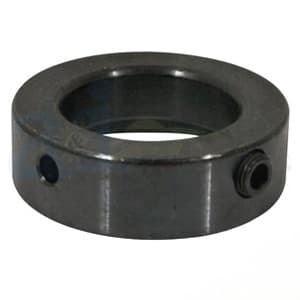
BC108 - Bearing (Import) Collar
SKU: BC108
41 in stock
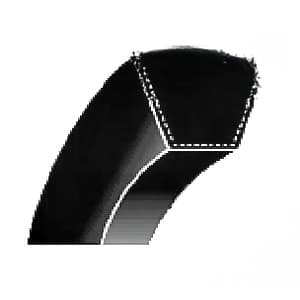
B70 - Classical V-Belt (5/8" X 73")
SKU: B70
661 in stock
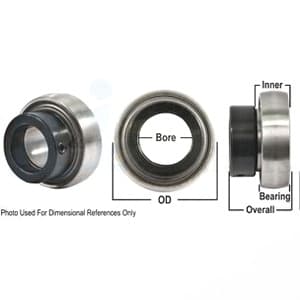
RA103RRB2-I - Non-Relubricatable Ball; Spherical W/ Collar Bearing
SKU: RA103RRB2-I
375 in stock
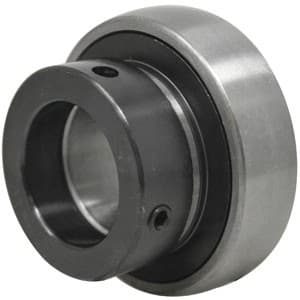
G1108KRRB-I - Re-Lubricatable Ball; Spherical W/ Collar Bearing
SKU: G1108KRRB-I
66 in stock
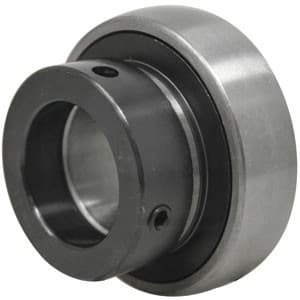
605032 - BEARING
SKU: 605032
66 in stock

277056 - Straw Chopper Knife Kit
SKU: 277056
95 in stock

271580 - Straw Chopper Tooth Kit
SKU: 271580
649 in stock
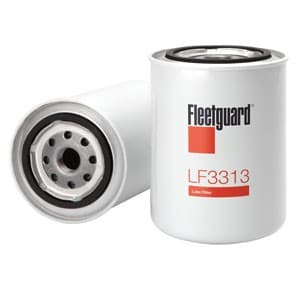
LF3313J - Full-Flow Spin-On (QTY 1) Lube Filter
SKU: LF3313J
Out of stock
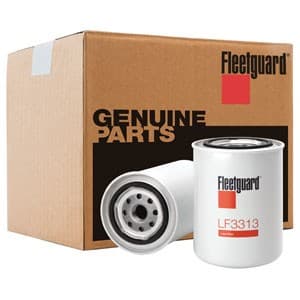
LF3313 - Full-Flow Spin-On (QTY 12) Lube Filter
SKU: LF3313
17 in stock
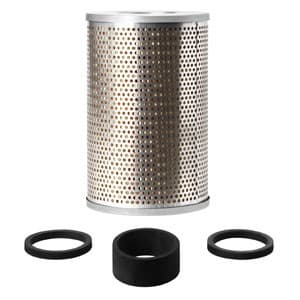
HF6059J - Cartridge (QTY 1) Hydraulic Filter
SKU: HF6059J
Out of stock
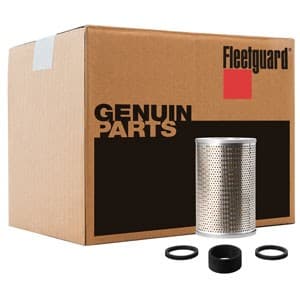
HF6059 - Cartridge (QTY 6) Hydraulic Filter
SKU: HF6059
8 in stock
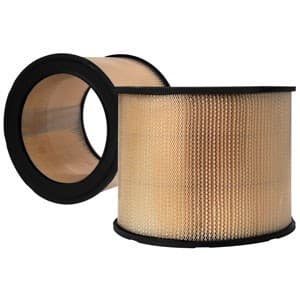
AF260J - Air (QTY 1) Filter
SKU: AF260J
Out of stock