


Ford New Holland 940 Combine Parts
940 parts and accessories
The Ford New Holland 940 combine, produced in the late 1970s and early 1980s, was known for its reliability and ease of operation. Powered by a robust diesel engine, it delivered ample power for its time. With header widths that were suitable for medium-sized farms and its conventional separator, the 940 became a popular choice for farmers looking for a dependable and cost-effective harvesting solution.
The Ford New Holland 940 was a combine harvester manufactured by Ford New Holland during the late 1970s and early 1980s. It was designed as a mid-range combine suitable for a variety of crops and farm sizes. Typically, these combines were powered by a Ford diesel engine, often in the range of 120-140 horsepower. Engine displacement would vary but was likely in the 300-400 cubic inch range. The 940 utilized a conventional threshing system with a cylinder and concave. Grain tank capacity was around 150-200 bushels, and unloading auger speeds were approximately 30-40 bushels per minute. Available header widths ranged from 13 to 20 feet, accommodating different row spacings and crop types. Chopper and spreader options were available to manage crop residue. The cab provided basic operator comfort and controls. The 940 performed well in harvesting crops like wheat, soybeans, and corn, making it a versatile machine for many farms.
Specifications
| Engine | Ford Diesel 135 HP 391 CID Diesel |
|---|---|
| Separator Type | Conventional - 45 inch Cylinder |
| Grain Tank | 175 bushels |
| Unloading Rate | 35 bu/min |
| Header Widths | 13-20 ft |
| Fuel Capacity | 65 gallons |
| Weight | 14,500 lbs |
| Years Produced | 1978-1983 |
Maintenance Tips
- Concave Adjustment: Regularly check and adjust the concave clearance to ensure optimal threshing and minimize grain loss. Refer to the operator's manual for recommended settings based on the crop being harvested.
- Belt and Chain Tension: Inspect all belts and chains for wear and proper tension. Loose belts or chains can lead to reduced performance and potential damage. Adjust or replace as needed.
- Sieve and Chaffer Cleaning: Clean the sieves and chaffer regularly to prevent buildup of debris and ensure efficient grain cleaning. Use compressed air to remove chaff and straw.
- Bearing Greasing: Grease all bearings according to the lubrication schedule in the operator's manual. Proper lubrication is essential for preventing bearing failure and extending the life of the combine.
History & Background
The Ford New Holland 940 was introduced in the late 1970s as a successor to earlier Ford combine models. It aimed to provide a balance of performance and affordability. While it didn't feature groundbreaking technology, its reliability and straightforward design made it a respected machine in its time, contributing to Ford's presence in the combine market.
Frequently Asked Questions
What engine is in the Ford New Holland 940?
The Ford New Holland 940 typically uses a Ford 391 CID diesel engine, producing approximately 135 horsepower.
What is the grain tank capacity on a 940?
The grain tank capacity on a Ford New Holland 940 is around 175 bushels with an unloading rate of approximately 35 bushels per minute.
What type of separator does the 940 have?
The Ford New Holland 940 utilizes a conventional separator system with a 45-inch wide cylinder.
What are common parts needed for the 940?
Common wear parts for the Ford New Holland 940 include concaves, rasp bars, belts, chains, bearings, auger fingers, and sickle sections.
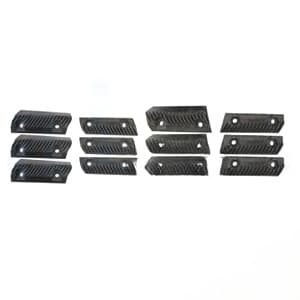
V12077 - Cylinder Bars
SKU: V12077
8 in stock

LF3347J - Spin-On (QTY 1) Lube Filter
SKU: LF3347J
Out of stock

LF3347 - Spin-On (QTY 12) Lube Filter
SKU: LF3347
17 in stock
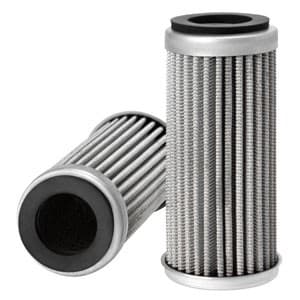
HF28912 - Cartridge (QTY 1) Hydraulic Filter
SKU: HF28912
2 in stock
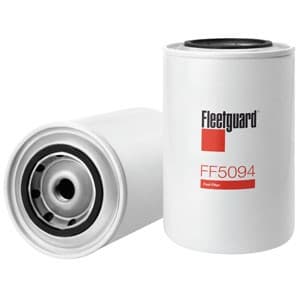
FF5094J - Spin-On (QTY 1) Fuel Filter
SKU: FF5094J
Out of stock
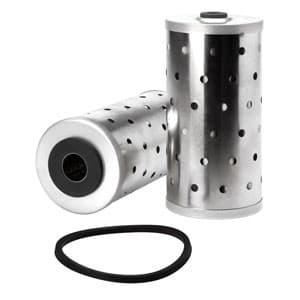
FF5064J - Cartridge (QTY 1) Fuel Filter
SKU: FF5064J
Out of stock
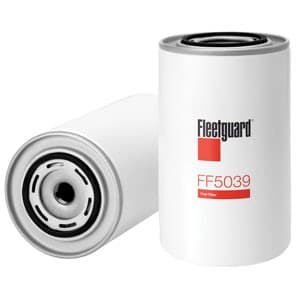
FF5039J - Spin-On (QTY 1) Fuel Filter
SKU: FF5039J
Out of stock