








Mower Belt Replacement Guide: Find the Right Belt for Your Mower
Find the right replacement belt for your riding mower, zero turn, or lawn tractor. Brand-specific sizing, routing diagrams, and OEM part numbers.
Introduction to Mower Belt Replacement #
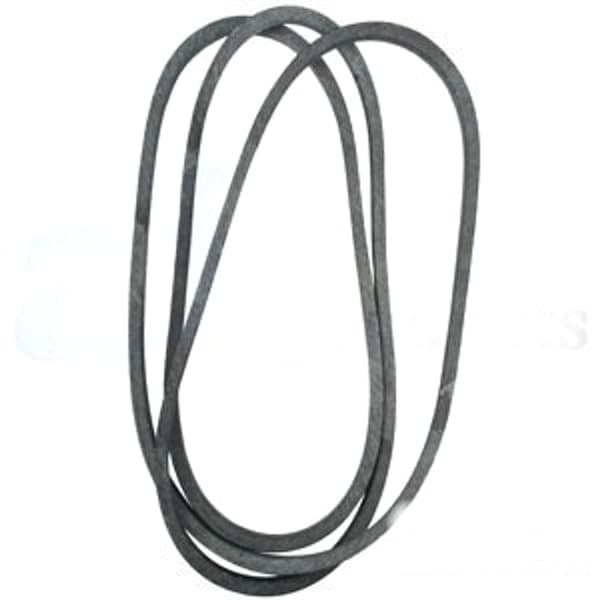
A vital component of any lawn mower, the mower belt (or belts) is responsible for transferring power from the engine to the mower deck (deck belt) and, in some cases, to the wheels (drive belt). Over time, these belts can wear out, crack, slip, or even break, impacting your mower's performance and leaving you with an uneven cut. Understanding the different types of mower belts, how to diagnose problems, and how to find the correct replacement is crucial for maintaining your lawn equipment. This guide will provide you with the knowledge needed to tackle your next mower belt replacement, ensuring your lawn stays perfectly manicured.
Recommended Parts for This Guide
9 parts we recommend — in stock, ships fast, one-click add to cart.
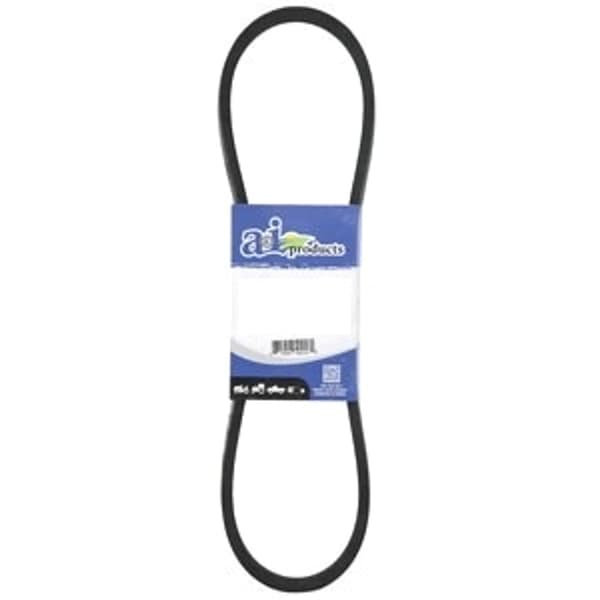
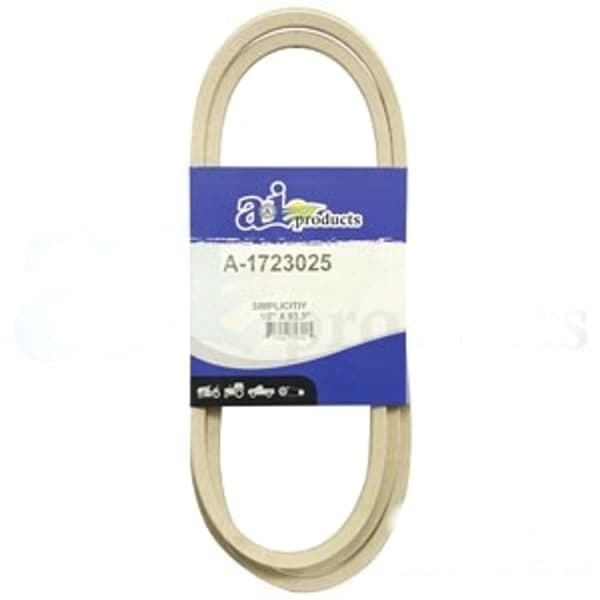
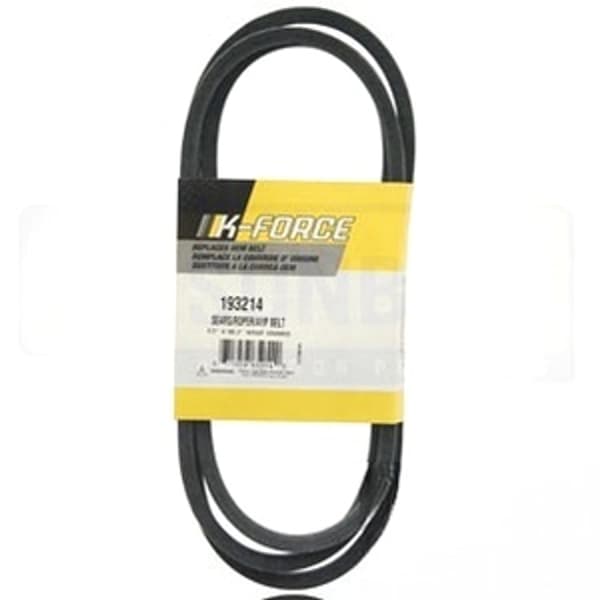
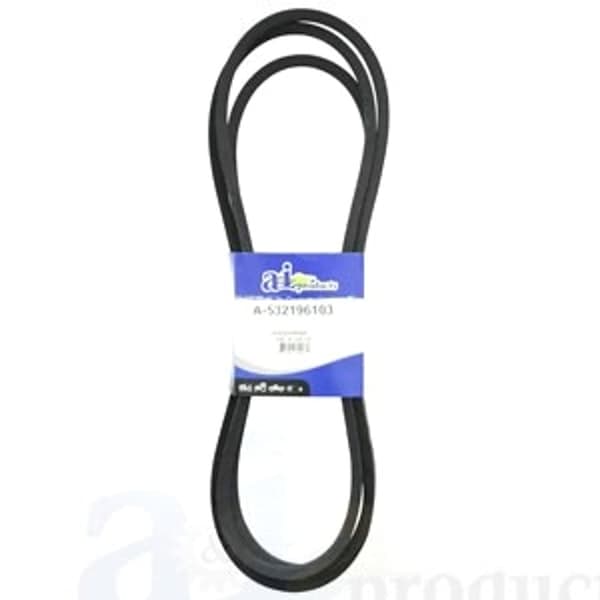
🔍 Looking for a specific part? Try our AI Part Finder — tell it your equipment and what you need, and it will find matching parts instantly.
Whether you own a John Deere, Craftsman, Cub Cadet, Husqvarna, Toro, Ariens, Murray, Hustler, Scag, Exmark, Ferris, Snapper, Simplicity, or Dixie Chopper mower, the principles remain the same. We'll help you navigate the world of mower belts!
Identifying Different Types of Mower Belts #
Mower belts come in two primary types, each serving a distinct purpose:
- Deck Belts: Also known as blade belts, these connect the engine to the mower deck and power the blades. They are often more exposed and prone to wear due to contact with debris.
- Drive Belts: These transfer power from the engine to the transmission, propelling the mower forward. Drive Belts are typically located underneath the mower and are less likely to encounter debris, but still experience wear from constant use.
Understanding which type of belt you need to replace is the first step in the mower belt replacement process. Refer to your mower's parts diagram or owner's manual for clarification.
Recognizing the Signs of a Worn Mower Belt #
A worn mower belt can manifest in several ways. Catching these signs early can prevent more serious damage and ensure a clean cut.
- Slipping: This is a common symptom. You might hear a squealing noise, especially when engaging the blades or driving uphill.
- Uneven Cut: A slipping deck belt can cause the blades to spin at inconsistent speeds, resulting in an uneven cut.
- Cracks and Fraying: Visually inspect the belt for cracks, fraying, or missing chunks. These are clear indicators of wear and tear.
- Burning Smell: A burning rubber smell often indicates excessive friction, which can be caused by a worn or misaligned belt.
- Complete Breakage: In severe cases, the belt may snap completely. This requires immediate replacement.
If you notice any of these signs, it's time to consider a mower belt replacement.
Finding the Right Replacement Belt #
Accurately identifying the correct replacement belt is crucial. Using the wrong belt can lead to poor performance, premature wear, or even damage to your mower.
1. Consult Your Owner's Manual
Your mower's owner's manual is your best resource. It should list the specific part number for both the deck and drive belts. Keep this information handy, especially if you own a popular model like the Cub Cadet LT1045. These manuals often contain diagrams showing the belt routing as well, which is invaluable during installation.
2. Check the Belt Itself
Many belts have the part number printed directly on them. Look closely for a series of numbers and letters. If the belt is too worn to read, proceed to other methods.
3. Measure the Belt
If the part number is unavailable, you can measure the old belt to determine the correct size. Here's how:
- Lay the belt flat: If the belt is broken, try to align the broken ends as accurately as possible.
- Measure the outside circumference: Use a flexible measuring tape to measure the entire length of the belt's outer edge. This provides the outside circumference.
- Determine the width: Measure the width of the belt at its widest point.
- Note the belt type: Is it a V-belt (trapezoidal) or a flat belt? V-belts are most common on mowers.
With these measurements, you can often find a suitable replacement. Keep in mind that slight variations in length can occur due to stretching, so aim for the closest possible match.
4. Use Online Resources and Part Finders
Websites like Madison Tractor offer part finders that allow you to search for belts by mower make, model, and part number. This is often the easiest and most reliable way to find the correct replacement.
5. Understanding OEM vs. Aftermarket Belts
You'll encounter both OEM (Original Equipment Manufacturer) and aftermarket belts. OEM belts are made by the same manufacturer as your mower and are guaranteed to fit and perform correctly. Aftermarket belts are made by third-party manufacturers and can be a more cost-effective option. While some aftermarket belts are excellent quality, others may not meet the same standards as OEM belts. Consider your budget and the importance of reliability when choosing between OEM and aftermarket options. We recommend using OEM parts for critical components like belts to ensure optimal performance and longevity.
Specific Brand Resources
- John Deere: John Deere uses a specific numbering system for their belts. Understanding this system is key to finding the right John Deere mower belt.
- Craftsman: Craftsman mowers often have unique belt sizes. A Craftsman 42 inch mower belt is a common replacement, and specific size charts can be helpful.
- Cub Cadet: Cub Cadet deck belts can vary significantly between models, so accurate model identification is critical.
- Husqvarna: Husqvarna mower belt sizes are readily available in size charts and online databases.
- Toro TimeCutter: Toro TimeCutter mowers utilize specific belts for both the deck and drive systems.
Tools and Materials Needed for Mower Belt Replacement #
Before you begin, gather the necessary tools and materials:
- New Mower Belt: Ensure you have the correct replacement belt.
- Wrench Set or Socket Set: For removing bolts and nuts.
- Screwdrivers: Both flathead and Phillips head.
- Pliers: For manipulating belt keepers and tension springs.
- Belt Installation Tool (Optional): Can aid in stretching the belt around pulleys.
- Gloves: To protect your hands.
- Safety Glasses: To protect your eyes from debris.
- Jack (Optional): For raising the mower to access the deck.
- Wheel Chocks: To prevent the mower from rolling.
- Pen and Paper/Camera: To document the belt routing before removal.
Step-by-Step Guide to Mower Belt Replacement #
Safety First! Before starting any work on your mower, disconnect the spark plug wire and engage the parking brake. This will prevent accidental starting and potential injury.
- Access the Belt: This will vary depending on your mower model. For Deck Belts, you may need to remove the mower deck. For drive belts, you'll typically need to access the underside of the mower.
- Remove Belt Guards: Most mowers have belt guards or covers that protect the belts and pulleys. Remove these using the appropriate tools.
- Release Belt Tension: Locate the tensioner pulley. This pulley applies tension to the belt to keep it tight. You'll need to release this tension to remove the old belt. This is typically done by either moving the tensioner pulley with a wrench or socket, or by disengaging a tension spring.
- Remove the Old Belt: Carefully remove the old belt from the pulleys. Note the routing of the belt as you remove it. Take a picture or draw a diagram to help you remember the correct path for the new belt.
- Install the New Belt: Route the new belt around the pulleys, following your diagram or photo. Ensure the belt is properly seated in the grooves of each pulley.
- Re-engage Belt Tension: Re-engage the tensioner pulley to apply tension to the new belt.
- Replace Belt Guards: Reinstall all belt guards and covers.
- Reattach Mower Deck (if removed): If you removed the mower deck, carefully reattach it, ensuring all connections are secure.
- Reconnect Spark Plug Wire: Reconnect the spark plug wire.
- Test the Mower: Start the mower and engage the blades (for deck belt replacement) or drive the mower forward and backward (for drive belt replacement). Listen for any unusual noises and ensure the blades are spinning smoothly and the mower is moving properly.
Troubleshooting Common Mower Belt Problems #
- Belt Slipping: Check the belt tension. Ensure the tensioner pulley is functioning correctly and applying adequate pressure to the belt. Also, inspect the pulleys for wear or damage. Worn pulleys can prevent the belt from gripping properly.
- Belt Breaking Prematurely: This can be caused by several factors, including misaligned pulleys, excessive belt tension, or debris getting caught in the belt. Check the alignment of the pulleys and adjust the belt tension as needed. Clear any debris from the mower deck and surrounding areas.
- Belt Coming Off Pulleys: This usually indicates incorrect belt routing or worn pulleys. Double-check the belt routing against your diagram or the owner's manual. Replace any worn or damaged pulleys. Also, ensure the belt keepers (small metal tabs that prevent the belt from coming off the pulleys) are in place and properly positioned.
Maintaining Your Mower Belt for Longevity #
Proper maintenance can significantly extend the life of your mower belt:
- Regular Inspection: Inspect your belts regularly for signs of wear and tear. Replace them proactively before they break.
- Keep the Deck Clean: Remove debris, such as grass clippings, leaves, and twigs, from the mower deck regularly. This will prevent them from getting caught in the belt and causing damage.
- Proper Storage: When storing your mower for the off-season, release the belt tension. This will help prevent the belt from stretching and cracking.
- Replace Worn Pulleys: Worn pulleys can accelerate belt wear. Replace them as needed.
Beyond Belts: Other Essential Mower Parts #
While mower belt replacement is a common maintenance task, remember to inspect other crucial components as well:
- Blades: Keep your blades sharp for a clean cut.
- Spindles: Ensure the spindles are in good condition and properly lubricated.
- Pulleys: Inspect pulleys for wear and replace as needed.
- Filters: Change your air and fuel filters regularly to maintain engine performance.
- Spark Plugs: Replace your spark plugs annually for reliable starting.
- Bearings: Check bearings in the wheels and spindles for smooth operation.
- Shear Pins: For snow blowers, inspect and replace shear pins as needed.
Regular maintenance of these parts will ensure your mower operates efficiently and reliably for years to come.
Don't forget to consult related articles like John Deere Drive Belt: Transmission Belt Part Numbers and Craftsman Riding Mower Drive Belt: Sizes & Part Numbers for information specific to drive belts.
Shop Mower Belts at Madison Tractor #
At Madison Tractor Company, we offer a wide selection of high-quality mower belts for all major brands, including John Deere, Craftsman, Cub Cadet, Husqvarna, Toro, and more. We also carry a complete range of other mower parts and accessories to keep your lawn equipment running smoothly. Browse our online catalog today and find the perfect parts for your next repair or maintenance project. Our knowledgeable staff is always available to answer your questions and help you find the right parts for your needs. We're committed to providing exceptional customer service and fast shipping so you can get back to mowing your lawn as soon as possible. You can also use our AI-Powered Part Finder to search for parts by your specific make and model.
In This Guide
Shop Related Parts
Browse All PartsRelated Articles
John Deere Mower Deck Belt: OEM Part Numbers & Sizing
Replacing your John Deere mower deck belt? This guide provides the OEM part numbers, sizing information, and helpful tips to ensure you get the right belt for your machine and keep your lawn looking its best. From choosing the right belt type to troubleshooting common issues, we've got you covered.
Read ArticleCraftsman 42-Inch Mower Belt Replacement & Size Chart
Replacing a Craftsman 42-inch mower belt is a common DIY repair. This guide provides detailed instructions, troubleshooting tips, and a size chart to help you get your mower back up and running quickly. Learn how to identify the correct belt and install it properly.
Read ArticleCub Cadet Deck Belt Replacement: All Models & Sizes
Replacing a Cub Cadet deck belt is a common maintenance task. This comprehensive guide provides step-by-step instructions, essential tips, and resources to help you get the job done right, ensuring your Cub Cadet mower delivers a perfect cut.
Read ArticleHusqvarna Mower Belt Size Chart: Find Your Belt
Finding the right Husqvarna mower belt can be tricky. This guide provides the information you need to identify your belt size, understand common belt types, and get back to mowing.
Read ArticleJohn Deere Drive Belt: Transmission Belt Part Numbers
A worn or broken John Deere drive belt can sideline your mower. This guide provides essential information on finding the correct transmission belt part number and safely replacing it, so you can get back to mowing.
Read ArticleCraftsman Riding Mower Drive Belt: Sizes & Part Numbers
Replacing your Craftsman riding mower drive belt can seem daunting, but it's a manageable DIY project with the right information. This guide provides sizes, part numbers, and replacement tips to get your mower back up and running.
Read ArticleToro TimeCutter Belt Replacement: Deck & Drive Belts
Replacing the belts on your Toro TimeCutter is essential for maintaining peak performance. This guide provides step-by-step instructions for replacing both the deck and drive belts, ensuring a smooth and efficient mowing experience.
Read ArticleCub Cadet LT1045 Belt Size & Replacement Guide
Replacing the belts on your Cub Cadet LT1045 is essential for maintaining peak performance. This guide provides the correct belt sizes, a step-by-step replacement process, and troubleshooting tips to keep your mower running smoothly.
Read ArticleHustler Raptor Belt Replacement: Deck & Drive
Replacing the belts on your Hustler Raptor mower is essential for optimal performance. This guide provides a step-by-step walkthrough for deck and drive belt replacement, plus maintenance tips to keep your mower running smoothly.
Read ArticleScag Mower Belt Part Numbers: Tiger Cat, Cheetah & More
Replacing a worn-out Scag mower belt is essential for peak performance. This guide provides Scag mower belt part numbers, sizing information, and helpful tips for various models, including the Tiger Cat and Cheetah. Learn how to identify the correct belt and perform a seamless replacement.
Read ArticleExmark Lazer Z Belt: Deck Belt Part Numbers & Sizes
Replacing an Exmark Lazer Z belt? This guide provides the information you need to find the right mower deck belt, from part numbers and sizes to troubleshooting tips and replacement instructions. Keep your Exmark Lazer Z running smoothly!
Read ArticleMurray Mower Belt Replacement: Part Numbers & Sizing
Replacing a Murray mower belt doesn't have to be a headache. This guide provides essential information on identifying the correct belt size, finding the right part number, and safely replacing the belt on your Murray riding mower.
Read ArticleSnapper Mower Belt Sizes & OEM Part Numbers
Need to replace a worn-out Snapper mower belt? This comprehensive guide provides the information you need to find the correct size and OEM part number for your Snapper riding mower or zero-turn. Learn how to measure, identify, and replace your belt for optimal performance.
Read ArticleAriens Zero Turn Belt: IKON & Edge Deck Belts
Replacing an Ariens zero turn belt, especially on IKON and Edge models, can seem daunting. This guide provides everything you need to know, from identifying the correct belt size to step-by-step replacement instructions.
Read ArticleGravely Mower Belt Replacement: ZT & Pro-Turn Models
Replacing a worn or broken Gravely mower belt is a crucial part of maintaining peak performance. This guide provides step-by-step instructions for replacing deck and drive belts on Gravely ZT and Pro-Turn models.
Read ArticleSimplicity Mower Belt Size Chart & Part Numbers
Replacing a worn Simplicity mower belt doesn't have to be a hassle. Use our comprehensive size chart and part number guide to find the correct replacement belt for your Simplicity riding mower or zero turn. Plus, get expert tips on installation and maintenance.
Read ArticleFerris Mower Belt Replacement: IS & ISX Models
Replacing a worn or broken Ferris mower belt can seem daunting, but with the right tools and knowledge, it's a manageable task. This guide provides step-by-step instructions for replacing both deck and drive belts on Ferris IS and ISX models, ensuring your mower is back in action quickly.
Read ArticleDixie Chopper Belt Part Numbers: Classic & Magnum
Replacing a worn-out belt on your Dixie Chopper is crucial for maintaining peak performance. This guide will help you identify the correct belt part number, understand different belt types, and provide helpful tips for a smooth replacement.
Read ArticleJohn Deere 100 Series Mower Belt: D100, D110, D130
Need to replace a worn or broken mower belt on your John Deere 100 Series riding mower? This guide covers belt identification, replacement, and maintenance tips for models like the D100, D110, and D130.
Read ArticleCub Cadet RZT Belt Replacement: RZT 50, RZT 42
Replacing a worn or broken mower deck belt on your Cub Cadet RZT 50 or RZT 42 is a common maintenance task. This guide provides step-by-step instructions, safety tips, and part recommendations to help you get the job done right.
Read Article42-Inch Mower Deck Belt: Universal Sizes & Cross Reference
Is your 42-inch mower deck belt worn, broken, or slipping? This guide covers everything from finding the right belt size and cross-referencing part numbers to diagnosing common issues and ensuring proper installation. Get your mower back in top shape!
Read Article46-Inch Mower Deck Belt: Sizes for All Brands
Finding the correct 46-inch mower deck belt can be tricky. This comprehensive guide covers belt sizes, replacement procedures, maintenance tips, and troubleshooting for various brands like John Deere, Craftsman, and more, ensuring you get the right fit and keep your mower running smoothly.
Read Article48-Inch Mower Deck Belt: Commercial & Residential
A 48-inch mower deck belt is a critical component for efficient lawn mowing. This guide covers everything you need to know, from choosing the right belt to troubleshooting common problems and performing routine maintenance.
Read Article54-Inch Mower Deck Belt: Part Numbers by Brand
A worn-out mower deck belt can bring your lawn care to a screeching halt. This guide helps you find the correct 54-inch mower deck belt part number for your brand of mower, including John Deere, Craftsman, Cub Cadet, and more, so you can get back to mowing.
Read ArticleKevlar Mower Belt vs Rubber: Which Lasts Longer?
Choosing the right mower belt is crucial for performance and longevity. We explore the key differences between Kevlar and rubber mower belts to help you make the best choice for your machine and mowing conditions.
Read ArticleMower Belt Cross Reference Chart: OEM to Aftermarket
Finding the right replacement mower belt can be tricky. This guide helps you cross-reference OEM part numbers to find the correct aftermarket belt for your John Deere, Craftsman, Cub Cadet, Husqvarna, and other popular mower brands.
Read ArticleMower Belt Size Chart: How to Measure & Find Your Belt
Finding the right replacement mower belt can be confusing. This guide provides a mower belt size chart, explains how to measure your old belt, and helps you find the exact belt you need for your John Deere, Craftsman, Cub Cadet, Husqvarna, or other mower.
Read ArticleLawn Tractor Ground Drive Belt: Sizes & Part Numbers
The ground drive belt on your lawn tractor is critical for transferring power from the engine to the transmission. This guide helps you find the right belt size, identify part numbers, and safely replace it yourself, keeping your tractor moving.
Read ArticleZero Turn Deck Belt Sizes: 42" to 72" Decks
Replacing a zero turn mower deck belt can seem daunting, but with the right information, it's a manageable task. This guide covers belt sizing, troubleshooting common problems, and step-by-step replacement tips.
Read ArticleHusqvarna YTH Belt Replacement: YTH22V46, YTH24V48
Replacing the belts on your Husqvarna YTH22V46 or YTH24V48 riding mower is essential for maintaining peak performance. This guide provides a step-by-step walkthrough, ensuring you get your mower back in action quickly. Find the right belts and parts at Madison Tractor!
Read ArticleJohn Deere LA Series Belt: LA105, LA115, LA135, LA145
Need to replace the belt on your John Deere LA Series mower? This guide covers belt types, sizes, and replacement tips for LA105, LA115, LA135, and LA145 models. Keep your lawn looking great with help from Madison Tractor!
Read ArticleOEM vs Aftermarket Mower Belts: Quality & Price Comparison
Choosing the right mower belt is crucial for peak performance and longevity of your lawn equipment. Explore the pros and cons of OEM (Original Equipment Manufacturer) and aftermarket belts to make an informed decision.
Read ArticleMower Belt Part Number Lookup: Find by Model Number
Finding the correct mower belt doesn't have to be a chore. This guide explains how to use your mower's model number for a quick and accurate mower belt part number lookup, ensuring you get the right belt the first time.
Read ArticleBad Boy Mower Belt: Maverick & MZ Part Numbers
Need a new Bad Boy mower belt for your Maverick or MZ model? This guide provides part numbers, replacement tips, and essential maintenance advice to keep your Bad Boy mower running smoothly.
Read ArticleJohn Deere 345 Mower Belt: Deck & Drive Belt Sizes
Replacing the belts on your John Deere 345 mower is essential for maintaining peak performance. This guide provides the correct belt sizes for both the mower deck and drive system, along with helpful replacement tips.
Read ArticleJohn Deere 325 Mower Belt: Deck Belt Part Number
Replacing the deck belt on your John Deere 325 mower is crucial for maintaining a clean, even cut. This guide helps you find the correct belt size, part number, and offers tips for a smooth replacement process. We'll cover troubleshooting common belt issues to keep you mowing.
Read ArticleCraftsman LT1000 Belt Size: Deck & Drive Belt Guide
Replacing a worn or broken belt on your Craftsman LT1000 can seem daunting, but it's a manageable DIY task. This guide provides the correct belt sizes, replacement steps, and maintenance tips to keep your LT1000 running smoothly.
Read ArticleCub Cadet LTX Belt: LTX1040, LTX1045, LTX1046
Need to replace the belt on your Cub Cadet LTX1040, LTX1045, or LTX1046? This guide covers belt sizes, replacement procedures, and troubleshooting tips to keep your mower running smoothly. We'll help you find the right belt and get back to mowing.
Read ArticleHustler FasTrak Belt: Deck Belt Part Numbers
Find the correct Hustler FasTrak deck belt for your mower model with our comprehensive guide. We provide part numbers, replacement tips, and safety precautions to ensure a smooth and efficient repair.
Read ArticlePTO Engagement Belt: Electric Clutch Belt Sizes
A worn PTO clutch belt can cause your mower deck to stop engaging, leading to frustrating downtime. This guide covers everything from identifying the correct belt size to maintenance tips, ensuring your mower runs smoothly.
Read ArticleMower Idler Pulley and Belt Kit: Complete Deck Rebuild
Is your mower deck belt slipping or your pulleys making noise? A mower idler pulley belt kit can restore your mower's performance. This guide covers everything from choosing the right kit to complete installation.
Read ArticleV-Belt Sizes for Lawn Mowers: A, B & 4L Series Guide
Finding the right lawn mower v-belt size is crucial for optimal performance. This guide breaks down the A, B, and 4L series belts, offering practical advice for selecting the correct replacement belt for your lawn mower, whether it's a John Deere, Craftsman, or another brand.
Read ArticleDeck Belt Keeps Breaking? Parts You Need to Replace
A constantly breaking deck belt on your mower is frustrating and costly. This guide helps you diagnose the root cause – from worn pulleys to misaligned spindles – and identify the parts you need to get back to mowing.
Read ArticleJohn Deere X Series Belt: X300, X320, X350, X500
Maintaining your John Deere X Series mower requires knowing your belts. This guide covers common belt issues, part numbers, and replacement tips for X300, X320, X350, and X500 models.
Read ArticleTroy-Bilt Mower Belt: Pony, Bronco & Super Bronco
Replacing a worn or broken mower belt on your Troy-Bilt Pony, Bronco, or Super Bronco is crucial for optimal performance. This guide will help you identify the correct belt, understand the replacement process, and keep your mower running smoothly.
Read ArticleKubota Mower Belt: ZD, ZG & T Series Part Numbers
Replacing a Kubota mower belt? This guide helps you identify the correct belt part number for your ZD, ZG, or T series Kubota mower. We cover deck belts, drive belts, and offer tips for finding the right fit.
Read ArticleMower Belt Tensioner Spring Replacement: All Brands
A worn or broken mower belt tensioner spring can lead to belt slippage and poor cutting performance. This guide provides step-by-step instructions on how to diagnose and replace a tensioner spring on various mower brands.
Read Article60-Inch Mower Deck Belt: Commercial Zero Turn Sizes
A 60-inch mower deck belt is a critical component for many commercial and heavy-duty residential zero turn and riding mowers. This guide covers everything from identifying the correct belt size to understanding belt types and replacement procedures.
Read ArticleDouble V Mower Belt: Sizes & Applications
Double V belts are crucial for many mower applications. This guide covers sizes, applications, and how to ensure you get the right replacement belt for your riding mower or zero-turn.
Read Article