








PTO Engagement Belt: Electric Clutch Belt Sizes
A worn PTO clutch belt can cause your mower deck to stop engaging, leading to frustrating downtime. This guide covers everything from identifying the correct belt size to maintenance tips, ensuring your mower runs smoothly.
Understanding the PTO Clutch Belt
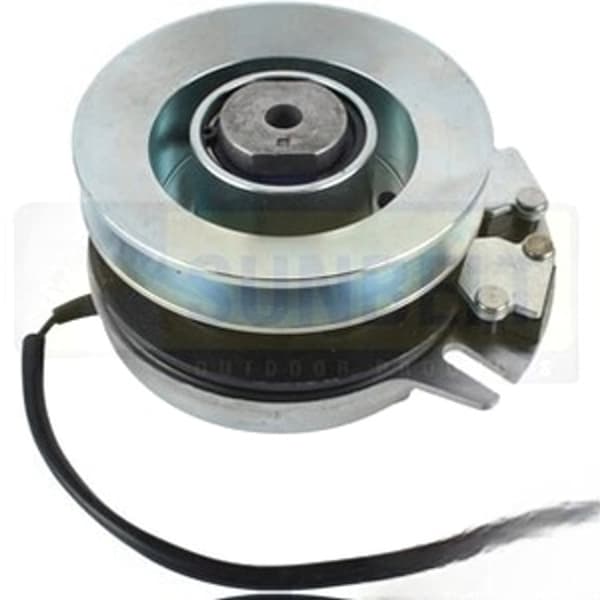
The Power Take-Off (PTO) system on your riding mower or zero-turn mower is what transfers power from the engine to the mower deck. The pto clutch belt is a critical component of this system, responsible for engaging and disengaging the mower blades. When you engage the PTO, the electric clutch activates, tightening the belt and spinning the deck pulleys, which in turn rotate the mower blades. A worn or damaged PTO clutch belt can lead to a number of problems, including:
Recommended Parts for This Guide
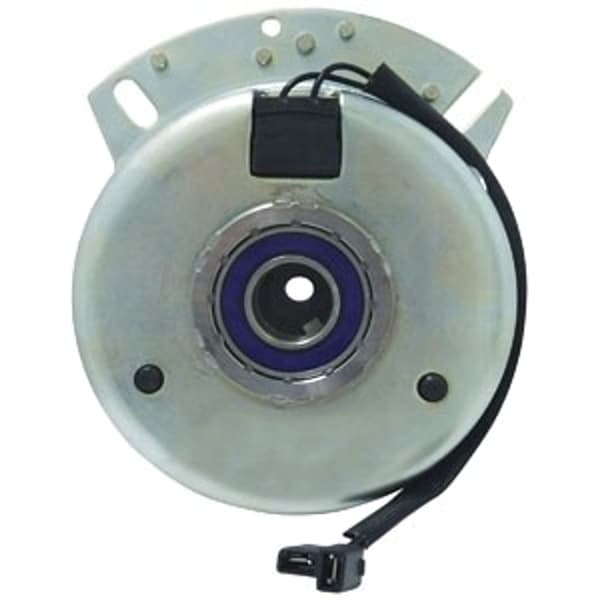
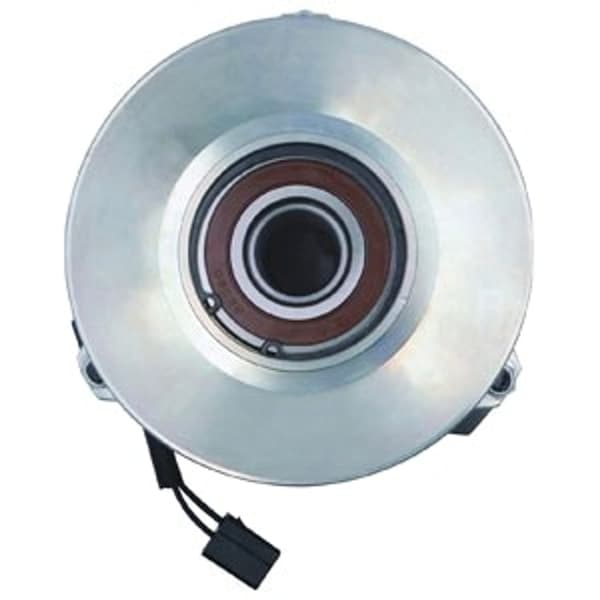
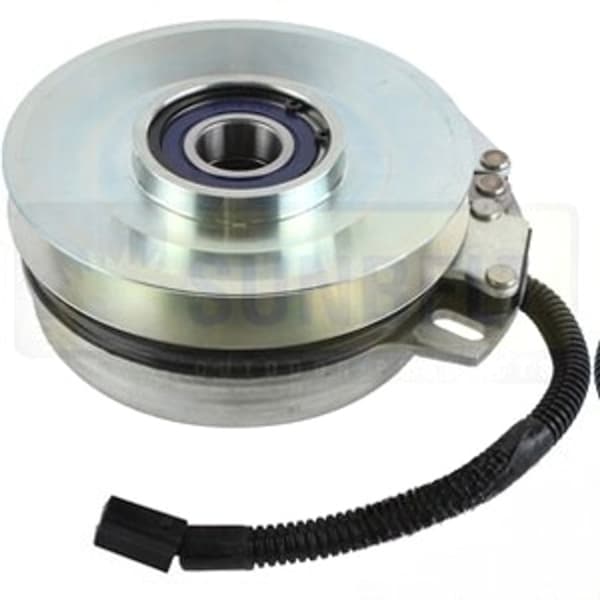
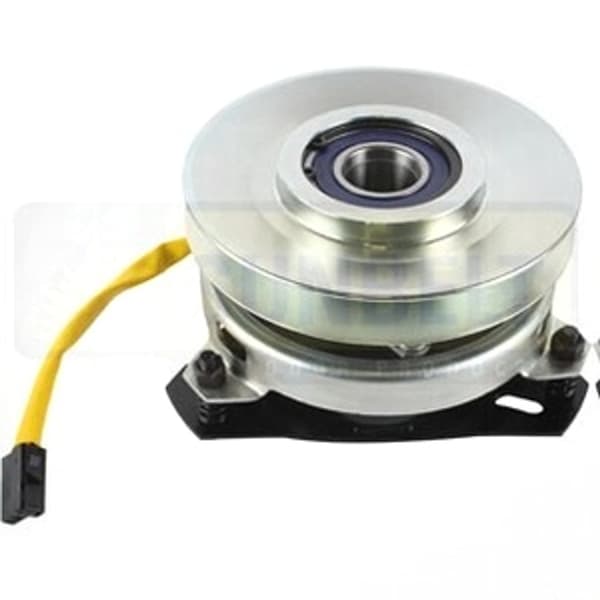
10 parts we recommend — in stock, ships fast, one-click add to cart.
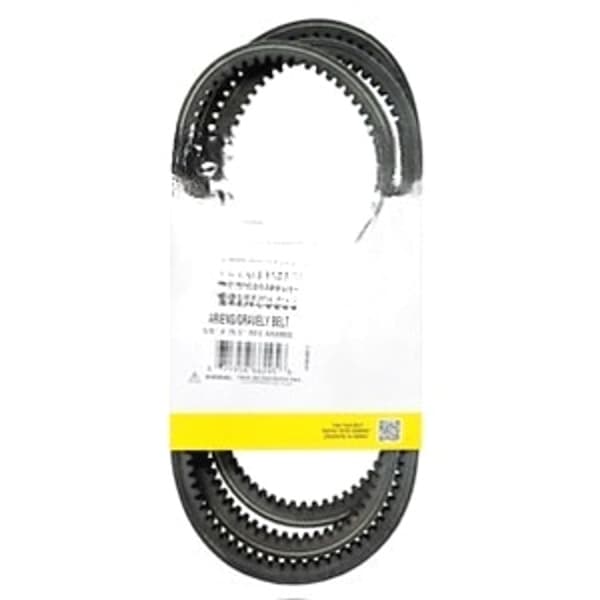
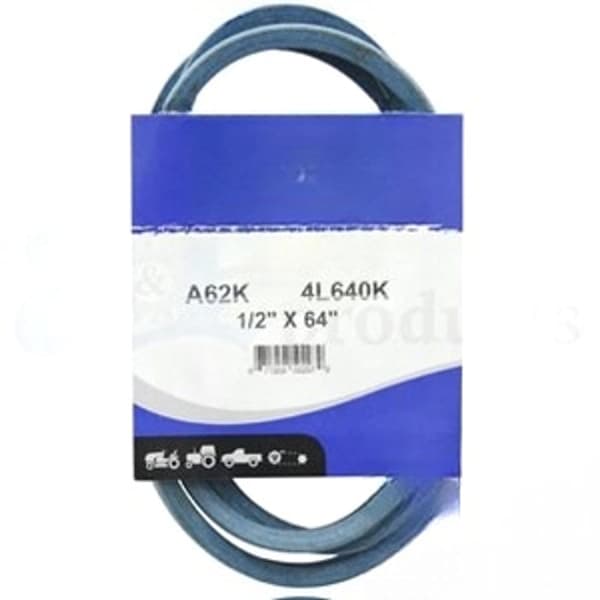
🔍 Looking for a specific part? Try our AI Part Finder — tell it your equipment and what you need, and it will find matching parts instantly.
- Mower deck not engaging
- Slipping or squealing noises
- Uneven cutting
- Premature wear of other components like spindles and pulleys
This article will guide you through understanding the PTO clutch belt, identifying the correct size for your mower, replacing the belt, and performing essential maintenance to prolong its lifespan. Madison Tractor Company carries a wide selection of PTO clutch belts for various brands like John Deere, Craftsman, Cub Cadet, Husqvarna, Toro, Ariens, Murray, Hustler, Scag, Exmark, Ferris, Snapper, Simplicity, and Dixie Chopper.
Identifying the Correct PTO Clutch Belt Size
Finding the correct size PTO clutch belt is crucial for optimal performance and preventing damage to your mower. There are several ways to determine the correct belt size:
- Consult Your Owner's Manual: This is the most reliable method. Your owner's manual will specify the exact belt size and part number for your mower model.
- Check the Existing Belt: If the old belt is still intact (even partially), you may find the size printed directly on the belt. Look for a series of numbers and letters indicating the length and width. Keep in mind that wear can distort the markings, so this method isn't always foolproof.
- Use a Belt Measuring Tool: A belt measuring tool can accurately measure the length of your old belt, even if it's broken. Wrap the tool around the belt's path to get an accurate measurement.
- Cross-Reference with the Mower Model Number: If you can't find the information in the manual or on the belt, you can often look up the belt size based on your mower's model number using online resources or by contacting a parts specialist at Madison Tractor Company.
Understanding Belt Dimensions
PTO clutch belts are typically identified by their length and width. For example, a belt might be labeled as “5/8 x 95” which means it is 5/8 inches wide and 95 inches long. The length is usually the outside circumference of the belt. Belt thickness can also be a factor, but is less commonly specified. Make sure you understand the units used (inches or millimeters) and measure accurately.
Referencing existing articles such as John Deere Mower Deck Belt: OEM Part Numbers & Sizing, Craftsman 42-Inch Mower Belt Replacement & Size Chart, Cub Cadet Deck Belt Replacement: All Models & Sizes, and Husqvarna Mower Belt Size Chart: Find Your Belt will help provide further resources.
Replacing the PTO Clutch Belt: A Step-by-Step Guide
Replacing a PTO clutch belt is a task most homeowners can tackle with the right tools and a bit of patience. Here's a step-by-step guide:
- Safety First! Disconnect the spark plug wire to prevent accidental starting. Engage the parking brake. Wear safety glasses and gloves.
- Remove the Mower Deck: Consult your owner's manual for specific instructions on removing the mower deck. This usually involves disconnecting linkages and belt keepers.
- Locate the PTO Clutch and Belt: The PTO clutch is typically located beneath the engine, near the front of the mower. The belt runs from the engine pulley to the PTO clutch and then to the deck pulleys.
- Remove the Old Belt: Release the tension on the belt. This may involve loosening a tensioner pulley or using a belt removal tool. Carefully remove the old belt from the pulleys, noting the belt routing. A diagram or photo can be helpful for reinstallation.
- Inspect Pulleys and Spindles: Before installing the new belt, inspect all pulleys and spindles for wear, damage, or debris. Replace any worn or damaged components. Check the bearings within the spindles to ensure smooth rotation.
- Install the New Belt: Route the new belt exactly as the old belt was routed, referring to your diagram or photo. Ensure the belt sits properly in the grooves of all pulleys.
- Tension the Belt: Re-engage the tensioner pulley or adjust the tensioner mechanism to provide the correct belt tension. The belt should be snug but not overly tight.
- Reinstall the Mower Deck: Reattach the mower deck, following the reverse steps of removal.
- Reconnect the Spark Plug Wire: Reconnect the spark plug wire.
- Test the Mower: Start the mower and engage the PTO to test the new belt. Listen for any unusual noises or slipping. Ensure the mower deck engages smoothly and the blades spin properly.
For models like the Cub Cadet LT1045 Belt or Toro TimeCutter Belt Replacement, specific steps might vary slightly. Always consult your owner's manual for detailed instructions.
Common Problems and Solutions During Replacement
- Belt Too Tight or Loose: Adjust the tensioner pulley to achieve the correct belt tension. Too tight can cause premature wear; too loose can cause slipping.
- Belt Slipping: Ensure the belt is properly seated in all pulley grooves. Check for worn or damaged pulleys.
- Squealing Noise: A squealing noise usually indicates a loose belt or a worn pulley bearing. Tighten the belt or replace the bearing.
- Difficulty Removing the Old Belt: Use a belt removal tool or carefully pry the belt off the pulleys with a screwdriver (be careful not to damage the pulleys).
Maintaining Your PTO Clutch Belt
Proper maintenance can significantly extend the lifespan of your PTO clutch belt. Here are some essential maintenance tips:
- Regular Inspections: Regularly inspect the belt for cracks, fraying, or glazing. Replace the belt if you notice any of these signs of wear.
- Keep Pulleys Clean: Remove any debris or buildup from the pulleys to prevent premature wear on the belt.
- Proper Belt Tension: Ensure the belt tension is properly adjusted. Too much or too little tension can shorten the belt's lifespan.
- Avoid Overloading the Mower: Avoid mowing excessively tall or thick grass, as this puts extra strain on the belt.
- Store the Mower Properly: When storing the mower for the off-season, release the belt tension to prevent stretching.
In addition to belts, don't forget to maintain other parts such as blades, spindles, pulleys, filters, spark plugs, and bearings to keep your mower in peak condition. For snow blowers, ensure your shear pins are in good shape.
When to Call a Professional
While replacing a PTO clutch belt is often a DIY project, there are times when it's best to call a professional. If you're not comfortable working on your mower, or if you encounter any of the following problems, seek professional assistance:
- Difficulty removing or reinstalling the mower deck
- Stripped bolts or damaged pulleys
- Complex belt routing that you can't figure out
- Unusual noises or vibrations after replacing the belt
- You simply don't have the time or tools
Shop PTO Clutch Belts at Madison Tractor Company
Madison Tractor Company is your one-stop shop for all your outdoor power equipment parts needs. We offer a wide selection of high-quality PTO clutch belts for all major brands, including John Deere, Craftsman, Cub Cadet, Husqvarna, and Toro. Browse our selection today and find the perfect PTO clutch belt for your mower! You can also use our AI-Powered Part Finder to search for parts by your specific make and model.
Part of our comprehensive guide
Mower Belt Replacement Guide: Find the Right Belt for Your Mower