








Kevlar Mower Belt vs Rubber: Which Lasts Longer?
Choosing the right mower belt is crucial for performance and longevity. We explore the key differences between Kevlar and rubber mower belts to help you make the best choice for your machine and mowing conditions.
Introduction to mower belts
Your lawn mower's belts are essential for transferring power from the engine to the cutting blades (deck belt) and the wheels (drive belt). Choosing the right belt significantly impacts your mower's performance, lifespan, and overall efficiency. Two primary materials dominate the mower belt market: rubber and Kevlar. While rubber belts have been the standard for years, Kevlar belts are gaining popularity due to their enhanced durability. This guide will explore the differences between these two types, helping you decide which is best for your needs. You can learn more about mower deck belts and drive belts on our Mower Deck Belts & Drive Belts page.
Recommended Parts for This Guide
10 parts we recommend — in stock, ships fast, one-click add to cart.
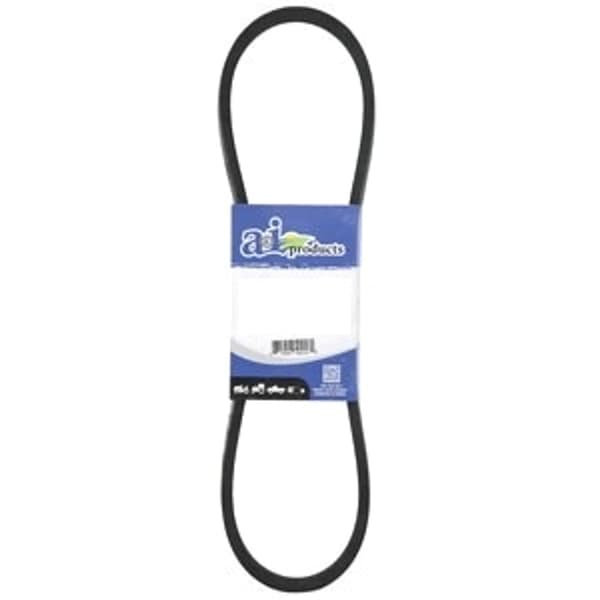
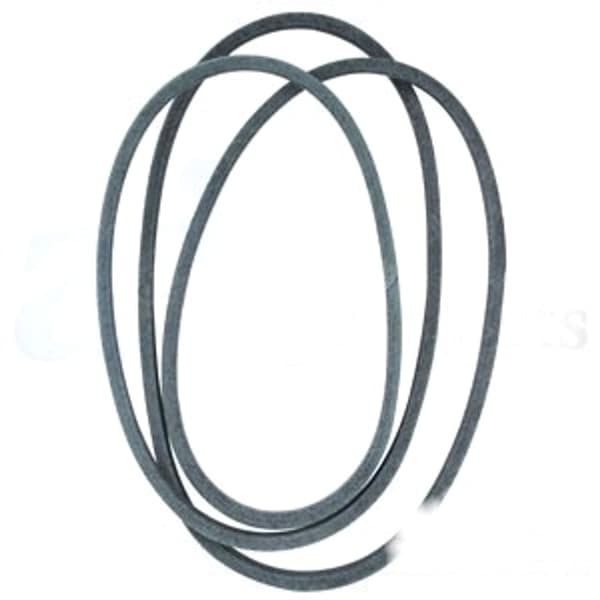
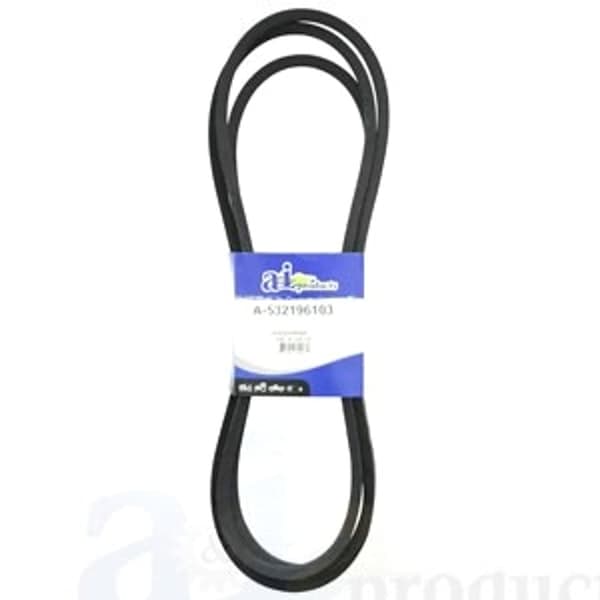
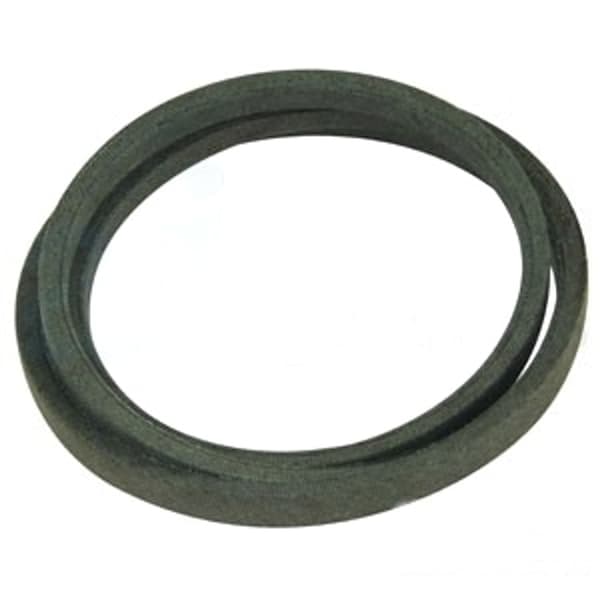
🔍 Looking for a specific part? Try our AI Part Finder — tell it your equipment and what you need, and it will find matching parts instantly.
Rubber Mower Belts: The Standard Choice
Traditional mower belts are made from reinforced rubber compounds, often containing fabric or cord reinforcements to enhance their strength. These belts are commonly used in various lawn mowers, from smaller residential models to larger riding mowers.
Advantages of Rubber Mower Belts
- Cost-Effective: Rubber belts are generally more affordable than Kevlar belts, making them a budget-friendly option for many homeowners.
- Flexibility: Rubber belts are highly flexible, allowing them to navigate tight bends and complex pulley systems within your mower deck.
- Vibration Dampening: The rubber material effectively dampens vibrations, leading to quieter operation and reduced stress on other mower components like spindles, pulleys and bearings.
Disadvantages of Rubber Mower Belts
- Shorter Lifespan: Compared to Kevlar belts, rubber belts are more prone to wear and tear, especially under heavy use or in challenging conditions.
- Susceptible to Stretching: Rubber belts can stretch over time, leading to slippage and reduced cutting performance.
- Heat Sensitivity: High temperatures can cause rubber belts to deteriorate and crack, especially in hot weather or with prolonged use.
When to Choose a Rubber Mower Belt
Rubber belts are suitable for:
- Light to moderate mowing tasks
- Mowers with simple belt configurations
- Budget-conscious consumers
Kevlar Mower Belts: The Durable Alternative
Kevlar mower belts utilize the same high-strength synthetic fiber used in bulletproof vests. This material provides exceptional tensile strength and resistance to stretching, making Kevlar belts significantly more durable than their rubber counterparts.
Advantages of Kevlar Mower Belts
- Superior Durability: Kevlar belts are significantly more resistant to wear, stretching, and cracking compared to rubber belts, resulting in a longer lifespan.
- High Tensile Strength: Kevlar's exceptional tensile strength allows the belt to withstand heavy loads and high-stress conditions without deforming.
- Heat Resistance: Kevlar belts can withstand higher temperatures without degrading, making them ideal for demanding mowing applications.
- Reduced Slippage: The minimal stretching of Kevlar belts ensures consistent power transfer to the blades, resulting in cleaner, more efficient cuts.
Disadvantages of Kevlar Mower Belts
- Higher Cost: Kevlar belts are generally more expensive than rubber belts, reflecting their superior materials and construction.
- Reduced Flexibility: Kevlar belts are less flexible than rubber belts, which could be a factor in mowers with tight bends or complex pulley arrangements.
When to Choose a Kevlar Mower Belt
Kevlar belts are ideal for:
- Heavy-duty mowing tasks
- Mowing large properties or commercial use
- Mowers with high-power engines or demanding belt configurations
- Individuals seeking maximum belt lifespan and performance
Comparing Lifespan: Kevlar vs. Rubber
The lifespan of a mower belt depends on several factors, including usage frequency, mowing conditions, mower model, and belt quality. However, under similar conditions, a Kevlar belt will generally outlast a rubber belt by a significant margin. Some users report that a kevlar mower belt lasts two to three times longer than a standard rubber belt.
Factors Affecting Mower Belt Lifespan
Regardless of whether you choose rubber or Kevlar, several factors can influence the lifespan of your mower belt:
- Proper Installation: Incorrect installation can cause premature wear and failure. Ensure the belt is properly tensioned and aligned with the pulleys.
- Pulley Condition: Worn or damaged pulleys can cause excessive friction and belt wear. Inspect your pulleys regularly and replace them if necessary.
- Debris: Sticks, rocks, and other debris can damage belts. Clear your mowing area of obstacles before mowing.
- Mowing Habits: Avoid sudden stops and starts, and don't overload your mower by cutting excessively tall or thick grass.
- Storage: Store your mower in a dry, sheltered area to protect the belt from the elements.
Belt Maintenance Tips
Following these maintenance tips can extend the life of your mower belts:
- Regular Inspection: Visually inspect your belts for signs of wear, cracks, or fraying. Replace belts as soon as you notice any damage.
- Tension Adjustment: Periodically check the belt tension and adjust as needed according to your mower's manual.
- Pulley Cleaning: Keep pulleys clean and free of debris to ensure smooth belt operation.
- Proper Engagement: Engage and disengage the mower blades smoothly to avoid sudden stress on the belt.
Choosing the Right Belt for Your Mower
When selecting a mower belt, consider the following:
- Mower Model: Refer to your mower's owner's manual for the correct belt size and type. You can often find the part number directly in the manual. We stock belts for many popular brands including John Deere, Craftsman, Cub Cadet, Husqvarna, Toro, Ariens, Murray, Hustler, Scag, Exmark, Ferris, Snapper, Simplicity and Dixie Chopper. We can help you find the right mower belt.
- Mowing Conditions: If you mow frequently, encounter tough terrain, or mow commercially, a Kevlar belt is likely the better choice.
- Budget: If you're on a tight budget and only mow occasionally, a rubber belt may suffice.
For example, if you're replacing a John Deere mower deck belt, consult your John Deere manual or our guide for the correct part number and ensure you choose either a rubber or Kevlar replacement based on your needs. Similarly, if you need to replace a Craftsman 42-inch mower belt, our size chart and replacement guide can help you find the correct belt size and type. And, for those with Cub Cadet mowers, you will want to reference the appropriate parts diagram to ensure proper fitment of the belt.
Remember to consider both deck belts and drive belts. While deck belts transfer power to the cutting blades, John Deere drive belts, for instance, power the transmission. Choosing the right type for each application is essential.
Safety Warning: Always disconnect the spark plug before working on your mower to prevent accidental starting.
Beyond Belts: Other Mower Parts
While belts are a critical component, don't neglect other essential parts of your mower. Regularly inspect and maintain components like blades, spindles, pulleys, filters, spark plugs, bearings, and shear pins. Replacing worn or damaged parts promptly will keep your mower running smoothly and efficiently.
Conclusion: Making the Right Choice
Choosing between a Kevlar mower belt and a rubber mower belt depends on your specific needs and mowing conditions. While rubber belts offer affordability and flexibility, Kevlar belts provide superior durability and longevity. By considering the factors outlined in this guide, you can make an informed decision that ensures optimal performance and extends the life of your lawn mower.
Shop Mower Belts and Parts at Madison Tractor Company
At Madison Tractor Company, we carry a wide selection of high-quality rubber and Kevlar mower belts, along with all the other parts you need to keep your lawn mower running smoothly. Browse our online store or contact our knowledgeable team for assistance in finding the right parts for your machine. We offer fast shipping and competitive prices on all our products. Shop now for mower parts and keep your lawn looking its best!
🔍 Can't Find Your Part?
Use our AI-Powered Part Finder to search by your equipment's make, model, and what you need. It's the fastest way to find the exact part for your machine.
Try the Part Finder →Part of our comprehensive guide
Mower Belt Replacement Guide: Find the Right Belt for Your Mower