








Mower Belt Tensioner Spring Replacement: All Brands
A worn or broken mower belt tensioner spring can lead to belt slippage and poor cutting performance. This guide provides step-by-step instructions on how to diagnose and replace a tensioner spring on various mower brands.
The unsung hero of your mower's cutting performance is often the mower belt tensioner spring. This small but mighty component maintains the proper tension on your deck belts or drive belts, ensuring smooth and efficient operation. When the spring weakens or breaks, your mower belt can slip, leading to uneven cuts or even complete belt failure. This guide will walk you through the process of diagnosing a faulty tensioner spring and replacing it, covering common brands like John Deere, Craftsman, Cub Cadet, Husqvarna, and Toro.
Recommended Parts for This Guide
9 parts we recommend — in stock, ships fast, one-click add to cart.
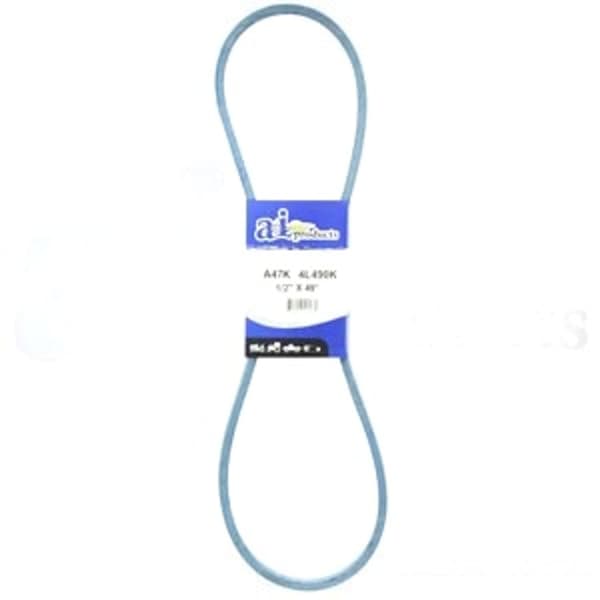
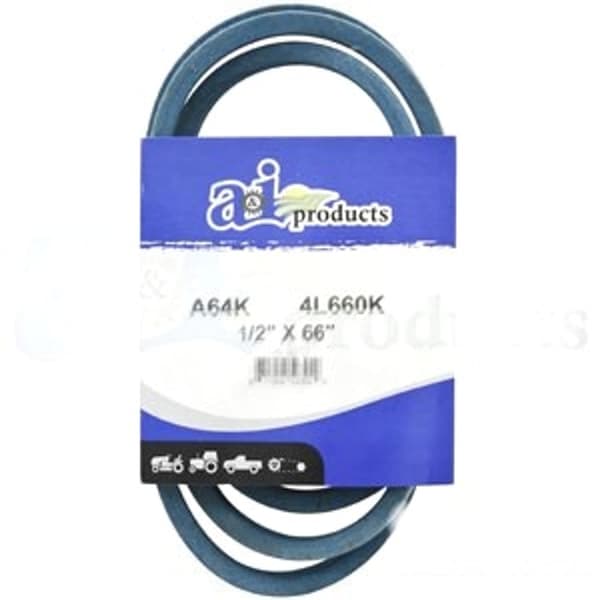
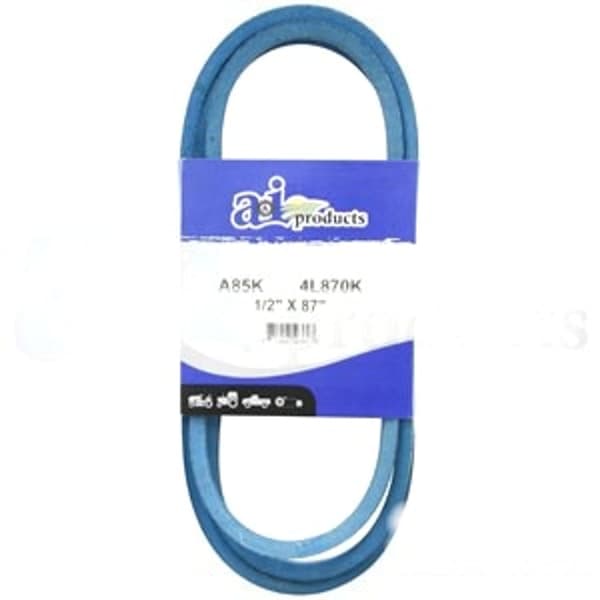
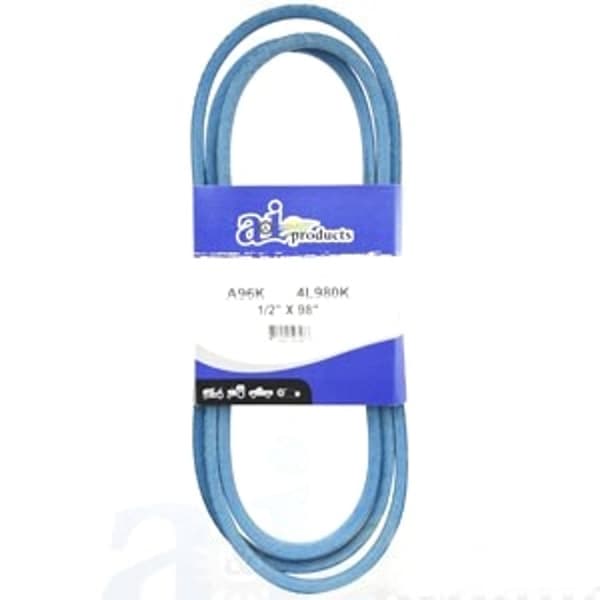
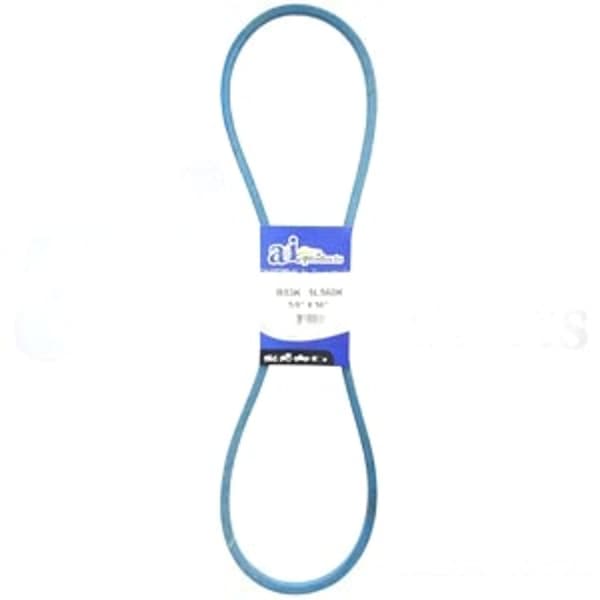
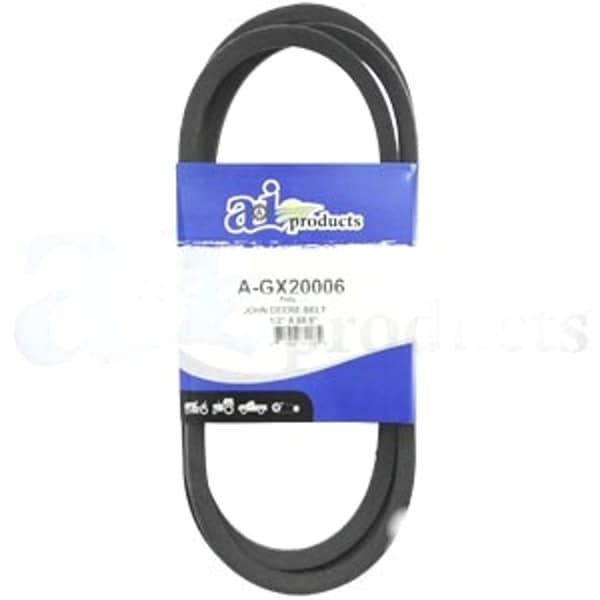
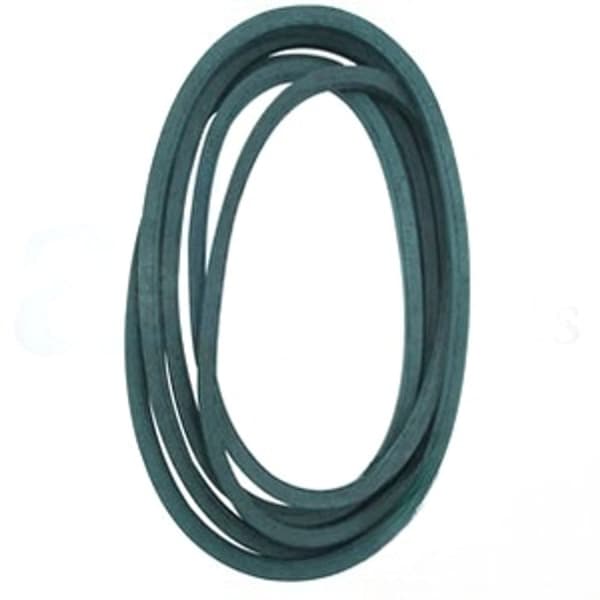
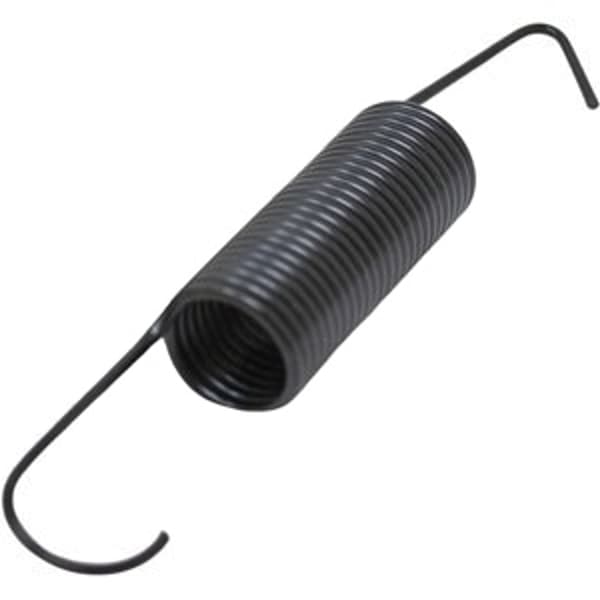
🔍 Looking for a specific part? Try our AI Part Finder — tell it your equipment and what you need, and it will find matching parts instantly.
Understanding Mower Belt Tensioner Springs
A mower belt tensioner spring is responsible for applying pressure to the tensioner pulley or idler pulley. This pulley, in turn, presses against the mower deck belt or drive belt, maintaining the correct tension for optimal performance. Over time, these springs can lose their elasticity due to constant stress, temperature fluctuations, and exposure to the elements. A weakened spring will not provide enough tension, causing the belt to slip. Refer to our main article for more information about Mower Deck Belts & Drive Belts.
Common Symptoms of a Failing Tensioner Spring
- Belt Slippage: This is the most obvious symptom. You may notice the belt squealing, especially when engaging the blades or mowing through thick grass.
- Uneven Cutting: If the belt is slipping, the blades won't spin at the correct speed, resulting in an uneven cut.
- Reduced Mowing Power: A slipping belt reduces the overall power of your mower, making it difficult to cut through tough grass.
- Premature Belt Wear: Slippage generates excessive heat, causing the belt to wear out quickly. Check out our guide to John Deere Mower Deck Belts.
- Visible Damage to the Spring: Inspect the spring for signs of rust, cracks, or stretching. A broken spring is a clear indication of the need for replacement.
Safety First: Preparing for the Replacement
Before you begin any repair work, it's crucial to prioritize safety. Follow these precautions:
- Disconnect the Spark Plug: This prevents accidental starting of the engine. Locate the spark plug wire and pull it off the spark plug. You can find new spark plugs at Madison Tractor.
- Wear Safety Glasses and Gloves: Protect your eyes and hands from debris and sharp edges.
- Allow the Engine to Cool Down: Wait for the engine and exhaust system to cool completely before working on the mower.
- Work on a Level Surface: Ensure the mower is parked on a level surface to prevent it from rolling.
- Refer to Your Owner's Manual: Consult your mower's owner's manual for specific instructions and safety guidelines.
Tools and Materials You'll Need
Having the right tools on hand will make the replacement process much smoother. Here's a list of essential tools and materials:
- New Mower Belt Tensioner Spring: Purchase the correct spring for your specific mower model. Madison Tractor Company carries a wide selection of tensioner springs for various brands.
- Socket Set or Wrenches: You'll need these to remove any bolts or nuts securing the tensioner assembly.
- Pliers: Pliers are useful for manipulating the spring and removing any retaining clips.
- Screwdrivers: A set of screwdrivers (both flathead and Phillips head) may be required to remove covers or other components.
- Belt Removal Tool (Optional): This tool can make it easier to remove the mower belt, especially on mowers with tight belt configurations.
- Jack and Jack Stands (Optional): If you need to access the underside of the mower, a jack and jack stands will provide a safe and stable platform.
- Pen and Paper or Camera: Take pictures or notes of the belt routing and tensioner assembly before disassembly. This will help you reassemble everything correctly.
Step-by-Step Replacement Guide
The following steps provide a general overview of the mower belt tensioner spring replacement process. Keep in mind that the specific procedures may vary depending on your mower's make and model. Always refer to your owner's manual for detailed instructions.
- Remove the Mower Deck (If Applicable): If you're working on a riding mower or zero-turn mower, you'll likely need to remove the mower deck to access the tensioner spring. Refer to your owner's manual for instructions on how to remove the deck. Don't forget to check our guide on Cub Cadet Deck Belt replacement if you have that brand.
- Locate the Tensioner Assembly: The tensioner assembly typically consists of the tensioner pulley, the tensioner arm, and the tensioner spring. It's usually located near the mower deck belt or drive belt.
- Relieve Belt Tension: Before you can remove the tensioner spring, you need to relieve the tension on the belt. This can usually be done by using a wrench or socket to rotate the tensioner arm away from the belt. Some mowers have a release lever or mechanism to simplify this process.
- Remove the Old Spring: Once the belt tension is relieved, you can remove the old tensioner spring. Take note of how the spring is attached to the tensioner assembly. It may be held in place by hooks, loops, or retaining clips. Use pliers or a screwdriver to carefully remove the spring.
- Install the New Spring: Install the new tensioner spring in the same orientation as the old one. Make sure it's securely attached to the tensioner assembly.
- Reinstall the Belt: With the new spring in place, carefully reinstall the mower belt. Ensure that the belt is properly seated in all the pulleys. Consult your notes or photos to ensure correct belt routing. Check our guide to Craftsman 42-Inch Mower Belts for belt routing tips.
- Check Belt Tension: Once the belt is installed, check the belt tension. The belt should have some slack, but not too much. The tensioner spring should provide enough force to keep the belt taut without causing excessive stress on the bearings or pulleys.
- Reinstall the Mower Deck (If Applicable): If you removed the mower deck, reinstall it according to the instructions in your owner's manual.
- Test the Mower: Before using the mower, test it in a safe area. Engage the blades and listen for any unusual noises. Make sure the blades are spinning smoothly and evenly.
Brand-Specific Considerations
While the general replacement process is similar across different brands, there may be some brand-specific nuances to consider. Here's a brief overview:
- John Deere: John Deere mowers often have a more complex tensioner assembly with multiple springs and levers. Pay close attention to the orientation of each component during disassembly. Find John Deere mower parts at Madison Tractor.
- Craftsman: Craftsman mowers tend to be relatively straightforward to work on. However, the belt routing can sometimes be tricky. Take clear photos before removing the belt. You can find Craftsman mower parts at Madison Tractor.
- Cub Cadet: Cub Cadet mowers often use a spring-loaded idler pulley to maintain belt tension. Make sure the idler pulley is free to move smoothly. Find Cub Cadet mower parts at Madison Tractor.
- Husqvarna: Husqvarna mowers may have a different type of tensioner spring, such as a coil spring or a torsion spring. Use the appropriate tool to remove and install the spring. Find Husqvarna mower parts at Madison Tractor.
- Toro: Toro mowers often feature a quick-release tensioner system, making belt replacement easier. However, the tensioner spring can be difficult to access. Find Toro mower parts at Madison Tractor.
- Other Brands: The same principles apply to other brands like Ariens, Murray, Hustler, Scag, Exmark, Ferris, Snapper, Simplicity, and Dixie Chopper. Always consult your owner's manual for specific instructions.
Troubleshooting and Common Issues
Even with careful preparation and execution, you may encounter some issues during the replacement process. Here are some common problems and how to address them:
- Difficulty Removing the Old Spring: If the spring is rusted or corroded, try using a penetrating oil to loosen it up. You may also need to use a pair of pliers or a screwdriver to carefully pry it loose.
- Difficulty Installing the New Spring: If the new spring is too stiff to install by hand, try using a spring compressor or a pair of pliers to stretch it into place.
- Belt Slipping After Replacement: If the belt is still slipping after replacing the spring, make sure the belt is properly routed and that the tensioner pulley is free to move smoothly. You may also need to replace the belt if it's worn or damaged. Check our guide to Toro TimeCutter Belts for tips on belt maintenance.
- Tensioner Pulley Noise: A noisy tensioner pulley may indicate worn bearings. Consider replacing the entire tensioner assembly if the pulley is making excessive noise.
Preventative Maintenance
To extend the life of your mower belt tensioner spring and prevent future problems, follow these preventative maintenance tips:
- Regularly Inspect the Spring: Check the spring for signs of rust, cracks, or stretching. Replace it if you notice any damage.
- Keep the Tensioner Assembly Clean: Remove any debris or buildup from the tensioner assembly to ensure smooth operation.
- Replace the Belt When Necessary: A worn or damaged belt can put extra stress on the tensioner spring. Replace the belt when it shows signs of wear. Madison Tractor carries a wide variety of mower parts including belts, blades, spindles, and pulleys.
- Store Your Mower Properly: Store your mower in a dry, protected area to prevent corrosion and damage to the tensioner spring. Consider replacing filters and other maintenance items while you're at it.
By following these steps and tips, you can successfully replace your mower belt tensioner spring and keep your mower running smoothly for years to come. Remember, a well-maintained mower provides a cleaner cut and a more enjoyable mowing experience.
If you're looking for high-quality mower parts, including mower belt tensioner springs, belts (like the Aramid Blue V-Belt), blades, and more, visit Madison Tractor Company today! We carry parts for all major brands, including John Deere, Craftsman, Cub Cadet, Husqvarna, and Toro. Our knowledgeable staff is ready to help you find the parts you need to keep your mower in top condition. You can also use our AI-Powered Part Finder to search for parts by your specific make and model.
Part of our comprehensive guide
Mower Belt Replacement Guide: Find the Right Belt for Your Mower