








V-Belt Sizes for Lawn Mowers: A, B & 4L Series Guide
Finding the right lawn mower v-belt size is crucial for optimal performance. This guide breaks down the A, B, and 4L series belts, offering practical advice for selecting the correct replacement belt for your lawn mower, whether it's a John Deere, Craftsman, or another brand.
Introduction to Lawn Mower V-Belts
Your lawn mower's v-belts are the unsung heroes that transfer power from the engine to the mower deck (deck belt) to spin the blades, or from the engine to the transmission (drive belt). These belts endure a lot of stress, tension, and exposure to the elements, eventually leading to wear and tear. Knowing the correct lawn mower v belt sizes is essential for efficient operation and preventing costly downtime. This guide will focus on the common A, B, and 4L series belts, helping you understand their differences and how to choose the right one for your machine.
Recommended Parts for This Guide
10 parts we recommend — in stock, ships fast, one-click add to cart.
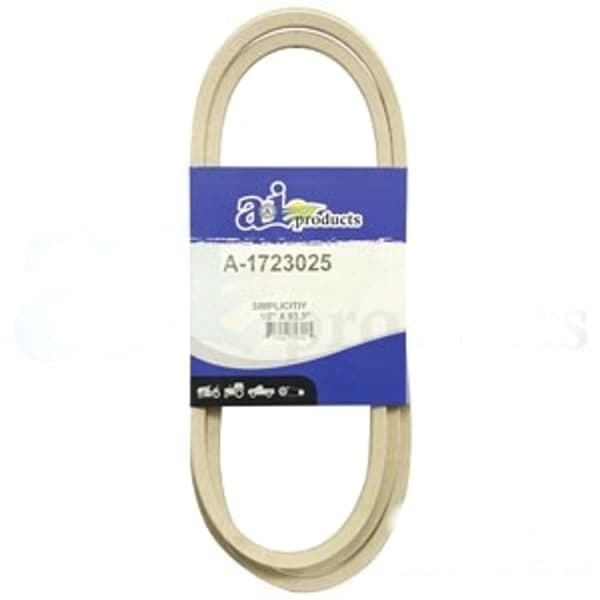
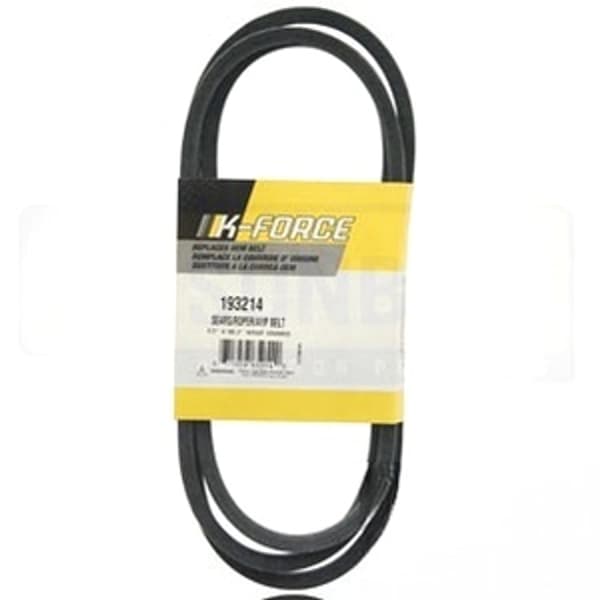
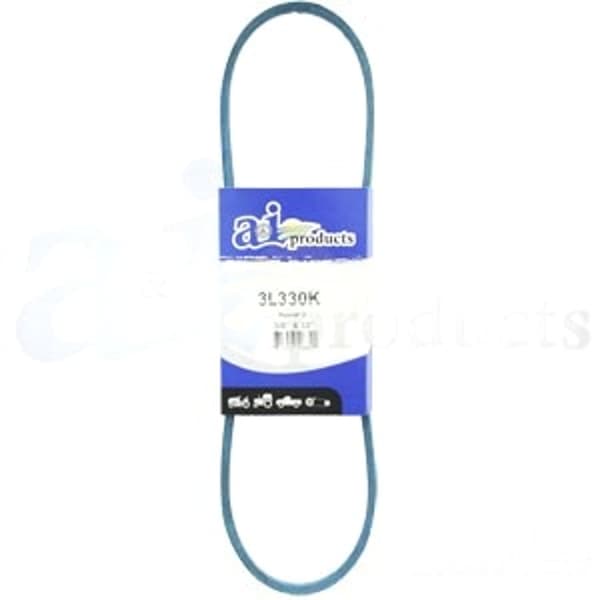
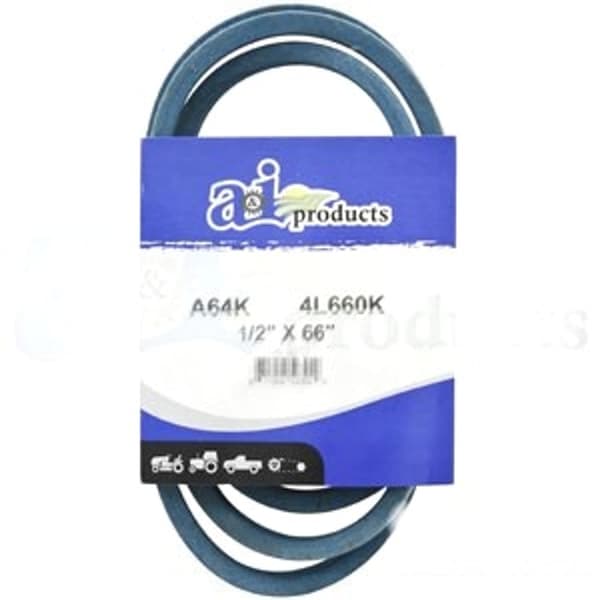
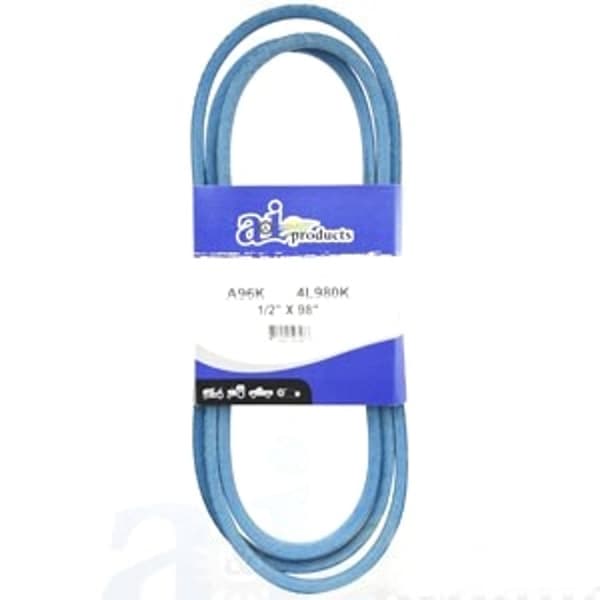
🔍 Looking for a specific part? Try our AI Part Finder — tell it your equipment and what you need, and it will find matching parts instantly.
At Madison Tractor Company, we stock a wide range of high-quality v-belts to keep your equipment running smoothly. Whether you need a deck belt for your John Deere or a drive belt for your Craftsman, we have you covered.
Before we delve into the specific belt sizes, remember that safety is paramount. Always disconnect the spark plug before performing any maintenance on your lawn mower.
Understanding V-Belt Series: A, B, and 4L
V-belts are classified by a series of letters and numbers indicating their dimensions. The most common series for lawn mowers are A, B, and 4L. Here’s a breakdown:
- A-Series: A-series belts are a standard duty belt with a top width of 1/2 inch. They are typically used on smaller to mid-sized lawn mowers.
- B-Series: B-series belts are heavier duty with a top width of 21/32 inch (approximately 0.66 inches). They are often found on larger riding mowers and zero-turn mowers where more power transmission is needed.
- 4L-Series: 4L-series belts are fractional horsepower (FHP) belts, meaning they are designed for lighter duty applications. They have a top width of 1/2 inch, identical to the A-series. However, the 4L series is often measured by its outside circumference (OC) instead of its inside circumference (IC).
Decoding V-Belt Numbers: Length Matters
After the letter designating the series (A, B, or 4L), you'll find a number. This number indicates the belt's length. For A and B series belts, the number typically represents the inside circumference (IC) in inches. For example, an A41 belt is an A-series belt with an inside circumference of 41 inches. For 4L series belts, the number usually represents the outside circumference (OC) in inches.
It's crucial to measure correctly. Using the wrong length can cause slippage, premature wear, or even damage to your equipment. Always consult your owner's manual for the specified belt size for your specific Toro, Cub Cadet, Husqvarna, or other mower brand.
How to Find the Right V-Belt Size for Your Lawn Mower
- Consult Your Owner's Manual: This is the most reliable method. Your mower's manual will specify the exact belt size and type required for your model.
- Check the Old Belt (If Available): If the old belt is still intact, look for the part number or size markings printed on it. These markings often include the series (A, B, or 4L) and the length. Keep in mind that the markings may be faded or worn.
- Measure the Old Belt: If the markings are illegible or the belt is broken, you can attempt to measure it.
- For A and B Belts: Use a flexible measuring tape to measure the inside circumference (IC) of the belt. If the belt is broken, lay it out flat and measure the total length, then subtract the estimated overlap to account for the original circumference. This method is less accurate but can provide a close approximation.
- For 4L Belts: Measure the outside circumference (OC) of the belt using a flexible measuring tape. Again, if broken, lay flat and measure, estimating where it would connect.
- Use a Belt Measuring Tool: Specialized belt measuring tools are available for more accurate measurements. These tools are relatively inexpensive and can be found at most auto parts stores or online.
- Contact Madison Tractor Company: If you're unsure, our experienced parts specialists can help you identify the correct belt size for your specific lawn mower model. Have your model and serial number ready.
Common Lawn Mower Belt Applications by Brand
While specific models vary, here are some general guidelines for belt types across common lawn mower brands. Remember to always verify the exact requirement with your owner's manual or a parts specialist.
- John Deere: John Deere mowers often use a mix of A and B series belts depending on the model and application. Some require specific OEM belts, so refer to our guide to John Deere mower deck belt OEM part numbers.
- Craftsman: Craftsman mowers often use A and 4L series belts, especially on 42-inch models. Check out our Craftsman 42-inch mower belt replacement guide for more information. Craftsman riding mower drive belts also utilize similar sizing conventions.
- Cub Cadet: Cub Cadet uses a range of belts, including A, B, and specialized belts. See our Cub Cadet deck belt replacement guide for help finding the correct belt. The Cub Cadet LT1045 model uses specific belt sizes, so consult that resource if applicable.
- Husqvarna: Husqvarna mowers utilize both A and B series belts, as detailed in our Husqvarna mower belt size chart.
- Toro: Toro TimeCutter mowers may use A or B series belts, depending on the deck size and model. Consult our Toro TimeCutter belt replacement guide for model-specific information.
- Ariens, Murray, Hustler, Scag, Exmark, Ferris, Snapper, Simplicity, Dixie Chopper: These brands also utilize A, B, and 4L series belts. Refer to your owner's manual or contact us for specific belt requirements.
Beyond Belts: Other Essential Lawn Mower Parts
While replacing your v-belt, it's a good time to inspect other critical components:
- Blades: Sharpen or replace worn or damaged blades for a clean cut.
- Spindles: Check for play or roughness in the spindles, and replace if necessary.
- Pulleys: Inspect pulleys for wear or damage, as these can cause premature belt wear.
- Filters: Replace air and fuel filters to maintain engine performance.
- Spark Plugs: Replace spark plugs annually for optimal starting and running.
- Bearings: Greasing or replacing bearings can extend the life of spindles and pulleys.
- Shear Pins (for snow blowers): Ensure you have spare shear pins for your snow blower to protect the auger.
Troubleshooting Common V-Belt Problems
- Belt Slippage: This can be caused by a worn belt, incorrect belt size, or worn pulleys.
- Belt Squealing: Often indicates a loose belt or misaligned pulleys.
- Premature Belt Wear: Can be caused by worn pulleys, incorrect belt tension, or debris in the belt path.
- Belt Breaking: Often results from excessive wear, misalignment, or using the wrong type of belt for the application.
Addressing these issues promptly can prevent further damage and keep your lawn mower running smoothly. Remember to consult our guides to John Deere drive belts, Craftsman riding mower drive belts or other brand-specific information for drive belt related issues.
Shop Lawn Mower V-Belts and Parts at Madison Tractor Company
Finding the right lawn mower v belt sizes is essential for maintaining your equipment's performance and longevity. At Madison Tractor Company, we offer a comprehensive selection of high-quality v-belts, blades, spindles, and other essential parts for all major brands, including John Deere, Craftsman, Cub Cadet, Husqvarna, Toro, and more. Our knowledgeable staff is ready to assist you in finding the perfect parts for your needs. Browse our online catalog or contact us today to keep your lawn mower running at its best! You can also use our AI-Powered Part Finder to search for parts by your specific make and model.
Part of our comprehensive guide
Mower Belt Replacement Guide: Find the Right Belt for Your Mower