








Lawn Tractor Ground Drive Belt: Sizes & Part Numbers
The ground drive belt on your lawn tractor is critical for transferring power from the engine to the transmission. This guide helps you find the right belt size, identify part numbers, and safely replace it yourself, keeping your tractor moving.
The lawn tractor ground drive belt, also known as the transmission belt or drive belt, is a vital component that transfers power from your engine to the transmission. Without a properly functioning drive belt, your lawn tractor simply won't move. Understanding how to identify the correct belt, find its part number, and perform a replacement is crucial for maintaining your machine and avoiding costly repairs. This guide will walk you through everything you need to know.
Recommended Parts for This Guide
10 parts we recommend — in stock, ships fast, one-click add to cart.
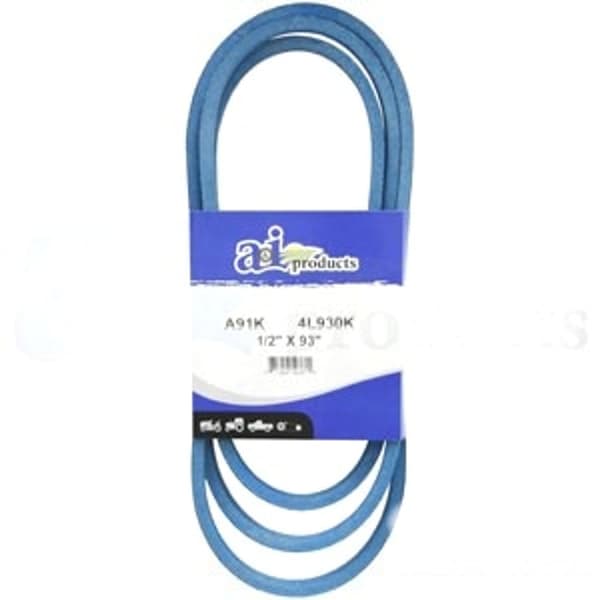
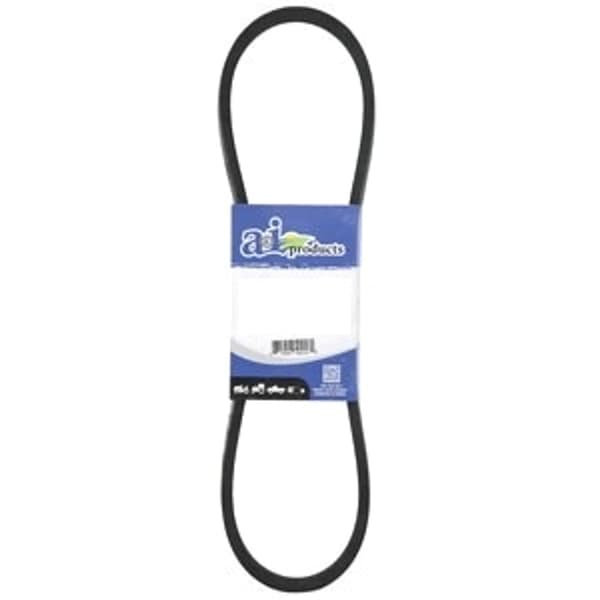
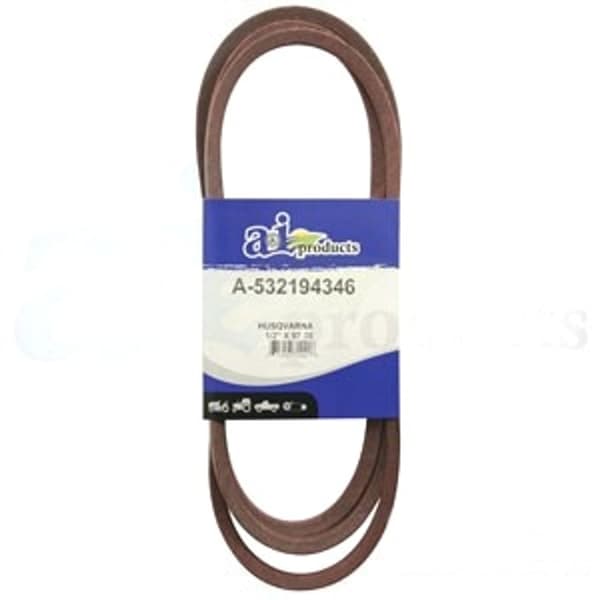
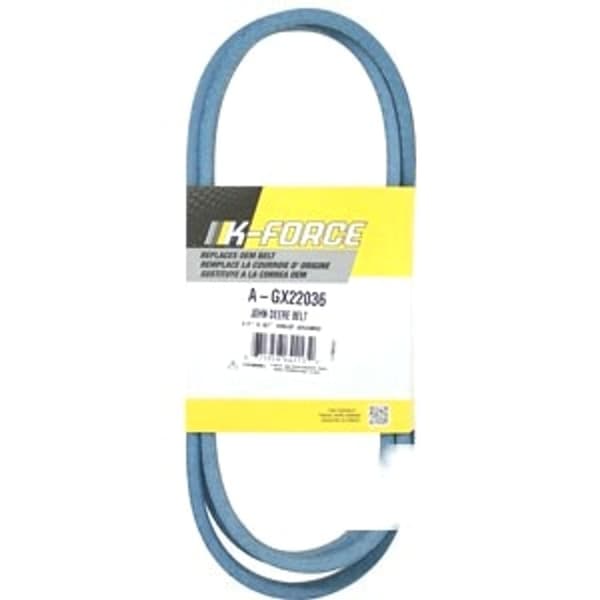
🔍 Looking for a specific part? Try our AI Part Finder — tell it your equipment and what you need, and it will find matching parts instantly.
Understanding the Ground Drive Belt
Unlike the mower deck belt, which powers the blades, the ground drive belt is responsible for propelling the tractor forward and backward. It's a heavy-duty belt designed to withstand the stress of transmitting engine power to the transmission. Over time, this belt can wear out, crack, stretch, or even break due to age, heavy use, or exposure to the elements.
Common Symptoms of a Worn Drive Belt:
- Slipping: The tractor moves slowly or struggles to climb hills.
- Squealing: A high-pitched noise coming from the engine area.
- Jerky Movement: Uneven or inconsistent speed.
- Complete Loss of Drive: The tractor won't move at all.
- Visible Damage: Cracks, fraying, or missing chunks of the belt.
Identifying the Correct Belt Size
Finding the right size lawn tractor ground drive belt is crucial for proper operation. An incorrectly sized belt can slip, wear out prematurely, or even damage other components. Here's how to determine the correct size:
- Consult Your Owner's Manual: This is the first and most reliable source for finding the correct belt size and part number for your specific model.
- Check the Existing Belt (If Possible): If the old belt is still intact, you might find a part number or size printed on it. This is usually a series of numbers and letters that indicate the belt's length, width, and type.
- Use Online Part Finders: Many online parts retailers, including Madison Tractor, have part finder tools where you can enter your mower's make and model to find compatible belts.
- Measure the Belt (Use Caution!): If all else fails, you can measure the old belt. Important Safety Warning: Disconnect the spark plug wire before working on your mower to prevent accidental starting. Lay the belt flat and measure its outside circumference using a flexible measuring tape. If the belt is broken, carefully measure the path the belt takes around the pulleys to estimate the length.
When searching for a new belt, pay attention to the following measurements:
- Length: The overall circumference of the belt.
- Width: The width of the belt.
- Angle: The angle of the V-shaped profile of the belt (affects how it sits in the pulleys).
- Type: Indicates the belt's construction and materials. Most lawn tractor drive belts are heavy-duty V-belts designed for high torque and heat resistance.
Finding the Right Part Number
While knowing the belt size is helpful, the easiest way to ensure you're getting the correct replacement is to find the OEM (Original Equipment Manufacturer) part number. This number is specific to your tractor model and guarantees a perfect fit.
Where to Find the Part Number:
- Owner's Manual: Again, your manual is your best friend.
- Online Parts Diagrams: Many manufacturers and retailers offer online parts diagrams that show exploded views of your mower and list the part numbers for each component.
- Madison Tractor Website: Use our search function to find parts for your specific make and model.
Examples of Common Lawn Tractor Brands and Part Number Resources:
- John Deere: Refer to your owner's manual or the John Deere parts website. See our article about John Deere drive belts for more information.
- Craftsman: : Check your Craftsman owner's manual or Sears PartsDirect. You can also find helpful information in our guide about Craftsman riding mower drive belts and Craftsman 42-inch mower belts.
- Cub Cadet: Use the Cub Cadet website or refer to your owner's manual. Check out our article on Cub Cadet deck belts and Cub Cadet LT1045 belts for specific models.
- Husqvarna: Consult your Husqvarna owner's manual or the Husqvarna website. Don't forget to check our Husqvarna mower belt size chart for common sizes.
- Toro: Use the Toro website or refer to your owner's manual. See our guide on Toro TimeCutter belt replacements for more help.
- Ariens, Murray, Hustler, Scag, Exmark, Ferris, Snapper, Simplicity, Dixie Chopper: Search available parts
Replacing the Ground Drive Belt: A Step-by-Step Guide
Replacing a lawn tractor ground drive belt is a relatively straightforward process that most homeowners can handle with basic tools. However, safety should always be your top priority.
Tools You'll Need:
- New ground drive belt (correct part number)
- Socket set or wrenches
- Pliers
- Screwdrivers (Phillips and flathead)
- Gloves
- Safety glasses
- Jack (optional, for easier access)
- Wheel chocks (if using a jack)
Step-by-Step Instructions:
- Safety First! Disconnect the spark plug wire and engage the parking brake. If using a jack, chock the wheels to prevent movement.
- Remove the Mower Deck: Refer to your owner's manual for specific instructions on removing the mower deck. This will provide better access to the drive belt area.
- Locate the Drive Belt: The drive belt runs from the engine pulley to the transmission pulley. It may be partially hidden by covers or guards.
- Release Belt Tension: Most tractors have a tensioner pulley that keeps the drive belt tight. Some tensioners have a spring-loaded arm that needs to be pulled back. Use a wrench or socket to loosen the tensioner and create slack in the belt.
- Remove the Old Belt: Carefully remove the old belt from the pulleys. Note the routing of the belt around the pulleys, as you'll need to follow the same path with the new belt. Taking a picture before removal can be helpful.
- Install the New Belt: Route the new belt around the pulleys, following the same path as the old belt. Ensure the belt is properly seated in the grooves of each pulley.
- Adjust Belt Tension: Re-engage the tensioner pulley to apply the correct tension to the belt. The belt should be snug but not overly tight.
- Reinstall the Mower Deck: Reattach the mower deck according to the instructions in your owner's manual.
- Reconnect the Spark Plug Wire: Reconnect the spark plug wire.
- Test the Tractor: Start the engine and test the tractor's movement in both forward and reverse. Ensure the belt is not slipping or making excessive noise.
Troubleshooting Tips:
- Belt Slipping: Check the belt tension and ensure the belt is properly seated in the pulleys. Also, inspect the pulleys for damage or wear.
- Belt Coming Off: Ensure the belt is routed correctly and the tension is properly adjusted. Also, check for bent or misaligned pulleys.
- Difficult to Install: Make sure you have the correct belt size and part number. If the belt is too tight, double-check the routing and tensioner adjustment.
Maintenance and Prevention
Proper maintenance can significantly extend the life of your lawn tractor ground drive belt and prevent unexpected breakdowns. Here are some tips:
- Regularly Inspect the Belt: Check the belt for cracks, fraying, or wear during routine maintenance.
- Keep Pulleys Clean: Remove any debris or buildup from the pulleys to prevent slippage and premature wear.
- Adjust Belt Tension: Periodically check and adjust the belt tension as needed.
- Avoid Overloading: Don't push your tractor beyond its limits, as this can put excessive strain on the drive belt.
- Store Properly: Store your tractor in a dry, sheltered location to protect the belt from the elements.
Remember to also regularly inspect and replace other wear items like blades, spindles, pulleys, filters, spark plugs, bearings, and shear pins.
Shop Lawn Tractor Parts at Madison Tractor
At Madison Tractor Company, we carry a wide selection of high-quality lawn tractor ground drive belts and other parts for all major brands, including John Deere, Craftsman, Cub Cadet, Husqvarna, and more. Our knowledgeable staff can help you find the right part for your specific model. Shop our online store today for competitive prices and fast shipping to get your lawn tractor back up and running! You can also use our AI-Powered Part Finder to search for parts by your specific make and model.
Part of our comprehensive guide
Mower Belt Replacement Guide: Find the Right Belt for Your Mower