








OEM vs Aftermarket Mower Belts: Quality & Price Comparison
Choosing the right mower belt is crucial for peak performance and longevity of your lawn equipment. Explore the pros and cons of OEM (Original Equipment Manufacturer) and aftermarket belts to make an informed decision.
OEM vs. Aftermarket mower belts: A Practical Guide
When your mower deck belt snaps or your drive belt starts slipping, you're faced with a choice: replace it with an OEM (Original Equipment Manufacturer) belt or an aftermarket alternative. Both options have their advantages and disadvantages, and understanding these differences is key to making the best decision for your lawn mower and your wallet. At Madison Tractor Company, we offer a wide selection of both OEM and aftermarket parts for all major brands, including John Deere, Craftsman, Cub Cadet, Husqvarna, Toro, and many more. We’re here to help you navigate this decision.
Recommended Parts for This Guide
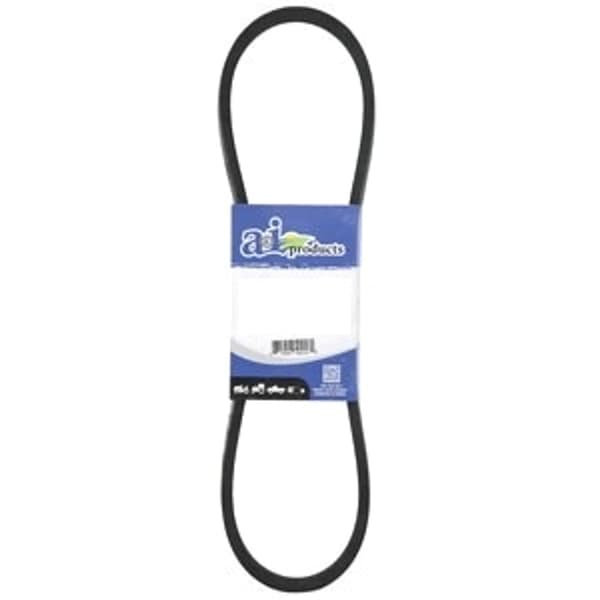
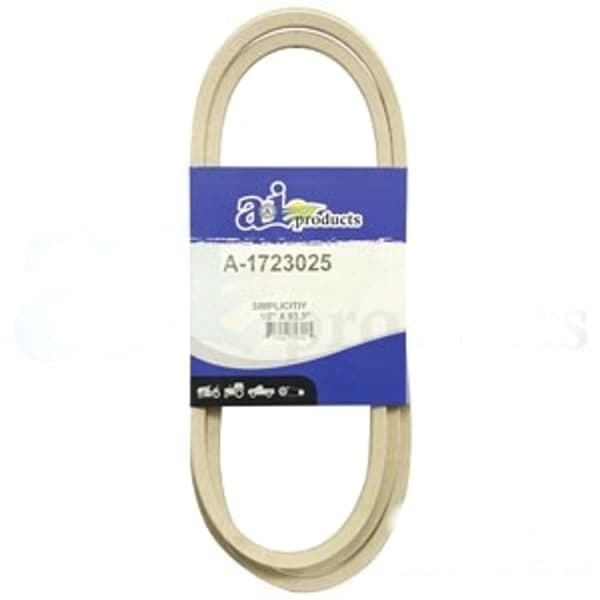
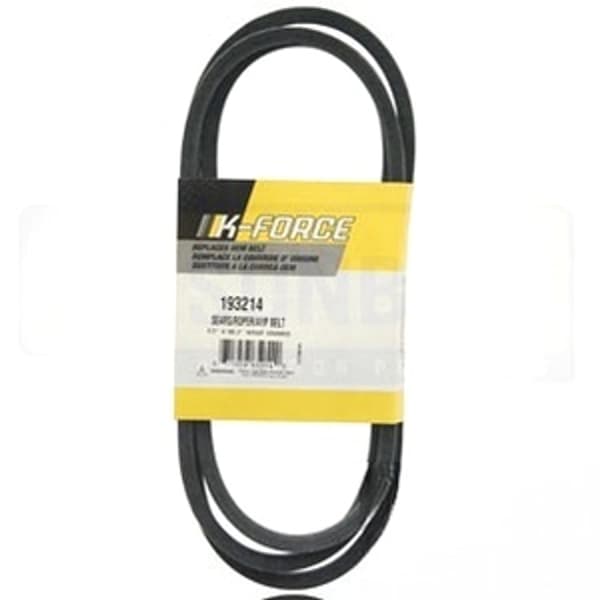
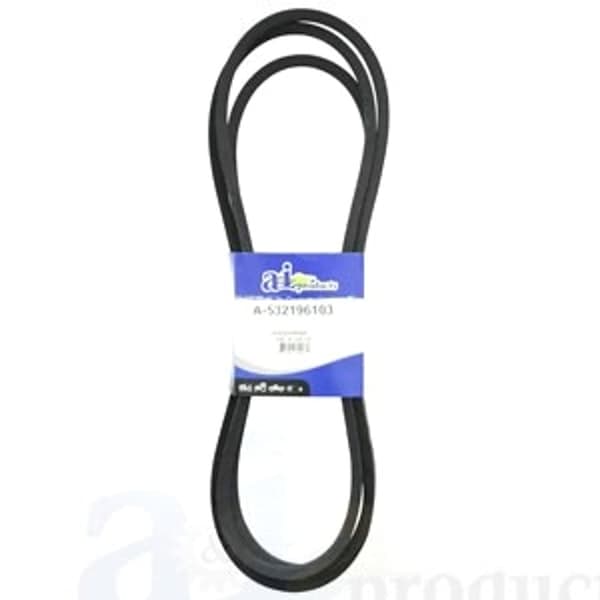
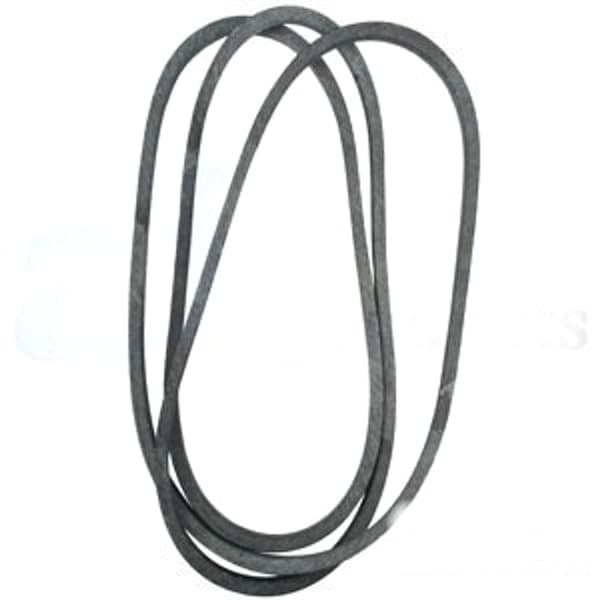
9 parts we recommend — in stock, ships fast, one-click add to cart.
🔍 Looking for a specific part? Try our AI Part Finder — tell it your equipment and what you need, and it will find matching parts instantly.
What are OEM Mower Belts?
OEM belts are manufactured by or for the original equipment manufacturer – the company that built your mower. For instance, if you own a John Deere, an OEM belt would be a John Deere-branded belt, made to their exact specifications. These belts are designed to be a perfect fit and provide optimal performance for your specific mower model. This precision extends to the materials used, the belt's construction, and even the tolerances for stretching and wear.
Advantages of OEM Belts:
- Exact Fit: Guarantees proper tension and alignment, reducing wear and tear on other components like spindles and pulleys. A poorly fitting belt can cause excessive vibration and premature failure of other parts.
- Reliable Performance: Designed to handle the specific demands of your mower, ensuring consistent cutting performance and preventing slippage.
- Durability: Often made with higher-quality materials, leading to a longer lifespan.
- Warranty Compatibility: Using OEM parts typically ensures your mower's warranty remains valid. Using aftermarket parts *may* void your warranty, depending on the manufacturer's terms. Always check your warranty documentation.
- Peace of Mind: Knowing you're using the same quality parts as the original gives you confidence in your mower's performance.
What are Aftermarket Mower Belts?
Aftermarket mower belts are produced by third-party manufacturers. These belts are designed to be compatible with a wide range of mower models and brands. Aftermarket belts are often more affordable than OEM options, but quality can vary significantly.
Advantages of Aftermarket Belts:
- Cost-Effective: Generally less expensive than OEM belts, making them an attractive option for budget-conscious consumers.
- Availability: Often easier to find, especially for older or less common mower models.
- Potential for Upgrades: Some aftermarket manufacturers offer belts with enhanced features, such as increased heat resistance or improved tensile strength.
Disadvantages of Aftermarket Belts:
- Variable Quality: Quality can range from excellent to poor. It's essential to research brands and read reviews before purchasing.
- Fit Issues: May not fit as precisely as OEM belts, potentially leading to slippage, vibration, and premature wear. Double-check the dimensions and belt type against your mower's specifications.
- Reduced Lifespan: Lower-quality materials can result in a shorter lifespan compared to OEM belts.
- Potential Compatibility Problems: Ensure the belt is specifically designed for your mower model. A generic belt might not handle the load and stress properly, leading to early failure.
Quality Comparison: OEM vs. Aftermarket
The key difference between OEM and aftermarket belts lies in the quality of materials and manufacturing processes. OEM belts are typically made with higher-grade rubber compounds and reinforced with stronger cords. This results in a belt that is more resistant to stretching, cracking, and abrasion. The cords inside the belt are extremely important, and can be made of aramid fiber (Kevlar), polyester, or other materials. Aramid fiber belts are stronger and more heat resistant than polyester belts, and are often found on higher-end mowers or as an upgrade in the aftermarket.
Aftermarket belts, on the other hand, may use lower-quality materials to reduce costs. This can lead to premature failure, especially in demanding conditions. However, there are reputable aftermarket brands that produce high-quality belts that rival OEM performance. These brands often use advanced materials and manufacturing techniques to ensure durability and reliability. When shopping for aftermarket belts, look for brands known for their quality and read customer reviews.
Price Comparison: Finding the Best Value
Price is often a major factor in the decision-making process. Aftermarket belts are generally cheaper than OEM belts, sometimes significantly so. However, it's important to consider the total cost of ownership. A cheaper belt that needs to be replaced more frequently may end up costing more in the long run than a more durable OEM belt.
Consider this scenario: An OEM belt for a John Deere mower deck costs $40 and lasts for two seasons. An aftermarket belt costs $25 but only lasts for one season. Over two seasons, you'll spend $40 on the OEM belt versus $50 on the aftermarket belts. In this case, the OEM belt offers better value.
Choosing the Right Belt: Factors to Consider
Here are some factors to consider when choosing between an OEM and aftermarket mower belt:
- Mower Type and Usage: If you have a high-end mower like a Hustler, Scag, Exmark, Ferris, Snapper, Simplicity, or Dixie Chopper and use it frequently for heavy-duty applications, an OEM belt is likely the best choice. For lighter-duty applications, a high-quality aftermarket belt may suffice.
- Budget: If you're on a tight budget, an aftermarket belt can be a viable option, but be sure to research the brand and read reviews.
- Warranty: Check your mower's warranty to see if using aftermarket parts will void it.
- Availability: If you need a belt urgently and the OEM part is not readily available, an aftermarket belt may be your only option.
- Specific Brands & Models: For some mowers, like the Cub Cadet LT1045, certain aftermarket belts are known to work well. Refer to online forums or consult with a mechanic for recommendations. You can also look up sizing charts for common models like Craftsman 42-inch mowers or Husqvarna mowers to ensure proper fit. Don't forget that there are separate belts for the drive system and the mower deck. For example, if you're working on a Craftsman riding mower drive belt issue, you'll need a different type of belt than for the deck. The Toro TimeCutter, for instance, has unique belt configurations for both drive and deck systems.
Installation Tips and Safety
Regardless of whether you choose an OEM or aftermarket belt, proper installation is crucial for optimal performance and safety.
Safety First!
- Disconnect the Spark Plug: Before working on your mower, always disconnect the spark plug wire to prevent accidental starting.
- Wear Gloves: Protect your hands from sharp edges and grease.
- Refer to Your Owner's Manual: Consult your mower's owner's manual for specific instructions on belt replacement.
Installation Steps:
- Remove the Old Belt: Carefully remove the old belt, noting its routing around the pulleys. Take a picture if needed.
- Inspect Pulleys and Spindles: Check the pulleys and spindles for wear, damage, or debris. Replace worn or damaged parts as needed. Common replacement parts include spindles, pulleys, blades, and bearings.
- Install the New Belt: Route the new belt according to the diagram in your owner's manual or the picture you took.
- Ensure Proper Tension: Adjust the belt tension according to your mower's specifications.
- Test the Mower: Start the mower and engage the blades to ensure the belt is running smoothly and there is no slippage or excessive vibration.
Maintaining Your Mower Belt for Longevity
Proper maintenance can significantly extend the life of your mower belt, whether it's OEM or aftermarket. Regularly inspect the belt for signs of wear, such as cracks, fraying, or glazing. Keep the pulleys and spindles clean and free of debris. Avoid overloading the mower by cutting tall grass or weeds at too low of a setting.
Also, keep an eye on your mower deck belts for wear and tear, and address any issues promptly. For drive belts, especially on models like John Deere, regular inspection is key to preventing unexpected breakdowns.
Don't Forget Other Essential Parts
While you're replacing your mower belt, it's a good idea to inspect other wear items. This includes blades, air filters, spark plugs, fuel filters, and shear pins (on snow blowers and some mowers). Regular replacement of these parts will keep your mower running smoothly and efficiently. Regularly changing your mower's oil and oil filter is also crucial.
Conclusion
Choosing between an OEM and aftermarket mower belt depends on your specific needs, budget, and the demands you place on your mower. OEM belts offer guaranteed fit and performance, while aftermarket belts can be a more cost-effective option. By carefully considering the factors outlined in this guide, you can make an informed decision that will keep your mower running smoothly for years to come.
Shop Mower Parts at Madison Tractor Company
At Madison Tractor Company, we're committed to providing our customers with high-quality OEM and aftermarket parts at competitive prices. Browse our extensive selection of mower belts, blades, spindles, pulleys, and other essential parts for all major brands. Our knowledgeable staff is always available to answer your questions and help you find the right parts for your needs. Shop with confidence at Madison Tractor Company and keep your lawn equipment running at its best! You can also use our AI-Powered Part Finder to search for parts by your specific make and model.
Part of our comprehensive guide
Mower Belt Replacement Guide: Find the Right Belt for Your Mower