








Dixie Chopper Belt Part Numbers: Classic & Magnum
Replacing a worn-out belt on your Dixie Chopper is crucial for maintaining peak performance. This guide will help you identify the correct belt part number, understand different belt types, and provide helpful tips for a smooth replacement.
Dixie Chopper mowers are known for their robust construction and exceptional cutting performance, making them a favorite among landscaping professionals and homeowners with large properties. A key component in maintaining that performance is the condition of your belts – especially the deck and drive belts. A worn or damaged dixie chopper belt can significantly impact your mower's ability to cut cleanly and efficiently, or even prevent it from moving altogether. This guide will walk you through understanding Dixie Chopper belt part numbers, identifying the correct belt for your model, and providing tips for replacement.
Recommended Parts for This Guide
10 parts we recommend — in stock, ships fast, one-click add to cart.
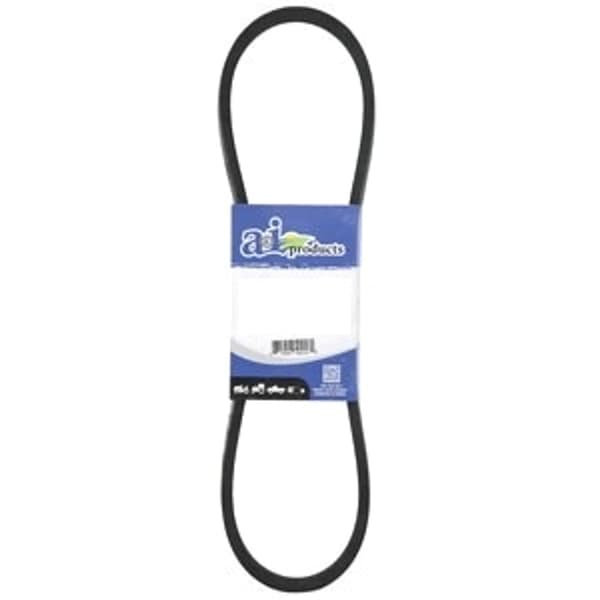
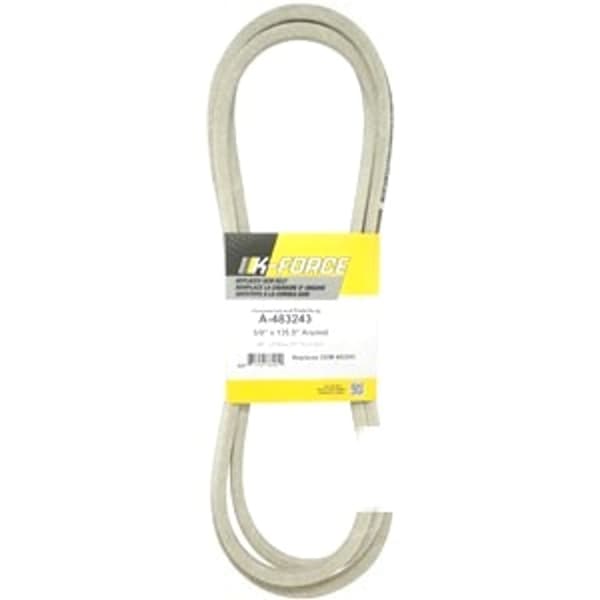
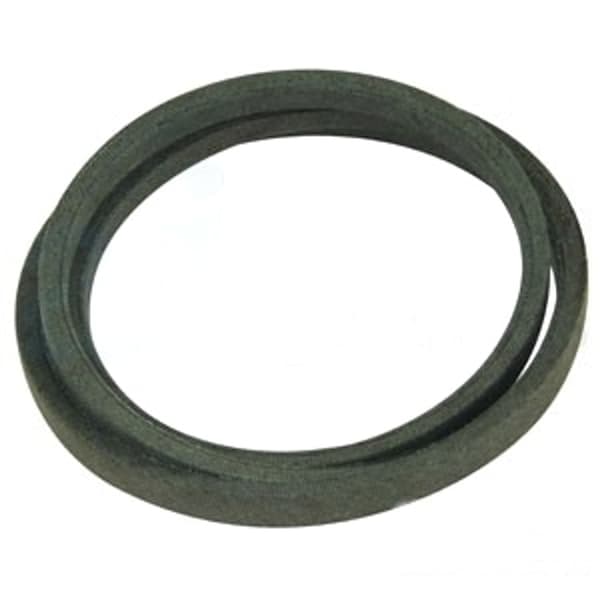
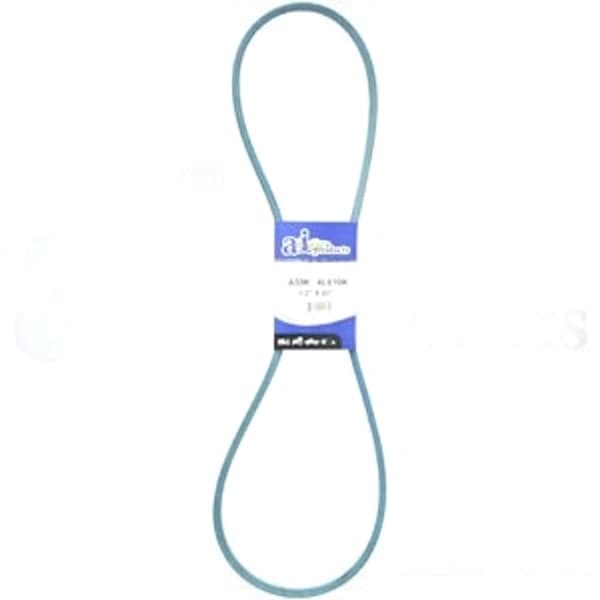
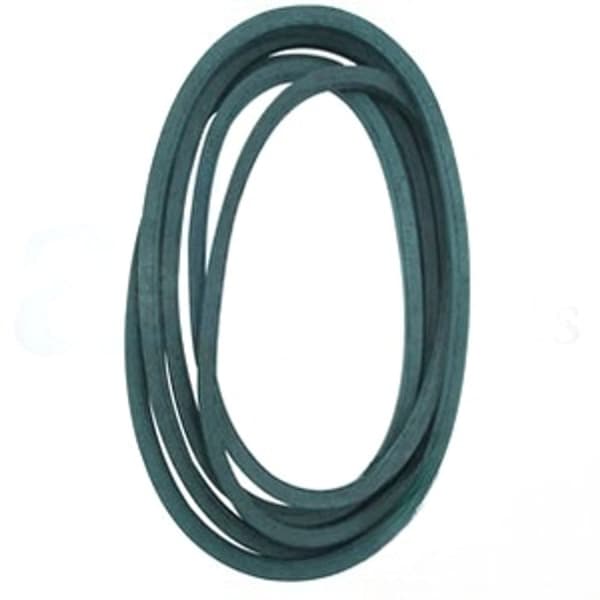
🔍 Looking for a specific part? Try our AI Part Finder — tell it your equipment and what you need, and it will find matching parts instantly.
Understanding Dixie Chopper Belt Types
Dixie Chopper mowers utilize different types of belts depending on their function. Knowing the difference is key to ordering the correct replacement.
- Deck Belts: These belts connect the engine to the mower deck spindles, transferring power to rotate the blades. Often, multiple deck belts are used on wider cutting decks.
- Drive Belts: Also called transmission belts, these connect the engine to the transmission, providing the power to move the mower.
- Pump Drive Belts: In hydrostatic drive models, a belt connects the engine to the hydraulic pumps.
Identifying the specific type of belt you need is the first step in finding the correct replacement part.
Locating Your Dixie Chopper Model Number
Before you can determine the correct belt part number, you'll need to know your Dixie Chopper's model number. This information is typically found on a sticker or plate located on the mower frame. Common locations include:
- Under the seat
- On the frame near the engine
- On the mower deck
Once you find the model number, write it down – this is essential for finding the correct parts.
Finding the Correct Dixie Chopper Belt Part Number
With your model number in hand, you have several options for finding the correct belt part number:
- Owner's Manual: The owner's manual is the best resource for finding the correct part numbers for your specific model. Look for a parts diagram or a list of replacement parts.
- Dixie Chopper Website: The official Dixie Chopper website (or your local dealer's site) often has a parts lookup tool where you can enter your model number and find corresponding part numbers.
- Madison Tractor Website: Use our website's search function to search by model number or part name. We carry a wide range of belts compatible with Dixie Chopper mowers, as well as parts from John Deere, Craftsman, Cub Cadet, Husqvarna, Toro, Ariens, Murray, Hustler, Scag, Exmark, Ferris, Snapper, and Simplicity.
- Consult a Parts Expert: If you're having trouble finding the right part number, contact our team at Madison Tractor. We can help you identify the correct belt based on your model number and mower specifications.
Common Dixie Chopper Belt Part Numbers
While specific part numbers vary greatly depending on the model and year, here are a few examples of commonly searched Dixie Chopper belt part numbers. Note that these are examples only and may not be correct for your machine.
- Deck Belt: 2005B108R
- Deck Belt: 2005B122R
- Drive Belt: 2005B124R
- Pump Belt: 2005B109R
Important Note: Always double-check the part number against your mower's manual or a reliable parts lookup tool to ensure compatibility.
Measuring Your Old Belt (When Part Number is Unavailable)
If you can't find the part number, you can measure your old belt to get a replacement. Follow these steps carefully:
- Safety First: Disconnect the spark plug wire to prevent accidental starting.
- Remove the Belt: Carefully remove the old belt from the mower. Take pictures or make a diagram of how the belt is routed around the pulleys. This will be helpful during installation.
- Measure the Belt: Use a flexible measuring tape to measure the outside circumference of the belt. For width, use a caliper or ruler to measure the belt's width.
- Determine Belt Type: Note the belt's construction. Is it a standard V-belt, a Kevlar-reinforced belt, or a banded belt?
Once you have these measurements and the belt type, you can search for a replacement belt with similar dimensions. It is crucial to select a belt with the proper length and width for optimal performance and to prevent premature wear. Consider consulting a parts specialist for assistance.
Belts often have markings printed on them. Look for a sequence of numbers and letters. These markings may be a partial or complete part number, or may designate the size of the belt. Even a partial number can help narrow your search.
Speaking of measurements, our articles on Craftsman 42-Inch Mower Belt Replacement & Size Chart, Husqvarna Mower Belt Size Chart: Find Your Belt and Cub Cadet LT1045 Belt Size & Replacement Guide include tips for measuring belts effectively, even if they're damaged or broken. Many of the same principles apply.
Replacing Your Dixie Chopper Belt: A Step-by-Step Guide
Replacing a Dixie Chopper belt is a straightforward process, but safety is paramount. Always disconnect the spark plug wire before starting any work on your mower.
Tools You'll Need:
- Wrench set
- Socket set
- Pliers
- Belt installation tool (if applicable)
- Gloves
Steps:
- Safety First: Disconnect the spark plug wire.
- Remove the Old Belt: Refer to your diagram or pictures to understand the belt routing. Use the appropriate tools to release any tensioners or idler pulleys. Carefully remove the old belt.
- Inspect Pulleys and Spindles: Check the pulleys for wear, damage, or debris. Clean them thoroughly. Inspect the spindles for smooth rotation. Replace any worn or damaged components such as spindles or pulleys.
- Install the New Belt: Route the new belt according to your diagram or pictures. Ensure the belt is properly seated in all pulleys.
- Engage the Tensioner: Use the appropriate tool to engage the tensioner, applying the correct tension to the belt.
- Reconnect Spark Plug Wire: Reconnect the spark plug wire.
- Test the Mower: Start the mower and engage the blades. Observe the belt for proper tracking and tension. Listen for any unusual noises.
Belt Maintenance Tips for Longevity
Proper maintenance can significantly extend the life of your Dixie Chopper belts:
- Keep Pulleys Clean: Regularly clean debris from the pulleys to prevent premature wear.
- Check Belt Tension: Periodically check the belt tension and adjust as needed.
- Avoid Overloading: Avoid cutting excessively tall or thick grass, which can strain the belts.
- Store Properly: Store your mower in a dry environment to prevent belt deterioration.
- Inspect Regularly: Visually inspect your belts regularly for signs of wear, cracks, or damage. Replace belts proactively rather than waiting for them to fail.
Regular maintenance, including checking or replacing filters, spark plugs and blades also helps extend belt life. Make sure blades are sharp and balanced.
If you own a John Deere, you can find more information in our articles about John Deere mower deck belts and John Deere drive belts. We have similar guides for Cub Cadet and Toro TimeCutter mowers, as well.
Choosing the Right Belt Material: Kevlar vs. Standard
Dixie Chopper belts are typically made from either standard rubber or Kevlar-reinforced rubber. Kevlar belts offer increased strength and durability, making them ideal for heavy-duty applications. While they are more expensive, Kevlar belts can last significantly longer than standard belts, resulting in long-term cost savings. Consider Kevlar belts for high-stress applications like deck belts on larger mowers.
Replacing a dixie chopper belt doesn't have to be complicated. By following these steps and consulting the resources mentioned, you can ensure your mower is running at peak performance in no time. Remember to prioritize safety and consult a professional if you're unsure about any step of the process.
Safety Warning: Always disconnect the spark plug before working on your mower. Wear safety glasses and gloves when handling tools and belts.
At Madison Tractor Company, we stock a wide variety of belts, blades, spindles, pulleys, filters, spark plugs, bearings, shear pins and other parts for Dixie Chopper and other popular brands like John Deere, Craftsman, Cub Cadet, Husqvarna and Toro. Shop our online store today and get your mower back in top shape!
Shop Dixie Chopper Parts at Madison Tractor
🔍 Can't Find Your Part?
Use our AI-Powered Part Finder to search by your equipment's make, model, and what you need. It's the fastest way to find the exact part for your machine.
Try the Part Finder →Part of our comprehensive guide
Mower Belt Replacement Guide: Find the Right Belt for Your Mower