








Mower Belt Size Chart: How to Measure & Find Your Belt
Finding the right replacement mower belt can be confusing. This guide provides a mower belt size chart, explains how to measure your old belt, and helps you find the exact belt you need for your John Deere, Craftsman, Cub Cadet, Husqvarna, or other mower.
Introduction to Mower belts
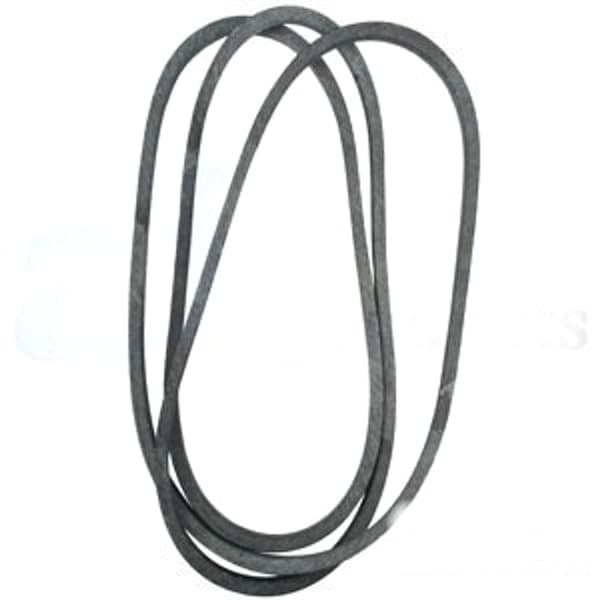
Mower belts are crucial components of your lawnmower, transferring power from the engine to the mower deck (deck belt) or the wheels (drive belt). Over time, these belts can wear down, crack, or even break, impacting your mower's performance. Replacing a worn-out belt with the correct size is essential for efficient cutting and safe operation. Whether you own a John Deere, Craftsman, Cub Cadet, Husqvarna, or another brand like Toro, Ariens, Murray, Hustler, Scag, Exmark, Ferris, Snapper, Simplicity, or Dixie Chopper, knowing how to find the right mower belt size is a valuable skill.
Recommended Parts for This Guide
9 parts we recommend — in stock, ships fast, one-click add to cart.
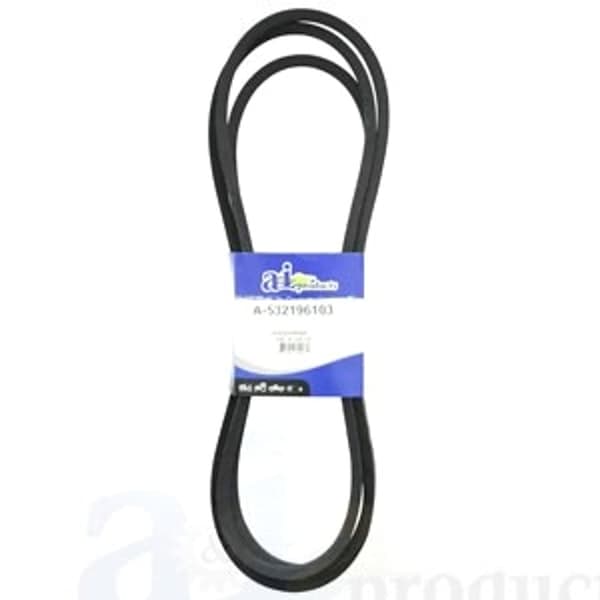
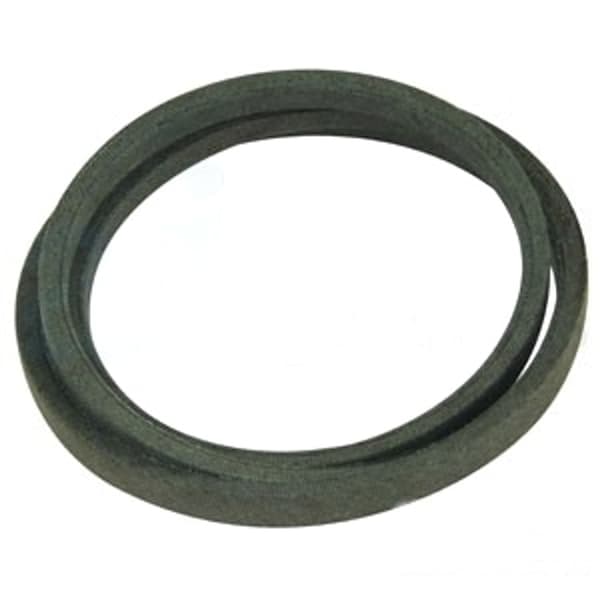
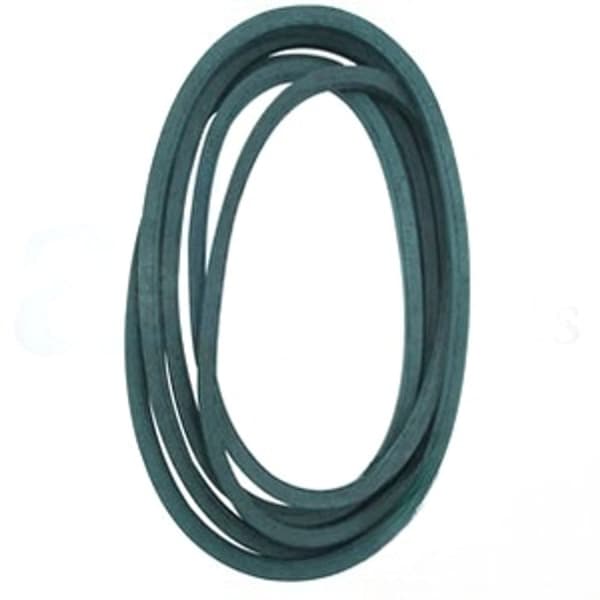
🔍 Looking for a specific part? Try our AI Part Finder — tell it your equipment and what you need, and it will find matching parts instantly.
This guide will provide you with the knowledge and tools you need to accurately measure your old belt (or estimate the size if the old belt is missing), understand common belt types, and use a mower belt size chart to identify the correct replacement.
Understanding Different Types of Mower Belts
Before diving into measurements, let's clarify the different types of belts commonly found on mowers:
- Deck Belts: These belts connect the engine to the mower deck, powering the blades. They're responsible for the cutting action. Deck Belts often run through spindles and around pulleys.
- Drive Belts: Drive belts transmit power from the engine to the transmission, which drives the wheels, propelling the mower forward or backward.
- Wrapped Belts: These belts have a fabric cover over the core, offering enhanced protection and durability.
- Raw Edge Belts: Raw edge belts have exposed edges that provide better grip and flexibility, reducing slippage and heat buildup.
- Cogged Belts: These belts feature notches (cogs) on the inner surface, improving flexibility and heat dissipation, especially useful in high-stress applications.
How to Measure Your Mower Belt
Accurate measurement is critical for selecting the correct replacement belt. Here’s a step-by-step guide:
Measuring an Existing Belt
- Safety First: Disconnect the spark plug wire from the spark plug to prevent accidental starting. Wear gloves to protect your hands.
- Remove the Belt: Carefully remove the old belt from the mower deck or drive system. You may need to disengage tensioner pulleys or remove belt guards.
- Lay the Belt Flat: Place the belt on a flat surface.
- Measure the Outside Circumference: Use a flexible measuring tape to measure the entire outside circumference of the belt. This is the most common measurement used for mower belts.
- Measure the Belt Width: Measure the width of the belt using a ruler or caliper.
- Note the Belt Type: Observe the belt's construction (wrapped, raw edge, cogged). This information can help you find an equivalent replacement.
Estimating Belt Size When the Old Belt is Missing
If your old belt is missing or severely damaged, you'll need to estimate the required length. Here’s how:
- Safety First: Disconnect the spark plug wire.
- Route a String or Cable: Carefully route a flexible string or cable (like a sturdy wire) around the pulleys and through the path the belt would normally take. Make sure the tensioner pulley is in its operating position.
- Mark the Overlap: Mark where the string or cable overlaps to complete the circuit.
- Measure the String: Remove the string or cable and measure its length. This measurement represents the approximate outside circumference of the belt you need.
- Consider Tension: Add a small amount (1-2 inches) to account for the tensioner pulley.
Understanding Belt Numbers
Many mower belts have a part number printed directly on them. If you can read this number, it’s the easiest way to find a replacement. This is especially true for John Deere mower deck belts (e.g., M154897 - JOHN DEERE) or John Deere drive belts (e.g., M163990 - JOHN DEERE), which often have easily identifiable OEM part numbers.
Belt numbers often include information about the belt's dimensions and type. For example, a belt number might look like "A41," where "A" indicates the belt type and "41" represents the belt's length in inches. Refer to manufacturer documentation or online resources for specific decoding information.
Mower Belt Size Chart
While a comprehensive chart covering every mower model is impossible within this article, here's a general guide to common belt sizes and brands. Always double-check your mower's manual or the manufacturer's website for the most accurate information. Also, refer to our brand-specific guides like the Craftsman 42-inch Mower Belt Replacement & Size Chart, Cub Cadet Deck Belt Replacement: All Models & Sizes, Husqvarna Mower Belt Size Chart, Craftsman Riding Mower Drive Belt: Sizes & Part Numbers, Toro TimeCutter Belt Replacement: Deck & Drive Belts, and Cub Cadet LT1045 Belt Size & Replacement Guide. Use this information to augment your search.
Disclaimer: This chart is a general guide only. Always verify the correct belt size with your mower's owner's manual or the manufacturer's parts lookup system.
| Brand | Common Belt Types | Typical Length Range (inches) |
|---|---|---|
| John Deere | Deck, Drive | Varies widely by model; consult John Deere Mower Deck Belt: OEM Part Numbers & Sizing |
| Craftsman | Deck, Drive | 30-150 |
| Cub Cadet | Deck, Drive | 30-140 |
| Husqvarna | Deck, Drive | 30-160 |
| Toro | Deck, Drive | 30-150 |
| Ariens | Deck, Drive | 30-140 |
Tips for Choosing the Right Mower Belt
- Consult Your Owner's Manual: The owner's manual is your best source for the correct belt size and part number.
- Use the Mower Manufacturer's Website: Most manufacturers have online parts lookups where you can enter your model number to find the correct belt.
- Consider Belt Material: Opt for high-quality belts made from durable materials like Kevlar for extended lifespan.
- Check Belt Tension: Ensure the belt tension is correct after installation. Overly tight or loose belts can lead to premature wear and damage.
- Inspect Pulleys and Spindles: Before installing a new belt, inspect the pulleys and spindles for wear or damage. Replace them if necessary to prevent premature belt failure.
- Replace Other Worn Parts: While you're replacing the belt, it's a good time to inspect other wear items like filters, bearings, and shear pins.
Safety Precautions
- Always disconnect the spark plug wire before working on your mower to prevent accidental starting.
- Wear safety glasses to protect your eyes from debris.
- Wear gloves to protect your hands.
- Never work on a mower while the engine is hot. Allow it to cool down completely.
- Be careful when handling blades and sharp objects.
Conclusion
Finding the correct mower belt size doesn't have to be a daunting task. By following these steps and utilizing the mower belt size chart, you can confidently identify and replace your mower belt, ensuring optimal performance and a well-manicured lawn. Remember to always prioritize safety and consult your owner's manual for the most accurate information. Properly maintaining your mower belts, along with other components like mower blades and spark plugs, will ensure long-lasting performance of your equipment.
Shop Mower Belts at Madison Tractor Company
At Madison Tractor Company, we carry a wide selection of mower belts for all major brands, including John Deere, Craftsman, Cub Cadet, Husqvarna, and more. Browse our selection of mower belts today and find the perfect replacement for your machine. Our expert staff is always available to answer your questions and help you find the right parts for your needs. We also carry a full line of maintenance parts including filters, mower blades, and more. You can also use our AI-Powered Part Finder to search for parts by your specific make and model.
Part of our comprehensive guide
Mower Belt Replacement Guide: Find the Right Belt for Your Mower