








Deck Belt Keeps Breaking? Parts You Need to Replace
A constantly breaking deck belt on your mower is frustrating and costly. This guide helps you diagnose the root cause – from worn pulleys to misaligned spindles – and identify the parts you need to get back to mowing.
Introduction: deck belt Blues
Is your mower deck belt constantly snapping, fraying, or flying off? You're not alone. A broken deck belt is a common headache for homeowners and lawn care professionals alike. While belts are wear items and will eventually need replacing, premature failure usually signals a more significant underlying problem. Ignoring the real issue and simply replacing the belt will only lead to more frustration and expense. This guide will walk you through the common causes of a mower deck belt constantly breaking and the parts you may need to replace to get your mower running smoothly.
Recommended Parts for This Guide
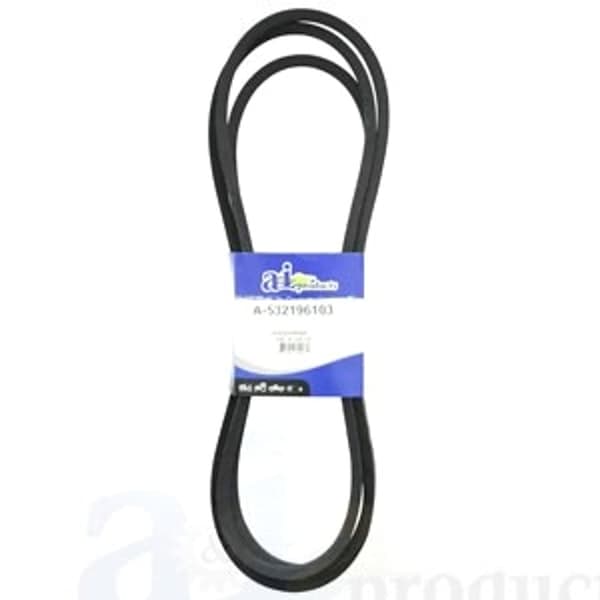
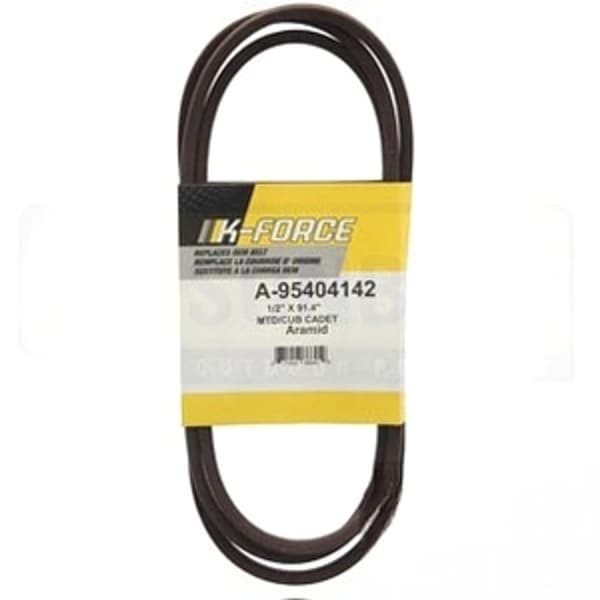
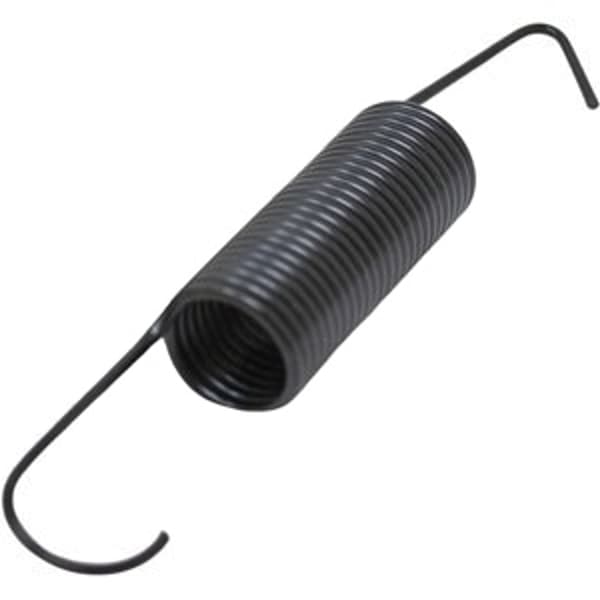
10 parts we recommend — in stock, ships fast, one-click add to cart.
🔍 Looking for a specific part? Try our AI Part Finder — tell it your equipment and what you need, and it will find matching parts instantly.
Before we dive in, remember to always disconnect the spark plug wire from the spark plug before working on your mower. Safety first!
Madison Tractor carries a wide selection of belts and mower deck parts for all major brands, including John Deere, Craftsman, Cub Cadet, Husqvarna, Toro, Ariens, Murray, Hustler, Scag, Exmark, Ferris, Snapper, Simplicity, and Dixie Chopper. We're here to help you find the right belt and the necessary components to keep your lawn looking its best.
Common Causes & Solutions
Let's explore the most frequent reasons why your deck belt keeps failing:
1. Worn or Damaged Pulleys
Pulleys are a prime suspect when a deck belt keeps breaking. They guide and tension the belt, so any damage can quickly destroy a new belt.
- Problem: Worn grooves, cracks, rust, or bent flanges on the pulleys. These imperfections create friction, causing the belt to overheat and wear down rapidly. A pulley bearing failure can also cause the pulley to wobble and damage the belt.
- Solution: Carefully inspect all pulleys for damage. Spin each pulley by hand. It should rotate smoothly and quietly. Replace any pulley that shows signs of wear, damage, or excessive wobble. Consider replacing idler pulleys along with the belt, as these often wear out at the same rate. Look for replacement pulleys compatible with your mower model.
- Tip: A common failure point is the idler pulley. It is a smaller pulley, sometimes plastic, that is responsible for tensioning the belt.
2. Misaligned Spindles
Spindles hold the mower blades and are connected to the deck via bearings. Proper alignment is crucial for belt longevity.
- Problem: Bent spindles, loose spindle housings, or worn bearings can cause the spindles to be misaligned. This misalignment puts undue stress on the belt as it tries to compensate.
- Solution: Check the spindle alignment with a straight edge. All spindles should be on the same plane. If a spindle is bent, it needs to be replaced. Tighten any loose spindle housings. If the bearings in a spindle are noisy or feel rough, replace the entire spindle assembly. Madison Tractor carries complete spindle assemblies for many mower models.
- Tip: Worn spindle bearings also contribute to belt wear by causing increased friction and heat.
3. Incorrect Belt Size or Type
Using the wrong belt – even if it seems close in size – can lead to premature failure.
- Problem: Belts that are too long will slip and wear out quickly. Belts that are too short will be overstressed and prone to snapping. Using an automotive belt instead of a specifically designed mower belt can also cause problems, as automotive belts are not designed to withstand the heat and stress of a mower deck.
- Solution: Always use the correct belt size and type for your mower. Consult your owner's manual or use our parts lookup tool on the Madison Tractor website to find the correct belt. We carry OEM (Original Equipment Manufacturer) belts and high-quality aftermarket belts. See our guides for John Deere Mower Deck Belt sizes, Craftsman 42-Inch Mower Belt Replacement, Cub Cadet Deck Belt Replacement, Husqvarna Mower Belt Sizes, and Toro TimeCutter Belt replacements.
- Tip: When installing a new belt, make sure it is properly seated in all the pulley grooves.
4. Obstructions in the Deck
Debris trapped in the mower deck can damage the belt and other components.
- Problem: Sticks, rocks, and other debris can get lodged in the deck, interfering with the belt's movement and causing it to wear unevenly or get cut.
- Solution: Regularly clean the mower deck to remove any accumulated debris. After each mowing session, inspect the deck for obstructions.
- Tip: Before cleaning, always ensure the mower is turned off and the spark plug wire is disconnected.
5. Excessive Grass Buildup
A thick layer of grass clippings can put a strain on the entire mower system, including the belt.
- Problem: Excessive grass buildup restricts airflow and increases friction on the belt and pulleys, leading to overheating and premature wear.
- Solution: Mow regularly and avoid cutting wet or overly tall grass. Clean the mower deck frequently to remove grass buildup. Consider using a mulching blade to reduce the amount of clippings.
- Tip: Ensure your mower blades are sharp! Dull blades will tear the grass instead of cutting it cleanly, leading to more clippings and increased stress on the mower. We carry a variety of mower blades to fit your needs.
6. Weak or Over-Tightened Belt Tension
Proper belt tension is critical. Too little or too much can cause problems.
- Problem: A belt that is too loose will slip, causing heat and wear. A belt that is too tight will put excessive strain on the pulleys and bearings, leading to premature failure.
- Solution: Refer to your owner's manual for the correct belt tension specifications. Adjust the tension using the idler pulley adjustment mechanism.
- Tip: Some mowers have automatic belt tensioning systems. If yours does, inspect the tensioner spring or mechanism for damage or wear.
7. Damaged or Incorrectly Installed Blades
While seemingly unrelated, the health and installation of your mower blades impact belt performance.
- Problem: A bent or unbalanced blade can create excessive vibration, transferring stress to the spindle and belt. Incorrectly installed blades (upside down or loose) will not cut properly and can even damage the deck and belt.
- Solution: Regularly inspect blades for damage, cracks, or excessive wear. Sharpen dull blades or replace them if damaged. Ensure blades are installed correctly and torqued to the manufacturer's specifications.
- Tip: Check the shear pins on your blades if applicable. Broken or missing shear pins can cause the blade to wobble and damage the deck belt.
8. Other Maintenance Issues
Neglecting routine maintenance can contribute to premature belt failure.
- Problem: Lack of lubrication on bearings and pulleys, dirty air filters, or old spark plugs can all put extra strain on the engine and deck, leading to increased belt wear.
- Solution: Follow the manufacturer's recommended maintenance schedule. Regularly grease bearings and pulleys, replace air filters and spark plugs as needed, and keep the engine properly tuned. Madison Tractor carries all the necessary maintenance parts, including filters and spark plugs.
- Tip: A well-maintained mower will run more efficiently and last longer.
Choosing the Right Replacement Belt
When replacing your deck belt, consider the following:
- OEM vs. Aftermarket: OEM belts are made by the original manufacturer and are typically the highest quality. Aftermarket belts can be a more affordable option, but it's essential to choose a reputable brand.
- Belt Material: Look for belts made from durable materials like Kevlar or Aramid fibers. These belts are more resistant to heat, stretching, and wear.
- Proper Fit: Always double-check the belt size and type before purchasing. Using the wrong belt can cause serious damage to your mower.
Refer to our other guides for specific belt sizing and replacement information: John Deere Drive Belt, Craftsman Riding Mower Drive Belt and Cub Cadet LT1045 Belt Size.
Conclusion
A mower deck belt that keeps breaking is a sign of a deeper problem. By systematically inspecting the pulleys, spindles, belt tension, and deck condition, you can identify the root cause and replace the necessary parts. Regular maintenance and using the correct replacement belt will help prevent future problems and keep your mower running smoothly for years to come.
If you are unsure what is causing your deck belt to break, consider taking your mower to a qualified technician for inspection and repair.
Shop Madison Tractor for All Your Mower Parts
Madison Tractor Company has the mower parts you need to keep your lawn equipment in top condition. We offer a wide selection of belts, pulleys, spindles, blades, and more for all major brands. Browse our online catalog or contact our knowledgeable staff for assistance finding the right parts for your mower. We're committed to providing high-quality parts and exceptional customer service. You can also use our AI-Powered Part Finder to search for parts by your specific make and model.
Part of our comprehensive guide
Mower Belt Replacement Guide: Find the Right Belt for Your Mower