








48-Inch Mower Deck Belt: Commercial & Residential
A 48-inch mower deck belt is a critical component for efficient lawn mowing. This guide covers everything you need to know, from choosing the right belt to troubleshooting common problems and performing routine maintenance.
Understanding 48-Inch Mower Deck Belts
The 48-inch mower deck belt is a crucial part of your lawn mower's operation, responsible for transferring power from the engine to the mower deck's spindles, which in turn rotate the blades. When this belt fails, your mower blades won't turn, rendering your mower useless. This guide will provide information about selecting the correct belt, troubleshooting issues, and maintaining it for longevity. We'll focus specifically on 48-inch mower decks, but many of the principles apply to other sizes as well. For a broader overview, check out our main Mower Deck Belts & Drive Belts article.
Recommended Parts for This Guide
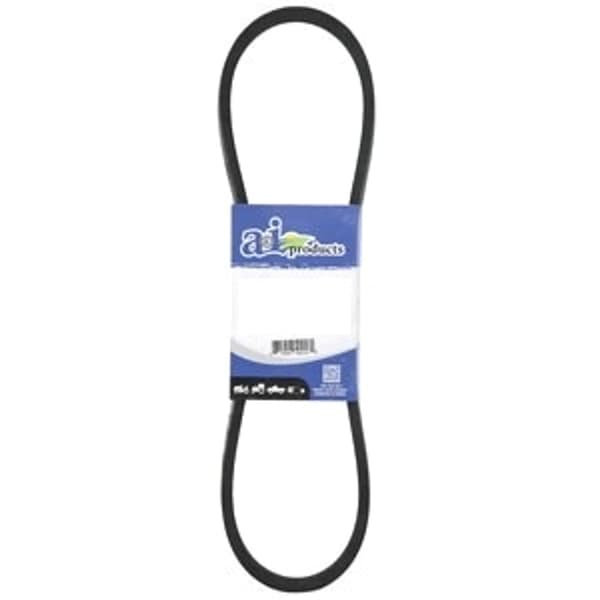
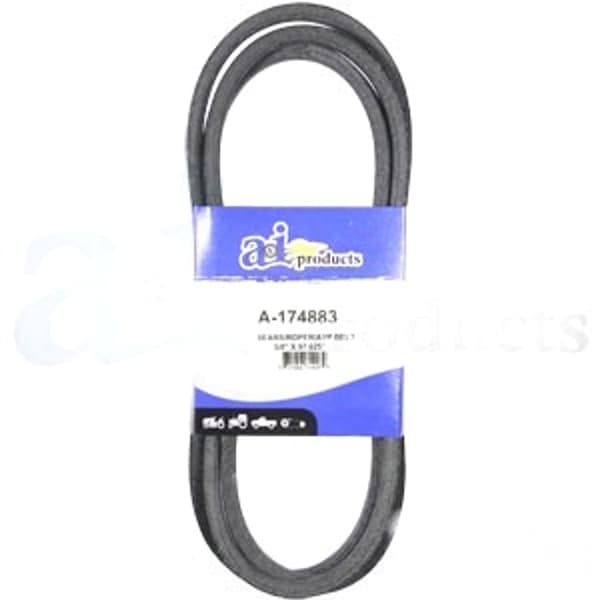
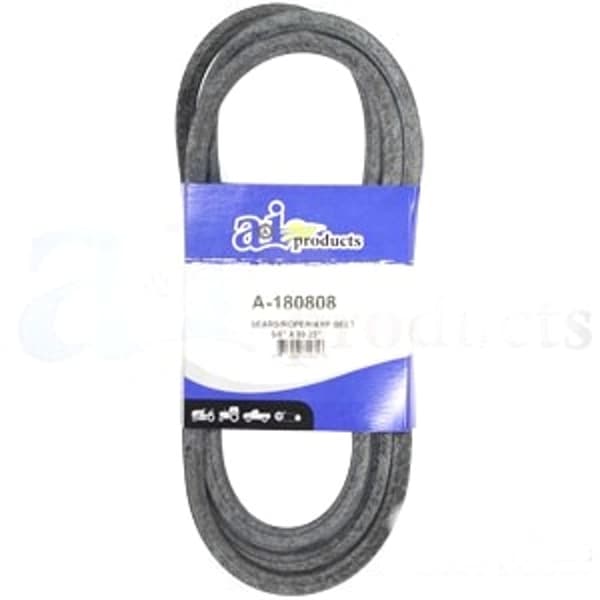
9 parts we recommend — in stock, ships fast, one-click add to cart.
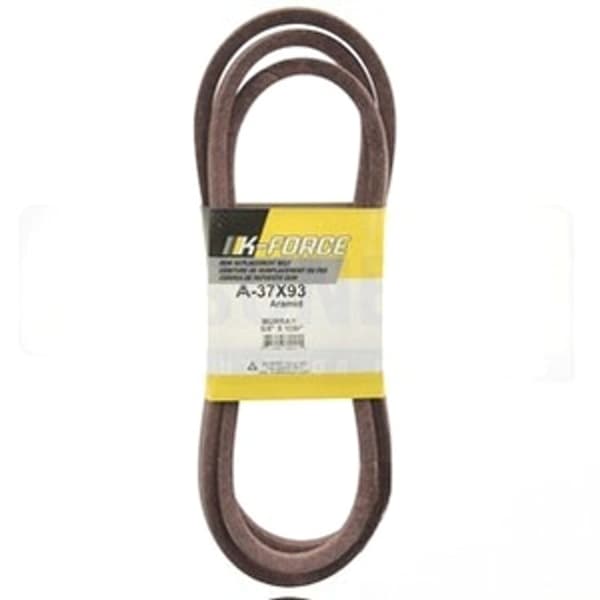
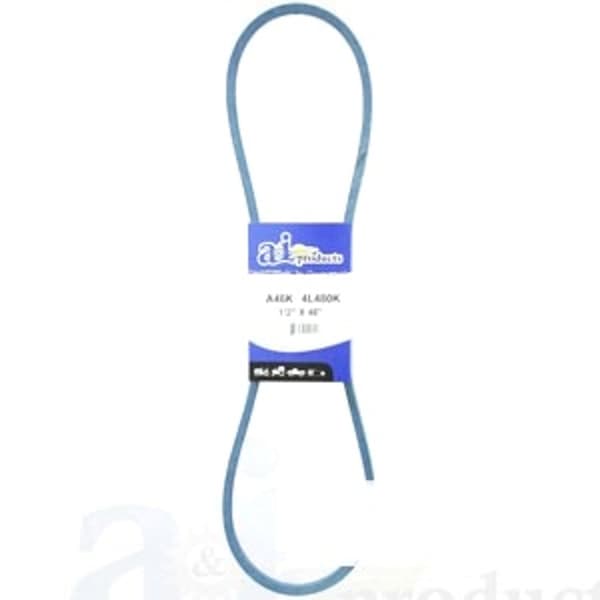
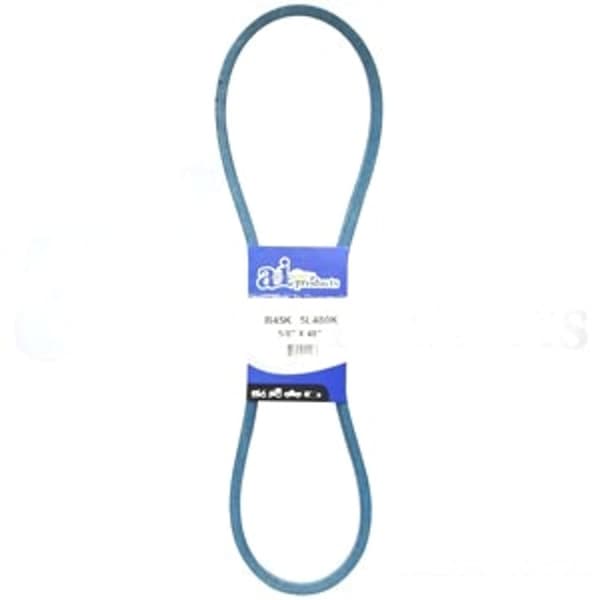
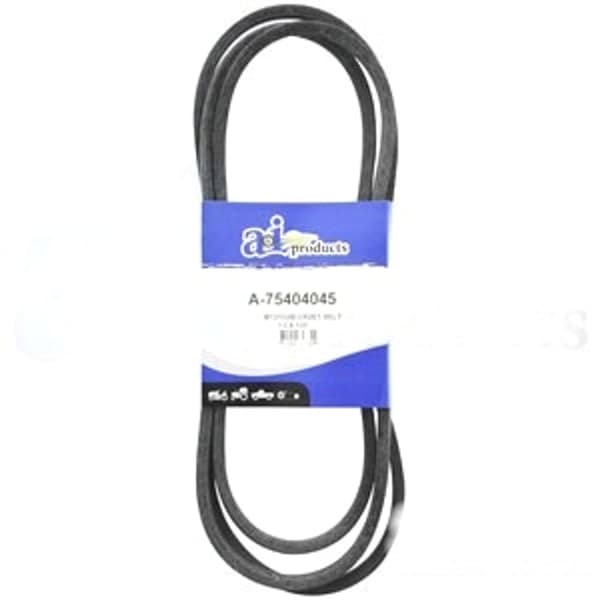
🔍 Looking for a specific part? Try our AI Part Finder — tell it your equipment and what you need, and it will find matching parts instantly.
What is a Mower Deck Belt?
The mower deck belt, also known as a blade belt, is a reinforced rubber belt designed to withstand significant tension and heat. It loops around the engine pulley, idler pulleys, and spindle pulleys. When the engine is engaged, the belt spins, powering the blades to cut grass. Different deck configurations will utilize slightly different belt routing, so always refer to your mower's diagram.
Why Choose a 48-Inch Mower Deck?
A 48-inch mower deck offers a good balance of maneuverability and cutting capacity, making it a popular choice for homeowners with medium to large-sized yards. It's wide enough to cover a significant area quickly but still agile enough to navigate around obstacles like trees and flower beds. Popular brands like John Deere, Craftsman, Cub Cadet, Husqvarna, and Toro offer numerous models with 48-inch decks.
Selecting the Correct 48-Inch Mower Deck Belt
Choosing the right belt is essential for optimal performance and longevity. Using the wrong size or type can lead to premature wear, belt slippage, and even damage to your mower. A good place to start is by reviewing our guides to specific brands such as the John Deere mower deck belt, Craftsman 42-inch mower belt, Cub Cadet deck belt, and Husqvarna mower belt size charts, even if those specific sizes aren't exactly what you need. These charts often provide general guidance that applies across their product lines.
Belt Material and Construction
Mower deck belts are typically made from reinforced rubber compounds designed for high strength and heat resistance. Look for belts made with Kevlar or Aramid fibers for increased durability. These materials resist stretching and cracking, leading to a longer lifespan. Check the belt's cross-section shape. Most are either V-belts or fractional horsepower (FHP) belts. V-belts are generally stronger and more durable, especially for commercial applications. For example, many Scag, Exmark, and Ferris commercial mowers will use heavy-duty V-belts, such as our Aramid Blue V-Belts.
Determining the Correct Size
The exact length and width of your 48-inch mower deck belt will vary depending on the specific model of your mower. There are several ways to find the correct size:
- Check Your Owner's Manual: This is the most reliable method. The manual will specify the exact belt size and part number.
- Look for the Part Number on the Old Belt: If your old belt is still intact, look for a part number printed on its surface. This number can be used to order a direct replacement.
- Measure the Old Belt: If the part number is unreadable, carefully measure the outside circumference of the old belt. Use a flexible measuring tape and try to maintain consistent tension. The width of the belt is also important.
- Use Online Part Finders: Many online parts retailers (like Madison Tractor Company) have part finder tools that allow you to search for the correct belt based on your mower's make and model.
OEM vs. Aftermarket Belts
You have the option of purchasing original equipment manufacturer (OEM) belts or aftermarket belts. OEM belts are made by the same manufacturer as your mower and are guaranteed to fit and perform correctly. Aftermarket belts are made by third-party manufacturers and can often be a more cost-effective option. While aftermarket belts can be a good value, it's crucial to choose a reputable brand to ensure quality and durability. We carry both OEM belts for brands like John Deere and aftermarket belts from trusted suppliers like Rotary and Oregon.
Replacing Your 48-Inch Mower Deck Belt
Replacing a mower deck belt is a relatively straightforward task that most homeowners can perform themselves. However, safety should always be your top priority.
Safety Precautions
- Disconnect the Spark Plug: Before working on your mower, always disconnect the spark plug wire to prevent accidental starting.
- Wear Gloves: Protect your hands from sharp edges and grease by wearing work gloves.
- Use Jack Stands: If you need to lift your mower, always use jack stands to support it securely. Never rely solely on a jack.
Step-by-Step Replacement Guide
- Remove the Mower Deck: Most mower decks are attached with pins, bolts, or clips. Consult your owner's manual for specific instructions on removing the deck.
- Relieve Tension on the Old Belt: Locate the idler pulley and disengage the tension spring or lever that keeps the belt tight. This will allow you to remove the old belt.
- Remove the Old Belt: Carefully remove the old belt from around the pulleys, noting its routing. Take a picture or make a sketch to help you remember the correct path for the new belt.
- Install the New Belt: Route the new belt around the pulleys, following the same path as the old belt. Ensure the belt is properly seated in the grooves of each pulley.
- Engage the Tensioner: Re-engage the idler pulley tensioner to tighten the belt.
- Reinstall the Mower Deck: Reattach the mower deck to the mower, securing it with the pins, bolts, or clips.
- Test the Mower: Reconnect the spark plug wire and start the mower. Engage the blades and check for smooth operation. Listen for any unusual noises or vibrations.
For specific brands and models, you may find more specific instructions. For example, our Toro TimeCutter belt replacement guide offers valuable insight, and the same principles apply to other mowers as well. Don't forget to replace other wear items like blades, spindles, and pulleys as needed for optimum mowing performance. Filters, spark plugs, and bearings are other common replacement parts.
Troubleshooting 48-Inch Mower Deck Belts
Even with proper maintenance, mower deck belts can experience problems. Here are some common issues and their solutions:
Belt Slippage
Belt slippage occurs when the belt is not gripping the pulleys properly, causing the blades to slow down or stop. This can be caused by:
- Worn Belt: A worn belt may be stretched or cracked, reducing its ability to grip the pulleys. Replace the belt.
- Loose Tension: The idler pulley may not be providing enough tension on the belt. Adjust the tensioner or replace the tension spring.
- Worn Pulleys: Worn or damaged pulleys can also cause belt slippage. Replace the pulleys.
Belt Breaking
A broken belt is a common problem, especially with older mowers. This can be caused by:
- Worn Belt: As with slippage, a worn belt is more likely to break.
- Misalignment: If the pulleys are not properly aligned, the belt can be subjected to excessive stress, leading to breakage. Check the alignment of the pulleys and adjust as needed.
- Obstructions: Debris such as sticks or rocks can get caught in the belt and cause it to break. Clear any obstructions from the mower deck.
- Spindle Bearings: If spindle bearings are failing or seized, the excessive load on the belt will cause it to fail. Replacing your spindle assemblies can resolve this.
Unusual Noises
Squealing, chirping, or grinding noises from the mower deck can indicate a problem with the belt or related components. These noises can be caused by:
- Worn Belt: A worn belt can make squealing or chirping noises.
- Worn Pulleys: Worn pulleys can also cause noise.
- Spindle Problems: Damaged or worn spindle bearings can cause grinding noises.
Maintaining Your 48-Inch Mower Deck Belt
Proper maintenance can significantly extend the life of your mower deck belt and prevent costly repairs.
Regular Inspections
Periodically inspect the belt for signs of wear, such as cracks, fraying, or stretching. Replace the belt if you notice any of these issues.
Cleaning
Keep the mower deck clean and free of debris. Remove any grass clippings, leaves, or other materials that can accumulate around the belt and pulleys.
Proper Storage
When storing your mower for the winter, remove the belt and store it in a cool, dry place. This will help prevent it from drying out and cracking.
Check Tension
Ensure the idler pulley is maintaining proper tension on the belt. Adjust as needed to prevent slippage.
Remember to also check your John Deere drive belt or Craftsman riding mower drive belt regularly, as these are other crucial drive components. For machines equipped with them, it's also important to maintain the Cub Cadet LT1045 belt.
Shop 48-Inch Mower Deck Belts at Madison Tractor Company
At Madison Tractor Company, we offer a wide selection of 48-inch mower deck belts for all major brands, including John Deere, Craftsman, Cub Cadet, Husqvarna, Toro, Ariens, Murray, Hustler, Scag, Exmark, Ferris, Snapper, Simplicity, and Dixie Chopper. We carry both OEM and aftermarket belts to fit your budget and needs. Browse our online catalog or contact our knowledgeable customer service team for assistance in finding the right belt for your mower. For instance, you might need a secondary drive belt or a specific deck belt. We also stock a full line of other lawn mower parts like blades, spindles, pulleys, filters and shear pins, so you can get everything you need in one convenient place. Shop with confidence at Madison Tractor Company! You can also use our AI-Powered Part Finder to search for parts by your specific make and model.
Part of our comprehensive guide
Mower Belt Replacement Guide: Find the Right Belt for Your Mower