








John Deere 345 Mower Belt: Deck & Drive Belt Sizes
Replacing the belts on your John Deere 345 mower is essential for maintaining peak performance. This guide provides the correct belt sizes for both the mower deck and drive system, along with helpful replacement tips.
Introduction to John Deere 345 Belt Replacement
The John Deere 345 garden tractor is a reliable machine, but like any piece of outdoor power equipment, regular maintenance is key to its longevity. One of the most common maintenance tasks is replacing worn belts. A stretched or damaged mower deck belt or drive belt can significantly reduce your mower's performance, leading to uneven cuts, reduced power, and potential damage to other components. This guide provides the information you need to identify the correct John Deere 345 belt size and perform a successful replacement. We'll cover both the mower deck belt and the drive belt, ensuring your John Deere 345 continues to deliver years of reliable service.
Recommended Parts for This Guide
10 parts we recommend — in stock, ships fast, one-click add to cart.
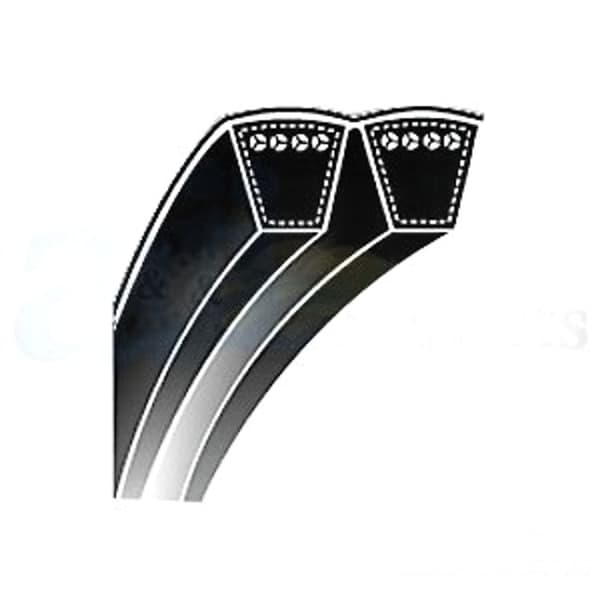
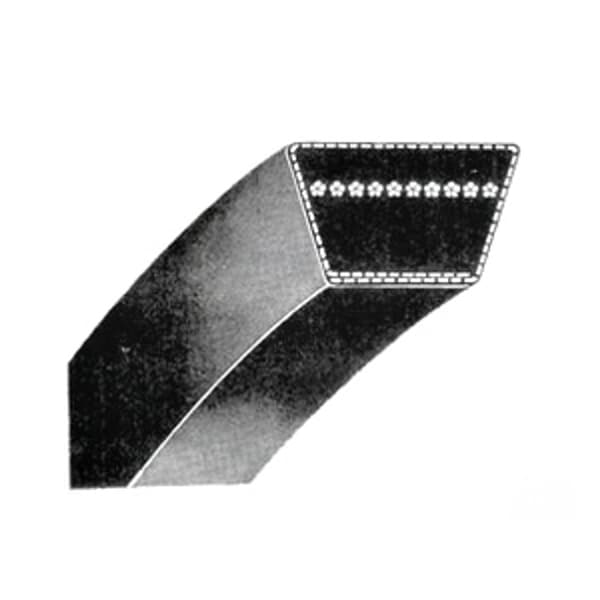
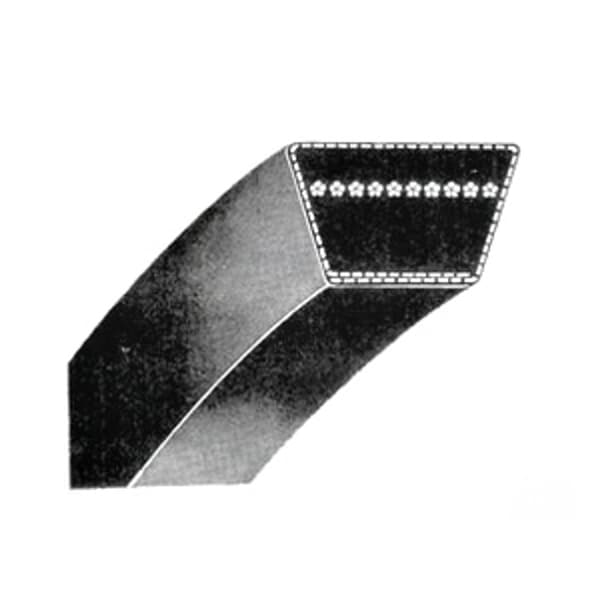
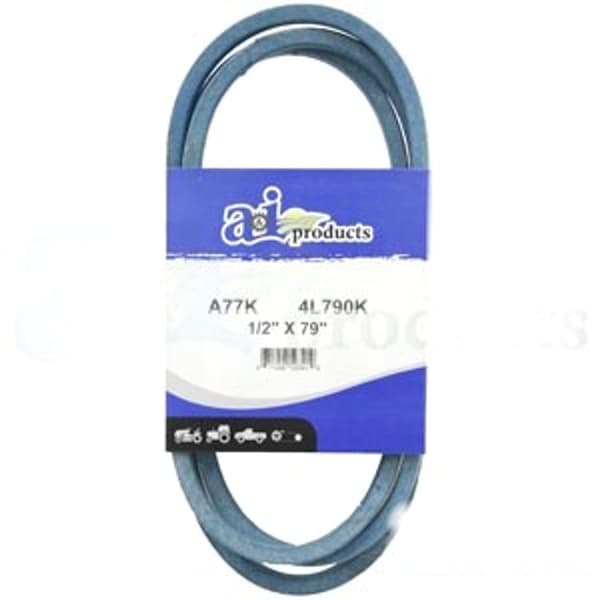
🔍 Looking for a specific part? Try our AI Part Finder — tell it your equipment and what you need, and it will find matching parts instantly.
Here at Madison Tractor, we stock a wide variety of belts, blades, spindles, pulleys, filters, and other essential parts for John Deere, Craftsman, Cub Cadet, Husqvarna, Toro, Ariens, Murray, Hustler, Scag, Exmark, Ferris, Snapper, Simplicity, and Dixie Chopper mowers.
Understanding the Importance of Correct Belt Size
Using the correct belt size is absolutely crucial. A belt that's too long will slip, leading to inefficient operation and premature wear. A belt that's too short may be difficult to install and could put excessive strain on the pulleys and other components, potentially causing damage. Always refer to your John Deere 345's owner's manual or a reliable parts source (like us!) to determine the correct belt size before making a purchase.
Incorrect belt size can lead to:
- Belt slippage
- Reduced cutting performance
- Increased wear and tear on pulleys and spindles
- Potential damage to the engine or transmission
- Belt failure
John Deere 345 Mower Deck Belt Size
The John Deere 345 was typically equipped with a 48-inch or 54-inch mower deck. The belt size varies depending on the deck size.
48-Inch Mower Deck Belt
For the 48-inch mower deck on a John Deere 345, the correct belt size is typically:
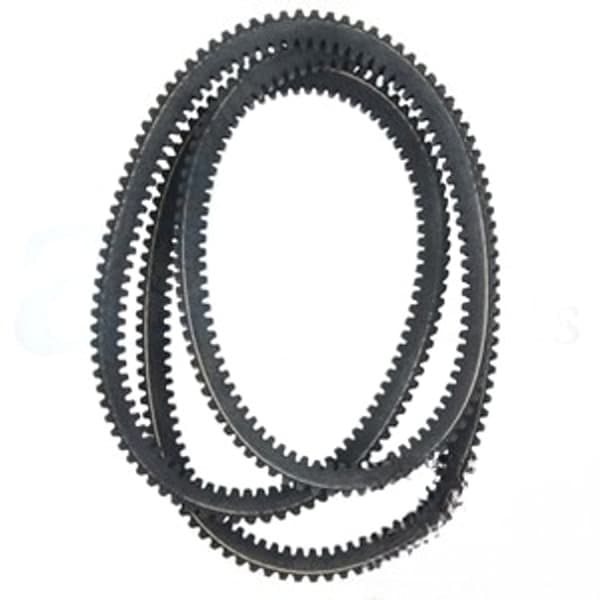
- Belt Type: Aramid Cord Belt (also known as Kevlar belts)
- OEM Part Number: M154621
- Dimensions: Approximately 1/2 inch wide and 135 inches long
Aramid or Kevlar belts are recommended for mower decks due to their superior strength and resistance to stretching and heat, compared to standard rubber belts. This durability is crucial for handling the high speeds and stresses of the mower deck.
54-Inch Mower Deck Belt
If your John Deere 345 has a 54-inch mower deck, the correct belt size is:
- Belt Type: Aramid Cord Belt (also known as Kevlar belts)
- OEM Part Number: Search available parts
- Dimensions: Approximately 1/2 inch wide and 147 inches long
Important Note: Always double-check the part number and dimensions with your mower's specific model and deck size. Variations can occur, especially if the deck has been replaced or modified.
John Deere 345 Drive Belt Size
The drive belt connects the engine to the transmission, transferring power to the wheels. A worn or damaged drive belt will cause the mower to lose power and struggle to move, especially uphill.
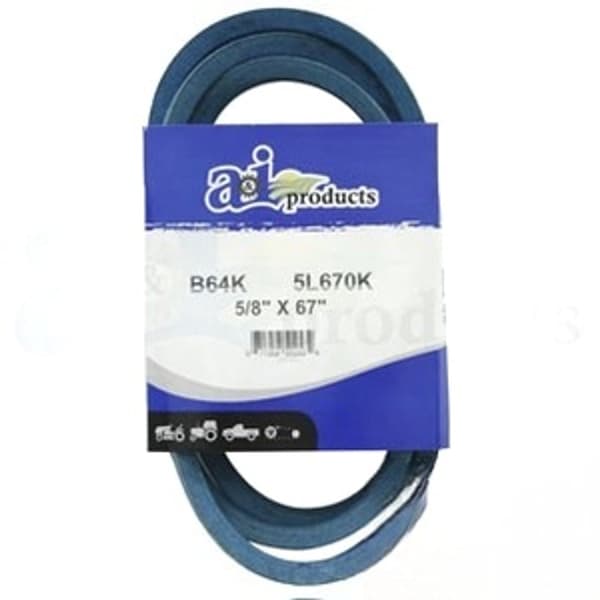
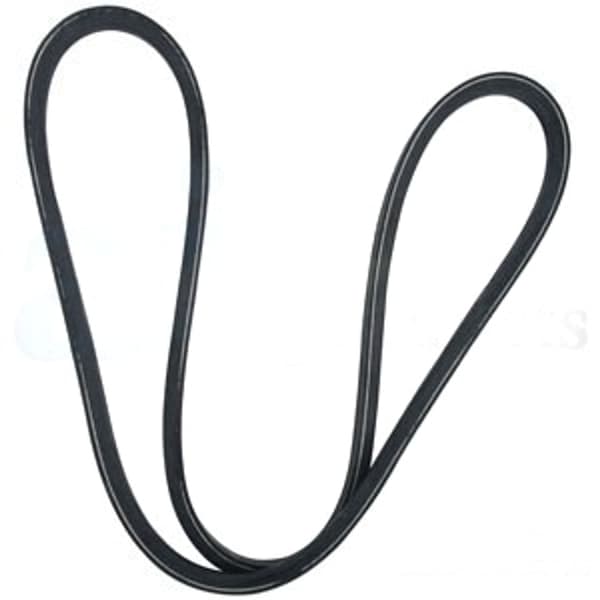
- Belt Type: Standard V-Belt
- OEM Part Number: B64K
- Dimensions: Approximately 5/8 inch wide and 69 inches long
The drive belt is typically a standard V-belt, but it's still essential to use the correct size and a high-quality replacement. Check the John Deere drive belt guide for more information.
John Deere 345 Belt Replacement Steps
Replacing the belts on your John Deere 345 is a straightforward process, but it's essential to follow the correct steps to ensure safety and proper installation.
Safety First! Before starting any maintenance work, always:
- Park the mower on a level surface.
- Engage the parking brake.
- Remove the ignition key.
- Disconnect the spark plug wire to prevent accidental starting.
Mower Deck Belt Replacement
- Remove the Mower Deck: Follow the instructions in your owner's manual to detach the mower deck from the tractor.
- Access the Belt: Once the deck is removed, locate the mower deck belt. It runs around the engine pulley, deck pulleys, and spindles.
- Release Tension: Most decks have a tensioner pulley. Use a wrench or socket to release the tension on the belt. This will allow you to easily remove the old belt.
- Remove the Old Belt: Carefully remove the old belt from around the pulleys and spindles.
- Install the New Belt: Route the new belt around the pulleys and spindles, ensuring it is properly seated in the grooves.
- Engage Tensioner: Re-engage the tensioner pulley to tighten the belt.
- Reinstall the Mower Deck: Reattach the mower deck to the tractor, following the instructions in your owner's manual.
Drive Belt Replacement
- Access the Drive Belt: The drive belt is located between the engine and the transmission. You may need to remove a cover or panel to access it.
- Release Tension: Similar to the deck belt, the drive belt typically has a tensioner pulley. Release the tension on the belt.
- Remove the Old Belt: Carefully remove the old belt from around the engine pulley and the transmission pulley.
- Install the New Belt: Route the new belt around the pulleys, ensuring it is properly seated in the grooves.
- Engage Tensioner: Re-engage the tensioner pulley to tighten the belt.
- Test the Belt: Before reassembling any covers, start the mower and check for proper belt engagement and operation. Ensure the belt is not slipping or making unusual noises.
Maintaining Your Belts for Longevity
Proper maintenance can extend the life of your mower belts and prevent premature failure. Here are some tips:
- Regular Inspections: Regularly inspect your belts for signs of wear, such as cracks, fraying, or glazing. Replace belts at the first sign of damage.
- Keep Pulleys Clean: Clean any debris or buildup from the pulleys to ensure smooth belt operation.
- Proper Tension: Ensure the belts are properly tensioned. Too much tension can cause excessive wear, while too little tension can lead to slippage.
- Avoid Overloading: Avoid mowing excessively tall or thick grass, which can put extra strain on the belts and other components.
- Use Genuine or High-Quality Replacement Belts: Invest in quality belts from reputable manufacturers like John Deere, or trusted aftermarket brands. While cheaper alternatives may be tempting, they often lack the durability and performance of higher-quality belts.
Troubleshooting Common Belt Problems
Here are some common issues you might encounter with your John Deere 345 belts:
- Belt Slippage: This can be caused by a loose belt, worn pulleys, or a damaged belt. Tighten the belt, replace worn pulleys, or replace the belt.
- Belt Squealing: This is often a sign of a loose or glazed belt. Tighten the belt or replace it if it's glazed.
- Belt Breaking: This can be caused by excessive wear, improper tension, or foreign objects getting caught in the belt. Replace the belt and address the underlying cause.
Remember to also check the Craftsman 42-inch mower belt, Cub Cadet deck belt, Husqvarna mower belt, Toro TimeCutter belt and Cub Cadet LT1045 belt guides for more information on other common mowers!
Shop John Deere 345 Belts and Parts at Madison Tractor
Madison Tractor Company is your trusted source for John Deere parts and accessories. We offer a wide selection of belts, blades, spindles, pulleys, filters, spark plugs, bearings, shear pins, and more to keep your outdoor power equipment running smoothly. Our knowledgeable staff is here to assist you with finding the right parts for your John Deere 345 and answering any questions you may have. Shop with us today and experience the Madison Tractor difference!
🔍 Can't Find Your Part?
Use our AI-Powered Part Finder to search by your equipment's make, model, and what you need. It's the fastest way to find the exact part for your machine.
Try the Part Finder →Part of our comprehensive guide
Mower Belt Replacement Guide: Find the Right Belt for Your Mower