







Riding Mower Drive Belt: Ground Drive Belt by Brand
The riding mower drive belt is crucial for transferring power from the engine to the transmission, enabling movement. This guide covers common brands, belt types, and replacement tips to keep you mowing.
Understanding Riding Mower Drive Belts
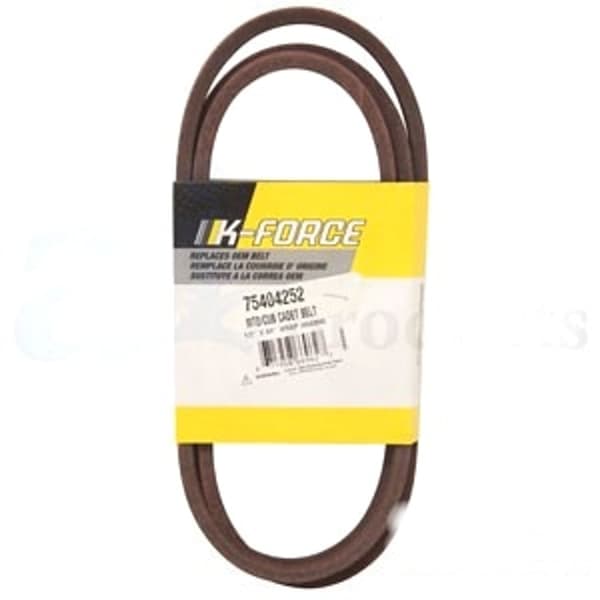
The riding mower drive belt, sometimes called the ground drive belt or transmission belt, is a critical component of your machine. It's responsible for transferring power from the engine to the transmission (transaxle), which in turn drives the wheels. A worn or broken drive belt means your mower won't move, leaving you stranded in the yard. This article provides a brand-specific overview of drive belts, helping you identify the correct replacement and understand common issues.
Recommended Parts for This Guide
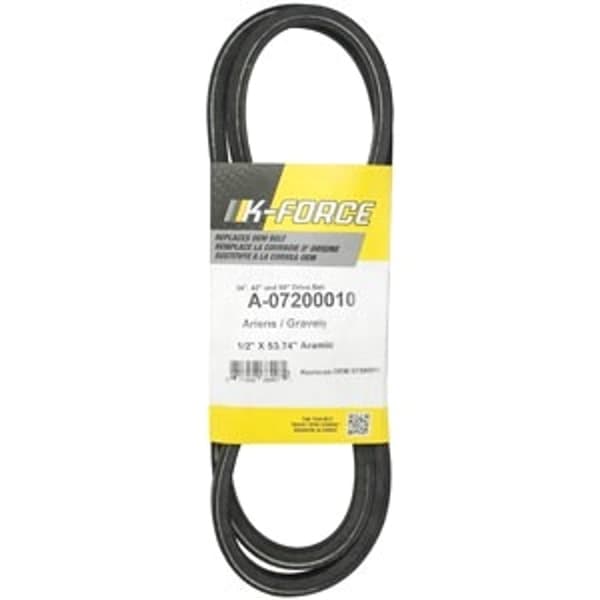
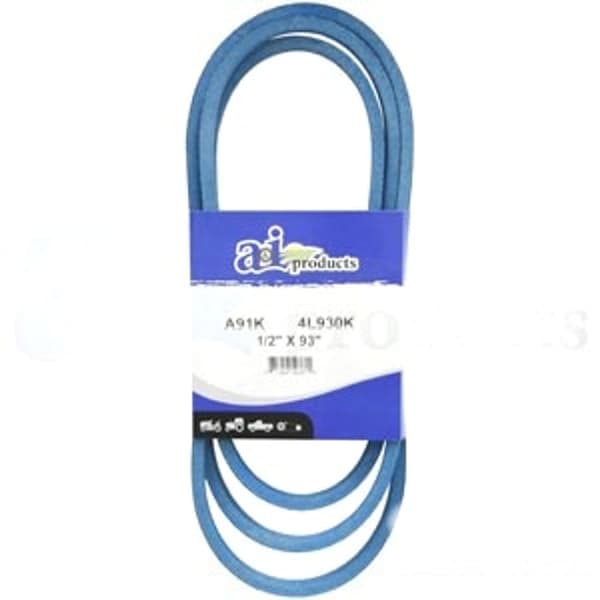
10 parts we recommend — in stock, ships fast, one-click add to cart.
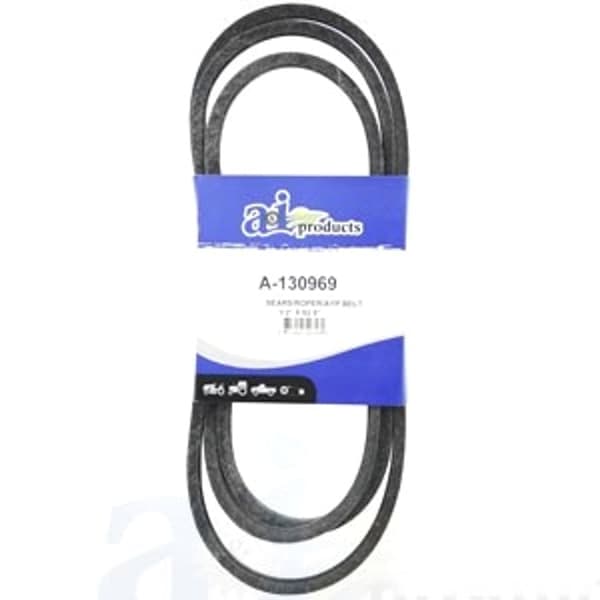
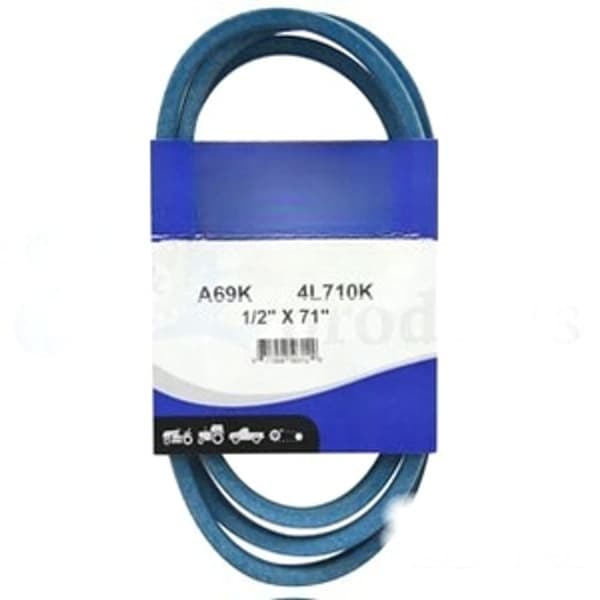
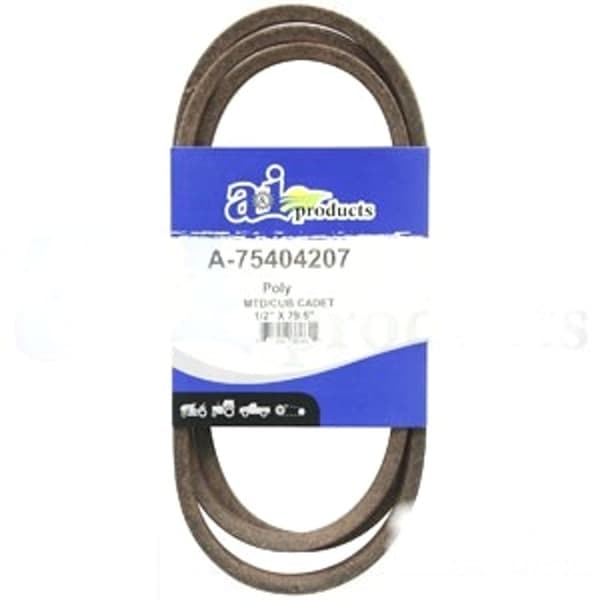
🔍 Looking for a specific part? Try our AI Part Finder — tell it your equipment and what you need, and it will find matching parts instantly.
The type of transmission your mower has plays a significant role in the drive belt system. Many modern mowers utilize a lawn tractor transaxle, often a hydrostatic transmission, which offers smooth, variable speed control.
Why Drive Belts Fail
Drive belts are subjected to significant stress, heat, and wear. Common causes of failure include:
- Age and wear: Over time, the rubber compound degrades, leading to cracking and stretching.
- Misalignment: Misaligned pulleys cause the belt to wear unevenly and eventually fail.
- Debris: Sticks, rocks, and other debris can become lodged in the pulleys or belt, causing damage.
- Overloading: Attempting to mow thick grass or pulling heavy loads can overstress the belt.
- Improper tension: Too much or too little tension can shorten the belt's lifespan.
Identifying the Correct replacement belt
Finding the right replacement belt is crucial. Here's how to ensure you get the correct one:
- Consult your owner's manual: This is the best source for the correct part number.
- Check the belt itself: Many belts have the part number printed on them. However, this can wear off over time.
- Measure the old belt: If the part number is unavailable, measure the belt's length and width. Use this information to find a matching belt. Keep in mind belts stretch with age so this is not an exact measurement, but can help in a pinch.
- Use our website: Enter your mower's model number to find compatible drive belts.
- Contact us: Our experts at Madison Tractor Company are happy to help you find the right belt for your machine.
Safety Warning: Always disconnect the spark plug wire before working on your mower to prevent accidental starting.
Riding mower drive belt by Brand
Here's a brand-specific guide to common drive belt issues and replacement tips:
John Deere Drive Belts
John Deere mowers are known for their durability, but even the best machines require maintenance. John Deere mowers can experience drive belt issues due to the belt rubbing on the mower deck's frame because the mower deck isn't leveled correctly. Make sure the mower deck is properly leveled to prevent belt rub. Refer to your owner’s manual for instructions on how to level the mower deck properly. Check your mower deck spindles, pulleys, and blades at the same time, as worn components can also contribute to belt wear. For a more comprehensive look, see John Deere Transmission Parts: Drive Belt & Transaxle.
When replacing a John Deere drive belt, consider replacing other wear parts such as pulleys, idler arms, and tension springs for optimal performance.
Craftsman Drive Belts
Craftsman mowers are popular for their affordability and availability. Craftsman drive belts often fail due to improper installation or using an incorrect belt. Always double-check the belt routing diagram in your owner's manual or on a sticker under the seat. Incorrect routing can cause the belt to rub against other components, leading to premature wear. See our guide to Craftsman Drive Belt: Ground Drive Belt Part Numbers for more details.
When replacing a craftsman drive belt, check the wheel bearings and spark plugs, as preventative maintenance helps prolong the life of other parts.
Cub Cadet Drive Belts
Cub Cadet mowers are known for their robust construction. Common Cub Cadet drive belt issues stem from debris buildup around the pulleys. Regularly clean the pulleys and surrounding areas to prevent damage. Also check the hydrostatic transmission fluid level. Low fluid can cause the transaxle to work harder, putting extra strain on the drive belt. For more info, read our article about Cub Cadet Transmission Parts: Drive Belt & Axle.
Consider replacing the air filter and fuel filter while replacing the belt for overall engine health.
Husqvarna Drive Belts
Husqvarna mowers are popular for their features and performance. A frequent cause of Husqvarna drive belt failure is improper tension. Ensure the tension spring is correctly adjusted to maintain proper belt tension. Too loose, and the belt will slip; too tight, and it will wear out quickly. Our guide Husqvarna Drive Belt: Transmission Belt by Model provides helpful details.
Check the condition of the riding mower rear axle seal to ensure it is not leaking fluid that could damage the belt over time.
Toro Drive Belts
Toro mowers are known for their ease of use and reliability. With Toro, look out for excessive wear on the belt from abrasion with other components. Make sure the belt guides and shields are in place and not bent to prevent the belt from rubbing against them.
Other Brands: Ariens, Murray, Hustler, Scag, Exmark, Ferris, Snapper, Simplicity, Dixie Chopper
Madison Tractor also carries belts for many other brands, including Ariens, Murray, Hustler, Scag, Exmark, Ferris, Snapper, Simplicity, and Dixie Chopper. The same principles apply: consult your owner's manual, inspect for wear, and ensure proper installation and tension.
General Drive Belt Replacement Tips
- Use the correct belt: Using the wrong size or type of belt can lead to premature failure and potential damage to your mower.
- Inspect pulleys: Check pulleys for wear, cracks, and damage. Replace any worn or damaged pulleys.
- Ensure proper alignment: Misaligned pulleys can cause the belt to wear unevenly.
- Adjust tension: Proper belt tension is crucial for optimal performance and belt life. Refer to your owner's manual for the correct tension.
- Cleanliness: Keep the pulleys and surrounding areas free of debris.
Shop Riding Mower Drive Belts at Madison Tractor Company
At Madison Tractor Company, we stock a wide selection of riding mower drive belts for all major brands. We also carry a full range of other parts, including blades, spindles, pulleys, filters, spark plugs, bearings, and shear pins. Our knowledgeable staff is ready to help you find the right parts for your mower. Shop with confidence and keep your mower running smoothly all season long! You can also use our AI-Powered Part Finder to search for parts by your specific make and model.
Part of our comprehensive guide
Mower Transmission Parts Guide: Transaxle, Drive Belt & Bearings