








Toro Drive Belt: TimeCutter Ground Drive Belt
Understanding the Toro drive belt system in your TimeCutter mower is crucial for maintaining its performance. This guide covers belt types, replacement procedures, maintenance tips, and troubleshooting to keep your mower running smoothly.
Introduction to Toro TimeCutter Drive Belts
The toro drive belt is the unsung hero in your Toro TimeCutter zero turn mower. It's responsible for transferring power from the engine to the transmission, enabling the wheels to turn and propel your mower forward. A worn or damaged drive belt can lead to reduced performance, slippage, or even complete immobility. Here at Madison Tractor Company, we understand the importance of keeping your equipment running smoothly. This guide will walk you through everything you need to know about Toro TimeCutter drive belts, including selection, replacement, maintenance, and troubleshooting.
Recommended Parts for This Guide
9 parts we recommend — in stock, ships fast, one-click add to cart.
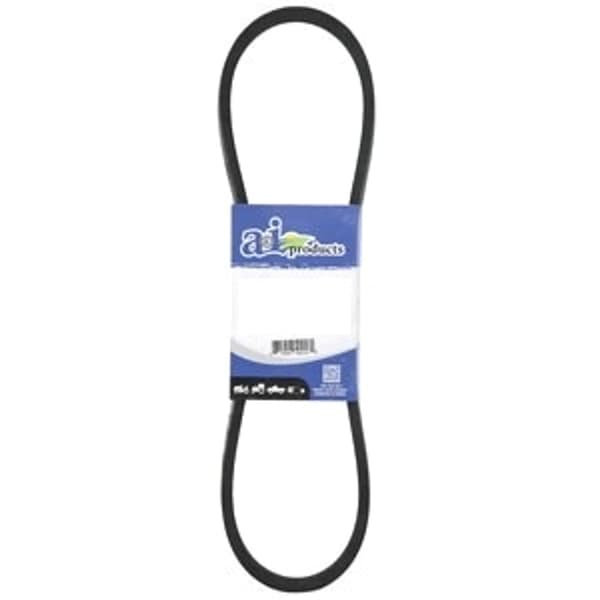
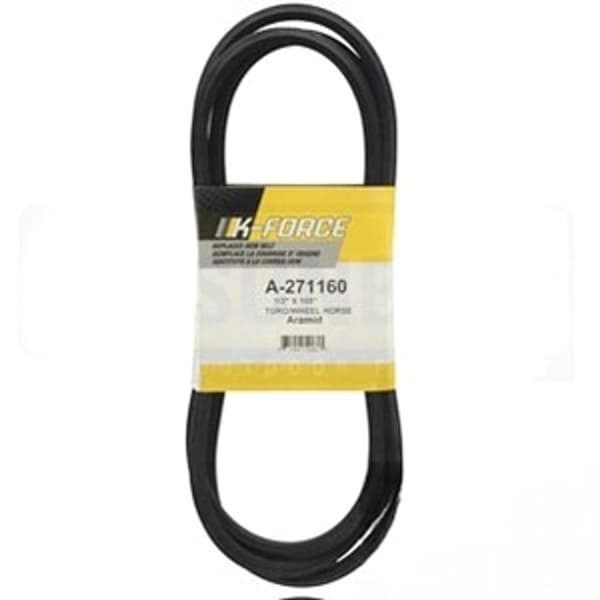
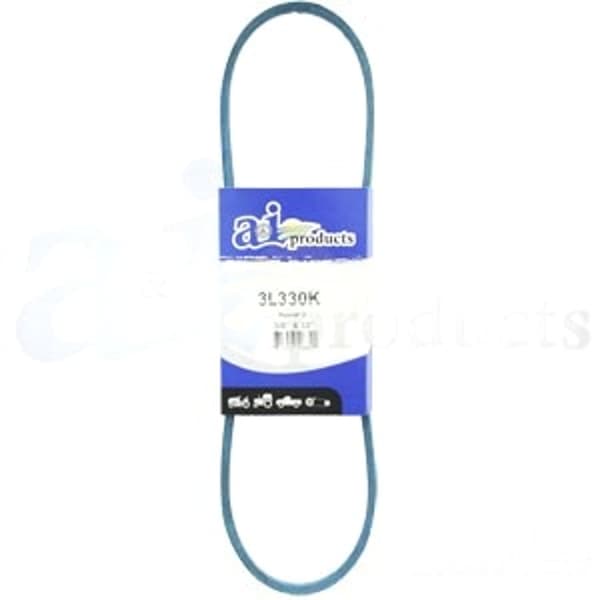
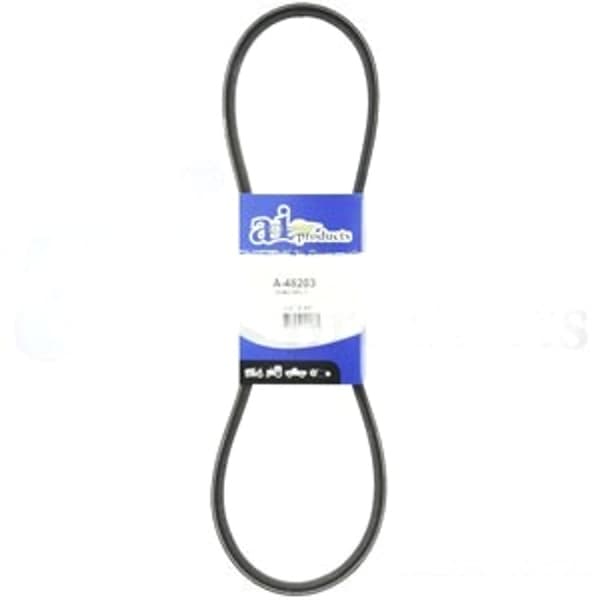
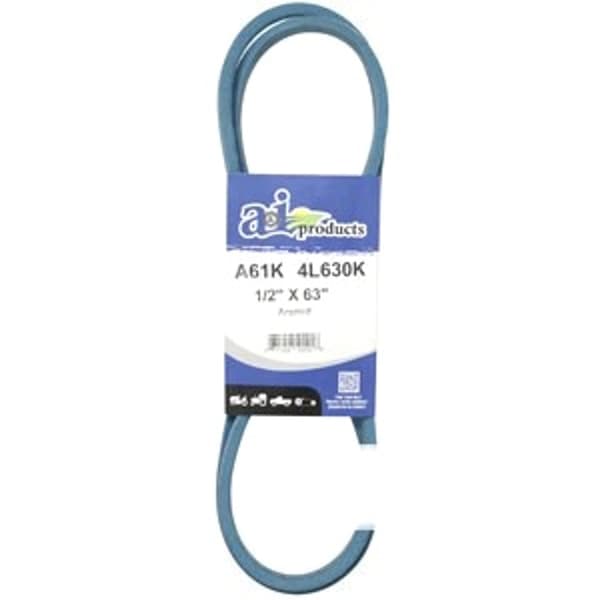
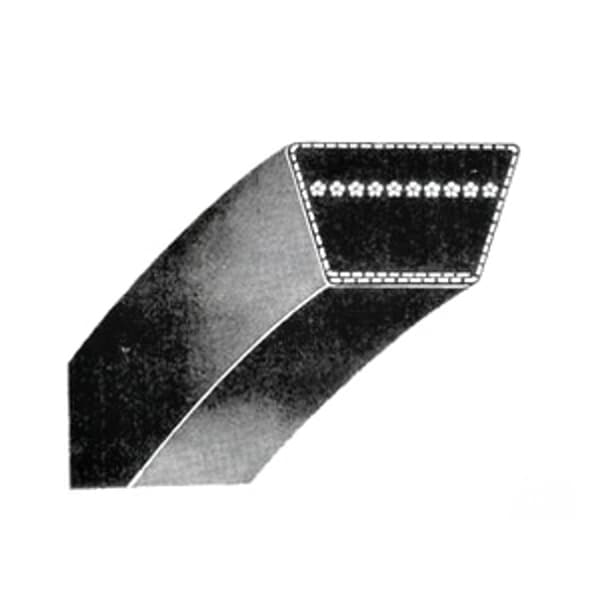
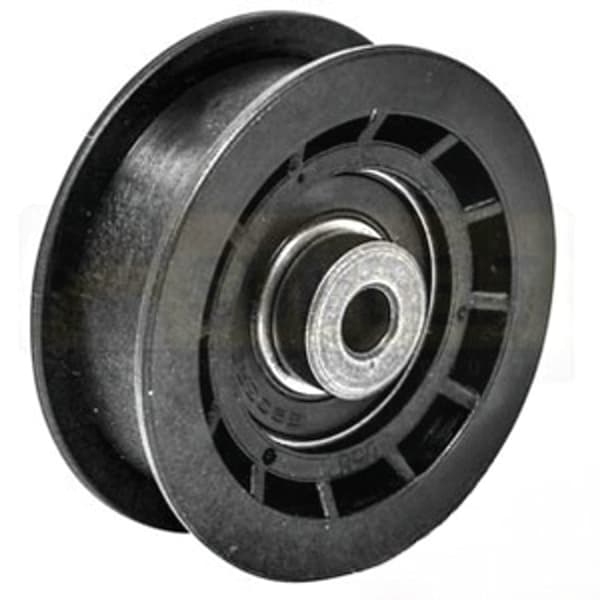
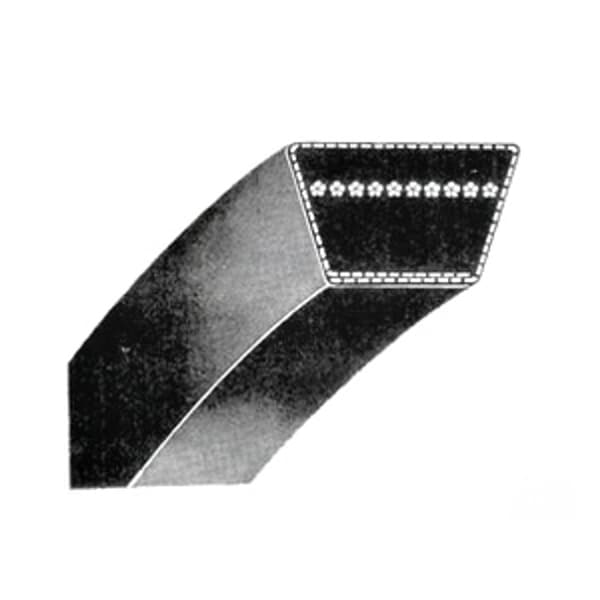
🔍 Looking for a specific part? Try our AI Part Finder — tell it your equipment and what you need, and it will find matching parts instantly.
Just like other lawn and garden brands such as John Deere, Cub Cadet, and Craftsman, Toro relies on quality drive belts for optimal performance.
Understanding the Ground Drive System
The drive system, often called the ground drive system, is a critical component of your riding mower or zero-turn mower. This system relies on a network of belts, pulleys, and in some cases, a transaxle, to deliver power from the engine to the wheels. In a Toro TimeCutter, the toro drive belt directly connects the engine to the transmissions (one for each wheel on a zero-turn), controlling forward and reverse movement.
The ground drive system includes the following key parts:
- Engine Pulley: Connects to the engine crankshaft and drives the belt.
- Drive Belt(s): Transmits power from the engine to the transmission or transaxle.
- Idler Pulleys: Maintain belt tension and guide the belt around obstacles.
- Transmission/Transaxle Pulleys: Receive power from the belt and transfer it to the wheels.
- Transmissions: (in TimeCutter models) Convert rotational energy into controlled movement of each wheel independently.
Understanding how these parts interact is essential for diagnosing drive system problems. Check out our article on Riding Mower Drive Belts for a more in-depth explanation of drive systems.
Identifying the Correct Toro Drive Belt
Using the correct toro drive belt is paramount for optimal performance and longevity. Incorrect belt sizes or materials can lead to slippage, premature wear, and potential damage to other components. There are several ways to identify the correct belt for your Toro TimeCutter:
Consult Your Owner's Manual
The owner's manual is your first and best resource. It will list the exact part number for the drive belt specific to your model.
Check the Toro Parts Lookup System
Toro's website has a parts lookup system where you can enter your model number to find the correct drive belt and other parts. This is a reliable method to ensure accuracy.
Measure the Old Belt (If Possible)
If the part number is no longer visible on the old belt, carefully measure its length and width. This can help you find a suitable replacement. However, keep in mind that a stretched or damaged belt may not provide accurate measurements.
Consult Madison Tractor Experts
Our experienced team at Madison Tractor Company is always ready to help you find the correct toro drive belt. Provide us with your model number, and we'll ensure you get the right part the first time. We carry belts for many brands, including Husqvarna, Ariens, Murray, Hustler, Scag, Exmark, Ferris, Snapper, Simplicity, and Dixie Chopper.
Replacing Your Toro TimeCutter Drive Belt: A Step-by-Step Guide
Replacing a toro drive belt on your TimeCutter is a task most homeowners can handle with the right tools and guidance. Here's a general step-by-step guide. Always consult your owner's manual for specific instructions related to your model.
- Safety First! Disconnect the spark plug wire to prevent accidental starting. Wear work gloves and safety glasses.
- Raise the Mower: Use a jack to safely lift the mower, providing access to the drive belt system. Secure the mower with jack stands.
- Remove the Mower Deck (if necessary): Some models require removing the mower deck to access the drive belt. Consult your manual for specific deck removal instructions.
- Locate the Drive Belt: Identify the drive belt connecting the engine pulley to the transmission pulleys.
- Release Belt Tension: Disengage the belt tensioner pulley by either loosening the tensioner spring or using a wrench to move the pulley. This will create slack in the belt.
- Remove the Old Belt: Carefully remove the old belt from the engine pulley, idler pulleys, and transmission pulleys. Note the belt routing for easy installation of the new belt.
- Install the New Belt: Route the new belt exactly as the old belt was routed, ensuring it sits properly in the grooves of all pulleys.
- Engage Belt Tension: Re-engage the belt tensioner pulley, ensuring the belt is properly tensioned.
- Reinstall the Mower Deck (if removed): Follow your manual's instructions for reinstalling the mower deck.
- Lower the Mower: Carefully lower the mower from the jack stands.
- Reconnect the Spark Plug Wire: Reconnect the spark plug wire.
- Test the Mower: Start the mower and test the drive system to ensure proper operation.
Maintaining Your Toro Drive Belt for Longevity
Proper maintenance can significantly extend the life of your toro drive belt. Here are some tips:
- Regular Inspections: Regularly inspect the drive belt for cracks, fraying, wear, or damage. Replace the belt immediately if any of these signs are present.
- Keep Pulleys Clean: Ensure the pulleys are free from debris, such as grass clippings and dirt, which can cause belt slippage and wear.
- Proper Belt Tension: Maintain proper belt tension. Too much tension can cause premature wear, while too little tension can lead to slippage. Adjust the tensioner pulley as needed.
- Avoid Overloading: Avoid overloading the mower by cutting excessively tall or thick grass, which can put undue stress on the drive belt.
- Check for Pulley Alignment: Make sure all pulleys are properly aligned. Misaligned pulleys can cause belt wear and slippage.
Troubleshooting Common Drive Belt Problems
Here are some common problems related to toro drive belts and their possible causes:
- Belt Slippage:
- Worn or stretched belt
- Loose belt tension
- Grease or oil contamination on the belt or pulleys
- Belt Squealing:
- Loose belt tension
- Worn or glazed belt
- Misaligned pulleys
- Belt Breakage:
- Worn or damaged belt
- Excessive belt tension
- Obstruction in the belt path
- Reduced Mower Speed:
- Worn or slipping belt
- Transmission problems (refer to our article on lawn tractor transaxles)
When troubleshooting, consider checking other relevant parts, such as blades, spindles, and pulleys, to ensure they are in good condition.
Also, be sure to maintain your hydrostatic transmission fluid at the proper level for optimal operation.
Madison Tractor Company: Your Partner for Toro Parts
At Madison Tractor Company, we are committed to providing you with high-quality parts and exceptional service. We carry a wide selection of toro drive belts, as well as other essential components like filters, spark plugs, bearings, and shear pins, to keep your Toro TimeCutter running at its best.
Shop with confidence knowing you're getting the right parts from a trusted source. Visit our website today to browse our selection of Toro parts and experience the Madison Tractor difference!
🔍 Can't Find Your Part?
Use our AI-Powered Part Finder to search by your equipment's make, model, and what you need. It's the fastest way to find the exact part for your machine.
Try the Part Finder →Part of our comprehensive guide
Mower Transmission Parts Guide: Transaxle, Drive Belt & Bearings