








Zero Turn Wheel Motor: Hydraulic Motor Replacement
A failing zero turn wheel motor can bring your mowing to a screeching halt. This guide walks you through diagnosing issues, selecting the right replacement, and performing the wheel motor replacement yourself, saving time and money.
Is Your Zero Turn Wheel Motor Failing?
A zero turn mower's maneuverability relies heavily on its hydraulic wheel motors. These motors, powered by the hydraulic system, independently drive each wheel, allowing for sharp turns and efficient mowing. When a zero turn wheel motor starts to fail, you'll notice a significant drop in performance. Common symptoms include:
Recommended Parts for This Guide
1 part we recommend — in stock, ships fast, one-click add to cart.
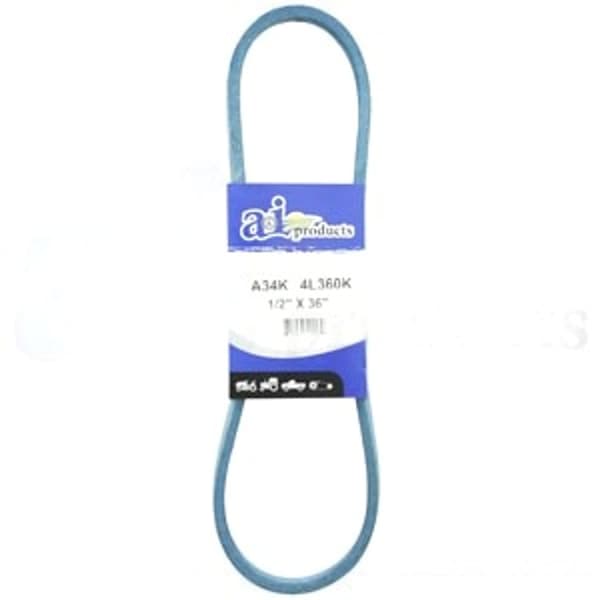
🔍 Looking for a specific part? Try our AI Part Finder — tell it your equipment and what you need, and it will find matching parts instantly.
- Loss of power on one side: The mower struggles to climb hills or maintain speed on one side only.
- Jerky movements: The mower moves unevenly, especially during turns.
- Unusual noises: Grinding, whining, or clicking sounds coming from the wheel motor area.
- Inability to turn properly: The mower struggles to turn in one or both directions.
- Hydraulic fluid leaks: Visible leaks around the wheel motor or hydraulic lines.
Before jumping to a replacement, rule out other potential causes. Check the hydrostatic transmission fluid level and condition. Low or contaminated fluid can cause similar symptoms. Also, inspect the riding mower drive belt (if applicable for models with belt-driven hydraulic pumps) for wear or damage. A worn belt can reduce hydraulic pressure.
Tools and Materials You'll Need
Replacing a zero turn wheel motor requires a basic set of tools and safety equipment. Gather the following before you begin:
- New Zero Turn Wheel Motor: Make sure to get the correct replacement part for your specific mower model.
- Socket Set and Wrenches: Including sizes to fit the wheel motor mounting bolts and hydraulic line fittings.
- Hydraulic Line Wrenches (Flare Nut Wrenches): Essential for loosening and tightening hydraulic lines without damaging the fittings.
- Drain Pan: To catch any spilled hydraulic fluid.
- Shop Rags: For cleaning up spills.
- Jack and Jack Stands: To safely lift and support the mower.
- Safety Glasses and Gloves: To protect your eyes and hands.
- Torque Wrench: To tighten bolts to the correct specifications.
- Penetrating Oil: To loosen any stubborn bolts or fittings.
- Hydraulic Fluid: To top off the system after the replacement. Refer to your owner's manual for the correct type.
Step-by-Step Wheel Motor Replacement Guide
Safety First: Before starting any work, disconnect the spark plug wire to prevent accidental starting. Wear safety glasses and gloves.
- Prepare the Mower: Park the mower on a level surface. Engage the parking brake. Use a jack to lift the rear of the mower and securely support it with jack stands.
- Locate the Wheel Motor: The zero turn wheel motor is typically located directly behind the wheel it drives.
- Disconnect Hydraulic Lines:
- Use hydraulic line wrenches to carefully loosen the hydraulic lines connected to the motor. Be prepared for some hydraulic fluid to spill. Have a drain pan ready.
- Label each line as you disconnect it to ensure you reconnect them correctly. A simple piece of masking tape and a marker will do the trick.
- Cap the ends of the hydraulic lines and the ports on the hydraulic pump immediately to prevent contamination of the system.
- Remove the Wheel Motor:
- Remove the bolts securing the wheel motor to the mower frame. Use penetrating oil if the bolts are rusted.
- Carefully remove the old wheel motor. It may be heavy, so get help if needed.
- Install the New Wheel Motor:
- Install the new zero turn wheel motor in the reverse order of removal.
- Tighten the mounting bolts to the manufacturer's specified torque.
- Reconnect Hydraulic Lines:
- Reconnect the hydraulic lines to the correct ports on the new motor, matching your labels.
- Tighten the hydraulic line fittings securely, but avoid overtightening, which can damage the fittings.
- Bleed the Hydraulic System:
- Consult your mower's owner's manual for the specific procedure for bleeding the hydraulic system. This process removes air from the system, which is crucial for proper operation.
- A common method involves loosening the hydraulic line fittings slightly while operating the mower's controls to allow air to escape.
- Check for Leaks: Start the mower and carefully inspect all connections for hydraulic fluid leaks. Tighten any fittings that are leaking.
- Test the Mower: Test the mower's operation in a safe area. Check for smooth, even movement and proper turning.
Troubleshooting After Replacement
Even after a successful replacement, you might encounter some issues. Here are a few common problems and their solutions:
- Mower still moves unevenly: Double-check the hydraulic fluid level and bleed the system again. There might be residual air in the lines. Ensure the lawn tractor transaxle and linkages are properly adjusted.
- New motor is noisy: This could indicate air in the system or a defective motor. Bleed the system thoroughly. If the noise persists, contact the motor manufacturer or supplier.
- Hydraulic fluid leaks: Tighten the fittings. If leaks continue, inspect the fittings and lines for damage. Replace any damaged components.
Choosing the Right Replacement Motor
Selecting the correct zero turn wheel motor is crucial for ensuring proper performance and longevity. Always refer to your mower's owner's manual or parts diagram for the correct part number. When searching for a replacement, consider these factors:
- Compatibility: The motor must be compatible with your mower's make and model. Mowers from brands like John Deere, Cub Cadet, Husqvarna, Toro, Ariens, Murray, Hustler, Scag, Exmark, Ferris, Snapper, Simplicity, and Dixie Chopper each utilize specific motor designs.
- Specifications: Match the motor's specifications, including displacement, pressure rating, and shaft size, to the original motor.
- Quality: Choose a reputable brand known for producing high-quality hydraulic components.
Madison Tractor Company offers a wide selection of replacement zero turn wheel motor options for various mower brands and models. Our knowledgeable staff can help you find the right part for your needs. We also stock related parts like belts, blades, spindles, pulleys, filters, spark plugs, bearings, and shear pins. Don't forget to check your lawn tractor wheel bearings during this repair. And if you're working on the John Deere transmission parts or Cub Cadet transmission parts, we can assist you!
Maintaining Your Wheel Motors for Longevity
Proper maintenance can significantly extend the life of your zero turn wheel motors. Here are some tips:
- Regularly check the hydraulic fluid level: Low fluid levels can lead to overheating and premature wear.
- Use the correct type of hydraulic fluid: Refer to your owner's manual for the recommended fluid type.
- Change the hydraulic fluid and filter regularly: Contaminated fluid can damage the motors.
- Keep the motors clean: Remove any debris that accumulates around the motors.
- Avoid overloading the mower: Overloading can put excessive strain on the motors.
Addressing a failing wheel motor promptly is essential for maintaining your zero turn mower's performance and preventing further damage to other components. By following this guide, you can confidently diagnose the issue, select the right replacement, and perform the zero turn wheel motor replacement yourself.
Shop Zero Turn Wheel Motors at Madison Tractor Company
Ready to get your zero turn mower back in top shape? Madison Tractor Company carries a wide selection of high-quality zero turn wheel motor replacements for all major brands, including John Deere, Cub Cadet, Craftsman, Husqvarna, Toro, and more. We also offer a comprehensive selection of other transmission and drive system parts like Craftsman drive belts and riding mower rear axle seals. Browse our online catalog or contact our experienced team for assistance in finding the perfect parts for your needs. We're committed to providing top-notch customer service and fast shipping, so you can get back to mowing quickly and efficiently.
🔍 Can't Find Your Part?
Use our AI-Powered Part Finder to search by your equipment's make, model, and what you need. It's the fastest way to find the exact part for your machine.
Try the Part Finder →Part of our comprehensive guide
Mower Transmission Parts Guide: Transaxle, Drive Belt & Bearings