








Husqvarna Drive Belt: Transmission Belt by Model
Finding the right Husqvarna drive belt for your riding mower is crucial for optimal performance. This guide provides insights into identifying the correct belt and understanding transmission systems.
The Husqvarna drive belt, also known as the transmission belt or ground drive belt, is a critical component in your riding mower. It transfers power from the engine to the transaxle, enabling your mower to move. A worn or broken belt means your mower won't go anywhere! At Madison Tractor, we understand the importance of keeping your equipment running smoothly. This guide will help you understand Husqvarna drive belts and find the right replacement for your model. You may also find our general Riding Mower Drive Belt Guide helpful.
Recommended Parts for This Guide
8 parts we recommend — in stock, ships fast, one-click add to cart.
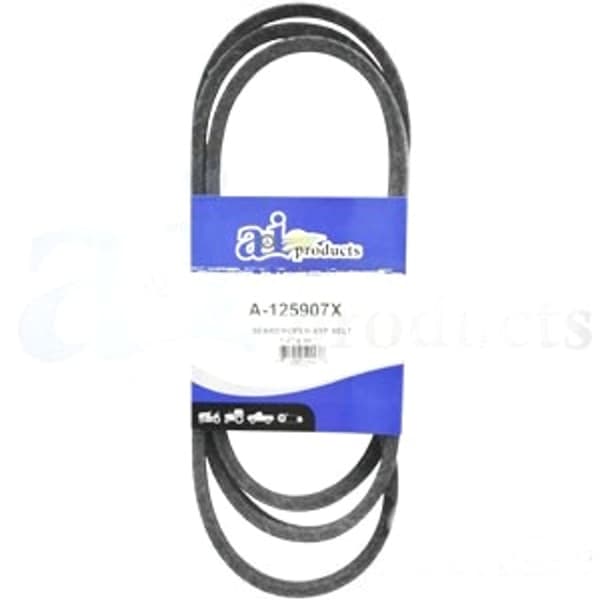
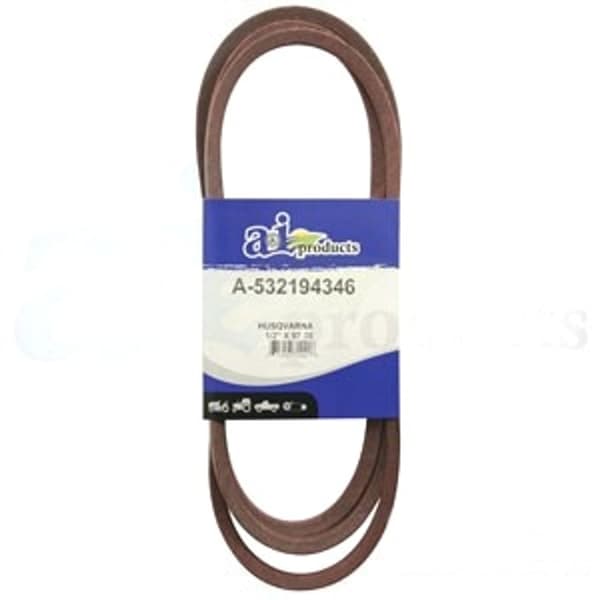
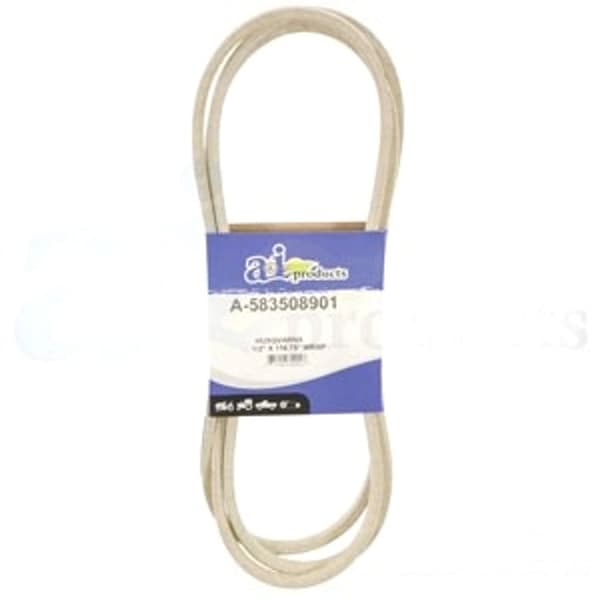
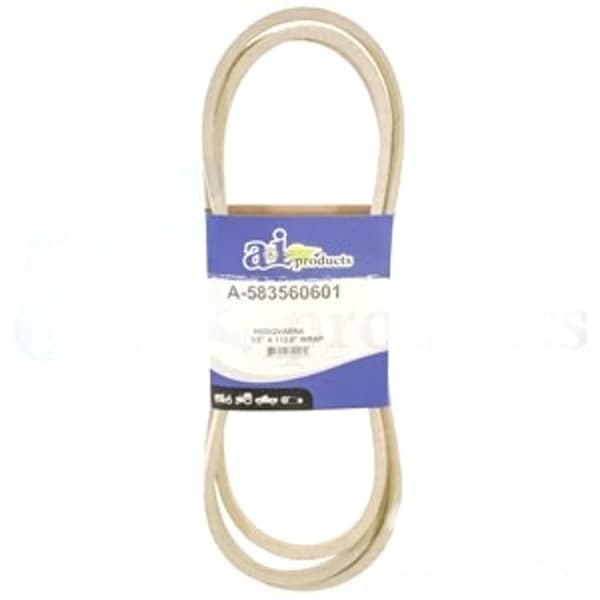
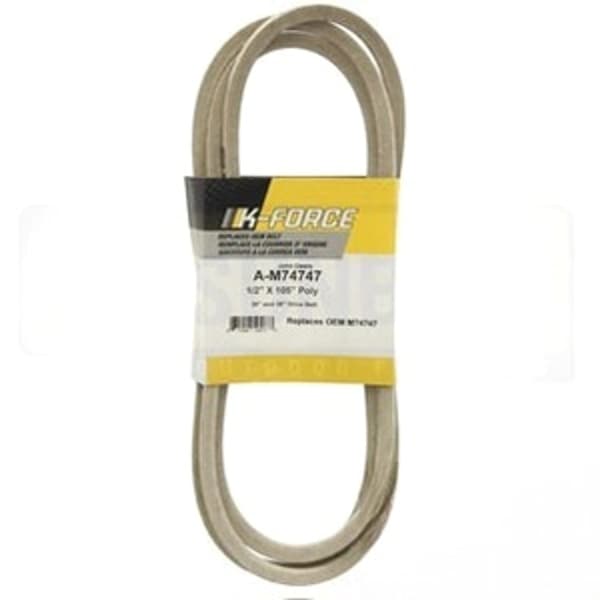
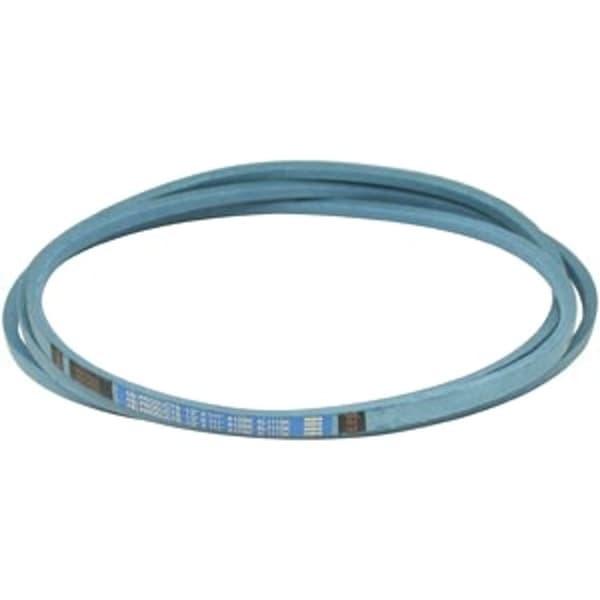
🔍 Looking for a specific part? Try our AI Part Finder — tell it your equipment and what you need, and it will find matching parts instantly.
Understanding Husqvarna Drive Belts
Husqvarna utilizes various drive belt configurations depending on the model and year of manufacture. These belts are designed to withstand significant tension and friction. Over time, they can stretch, crack, or break down due to wear and tear, exposure to the elements improper maintenance.
The transmission belt is a key component of the transmission and drive system parts in your mower.
Belt Materials and Construction
Most Husqvarna drive belts are made from reinforced rubber compounds. These compounds are designed to resist stretching and cracking. The reinforcement often consists of aramid fibers (like Kevlar) or other high-strength materials embedded within the rubber. These fibers prevent the belt from stretching excessively under load, ensuring consistent power transfer.
Common Signs of a Worn Drive Belt
- Slippage The mower struggles to climb hills or loses speed under load.
- Squealing or Chirping A high-pitched noise coming from the belt area, especially when engaging the drive.
- Visible Cracks or Damage Inspect the belt for cracks, fraying, or missing chunks of rubber.
- Reduced Mower Speed The mower moves slower than usual, even at full throttle.
- Complete Failure The belt snaps, rendering the mower immobile.
Identifying the Correct Husqvarna Drive Belt
Finding the right replacement Husqvarna drive belt is crucial. Using the wrong belt can lead to poor performance, premature wear, or even damage to your mower. Here's how to identify the correct belt
Locating the Model Number
The most important step is to locate your Husqvarna mower's model number. This number is usually found on a sticker or plate located on the mower frame. Common locations
- Under the seat
- On the frame near the engine
- On the rear of the mower
- Inside the hood
The model number typically consists of a series of numbers and letters (e.g., YTH24V48, ).
Using the Model Number to Find the Belt
Once you have the model number, you can use it to search for the correct drive belt on the Madison Tractor website. Our website allows you to filter by brand (Husqvarna) and model number to find compatible parts. You can also use the model number to cross-reference with OEM (Original Equipment Manufacturer) part numbers or aftermarket equivalents.
Measuring the Old Belt (If Available)
If the old belt is still intact (even if damaged), you can measure its length and width. This can help you narrow down your search, especially if the model number is not readily available. However, be aware that a stretched or damaged belt might not provide accurate measurements.
To measure the belt, use a flexible measuring tape and follow these steps
- Lay the belt flat on a clean surface.
- Measure the outside circumference of the belt.
- Measure the width of the belt.
Compare these measurements to the specifications of the replacement belts you are considering.
Replacing Your Husqvarna Drive Belt: A Step-by-Step Guide
Replacing a Husqvarna drive belt is a relatively straightforward task that most homeowners can perform with basic tools. However, safety should always be your top priority.
Safety Precautions
- Disconnect the Spark Plug Before working on your mower, disconnect the spark plug wire to prevent accidental starting.
- Wear Gloves Protect your hands from sharp edges and grease.
- Use Jack Stands If you need to lift the mower, use jack stands to support it safely. Never rely solely on a jack.
- Refer to Your Owner's Manual Consult your Husqvarna owner's manual for specific instructions and safety recommendations for your model.
Tools You'll Need
- New Husqvarna drive belt
- Socket set or wrenches
- Pliers
- Screwdrivers (Phillips and flathead)
- Jack and jack stands (optional)
- Gloves
- Safety glasses
Step-by-Step Instructions
- Access the Drive Belt Depending on your model, you may need to remove a mower deck, belt guards, or other components to access the drive belt. Refer to your owner's manual for specific instructions.
- Release Belt Tension Locate the tensioner pulley and release the tension on the old belt. This usually involves loosening a bolt or moving a lever.
- Remove the Old Belt Carefully remove the old belt from the pulleys. Take note of the belt routing for reference during installation.
- Install the New Belt Route the new belt around the pulleys, following the same path as the old belt. Ensure the belt is properly seated in the grooves of each pulley.
- Tension the Belt Engage the tensioner pulley to apply the correct tension to the new belt.
- Reassemble Components Reinstall any components you removed to access the drive belt, such as the mower deck or belt guards.
- Test the Mower Reconnect the spark plug wire and start the mower. Engage the drive and check for proper operation. Listen for any unusual noises or slippage.
Maintaining Your Husqvarna Drive Belt
Proper maintenance can extend the life of your Husqvarna drive belt and prevent premature failure. Here are some tips
- Regular Inspections Inspect the belt regularly for signs of wear or damage. Replace the belt if you notice any cracks, fraying, or excessive stretching.
- Keep Pulleys Clean Clean the pulleys regularly to remove debris and prevent belt slippage.
- Proper Belt Tension Ensure the belt has the correct tension. Too much tension can cause premature wear, while too little tension can lead to slippage.
- Avoid Overloading Avoid overloading the mower by mowing excessively tall grass or pulling heavy loads.
- Store Mower Properly Store your mower in a dry, sheltered location to protect the belt from the elements.
Madison Tractor: Your Source for Husqvarna Parts
At Madison Tractor, we carry a wide selection of Husqvarna drive belts and other parts for your riding mower, zero turn mower, snow blower and small engines. We also stock parts for other top brands like John Deere, Craftsman, Cub Cadet, Toro, Ariens, Murray, Hustler, Scag, Exmark, Ferris, Snapper, Simplicity Dixie Chopper.
In addition to drive belts, we offer a comprehensive range of parts, including blades, spindles, pulleys, filters, spark plugs, bearingsshear pins. If you are experiencing other issues, you may want to learn more about lawn tractor transaxles and hydrostatic transmission fluid, or browse our selection of lawn tractor wheel bearings and riding mower rear axle seals.
Shop with confidence at Madison Tractor and keep your outdoor power equipment running strong!
🔍 Can't Find Your Part?
Use our AI-Powered Part Finder to search by your equipment's make, model, and what you need. It's the fastest way to find the exact part for your machine.
Try the Part Finder →Part of our comprehensive guide
Mower Transmission Parts Guide: Transaxle, Drive Belt & Bearings