








Zero Turn Hydraulic Fluid: Type & Change Intervals
Zero turn mowers rely on hydraulic fluid to power their drive systems. Understanding the correct fluid type and following proper maintenance intervals are crucial for longevity and performance. This guide provides expert advice on zero turn hydraulic fluid.
Zero turn mowers (ZTRs) are known for their maneuverability and speed, thanks to their independent hydraulic drive systems. These systems rely on hydraulic fluid to transmit power from the engine to the wheels. Choosing the right zero turn hydraulic fluid and maintaining it properly is crucial for the longevity and performance of your mower. Neglecting this aspect can lead to reduced efficiency, increased wear and tear, and even costly repairs. This guide will walk you through the essentials of zero turn hydraulic fluid.
Recommended Parts for This Guide
7 parts we recommend — in stock, ships fast, one-click add to cart.
🔍 Looking for a specific part? Try our AI Part Finder — tell it your equipment and what you need, and it will find matching parts instantly.
Understanding Zero Turn Hydraulic Systems
Before diving into fluid types, it's helpful to understand how a zero turn hydraulic system works. Unlike traditional lawn tractors with a belt-driven transmission (covered in detail in our riding mower drive belt guide), ZTRs use hydraulic pumps and motors. The engine drives hydraulic pumps, which then push fluid through hoses to hydraulic motors connected to each wheel. By controlling the flow of fluid to each motor independently, the mower can turn on a dime.
Key components in a zero turn's hydraulic system include:
- Hydraulic Pumps: These generate the flow of hydraulic fluid.
- Hydraulic Motors: These convert the fluid flow into rotational force to drive the wheels.
- Hydraulic Reservoir: This holds the supply of hydraulic fluid.
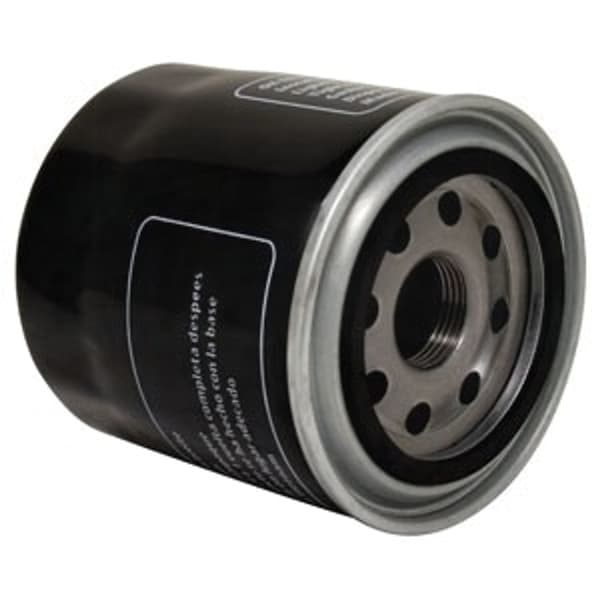
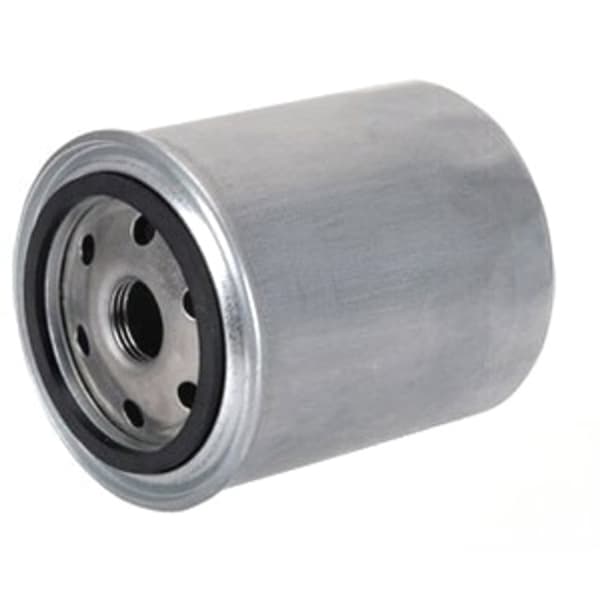
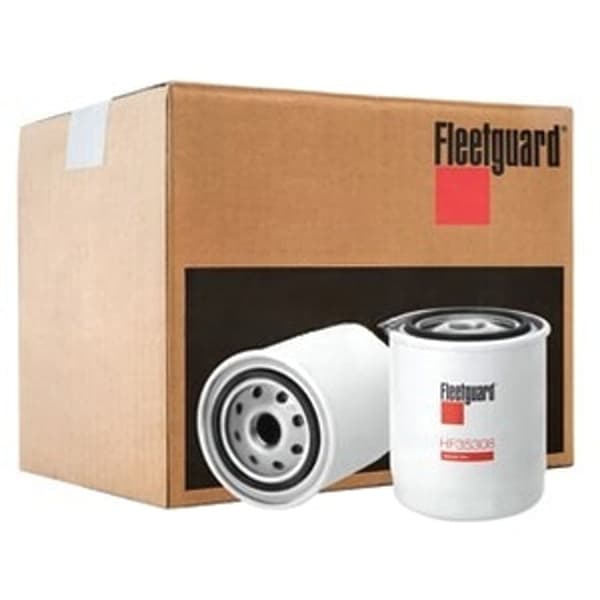
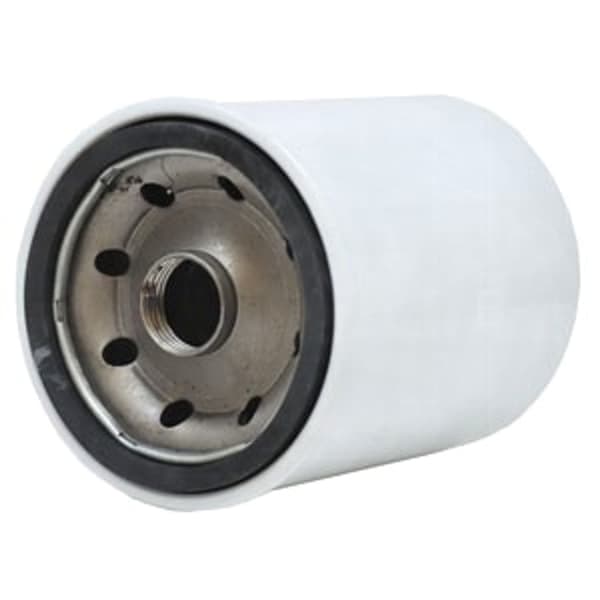
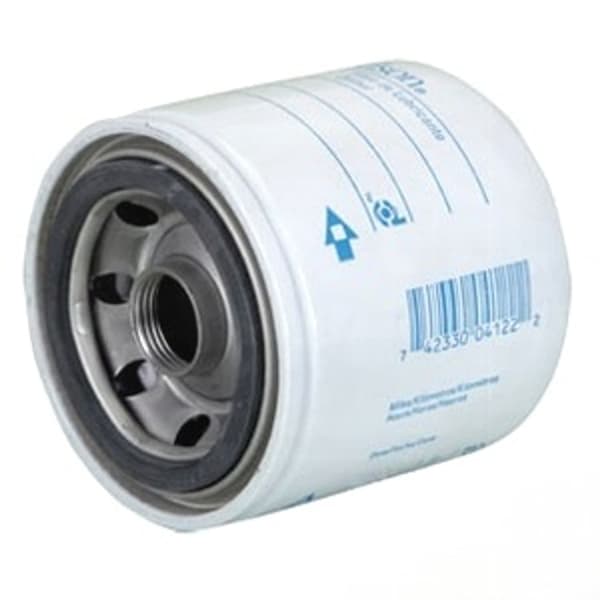
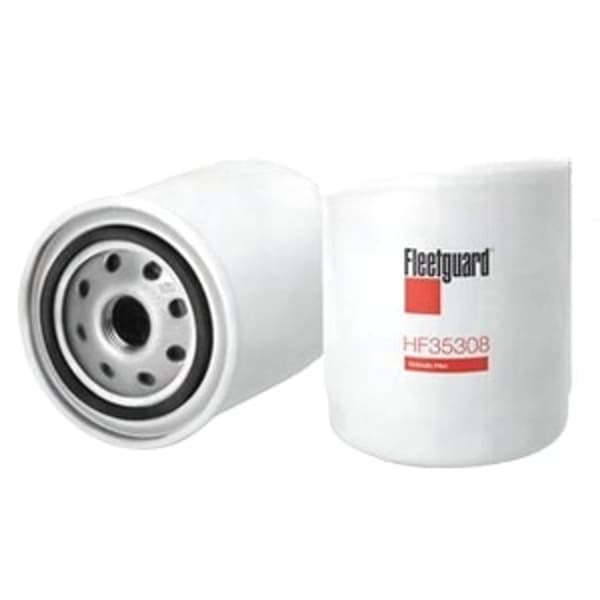
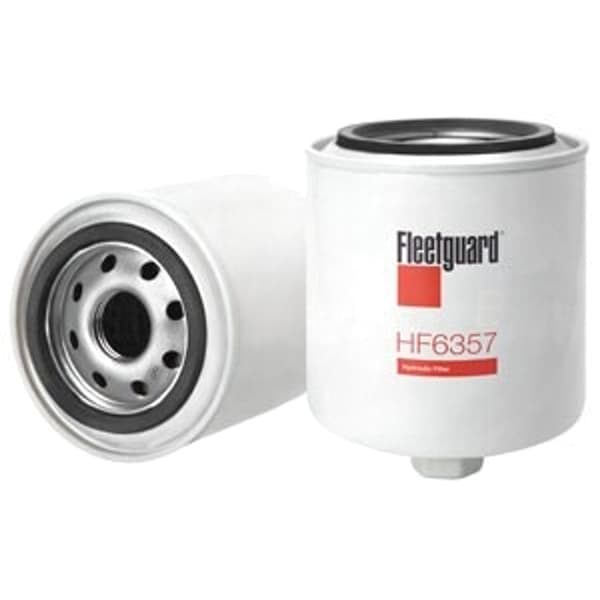
- Hydraulic Filters: These remove contaminants from the fluid, preventing damage to the system. You can find replacement hydraulic filters at Madison Tractor Company.
- Hydraulic Hoses: These carry the fluid between components.
The hydraulic system is a closed loop. Fluid is pumped from the reservoir, through the system, and back to the reservoir. Over time, the fluid can degrade, becoming contaminated with dirt, debris, and moisture. This is why regular maintenance, including fluid changes, is so important.
Choosing the Right Zero Turn Hydraulic Fluid
Selecting the correct hydraulic fluid is essential for optimal performance and longevity. Using the wrong fluid can cause damage to the pumps, motors, and seals. Here's what to consider:
Consult Your Owner's Manual
The most important step is to consult your owner's manual. The manufacturer specifies the exact type and grade of hydraulic fluid recommended for your specific model. This is especially important for brands like John Deere, Cub Cadet, Husqvarna, Toro, Ariens, Murray, Hustler, Scag, Exmark, Ferris, Snapper, Simplicity, and Dixie Chopper. Using the recommended fluid ensures compatibility with the system's components and seals.
Hydraulic Fluid Types
While specific recommendations vary, here are some common types of hydraulic fluid used in zero turn mowers:
- Multi-Viscosity Hydraulic Fluid: Fluids like 20W-50 or 10W-30 are commonly recommended. These fluids offer good performance over a wide range of temperatures.
- Synthetic Hydraulic Fluid: Synthetic fluids offer superior performance and protection, especially in extreme temperatures. They often have longer service lives than conventional fluids.
- Universal Tractor Hydraulic Fluid (UTF): Some manufacturers may recommend UTF fluids, which are designed for use in a variety of tractor applications, including hydraulic systems and transmissions.
- Dexron/Mercon Automatic Transmission Fluid (ATF): In some older or smaller zero turn mowers, ATF may be specified. However, this is becoming less common, so always check your manual.
Important Note: Never mix different types of hydraulic fluid. If you're unsure what type of fluid is currently in your system, it's best to completely drain and flush the system before adding new fluid. Refer to our article on hydrostatic transmission fluid for general tips which often apply to ZTR hydraulic systems as well.
Viscosity
Viscosity refers to the fluid's resistance to flow. A higher viscosity fluid is thicker, while a lower viscosity fluid is thinner. Using the correct viscosity is important for proper lubrication and hydraulic system performance. Your owner's manual will specify the appropriate viscosity grade, such as SAE 20W-50.
Zero Turn Hydraulic Fluid Change Intervals
Regular hydraulic fluid changes are essential for maintaining the health of your zero turn's hydraulic system. Over time, the fluid degrades, losing its lubricating properties and becoming contaminated with dirt, debris, and moisture. Here's a general guideline:
- Initial Change: Most manufacturers recommend an initial hydraulic fluid and filter change after the first 50-100 hours of operation. This removes any manufacturing debris that may be present in the system.
- Regular Intervals: After the initial change, most manufacturers recommend changing the hydraulic fluid and filter every 200-400 hours of operation, or at least once a year. Check your owner's manual for specific recommendations.
- Severe Conditions: If you operate your zero turn in dusty, dirty, or extremely hot conditions, you may need to change the fluid more frequently.
Changing Your Zero Turn Hydraulic Fluid: A Step-by-Step Guide
Here's a general guide to changing the hydraulic fluid in your zero turn mower. Always consult your owner's manual for specific instructions and safety precautions for your model.
Safety First:
- Wear safety glasses and gloves to protect yourself from hydraulic fluid.
- Allow the engine and hydraulic system to cool down completely before starting.
- Work in a well-ventilated area.
- Place a drain pan under the drain plug to catch the old fluid.
- Prepare the Mower: Park the mower on a level surface and engage the parking brake.
- Locate the Drain Plug(s): Consult your owner's manual to locate the hydraulic fluid drain plug(s). Some mowers have multiple drain plugs.
- Drain the Old Fluid: Place a drain pan under the drain plug(s) and remove the plug(s) using a wrench. Allow the fluid to drain completely.
- Replace the hydraulic filter(s): Locate the hydraulic filter(s) and remove them using a filter wrench. Be prepared for some additional fluid to spill. Install new filter(s), pre-filling them with fresh hydraulic fluid if possible.
- Reinstall the Drain Plug(s): Clean the drain plug(s) and install new sealing washers if necessary. Tighten the plug(s) to the torque specification listed in your owner's manual.
- Fill with New Fluid: Locate the hydraulic fluid reservoir and remove the fill cap. Fill the reservoir with the recommended type and amount of hydraulic fluid, as specified in your owner's manual. Use a funnel to prevent spills.
- Check the Fluid Level: After filling, check the fluid level using the dipstick or sight glass on the reservoir. Add more fluid if necessary.
- Bleed the System (if required): Some hydraulic systems require bleeding to remove air from the lines. Consult your owner's manual for specific instructions.
- Run the Mower: Start the mower and let it run for a few minutes to circulate the new fluid. Check for leaks around the drain plug(s) and filter(s).
- Recheck the Fluid Level: After running the mower, recheck the fluid level and add more fluid if necessary.
- Dispose of Old Fluid Properly: Take the used hydraulic fluid to a local recycling center or auto parts store for proper disposal.
Remember to inspect other components while you are performing maintenance, such as checking the condition of your belts and blades. Also, consult our articles on lawn tractor transaxles, lawn tractor wheel bearings, and riding mower rear axle seal for further maintenance tips. If you own a John Deere, Cub Cadet, or Craftsman, we have guides dedicated to John Deere transmission parts, Cub Cadet transmission parts, and Craftsman drive belts, respectively.
Troubleshooting Common Hydraulic System Problems
If you're experiencing problems with your zero turn's hydraulic system, such as reduced power, slow response, or jerky movements, it's important to troubleshoot the issue. Here are some common problems and potential solutions:
- Low Hydraulic Fluid Level: Check the fluid level and add more fluid if necessary.
- Contaminated Hydraulic Fluid: Change the fluid and filter.
- Clogged Hydraulic Filter: Replace the filter.
- Air in the System: Bleed the system.
- Worn Hydraulic Pump or Motor: These may need to be rebuilt or replaced.
- Leaking Hydraulic Hoses or Fittings: Repair or replace the leaking components.
If you're not comfortable troubleshooting hydraulic system problems yourself, it's best to take your mower to a qualified mechanic.
Shop Zero Turn Hydraulic Fluid and Parts at Madison Tractor Company
Maintaining your zero turn's hydraulic system with the right zero turn hydraulic fluid and regular maintenance is essential for its longevity and performance. Madison Tractor Company carries a wide selection of hydraulic fluid, filters, and other parts for John Deere, Cub Cadet, Husqvarna, Toro, Ariens, and many other brands. We also stock a full range of other parts including belts, blades, spindles, pulleys, spark plugs, bearings and shear pins. Browse our online catalog or contact our knowledgeable staff for assistance in finding the right parts for your mower. Keep your ZTR running smoothly with Madison Tractor Company! You can also use our AI-Powered Part Finder to search for parts by your specific make and model.
Part of our comprehensive guide
Mower Transmission Parts Guide: Transaxle, Drive Belt & Bearings