







Lawn Tractor Wheel Bearings: Front & Rear by Brand
Wobbly wheels? Learn how to diagnose and replace your lawn tractor's front and rear wheel bearings. This guide covers common brands and provides essential maintenance tips.
Introduction to Lawn Tractor Wheel Bearings
Lawn tractor wheel bearings are essential for smooth operation and steering. Over time, these bearings can wear out due to normal use, exposure to dirt and moisture, or lack of lubrication. Failing to address worn wheel bearings can lead to uneven tire wear, poor handling, and even damage to other components in your lawn tractor transaxle and drive system. This guide will help you understand the types of wheel bearings, how to identify when they need replacement, and the general steps involved in replacing them on various brands of lawn tractors.
Recommended Parts for This Guide
9 parts we recommend — in stock, ships fast, one-click add to cart.
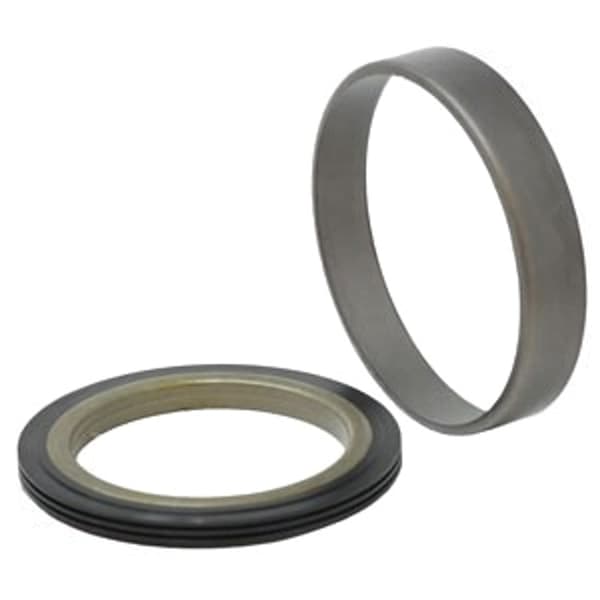
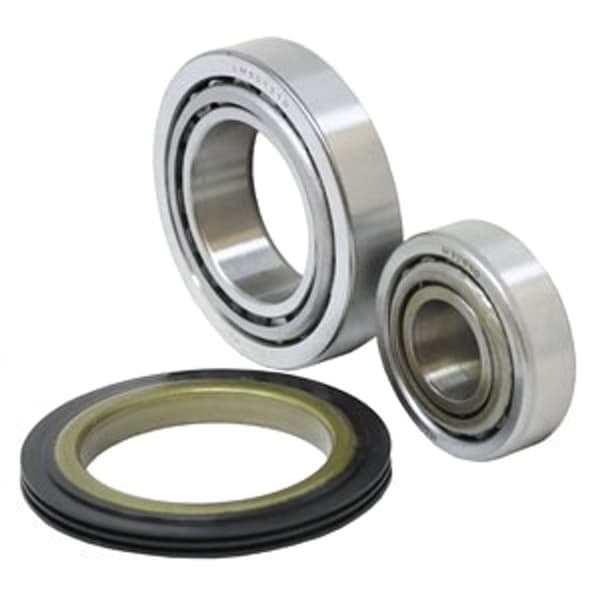
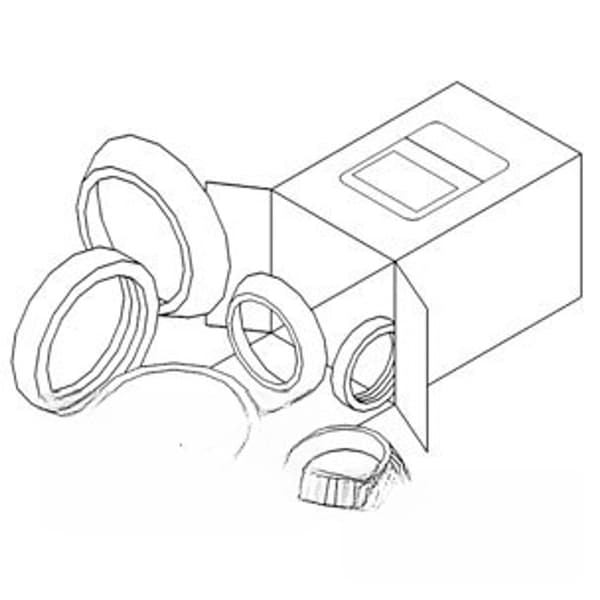
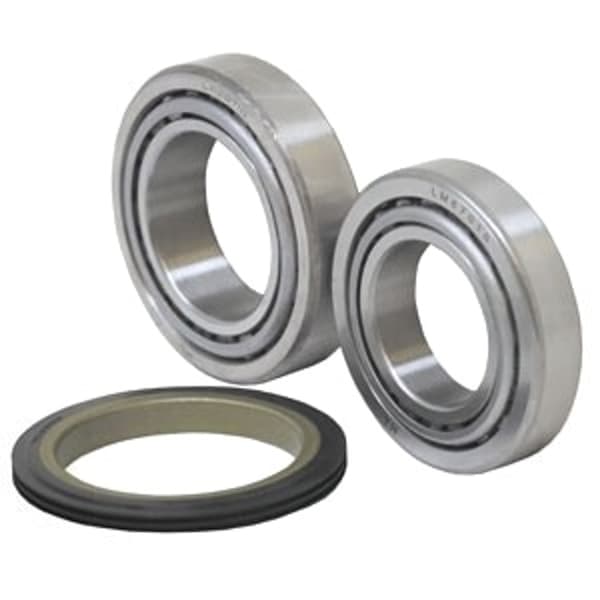
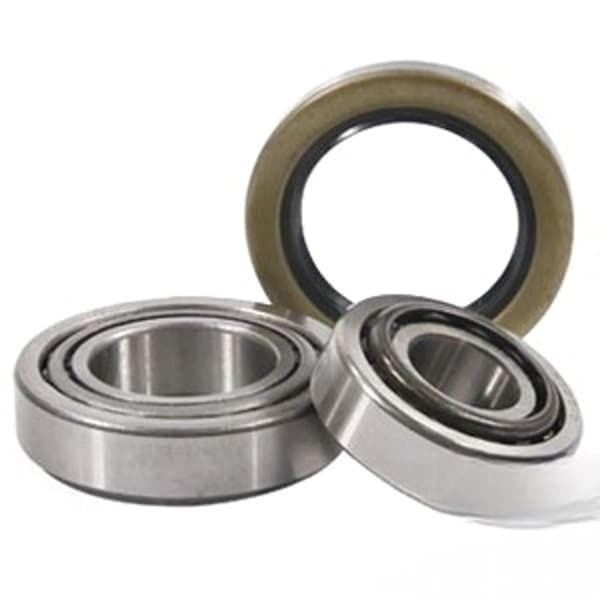
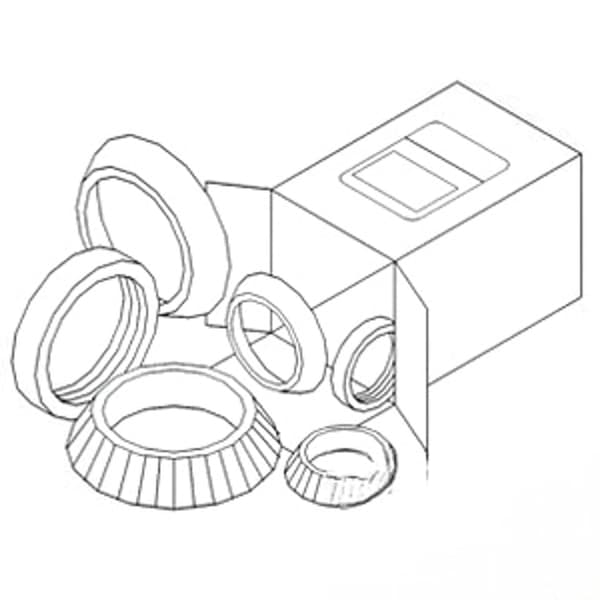
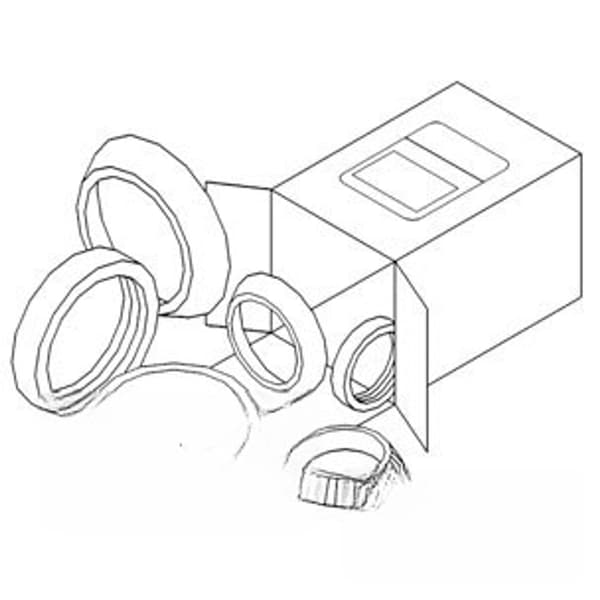
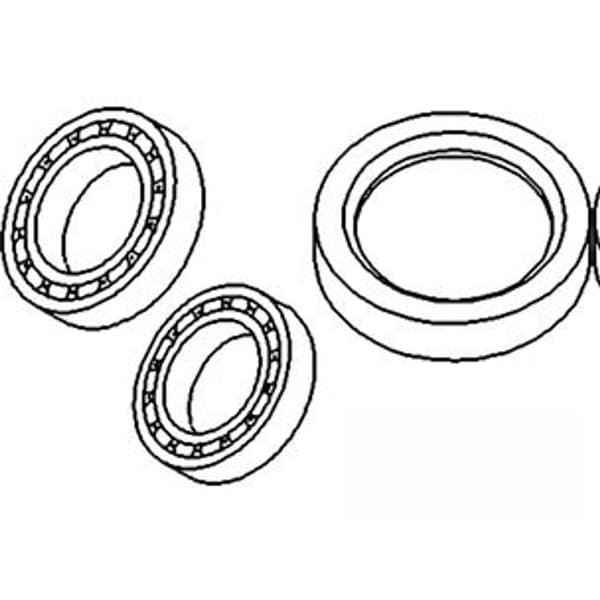
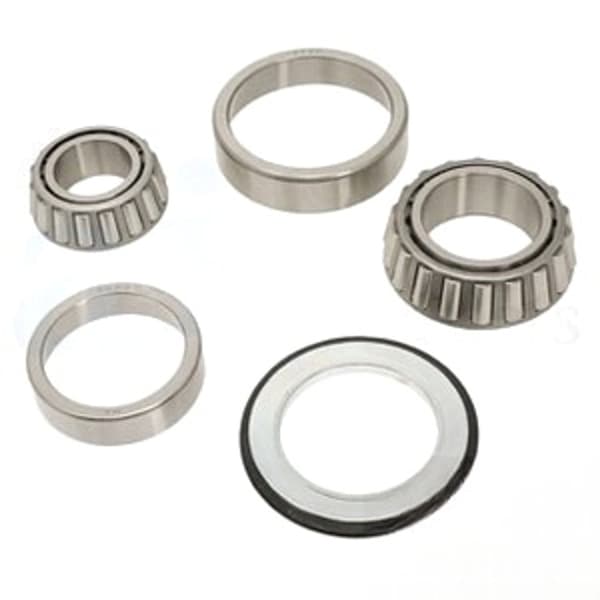
🔍 Looking for a specific part? Try our AI Part Finder — tell it your equipment and what you need, and it will find matching parts instantly.
Identifying Worn Wheel Bearings
Recognizing the signs of worn wheel bearings early can prevent further damage and ensure your lawn tractor operates safely and efficiently. Here are some common symptoms:
- Wobbling or Shaky Wheels: This is often the most obvious sign. If you notice your wheels wobbling significantly while driving, it's likely a bearing issue.
- Excessive Play in the Wheels: Jack up the tractor and try to wiggle the wheel. Excessive side-to-side or up-and-down movement indicates worn bearings.
- Grinding or Squealing Noises: A worn bearing may produce a grinding, squealing, or rumbling noise, especially when turning.
- Uneven Tire Wear: Worn bearings can cause uneven wear patterns on your tires.
- Difficulty Steering: Damaged front wheel bearings can make steering difficult or erratic.
Types of Lawn Tractor Wheel Bearings
Lawn tractors typically use two main types of wheel bearings:
- Ball Bearings: These are common in both front and rear wheels. They consist of a series of balls held in a race. Consider our B1SB328 Ball Bearing or B1IH94 Ball Bearing.
- Roller Bearings: These use cylindrical rollers instead of balls, often found in heavy-duty applications or rear axles to handle higher loads. These often utilize tapered bearing cups.
Tools and Materials Needed for Wheel Bearing Replacement
Before starting any repair work, gather the necessary tools and materials:
- New wheel bearings (ensure you have the correct part number for your specific model)
- Jack and jack stands
- Socket set and wrenches
- Hammer
- Bearing race and seal driver kit (optional but highly recommended)
- Grease or bearing packer
- Penetrating oil
- Gloves and safety glasses
- Wheel chocks
Safety First: Always disconnect the spark plug wire before starting any work on your lawn tractor. Use jack stands to securely support the tractor after lifting it with a jack. Never work under a tractor supported only by a jack.
Front Wheel Bearing Replacement (General Steps)
The following is a general procedure. Always consult your tractor's service manual for specific instructions related to your model.
- Preparation: Park the tractor on a level surface, engage the parking brake, chock the rear wheels, and disconnect the spark plug wire.
- Raise and Secure the Tractor: Use a jack to lift the front of the tractor and place jack stands under the frame.
- Remove the Wheel: Remove the wheel retaining hardware (usually a nut or clip) and carefully remove the wheel.
- Access the Bearings: Depending on the design, you may need to remove a dust cap or hub to access the bearings. Use penetrating oil if necessary to loosen any stubborn components.
- Remove the Old Bearings: Carefully tap out the old bearings using a hammer and punch. A bearing race and seal driver kit can make this process easier and prevent damage.
- Clean the Hub: Clean the inside of the hub thoroughly to remove any dirt, grease, or debris.
- Install the new bearings: Pack the new bearings with grease using a bearing packer or by hand. Install the new bearings into the hub, ensuring they are seated properly. Use the bearing race and seal driver kit to avoid damaging the bearings.
- Reassemble: Reinstall the dust cap or hub, the wheel, and the retaining hardware. Tighten the hardware to the manufacturer's specifications.
- Repeat for the Other Wheel: Repeat the process for the other front wheel.
- Lower the Tractor: Remove the jack stands and lower the tractor.
- Test: Start the tractor and test the steering and handling.
Rear Wheel Bearing Replacement (General Steps)
Rear wheel bearing replacement can be more complex than front wheel bearing replacement, especially on models with a lawn tractor transaxle. Here's a general overview:
- Preparation: Same as front wheel bearing replacement.
- Raise and Secure the Tractor: Use a jack to lift the rear of the tractor and place jack stands under the frame.
- Remove the Wheel: Remove the wheel retaining hardware and carefully remove the wheel.
- Access the Bearings: Accessing the rear wheel bearings may involve removing the axle housing or a portion of the transaxle. Consult your tractor's service manual for specific instructions.
- Remove the Old Bearings: This may require specialized tools, such as a bearing puller, depending on the design.
- Clean the Housing: Clean the axle housing or transaxle components thoroughly.
- Install the New Bearings: Pack the new bearings with grease and install them into the housing. Ensure they are properly seated and aligned.
- Reassemble: Reassemble the axle housing or transaxle components, following the manufacturer's instructions.
- Reinstall the Wheel: Reinstall the wheel and the retaining hardware. Tighten the hardware to the manufacturer's specifications.
- Repeat for the Other Wheel: Repeat the process for the other rear wheel.
- Lower the Tractor: Remove the jack stands and lower the tractor.
- Test: Start the tractor and test the handling and riding mower drive belt engagement.
Brand-Specific Considerations
While the general principles of wheel bearing replacement are similar across different brands, there can be specific differences in design and procedure. Here's a brief overview of some common brands:
- John Deere: John Deere tractors often have robust wheel bearing designs. Refer to your John Deere service manual for specific torque specifications and procedures. We carry a wide range of John Deere riding mower parts, including bearings, drive belts, and blades.
- Cub Cadet: Cub Cadet tractors may have unique axle configurations. Pay close attention to the orientation of bearings and seals during reassembly. Madison Tractor stocks Cub Cadet riding mower parts such as bearings, drive belts, and spindles.
- Craftsman: Craftsman tractors are widely available and generally straightforward to repair. However, ensure you have the correct Craftsman drive belt part number for your model.
- Husqvarna: Husqvarna tractors often use metric hardware. Use the correct tools to avoid stripping bolts. Refer to your Husqvarna drive belt diagram for proper belt routing after completing the repair.
- Toro: Toro models are well-engineered. For models equipped with a hydrostatic transmission, it's good practice to check the hydrostatic transmission fluid level after any repair to the drive system.
- Ariens, Murray, Hustler, Scag, Exmark, Ferris, Snapper, Simplicity, Dixie Chopper: These brands have unique designs. Always consult the service manual for your specific model before starting any work. Common replacement parts include filters, spark plugs, and shear pins, in addition to wheel bearings.
Maintenance Tips for Wheel Bearings
Proper maintenance can extend the life of your lawn tractor wheel bearings:
- Greasing: Regularly grease the wheel bearings using a grease gun and a high-quality grease. Check your owner's manual for the recommended lubrication schedule and grease type.
- Cleaning: Keep the wheel area clean of dirt, debris, and grass clippings.
- Storage: Store your lawn tractor in a dry place to prevent corrosion.
- Inspection: Periodically inspect the wheel bearings for play or looseness. Address any issues promptly to prevent further damage. Consider replacing the riding mower rear axle seal if it shows signs of leakage.
Conclusion
Replacing lawn tractor wheel bearings is a manageable task for many homeowners with basic mechanical skills. By following these guidelines and consulting your tractor's service manual, you can keep your lawn tractor running smoothly and efficiently. Remember to prioritize safety and use the correct parts and tools for the job. Regular maintenance and timely repairs will help you avoid more costly problems down the road.
Find Your Lawn Tractor Wheel Bearings at Madison Tractor
Ready to get your lawn tractor back in top shape? Madison Tractor Company carries a wide selection of lawn tractor parts, including wheel bearings, for all major brands. Shop our online store today and find the parts you need to keep your equipment running like new!
🔍 Can't Find Your Part?
Use our AI-Powered Part Finder to search by your equipment's make, model, and what you need. It's the fastest way to find the exact part for your machine.
Try the Part Finder →Part of our comprehensive guide
Mower Transmission Parts Guide: Transaxle, Drive Belt & Bearings