







Cub Cadet Transmission Parts: Drive Belt & Axle
Understanding the drive system of your Cub Cadet mower is essential for maintenance and repairs. This guide focuses on two crucial components: the drive belt and the axle, providing insights and practical advice.
Understanding Cub Cadet Transmission Parts: Drive Belts and Axles
The transmission system of your Cub Cadet lawn tractor is what translates engine power into motion, allowing you to effortlessly mow your lawn. Two critical components within this system are the drive belt and the axle. The drive belt transmits power from the engine to the transmission, while the axle transfers power from the transmission to the wheels. Understanding these parts, how they function, and when they need replacement is crucial for maintaining the performance and longevity of your mower.
Recommended Parts for This Guide
9 parts we recommend — in stock, ships fast, one-click add to cart.
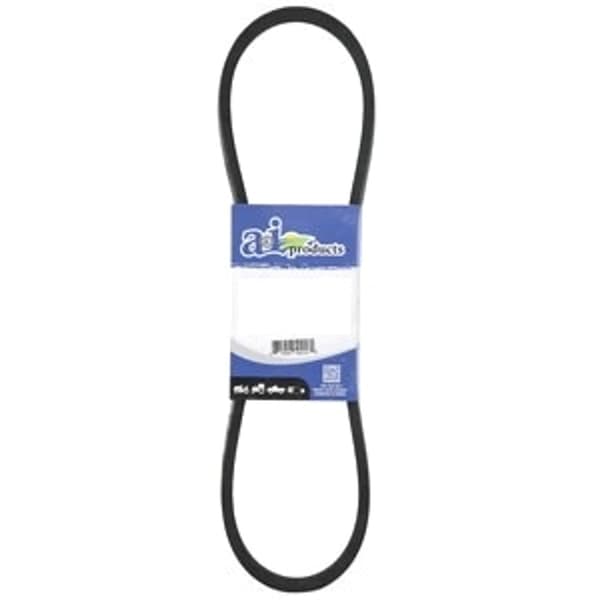
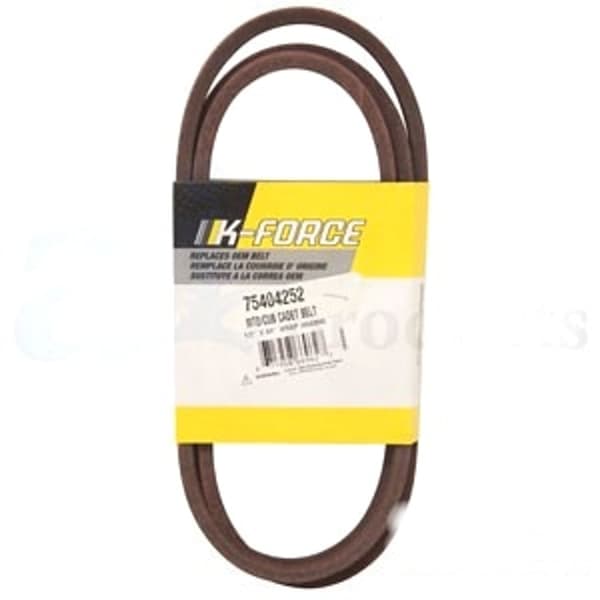
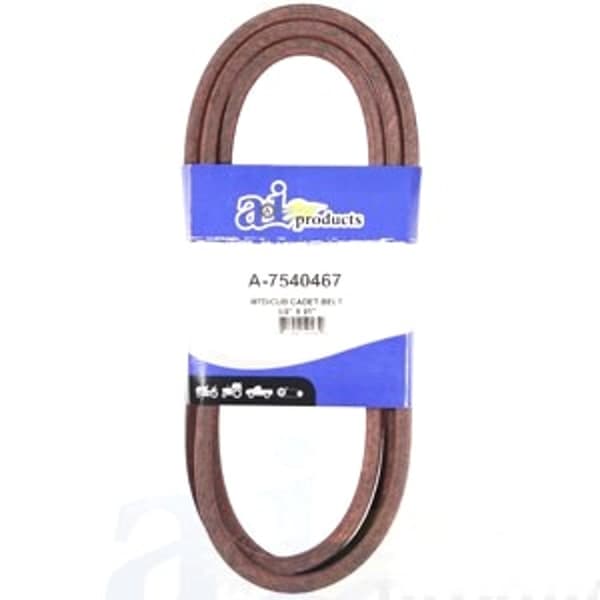
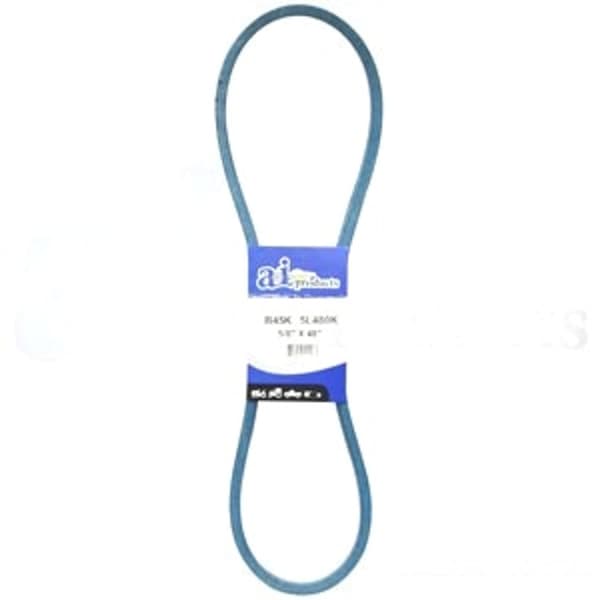
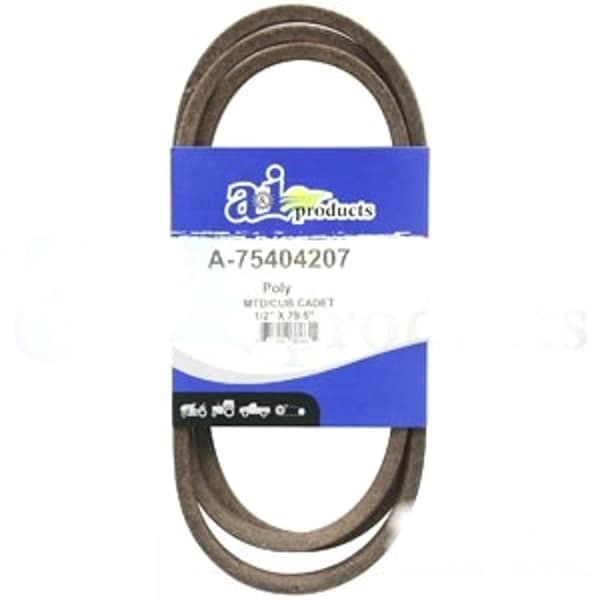
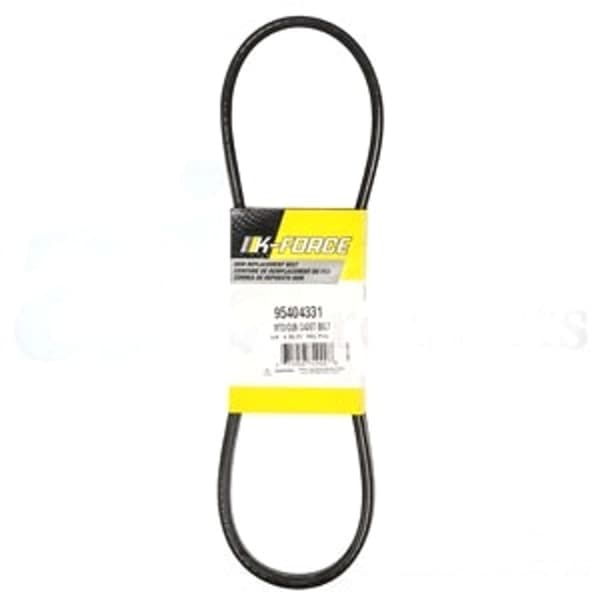
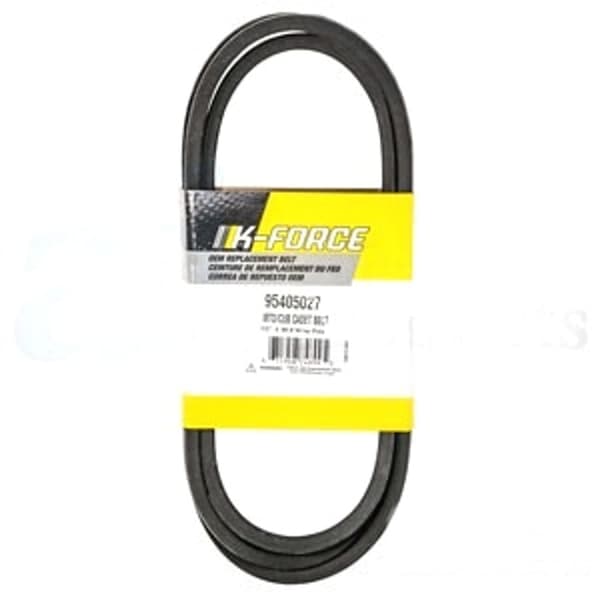
🔍 Looking for a specific part? Try our AI Part Finder — tell it your equipment and what you need, and it will find matching parts instantly.
Cub Cadet Drive Belts: The Lifeline of Your Mower
The drive belt, often called the ground drive belt, is responsible for transferring power from the engine's crankshaft to the transmission. This belt experiences significant stress and friction during operation, making it a common wear item. A worn or damaged drive belt can lead to reduced speed, slippage, or complete failure of the mower's drive system.
Types of Cub Cadet Drive Belts
Cub Cadet mowers utilize various drive belt configurations depending on the model and transmission type. Common types include:
- V-Belts: The most common type, featuring a trapezoidal shape that fits snugly into the pulley grooves.
- Wrapped Belts: These belts have a fabric covering that enhances durability and reduces slippage.
- Kevlar Belts: Constructed with high-strength Kevlar fibers, these belts offer superior resistance to stretching and wear, ideal for heavy-duty applications.
When replacing your Cub Cadet drive belt, it’s crucial to use the correct part number specified for your model. Using the wrong belt can lead to poor performance or even damage to the transmission.
Symptoms of a Worn or Damaged Drive Belt
Recognizing the signs of a failing drive belt can help you prevent further damage and downtime. Common symptoms include:
- Slippage: The mower struggles to maintain speed, especially on inclines.
- Squealing or Chirping Noise: This indicates belt slippage due to wear or improper tension.
- Cracks or Fraying: Visual inspection reveals damage to the belt's surface.
- Complete Failure: The belt breaks, rendering the mower immobile.
Replacing Your Cub Cadet Drive Belt: A Step-by-Step Guide
Safety First: Always disconnect the spark plug wire before performing any maintenance on your mower. This prevents accidental starting.
- Identify the Belt Routing: Before removing the old belt, carefully observe its path around the pulleys and idlers. Taking a picture or making a diagram can be helpful for reinstallation.
- Release Belt Tension: Most Cub Cadet mowers have a tensioner pulley that can be disengaged to loosen the belt. Locate the tensioner and release it.
- Remove the Old Belt: Carefully remove the old belt from the pulleys, working your way around the system.
- Install the New Belt: Follow the belt routing diagram or your notes to install the new belt. Ensure the belt is properly seated in the pulley grooves.
- Engage Belt Tension: Re-engage the tensioner pulley to apply the correct tension to the belt.
- Test the System: Reconnect the spark plug wire and start the mower. Check for proper belt engagement and smooth operation.
For more detailed information on drive belt installation, refer to your Cub Cadet owner's manual or watch online tutorials.
Cub Cadet Axles: The Foundation of Your Mower's Drive
The axle is a crucial component that transfers power from the transmission to the wheels, enabling your Cub Cadet mower to move. Axles are robust, but they can be damaged by excessive stress, impacts, or lack of lubrication. Damage to the axle can manifest as difficulty turning, unusual noises, or even complete wheel lockup.
Types of Cub Cadet Axles
Cub Cadet mowers typically use solid steel axles, designed for durability and strength. The specific type of axle may vary depending on the mower model and whether it's a rear-wheel-drive or all-wheel-drive system.
- Solid Axles: A single piece of steel that transmits torque directly to the wheels.
- Stub Axles: Shorter axles used in conjunction with a differential or transaxle.
Symptoms of a Damaged Axle
Identifying axle problems early can prevent more serious damage and costly repairs. Watch out for these signs:
- Unusual Noises: Grinding, clicking, or popping sounds coming from the wheels, especially during turns.
- Difficulty Turning: The mower is hard to steer, or the wheels resist turning.
- Wheel Wobble: The wheels shake or vibrate excessively while moving.
- Visible Damage: Bent, cracked, or broken axle components.
Axle Repair and Replacement
Axle repair can be complex and often requires specialized tools and knowledge. Minor issues like loose wheel bearings or worn riding mower rear axle seal can sometimes be addressed without replacing the entire axle. However, if the axle is bent, cracked, or severely damaged, replacement is usually necessary.
Professional Assistance: Axle replacement is a significant repair that may be best left to a qualified mechanic, especially if you lack experience with transmission and drive system components. Improper installation can lead to further damage and safety hazards.
Maintaining Your Cub Cadet Axles
Proper maintenance can significantly extend the life of your Cub Cadet axles. Here are some key steps:
- Lubrication: Regularly lubricate the wheel bearings and axle components according to the manufacturer's recommendations.
- Inspection: Periodically inspect the axles for signs of damage, such as cracks, bends, or excessive wear.
- Avoid Overloading: Do not exceed the mower's weight capacity, as this can put excessive stress on the axles.
- Proper Operation: Avoid hitting obstacles or driving aggressively, as this can damage the axles.
Beyond Cub Cadet: A Broader Look at Transmission Parts
While this article focuses on Cub Cadet riding mower transmission parts, Madison Tractor Company carries a wide range of parts for various brands, including John Deere, Craftsman, Husqvarna, Toro, Ariens, Murray, Hustler, Scag, Exmark, Ferris, Snapper, Simplicity, and Dixie Chopper. We offer a comprehensive selection of riding mower drive belts, transaxles, hydrostatic transmission fluid, lawn tractor wheel bearings and other essential components to keep your outdoor power equipment running smoothly. Whether you need a riding mower drive belt or are diagnosing transaxle issues (see Lawn Tractor Transaxle), we've got you covered. You can also find helpful resources on topics like Hydrostatic Transmission Fluid to ensure proper maintenance.
Conclusion
Understanding the components of your Cub Cadet transmission system, particularly the drive belt and axle, is essential for maintaining your mower's performance and longevity. By recognizing the symptoms of wear and damage, performing regular maintenance, and replacing worn parts promptly, you can keep your Cub Cadet running smoothly for years to come.
Shop Cub Cadet Transmission Parts at Madison Tractor Company
Madison Tractor Company is your trusted source for high-quality Cub Cadet transmission parts. We offer a wide selection of drive belts, axles, and other components to keep your mower running at its best. Our knowledgeable staff is always available to answer your questions and help you find the right parts for your specific model. Browse our online catalog today and experience the Madison Tractor difference!
🔍 Can't Find Your Part?
Use our AI-Powered Part Finder to search by your equipment's make, model, and what you need. It's the fastest way to find the exact part for your machine.
Try the Part Finder →Part of our comprehensive guide
Mower Transmission Parts Guide: Transaxle, Drive Belt & Bearings