








Hydrostatic Transmission Fluid: Type & Capacity by Brand
Choosing the right hydrostatic transmission fluid and maintaining the correct fluid level are critical for the longevity and performance of your riding mower or zero-turn. This guide will help you select the correct fluid and understand capacity requirements for various brands.
Understanding Hydrostatic Transmission Fluid
The hydrostatic transmission is a sealed system that uses fluid power to transmit engine power to the wheels. Unlike gear-based transmissions, hydrostatic systems offer smooth, variable speed control. This makes them ideal for riding mowers, zero-turn mowers, and other outdoor power equipment. The hydrostatic transmission fluid acts as both a hydraulic fluid and a lubricant, performing several critical functions:
Recommended Parts for This Guide
6 parts we recommend — in stock, ships fast, one-click add to cart.
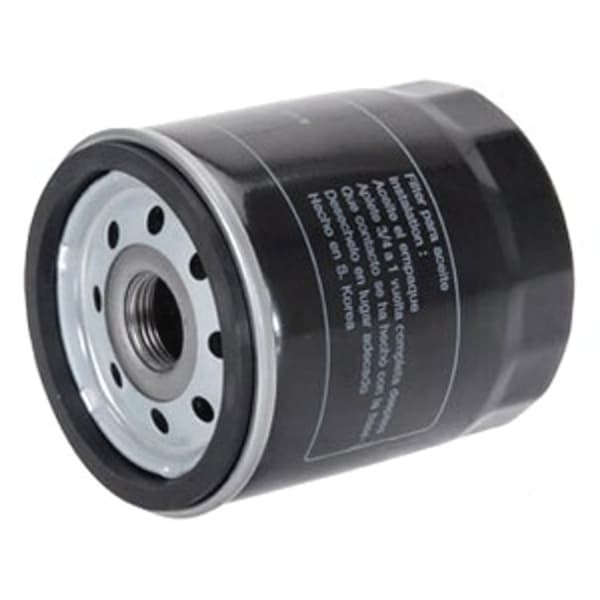
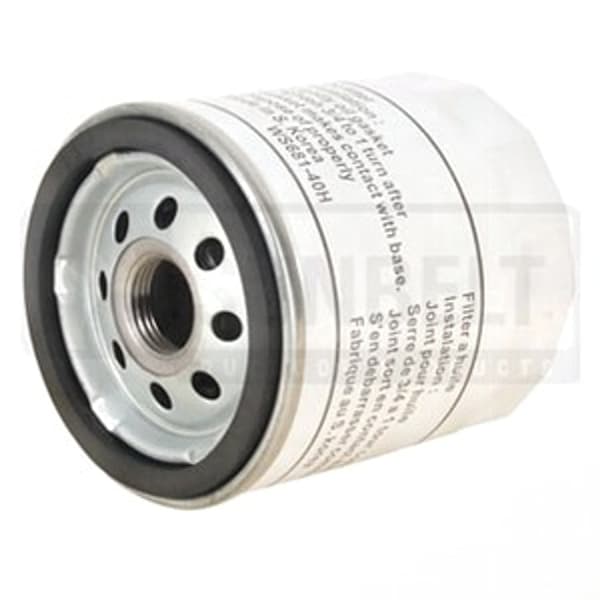
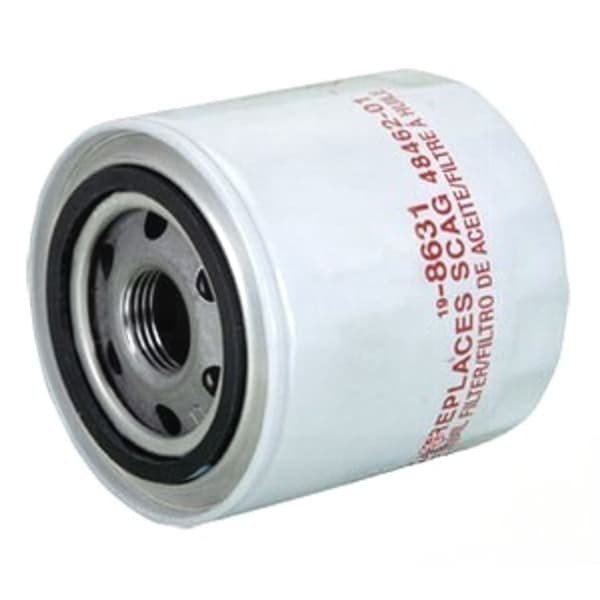
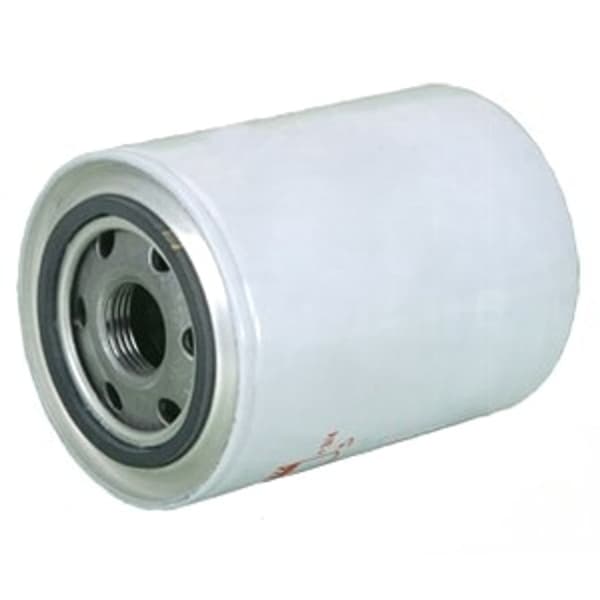
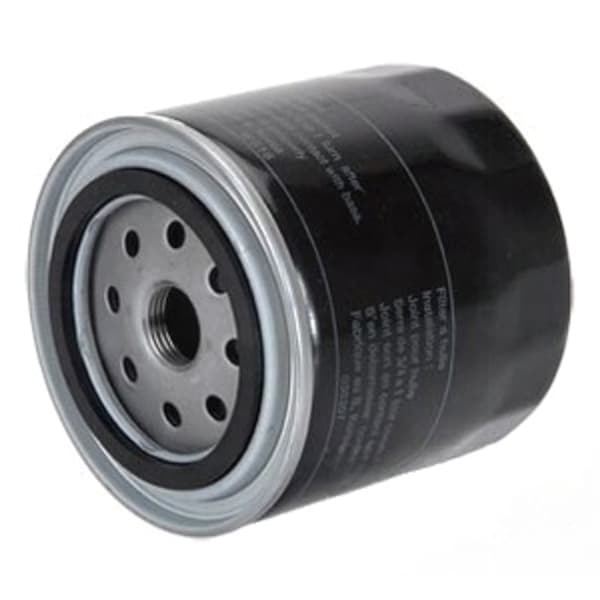
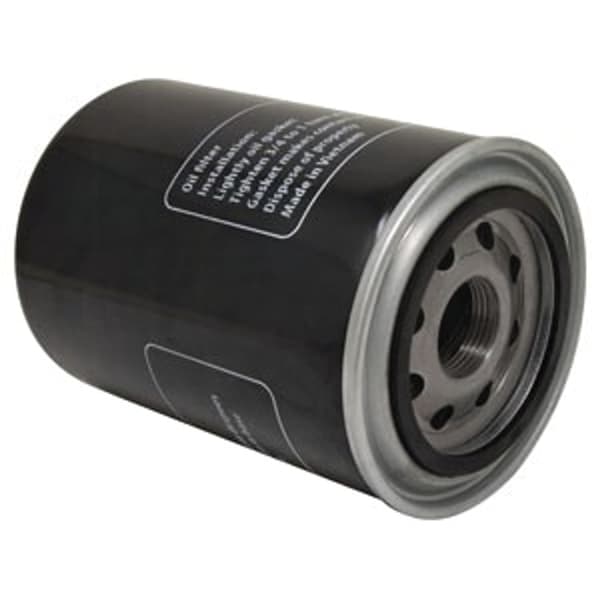
🔍 Looking for a specific part? Try our AI Part Finder — tell it your equipment and what you need, and it will find matching parts instantly.
- Power Transmission: The fluid transfers power from the pump to the motor, driving the wheels.
- Lubrication: It lubricates the internal components of the transmission, reducing friction and wear.
- Cooling: The fluid helps dissipate heat generated by the transmission.
- Sealing: It helps seal internal components, preventing leaks and maintaining pressure.
Using the correct type of hydrostatic transmission fluid is crucial. Incorrect fluid can lead to reduced performance, increased wear, and even complete transmission failure. Similarly, maintaining the proper fluid level is vital for optimal operation. Running low on fluid can cause overheating and damage, while overfilling can lead to leaks and reduced efficiency. Don't forget to check your filters regularly for optimum performance.
Choosing the Right Hydrostatic Transmission Fluid
The type of hydrostatic transmission fluid required varies depending on the manufacturer and model of your equipment. Always consult your owner's manual for specific recommendations. In general, there are two main types of hydrostatic transmission fluid:
- Multi-Viscosity Hydraulic Oil: Many manufacturers recommend a multi-viscosity hydraulic oil, such as 20W-50 or 10W-30. These oils provide good performance over a wide range of temperatures. Some synthetic versions offer enhanced protection and performance.
- Specific Brand-Name Fluids: Some manufacturers, like John Deere, recommend using their specific brand-name hydrostatic transmission fluid, such as Hy-Gard. These fluids are formulated to meet the specific requirements of their transmissions.
Important Considerations:
- Owner's Manual: Always refer to your owner's manual for the manufacturer's recommended fluid type and specifications.
- Synthetic vs. Conventional: Synthetic fluids generally offer better performance and protection, especially in extreme temperatures. However, they are typically more expensive.
- Mixing Fluids: Avoid mixing different types or brands of hydrostatic transmission fluid. This can lead to compatibility issues and reduced performance. If switching fluid types, it's generally recommended to completely drain and flush the system.
Brand-Specific Recommendations
Here's a quick reference guide to common hydrostatic transmission fluid recommendations for various brands:
- John Deere: Typically recommends John Deere Hy-Gard hydraulic oil. We carry a wide range of John Deere parts. For some equipment, such as John Deere loaders, specific transmission filters are essential.
- Cub Cadet: Often recommends Cub Cadet Drive System Fluid PLUS or a multi-viscosity hydraulic oil meeting specific standards. Check out our Cub Cadet parts selection. Don't forget to check the Cub Cadet Transmission Parts article for more details.
- Husqvarna: Usually recommends a multi-viscosity hydraulic oil, such as 20W-50 or 10W-30. We stock many Husqvarna parts. Be sure to replace your Husqvarna Drive Belt according to the manufacturer's recommended maintenance schedule.
- Craftsman: Typically recommends a multi-viscosity hydraulic oil meeting specific standards. Find the right Craftsman parts here. And find the correct Craftsman Drive Belt for your mower model.
- Toro: Recommends Toro Premium Transmission Fluid or a high-quality multi-viscosity hydraulic oil.
- Ariens: Usually specifies Ariens Hydro Fluid or a compatible multi-viscosity hydraulic oil.
- Murray, Hustler, Scag, Exmark, Ferris, Snapper, Simplicity, Dixie Chopper: Consult your owner's manual for specific recommendations. Many of these brands use Tuff Torq or Hydro-Gear transaxles, so refer to their documentation if available. For systems with Sunstrand transmissions, ensure you use the appropriate oil filter.
Checking and Changing Hydrostatic Transmission Fluid
Regularly checking and changing your hydrostatic transmission fluid is essential for maintaining optimal performance and extending the life of your transmission.
Checking the Fluid Level
- Locate the Reservoir: The hydrostatic transmission fluid reservoir is typically located near the transmission. Consult your owner's manual for the exact location.
- Clean the Area: Clean the area around the reservoir cap to prevent dirt and debris from entering the system.
- Check the Level: Remove the cap and check the fluid level. Most reservoirs have a dipstick or sight glass to indicate the correct level.
- Add Fluid if Necessary: If the fluid level is low, add the recommended type of hydrostatic transmission fluid until it reaches the correct level.
Changing the Fluid
Safety First! Always disconnect the spark plug before performing any maintenance on your mower. This prevents accidental starting.
- Warm Up the Engine: Run the engine for a few minutes to warm up the hydrostatic transmission fluid. This will help it flow more easily.
- Locate the Drain Plug: The drain plug is typically located on the bottom of the transmission. Consult your owner's manual for the exact location.
- Position a Drain Pan: Place a drain pan under the drain plug to catch the old fluid.
- Remove the Drain Plug: Carefully remove the drain plug and allow the fluid to drain completely.
- Replace the Drain Plug: Once the fluid has drained, replace the drain plug and tighten it securely.
- Refill the Reservoir: Refill the reservoir with the recommended type and amount of hydrostatic transmission fluid. Consult your owner's manual for the correct capacity.
- Bleed the System (If Required): Some hydrostatic transmissions require bleeding to remove air from the system. Consult your owner's manual for specific bleeding instructions.
- Check the Fluid Level Again: After refilling the reservoir, check the fluid level and add more fluid if necessary.
Disposal of Old Fluid: Dispose of used hydrostatic transmission fluid properly. Contact your local recycling center or hazardous waste disposal facility for information on proper disposal methods.
Understanding Capacity and Variations
The capacity of hydrostatic transmission fluid varies widely depending on the size and type of transmission. Small riding mowers may only require a quart or two, while larger zero-turn mowers can require several quarts. Always consult your owner's manual for the exact capacity of your transmission.
Different models within the same brand can also have different fluid requirements. For example, a John Deere X300 series mower will likely have a different capacity than a John Deere X500 series mower. Similarly, a riding mower drive belt replacement on a specific model will differ from other models. Accurate information is crucial.
Additionally, if you've recently replaced components like the lawn tractor transaxle, you'll need to refill the entire system to its proper capacity. Don't overlook related maintenance, such as checking riding mower rear axle seals for leaks when performing fluid changes.
Troubleshooting Common Hydrostatic Transmission Problems
Here are some common problems associated with hydrostatic transmissions and their potential causes:
- Loss of Power: This could be due to low fluid level, contaminated fluid, a worn pump or motor, or a damaged riding mower drive belt.
- Jerky Movement: This could be caused by air in the system, contaminated fluid, or a worn pump or motor.
- Overheating: This could be due to low fluid level, contaminated fluid, a clogged filter, or a malfunctioning cooling fan (if equipped).
- Noise: Unusual noises, such as whining or grinding, can indicate a worn pump or motor, or a lack of lubrication.
If you experience any of these problems, consult your owner's manual or a qualified mechanic for diagnosis and repair. Remember to check your spark plugs while you are at it.
Sometimes a simple shear pin replacement can solve a power problem!
Shop Hydrostatic Transmission Parts at Madison Tractor Company
At Madison Tractor Company, we carry a wide selection of hydrostatic transmission fluid, filters, and other parts for all major brands, including John Deere, Cub Cadet, Husqvarna, Craftsman, Toro, Ariens, and more. We also stock essential components like belts, blades, spindles, and pulleys to keep your outdoor power equipment running smoothly. Browse our extensive online catalog or contact our knowledgeable staff for assistance in finding the right parts for your needs. You can also use our AI-Powered Part Finder to search for parts by your specific make and model.
Part of our comprehensive guide
Mower Transmission Parts Guide: Transaxle, Drive Belt & Bearings