








Riding Mower Drag Link & Tie Rod Replacement
Is your riding mower's steering feeling loose or unresponsive? A worn drag link or tie rod could be the culprit. This guide walks you through diagnosing the problem and replacing these crucial steering components, ensuring safe and precise operation.
Introduction to Riding Mower Steering and Drag Links
A riding mower's steering system, while seemingly simple, is crucial for safe and efficient operation. The drag link and tie rods are key components connecting the steering wheel to the front wheels, translating your steering input into directional changes. Over time, these parts can wear out, leading to loose, unresponsive steering, and even dangerous situations. Replacing a worn riding mower drag link or tie rod is a straightforward repair that can significantly improve your mower's handling and safety.
Recommended Parts for This Guide
10 parts we recommend — in stock, ships fast, one-click add to cart.
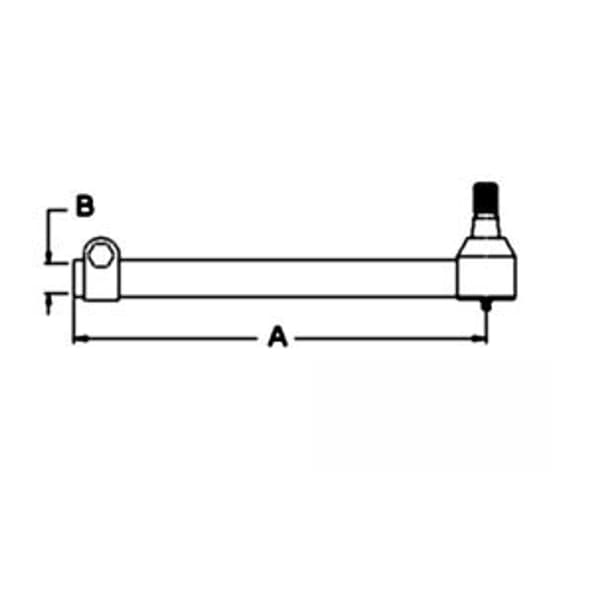
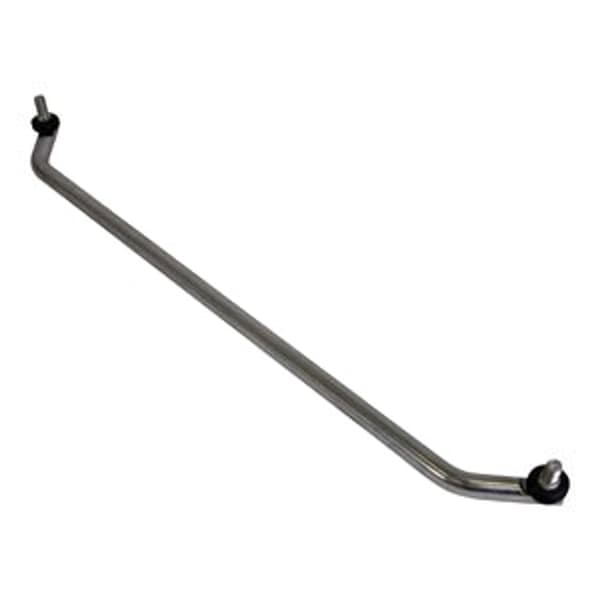
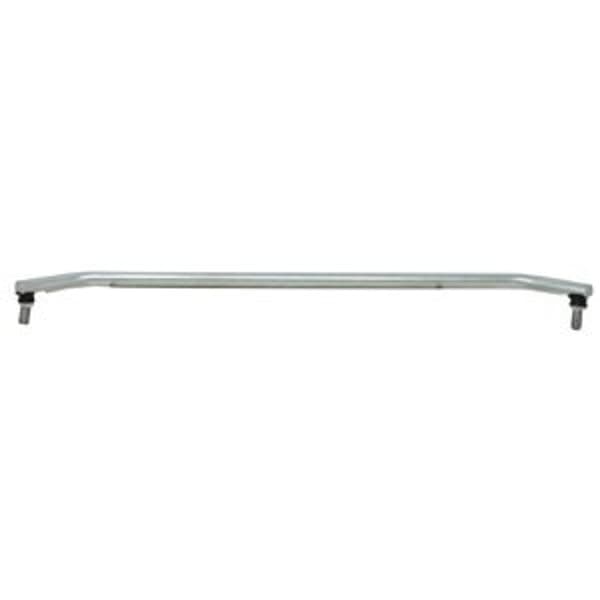
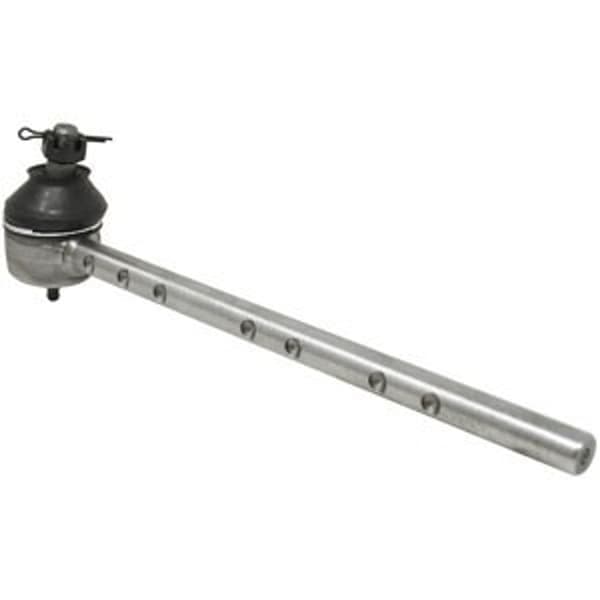
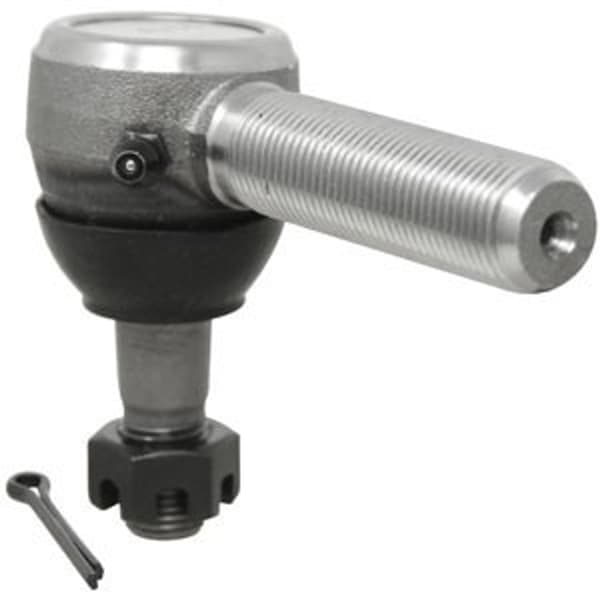
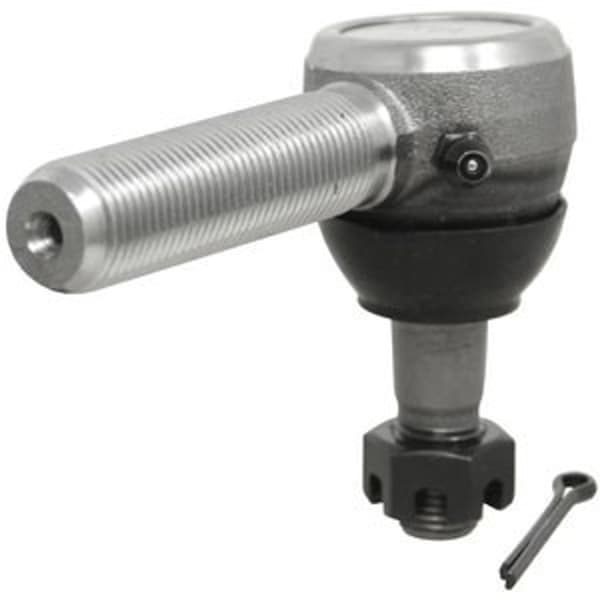
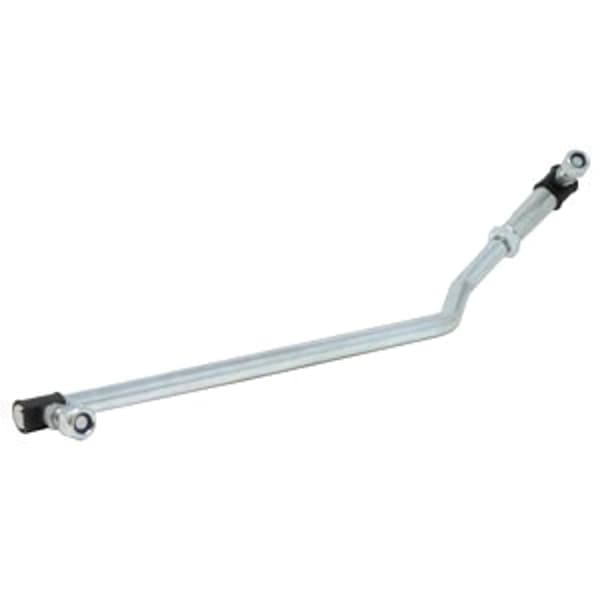
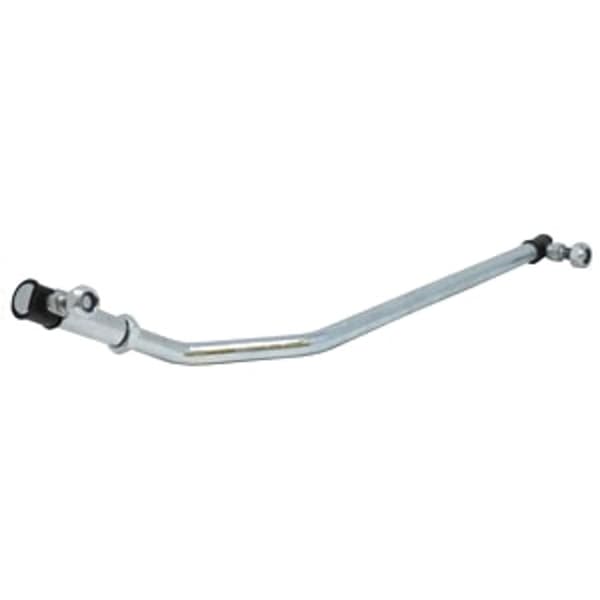
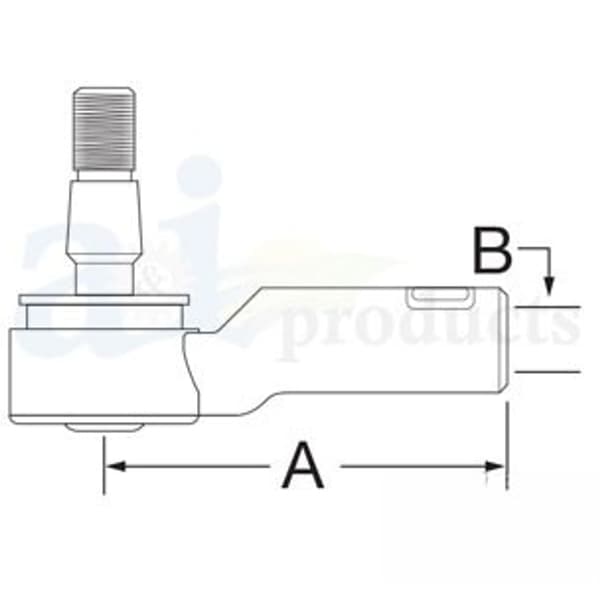
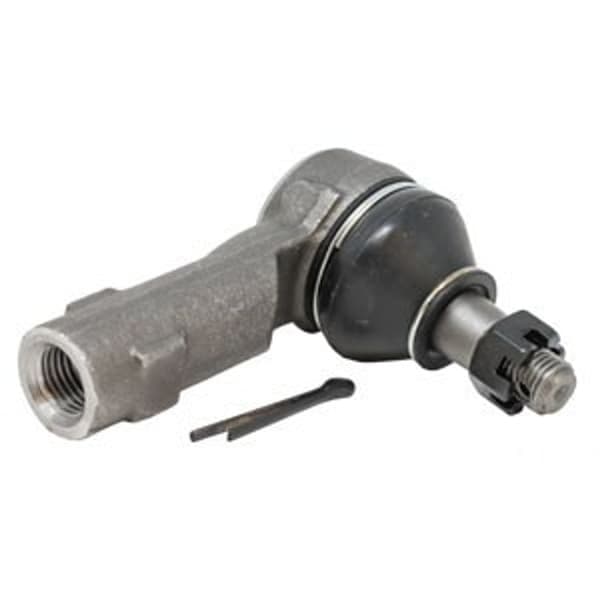
🔍 Looking for a specific part? Try our AI Part Finder — tell it your equipment and what you need, and it will find matching parts instantly.
Like a car's steering system, your mower relies on these linkages to accurately translate movement. Just as you might inspect and replace your riding mower drive belt, checking these parts is a matter of preventative maintenance.
Identifying Symptoms of a Worn Drag Link or Tie Rod
Before diving into the repair, it's essential to confirm that the drag link or tie rods are indeed the source of the problem. Here are some common symptoms:
- Loose or sloppy steering: The steering wheel has excessive play before the wheels begin to turn.
- Wandering or erratic steering: The mower tends to drift or pull to one side, requiring constant steering adjustments.
- Uneven tire wear: One or both front tires wear out faster than the other.
- Clunking or rattling noises: You may hear noises coming from the front end, especially when turning or going over bumps.
- Visible wear or damage: Inspect the drag link and tie rods for obvious signs of wear, such as loose ball joints, bent rods, or cracked rubber boots.
Tools and Materials Needed
To complete this repair, you'll need the following tools and materials:
- New drag link and/or tie rod: Purchase the correct replacement part for your specific mower model. Madison Tractor carries a wide selection of drag links and tie rods for brands like John Deere, Cub Cadet, Craftsman, Husqvarna, Toro, Ariens, Murray, Hustler, Scag, Exmark, Ferris, Snapper, Simplicity, and Dixie Chopper.
- Wrench set: Standard and metric sizes.
- Socket set: Standard and metric sizes.
- Pliers: For removing cotter pins or other fasteners.
- Ball joint separator (pickle fork or ball joint press): This tool helps separate the ball joints from the steering components.
- Hammer: For tapping the ball joint separator.
- Grease gun: For lubricating the new ball joints (if applicable).
- Penetrating oil: To loosen stubborn fasteners.
- Safety glasses: Always wear eye protection when working on machinery.
- Gloves: To protect your hands.
- Jack and jack stands: To safely lift the mower.
- Wheel chocks: To prevent the mower from rolling.
Step-by-Step Drag Link & Tie Rod Replacement Guide
Follow these steps to safely and effectively replace your riding mower's drag link and/or tie rods:
- Safety First!: Disconnect the spark plug wire to prevent accidental starting. Engage the parking brake and place wheel chocks behind the rear wheels.
- Raise the Mower: Use a jack to lift the front of the mower and securely support it with jack stands. Never work under a mower supported only by a jack.
- Remove the Wheels: Remove the front wheels for easier access to the steering components.
- Inspect and Loosen Fasteners: Thoroughly inspect the drag link and tie rods, noting the location of all fasteners. Apply penetrating oil to any rusted or stubborn fasteners and let it soak for a few minutes.
- Disconnect the Ball Joints: This is often the trickiest part. Use a ball joint separator (pickle fork or ball joint press) to separate the ball joints from the steering knuckles and the steering sector. If using a pickle fork, be careful not to damage the rubber boots on the ball joints (if you are replacing the entire drag link or tie rod, this is less of a concern). A ball joint press is a safer option but may require more disassembly.
- Remove the Old Drag Link/Tie Rod: Once the ball joints are disconnected, remove any remaining fasteners and remove the old drag link or tie rod.
- Install the New Drag Link/Tie Rod: Install the new drag link or tie rod in the reverse order of removal. Ensure that all fasteners are properly tightened.
- Grease the Ball Joints: If the new ball joints have grease fittings, use a grease gun to lubricate them.
- Reinstall the Wheels: Reinstall the front wheels and torque the lug nuts to the manufacturer's specifications.
- Lower the Mower: Carefully lower the mower back to the ground.
- Reconnect the Spark Plug Wire: Reconnect the spark plug wire.
- Test the Steering: Start the mower and carefully test the steering. Check for any unusual noises or vibrations.
- Alignment Check: After replacing steering components, it is always a good idea to check the front end alignment of the mower. Misalignment can cause premature tire wear and poor handling. Adjust as needed.
Important Safety Warnings
- Always disconnect the spark plug wire before working on your mower.
- Never work under a mower supported only by a jack. Use jack stands.
- Wear safety glasses to protect your eyes.
- If you are not comfortable performing this repair, take your mower to a qualified mechanic.
Troubleshooting Common Problems
- Stripped threads: If you strip the threads on a fastener, you may need to use a thread repair kit or replace the damaged component.
- Stuck ball joints: If the ball joints are stuck, try using more penetrating oil and a more aggressive ball joint separator.
- Incorrect parts: Double-check that you have the correct replacement parts for your mower model before starting the repair.
Maintaining Your Riding Mower's Steering System
Regular maintenance can help prolong the life of your riding mower's steering system. Here are some tips:
- Grease the ball joints regularly: Lubricate the ball joints with a grease gun every 25-50 hours of use.
- Inspect the steering components regularly: Check the drag link, tie rods, and other steering components for wear or damage.
- Keep the tires properly inflated: Properly inflated tires help reduce stress on the steering system.
- Avoid hitting obstacles: Hitting obstacles can damage the steering components.
Remember to check other systems on your mower. Keeping up with lawn tractor transaxle maintenance, including fluid changes as detailed in our article on hydrostatic transmission fluid types, can help ensure smooth operation. Also, be sure to inspect your lawn tractor wheel bearings for wear.
Find Your Replacement Parts at Madison Tractor Company
Replacing a riding mower drag link or tie rod is a relatively simple repair that can significantly improve your mower's handling and safety. By following these steps, you can save money and keep your mower running smoothly. If you need any replacement parts, Madison Tractor Company is here to help. We carry a wide selection of parts for all major brands, including John Deere, Cub Cadet, Craftsman, Husqvarna, and more. We also stock a wide variety of belts, blades, spindles, pulleys, filters, spark plugs, and other essential maintenance items. Shop with confidence at Madison Tractor Company today! You can also use our AI-Powered Part Finder to search for parts by your specific make and model.
Part of our comprehensive guide
Mower Transmission Parts Guide: Transaxle, Drive Belt & Bearings