







John Deere Transmission Parts: Drive Belt & Transaxle
A John Deere transmission is key to a smooth-running machine. This guide covers common transmission parts like drive belts and transaxles, helping you diagnose problems and find the right replacement parts for your John Deere mower.
Understanding John Deere Transmissions
The transmission in your John Deere riding mower, zero-turn, or tractor is what transfers power from the engine to the wheels (or tracks, in some cases). A properly functioning transmission is essential for efficient mowing and other tasks. This article will focus on two critical components within the transmission system: the drive belt and the transaxle. We'll discuss common issues, troubleshooting tips, and how to find the right John Deere transmission parts for your specific model.
Recommended Parts for This Guide
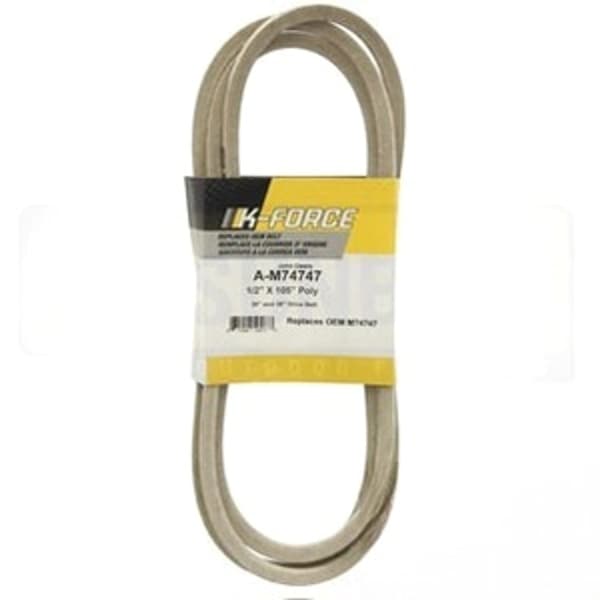
10 parts we recommend — in stock, ships fast, one-click add to cart.
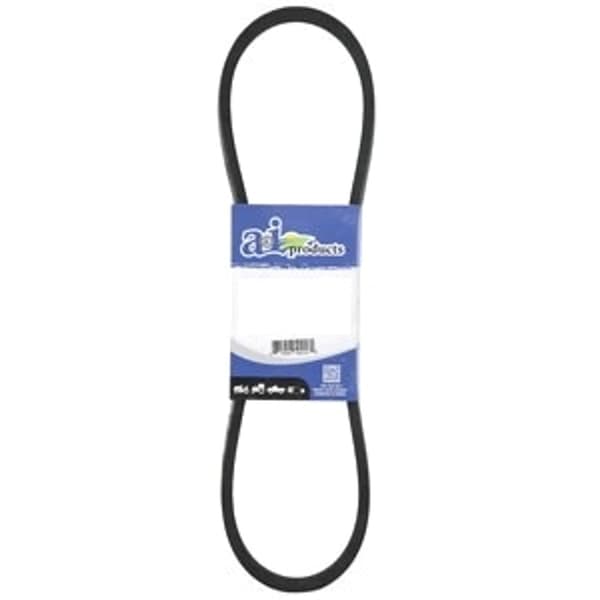
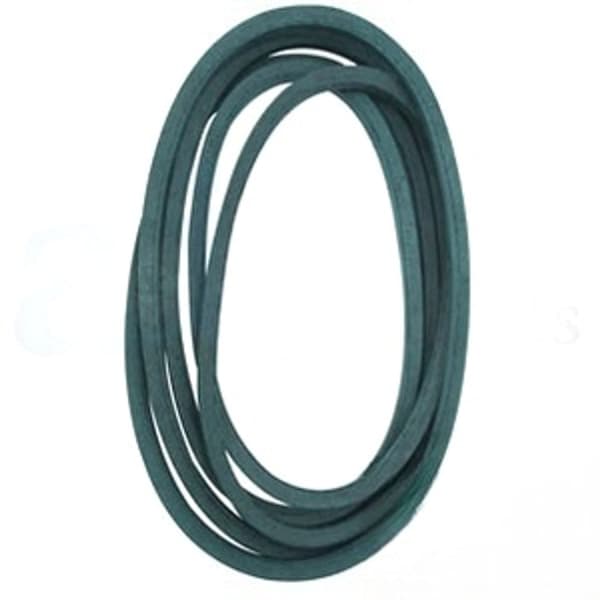
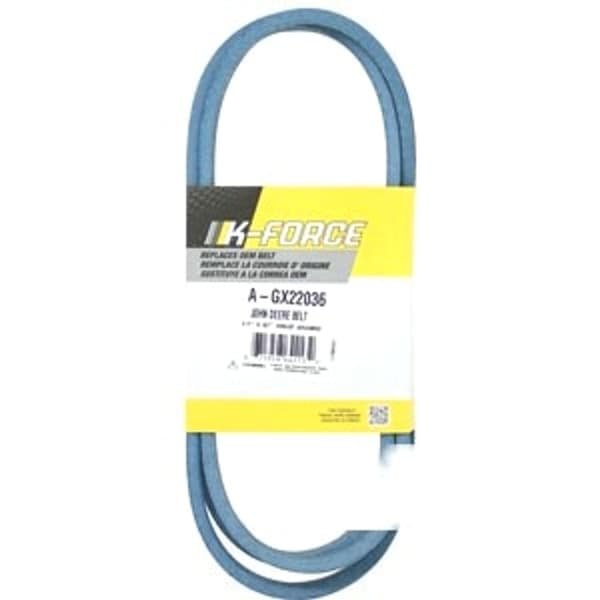
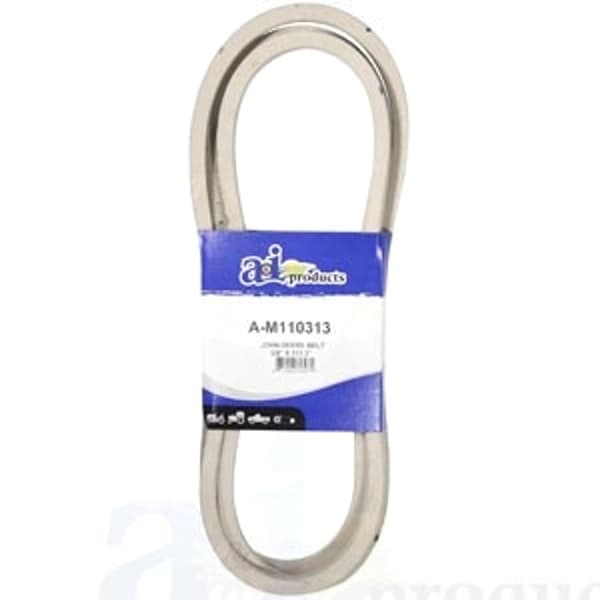
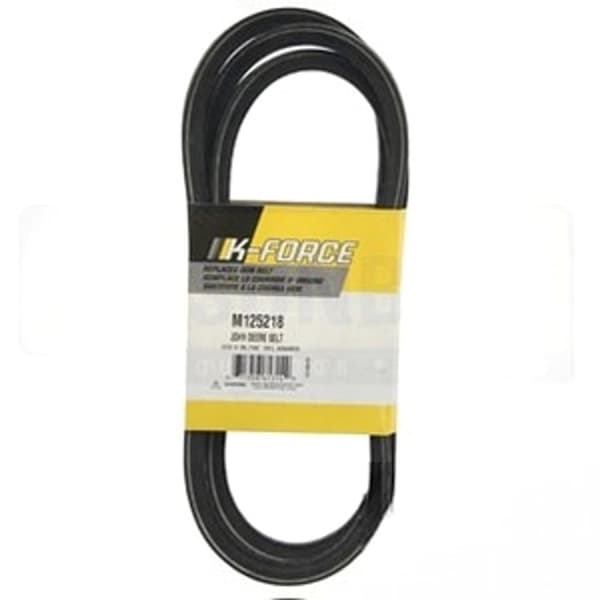
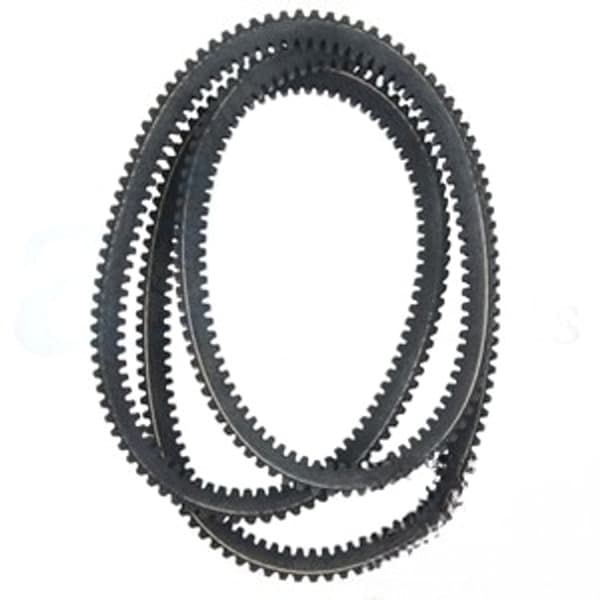
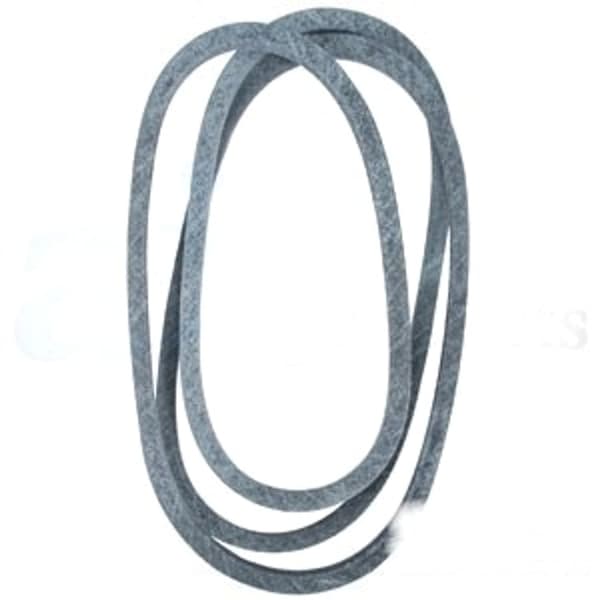
🔍 Looking for a specific part? Try our AI Part Finder — tell it your equipment and what you need, and it will find matching parts instantly.
Madison Tractor carries a wide range of parts for various brands, including John Deere, Craftsman, Cub Cadet, Husqvarna, Toro, Ariens, Murray, Hustler, Scag, Exmark, Ferris, Snapper, Simplicity, and Dixie Chopper. Whether you need a new drive belt or are facing more significant transaxle issues, we can help.
John Deere Drive Belts: The Power Link
The drive belt (sometimes called a ground drive belt) is a critical component in many John Deere mowers. It's responsible for transferring power from the engine to the transmission. Over time, drive belts can wear, crack, stretch, or even break. A slipping or broken drive belt will prevent your mower from moving properly, or at all. Understanding the belt system is crucial; see also riding mower drive belt for more information.
Common Symptoms of a Worn Drive Belt
- Slipping: The mower struggles to move, especially on inclines.
- Squealing: A high-pitched noise from the belt area, particularly when engaging the drive.
- Jerky movement: Inconsistent speed and movement.
- Visible wear: Cracks, fraying, or missing chunks of rubber on the belt.
- Complete failure:g The mower won't move at all.
Inspecting and Replacing Your John Deere Drive Belt
- Safety First:g Disconnect the spark plug wire and engage the parking brake before working on your mower.
- Locate the Belt: Consult your John Deere owner's manual to find the drive belt location and routing diagram. It typically runs from the engine pulley to the transmission pulley, often passing through idler pulleys.
- Inspect the Belt: Look for the symptoms listed above. If the belt shows signs of wear, it's time for a replacement.
- Remove the Old Belt: Loosen any tensioner pulleys or belt keepers to create slack. Carefully slip the old belt off the pulleys, noting the routing. Taking a picture of the belt routing before removal is highly recommended.
- Install the New Belt: Follow the routing diagram and carefully install the new belt onto the pulleys. Ensure the belt sits correctly in the grooves of each pulley.
- Adjust Tension: Adjust the tensioner pulley to provide the correct belt tension. Too little tension will cause slippage, while too much can damage the belt and pulleys. Your owner's manual should specify the proper tension.
- Test the Mower: Reconnect the spark plug wire and start the mower. Engage the drive and check for proper movement. Listen for any unusual noises.
When replacing your drive belt, always use a high-quality replacement belt specifically designed for your John Deere model. Using an incorrect or inferior belt can lead to premature failure and further damage. We offer John Deere OEM belts and quality aftermarket alternatives.
John Deere Transaxles: The Heart of the Transmission
The transaxle is a more complex component that combines the functions of a transmission and an axle. It houses gears (or a hydrostatic pump and motor) to vary speed and torque and transfer power to the wheels. Problems with the transaxle can manifest in various ways, from difficulty shifting gears to complete loss of drive. For a deeper dive, review the lawn tractor transaxle article.
Types of John Deere Transaxles
- Gear Transaxles: These use a series of gears to provide different speed ratios. They are typically found in older or simpler riding mowers.
- Hydrostatic Transaxles: These use a hydraulic pump and motor to provide infinitely variable speed control. They are common in newer riding mowers and zero-turn mowers. Brands like Tuff Torq, Peerless, and Hydro-Gear are common. Check and replace your hydrostatic transmission fluid regularly to keep them running smoothly.
Common Transaxle Problems and Troubleshooting
- Difficulty Shifting: Could indicate worn gears, damaged shift linkage, or low fluid levels (in gear transaxles).
- Loss of Drive: Could be caused by broken gears, a failed hydrostatic pump or motor (in hydrostatic transaxles), or a sheared axle.
- Slow or Weak Drive: Often indicates a worn hydrostatic pump or motor, or low hydrostatic fluid.
- Unusual Noises: Grinding, whining, or clunking sounds can indicate internal damage to the transaxle.
- Leaking Fluid: Indicates a damaged seal. See our guide on riding mower rear axle seal replacement.
Repairing or Replacing Your John Deere Transaxle
Transaxle repair can be complex, especially for hydrostatic units. For minor issues like low fluid or a leaking seal, you may be able to perform the repair yourself. However, for more significant problems like broken gears or a failed pump, it's often more cost-effective to replace the entire transaxle.
Before replacing the transaxle, make sure to properly diagnose the problem. Consult your John Deere owner's manual for troubleshooting steps. Also, check the lawn tractor wheel bearings and drive belt. Sometimes, problems in these areas can mimic transaxle issues.
When replacing the transaxle, ensure you purchase the correct model for your John Deere mower. The model number is typically located on the transaxle housing. Consult your owner's manual or contact a qualified technician for assistance.
Other Important Transmission Components
While the drive belt and transaxle are major components, other parts contribute to the overall functionality of the transmission system. These include:
- Pulleys: Drive, driven, and idler pulleys guide the drive belt and help maintain proper tension.
- Tensioner Springs: Maintain consistent tension on the drive belt.
- Shift Linkage: Connects the shift lever to the transaxle in gear-driven models.
Regular maintenance, such as inspecting and lubricating these components, can help prevent premature wear and extend the life of your transmission.
Shop John Deere Transmission Parts at Madison Tractor
Madison Tractor is your trusted source for John Deere transmission parts. We carry a wide selection of drive belts, transaxles, and other related components for various John Deere models. We also carry parts for other popular brands such as Craftsman, Cub Cadet, and Husqvarna. Shop with confidence knowing you're getting high-quality parts at competitive prices. Browse our online catalog or contact our knowledgeable customer service team for assistance finding the right parts for your mower. Be sure to stock up on essentials like spark plugs, blades, and filters while you're at it!
🔍 Can't Find Your Part?
Use our AI-Powered Part Finder to search by your equipment's make, model, and what you need. It's the fastest way to find the exact part for your machine.
Try the Part Finder →Part of our comprehensive guide
Mower Transmission Parts Guide: Transaxle, Drive Belt & Bearings