








Riding Mower Front Wheel: Caster & Steering Wheels
The riding mower front wheel plays a crucial role in steering and maneuverability. This guide covers everything you need to know about caster wheels, common issues, and how to keep your mower running smoothly.
Introduction to Riding Mower Front Wheels
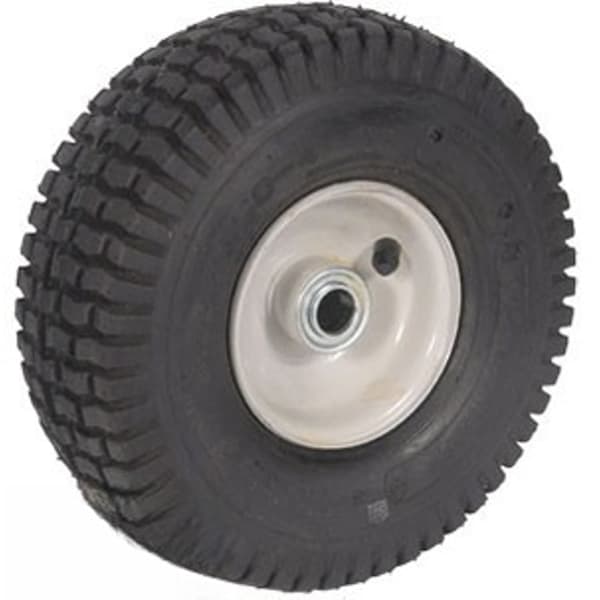
The front wheels of a riding mower aren't just there to look pretty. They play a critical role in the mower's steering and overall maneuverability. Unlike a car's front wheels, most riding mowers use a caster wheel system. These wheels pivot freely, allowing for tight turns and easier navigation around obstacles in your yard. Understanding how these wheels work, the types available, and common problems can help you maintain your mower and keep your lawn looking its best.
Recommended Parts for This Guide
5 parts we recommend — in stock, ships fast, one-click add to cart.
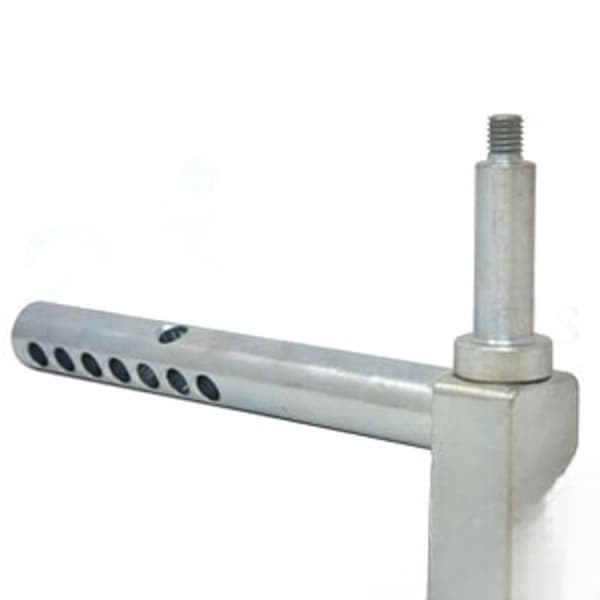
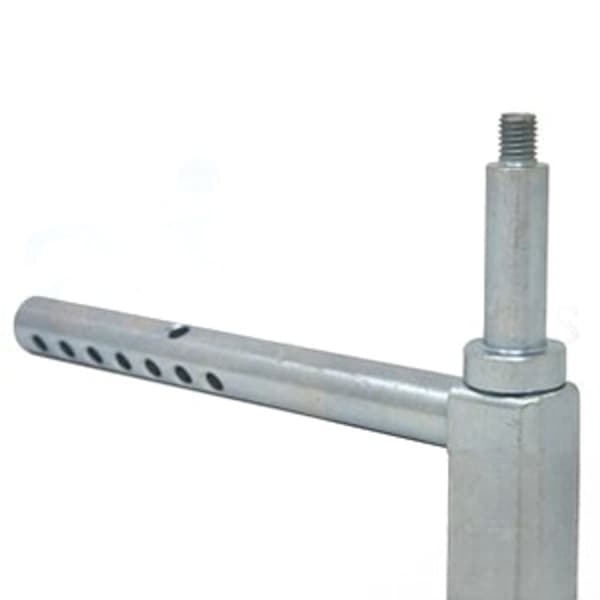
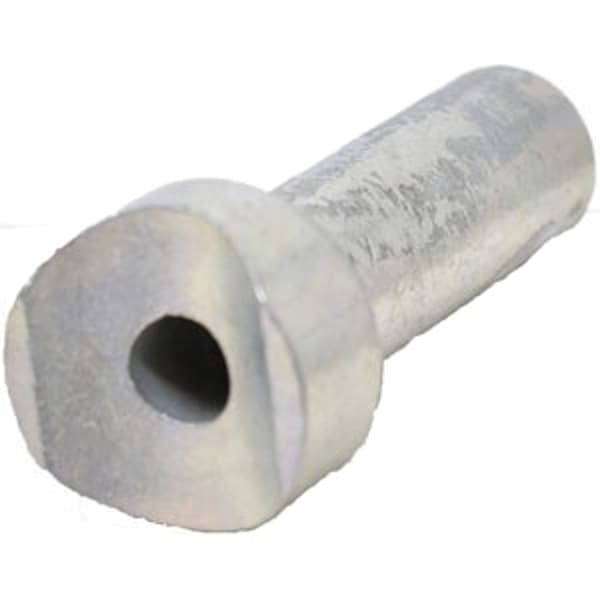
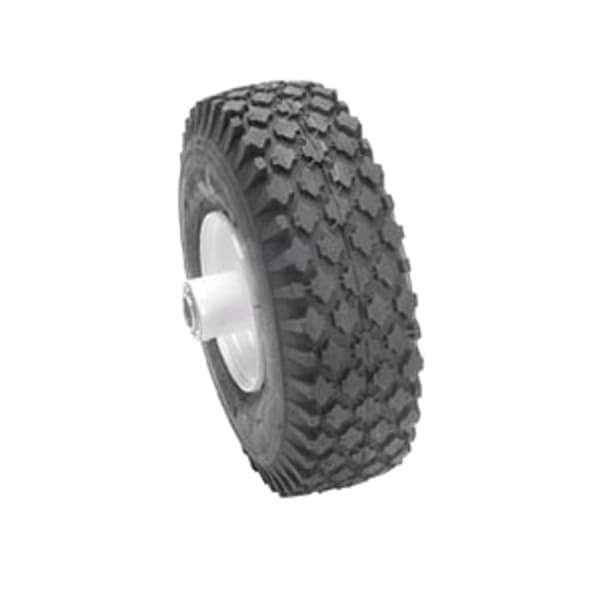
🔍 Looking for a specific part? Try our AI Part Finder — tell it your equipment and what you need, and it will find matching parts instantly.
Since the riding mower drive belt powers the mower's movement, the front wheels are responsible for steering and supporting the front of the machine. Regular maintenance and timely repairs are crucial for optimal performance.
Types of Riding Mower Front Wheels
While the basic function remains the same, there are a few variations in riding mower front wheel designs. Here's a breakdown of the common types:
- Standard Caster Wheels: These are the most common type, featuring a simple design with a wheel mounted on a pivoting fork. They're durable and relatively inexpensive.
- Turf Saver Wheels: Designed to minimize damage to your lawn, these wheels typically have a wider profile and rounded edges. They distribute weight more evenly, reducing the risk of leaving tracks or ruts, especially on damp grass.
- Semi-Pneumatic Wheels: These wheels offer a compromise between solid and pneumatic tires. They have a layer of air-filled material inside, providing some cushioning without the risk of punctures.
- Pneumatic Wheels: Similar to car tires, these wheels are filled with air. They offer the best ride comfort and shock absorption but are susceptible to punctures and require periodic inflation. Additionally, innovative options like Tweel casters offer airless, puncture-proof performance, often requiring specialized adapters like the Tweel Caster Adapter for proper fitment.
Brand Specific Variations
While the core design principles remain the same, some brands may incorporate subtle variations in their front wheel designs. For example:
- John Deere: Often uses heavier-duty caster forks and bearings for increased durability. Find John Deere mower parts here.
- Cub Cadet: May incorporate features like adjustable caster angles for customized steering response. You can find Cub Cadet mower parts here.
- Husqvarna: Tends to focus on lightweight designs for improved maneuverability. Husqvarna mower parts are also available.
- Craftsman: Known for their affordability and readily available replacement parts. Find Craftsman mower parts on our website.
Common Riding Mower Front Wheel Problems
Like any mechanical component, riding mower front wheels are prone to wear and tear. Here are some common problems you might encounter:
- Wobbling or Shaking: This is often caused by worn lawn tractor wheel bearings, a bent caster fork, or a damaged wheel.
- Uneven Wear: This can indicate misalignment, improper tire pressure (for pneumatic wheels), or a bent axle.
- Squeaking or Grinding: Usually caused by a lack of lubrication in the caster assembly or worn bearings.
- Difficulty Steering: This could be due to stiff caster pivots, low tire pressure, or a problem with the steering linkage.
- Flat Tires (Pneumatic Wheels): Punctures are a common issue. Check for nails, thorns, or other sharp objects embedded in the tire.
Remember that problems with the lawn tractor transaxle or even a worn riding mower rear axle seal can sometimes mimic steering issues, so it's important to diagnose the root cause correctly.
Riding Mower Front Wheel Maintenance Tips
Regular maintenance can significantly extend the life of your riding mower front wheels and prevent many common problems. Here are some essential tips:
- Lubricate Regularly: Apply grease to the caster pivots and bearings at least once a season. Use a grease gun to force grease into the designated fittings.
- Check Tire Pressure (Pneumatic Wheels): Maintain the correct tire pressure as specified in your mower's owner's manual. Underinflated tires can lead to uneven wear and poor handling.
- Inspect for Damage: Regularly check the wheels, forks, and axles for any signs of damage, such as bends, cracks, or excessive wear.
- Replace Worn Bearings: If you notice excessive play or noise in the wheels, replace the bearings immediately.
- Check Alignment: If you notice uneven tire wear, have the front end alignment checked by a qualified technician.
- Clean Regularly: Remove grass clippings and debris from the caster assembly to prevent them from binding and causing wear.
Repairing and Replacing Riding Mower Front Wheels
Depending on the nature and extent of the damage, you may be able to repair your riding mower front wheels. However, in many cases, replacement is the most practical option. Here's a guide to common repairs and replacements:
Repairing Punctures (Pneumatic Wheels)
Small punctures can often be repaired using a tire patch kit. Follow the instructions on the kit carefully. For larger punctures or sidewall damage, it's best to replace the tire.
Replacing Wheel Bearings
- Remove the wheel from the caster fork.
- Use a punch or screwdriver to drive out the old bearings.
- Clean the bearing races thoroughly.
- Install the new bearings, ensuring they are seated correctly.
- Reinstall the wheel.
SAFETY WARNING: Always disconnect the spark plug before performing any maintenance or repairs on your riding mower. Wear safety glasses to protect your eyes.
Replacing the Entire Wheel Assembly
- Raise the front of the mower and support it securely with jack stands.
- Remove the nut or bolt securing the caster fork to the mower's frame.
- Detach the old caster assembly.
- Install the new caster assembly, ensuring it is properly aligned.
- Tighten the nut or bolt securely.
Finding the Right Replacement Parts
When replacing riding mower front wheels or components, it's crucial to use the correct parts. Refer to your mower's owner's manual for part numbers. You can also use our online parts lookup tool to find compatible parts for your specific make and model, including John Deere, Craftsman, Cub Cadet, Husqvarna, Toro, Ariens, Murray, Hustler, Scag, Exmark, Ferris, Snapper, Simplicity, and Dixie Chopper.
Don't forget other maintenance items that can affect mower performance, such as blades, spindles, pulleys, filters, spark plugs, and even shear pins if you have a snowblower attachment.
If you're also working on the mower's drive system, remember to consult the hydrostatic transmission fluid guide for fluid types and capacities.
Conclusion
Properly maintaining your riding mower's front wheels is essential for safe and efficient operation. By understanding the different types of wheels, recognizing common problems, and following a regular maintenance schedule, you can keep your mower running smoothly for years to come.
Whether you need to replace a worn wheel bearing, repair a flat tire, or upgrade to turf-saver wheels, Madison Tractor Company has you covered. Browse our extensive selection of riding mower front wheels and parts and find everything you need to keep your lawn looking its best!
🔍 Can't Find Your Part?
Use our AI-Powered Part Finder to search by your equipment's make, model, and what you need. It's the fastest way to find the exact part for your machine.
Try the Part Finder →Part of our comprehensive guide
Mower Transmission Parts Guide: Transaxle, Drive Belt & Bearings