🔍 Looking for a specific part? Try our AI Part Finder — tell it your equipment and what you need, and it will find matching parts instantly.
At Madison Tractor Company, we understand the importance of keeping your combine running smoothly. We carry a wide selection of combine sieves, chaffers other combine parts for major brands like John Deere, Case IH, New Holland, Gleaner, Massey Ferguson more.
Understanding the Sieve and Chaffer
Let's break down the roles of each component
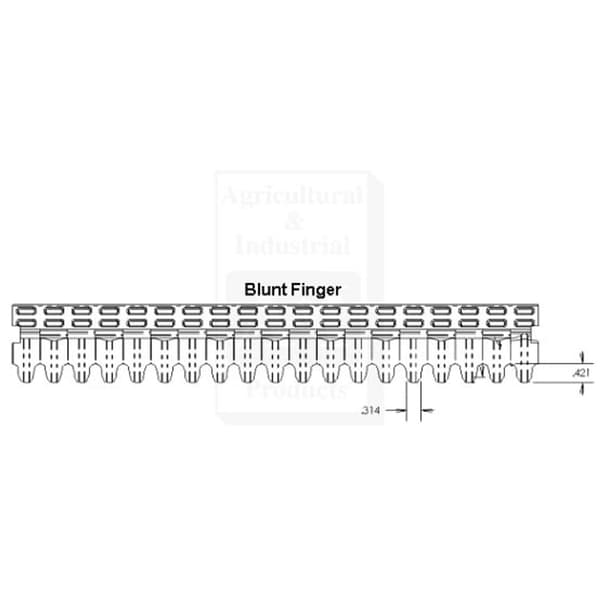
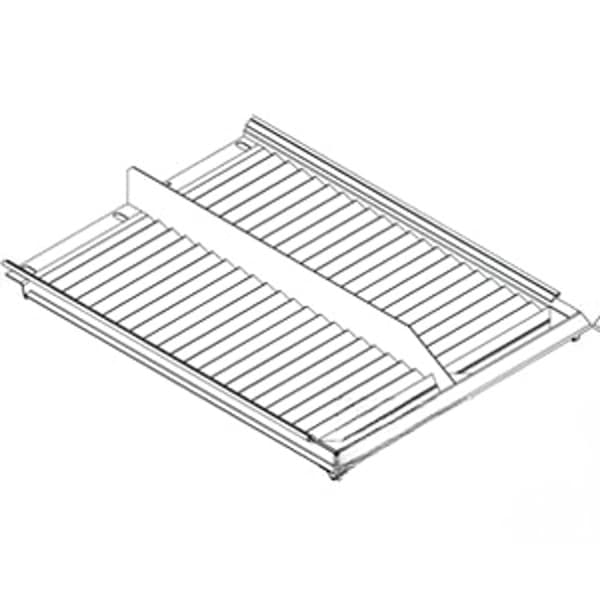
- Chaffer The chaffer is the upper screen, typically adjustable with louvers. Its primary function is to separate larger pieces of material other than grain (MOG), such as straw and unthreshed heads, from the grain stream.
- Sieve The sieve, located below the chaffer, is responsible for removing finer materials like chaff and small weed seeds from the grain. Like the chaffer, the sieve also typically has adjustable louvers.
The air blast from the cleaning fan works in conjunction with the chaffer and sieve to suspend lighter materials, allowing them to be blown out the back of the combine.
Inspecting Your Combine Sieves and Chaffers
Before each harvest season periodically during operation, thoroughly inspect your sieves and chaffers. Look for the following
- Damage Dents, bends, or broken louvers can significantly reduce cleaning performance. Replace damaged sections or entire sieves/chaffers as needed. We stock replacement parts for John Deere combines, Case IH combines, New Holland combines many other brands.
- Wear Over time, louvers can wear down, leading to inconsistent opening sizes.
- Blockages Accumulated debris can restrict airflow and prevent proper separation. Clean the sieves and chaffers thoroughly with compressed air or a brush.
- Proper Installation Ensure the sieves and chaffers are properly seated and secured in their frames. Loose components can vibrate and cause excessive wear or damage.
Pay close attention to the condition of the sieve and chaffer frames. Cracks or bends in the frame can prevent proper sealing and lead to grain loss. If you notice frame damage, consider replacing the entire chaffer or sieve assembly. Madison Tractor offers a wide variety of combine parts to get you back in the field.
Combine Sieve and Chaffer Adjustment: A Step-by-Step Guide
Proper adjustment of the sieves and chaffers is critical for optimizing cleaning performance. The ideal settings will vary depending on the crop being harvested, the moisture content the field conditions. Here's a general guide
- Consult Your Operator's Manual Always refer to your combine's operator's manual for specific adjustment recommendations. This manual contains valuable information tailored to your machine model. For example, a John Deere S-Series combine will have different settings than a Case IH Axial-Flow.
- Start with Initial Settings Most operator's manuals provide starting point settings for various crops. Use these as a baseline.
- Observe Grain Loss The key to proper adjustment is to monitor grain loss. Stop the combine periodically and check the tailings return system for unthreshed heads or excessive grain. Also, check the ground behind the combine for lost grain.
- Adjust Chaffer Opening
- Too Closed If the chaffer is too closed, grain will be carried out the back of the combine with the chaff. Increase the chaffer opening.
- Too Open If the chaffer is too open, excessive material will be allowed to pass through to the sieve, overloading it and increasing grain loss. Decrease the chaffer opening.
- Adjust Sieve Opening
- Too Closed If the sieve is too closed, grain will be returned to the cylinder for re-threshing, potentially damaging the grain. Increase the sieve opening.
- Too Open If the sieve is too open, chaff and other impurities will be mixed with the clean grain. Decrease the sieve opening.
- Adjust Fan Speed The fan speed controls the amount of air blown through the cleaning system. Too little air will result in dirty grain; too much air will blow grain out the back. Increase or decrease the fan speed as needed to achieve the cleanest sample with minimal grain loss.
- Iterate and Fine-Tune Adjust the chaffer, sieve fan speed in small increments, observing the results after each adjustment. The goal is to find the optimal balance that minimizes grain loss and maximizes grain cleanliness.
Important Safety Note Always disengage the header and stop the engine before making any adjustments to the combine's cleaning system.
Replacing a Combine Sieve or Chaffer
If your sieves or chaffers are damaged beyond repair, or if they are simply worn out, replacement is necessary. Here's a general procedure
- Consult Your Operator's Manual Your manual will provide specific instructions for removing and installing sieves and chaffers on your particular combine model.
- Gather Tools and Materials You will typically need wrenches, sockets, screwdrivers possibly a hammer and punch. Have the replacement sieve or chaffer on hand. Ensure you have the correct replacement part. For example, a John Deere combine concave is very different from a Case IH concave. Verify the part number matches your needs.
- Remove the Old Sieve or Chaffer Carefully remove the old sieve or chaffer, following the instructions in your operator's manual. Pay attention to any retaining clips, bolts, or screws. This is also a good time to inspect and replace other related wear components like chaffer/sieve bushings, isolator bushings, or hanger arm bushings. Additionally, check the condition of sieve seals (e.g., RH and LH sieve seals), the chaffer pan support, and the chaffer assembly swinger arm if they show signs of wear.
- Clean the Frame Before installing the new sieve or chaffer, thoroughly clean the frame to remove any debris or rust.
- Install the New Sieve or Chaffer Install the new sieve or chaffer, ensuring it is properly seated and secured. Replace any retaining clips, bolts, or screws. Refer to your operator's manual for proper torque specifications.
- Verify Proper Operation After installation, run the combine at a slow speed and observe the operation of the cleaning system. Ensure the new sieve or chaffer is functioning correctly.
Example Part Numbers (These are examples only - verify fitment for your specific machine.)
- Case IH Adjustable Sieve - 87576142
Tips for Extending Sieve and Chaffer Life
- Regular Cleaning Regularly clean the sieves and chaffers to prevent blockages and maintain optimal airflow.
- Proper Storage When storing your combine for the off-season, ensure the sieves and chaffers are clean and dry to prevent rust and corrosion.
- Avoid Overloading Avoid overloading the combine, as this can put excessive strain on the cleaning system.
- Replace Worn Parts Promptly Replace worn or damaged louvers and other components promptly to prevent further damage to the sieves and chaffers. This includes small but critical parts like bushings and seals. We have the combine belts, chains other wear parts you need.
Troubleshooting Common Sieve and Chaffer Problems
- Excessive Grain Loss Check sieve and chaffer settings, fan speed cylinder speed. Also, inspect the sieves and chaffers for damage or blockages.
- Dirty Grain Sample Check sieve and chaffer settings, fan speed cylinder speed. Ensure the sieves and chaffers are clean.
- High Tailings Return Check sieve and chaffer settings, cylinder speed concave clearance. Also, inspect the sieves and chaffers for damage or blockages. See our article on combine concave replacement if you are consistently seeing unthreshed grain returning to the cylinder.
If you are harvesting in particularly challenging conditions, consider aftermarket sieves. For example, some manufacturers make sieves designed specifically for soybeans or corn.
Remember to check other components of your combine regularly, too. Keeping your radiator clean, your fuel pump working properly your combine belts in good condition will contribute to a successful harvest.
Brands We Support
Madison Tractor Company is your trusted source for combine sieves, chaffers other parts for a wide range of brands, including
- John Deere
- Case IH
- New Holland
- Gleaner
- Massey Ferguson
- Kubota
- Allis Chalmers
- Deutz
- International Harvester
- Oliver
- White
- Vermeer
- Hesston
- Mahindra
- Zetor
Shop Combine Parts at Madison Tractor Company
Don't let worn or damaged sieves and chaffers compromise your harvest. At Madison Tractor Company, we offer a comprehensive selection of high-quality chaffers and sieves and other replacement parts for all major combine brands. Browse our online catalog today and find the parts you need to keep your combine running at peak performance. We carry everything from filters to hydraulic pumps. Our knowledgeable staff is always available to answer your questions and help you find the right parts for your machine. Get back to harvesting with confidence – shop Madison Tractor!
🔍 Can't Find Your Part?
Use our AI-Powered Part Finder to search by your equipment's make, model, and what you need. It's the fastest way to find the exact part for your machine.
Try the Part Finder →