








Combine Pre-Season Maintenance Checklist: 25 Must-Do Items
Maximize your harvest efficiency with our comprehensive combine maintenance checklist! This guide covers 25 essential inspection points, from engine checks to header adjustments, helping you prevent costly breakdowns and ensure a smooth, productive season. Get your combine ready for peak performance!
Introduction
Getting your combine ready for harvest season is critical for a successful and profitable year. A well-maintained combine minimizes downtime, reduces costly repairs, and ensures efficient grain harvesting. This comprehensive combine maintenance checklist covers 25 essential inspection points to help you prepare your machine for peak performance. Whether you operate a John Deere, Case IH, New Holland, Gleaner, Massey Ferguson, or another brand, this guide will provide valuable insights. Remember to always consult your operator's manual for specific recommendations and safety precautions.
Recommended Parts for This Guide
10 parts we recommend — in stock, ships fast, one-click add to cart.
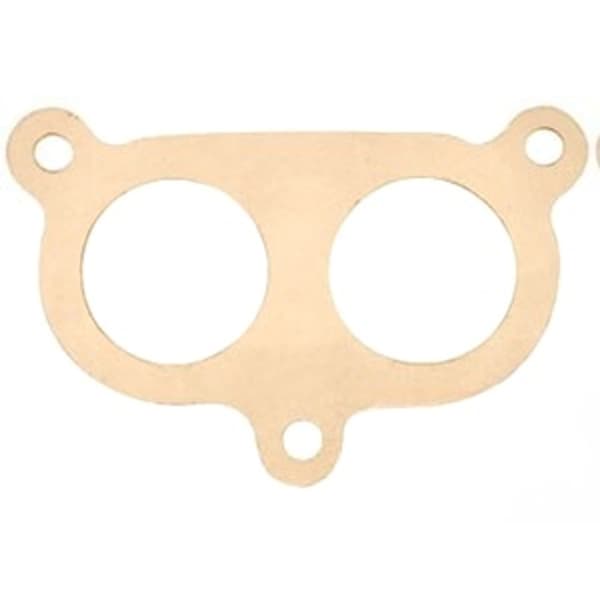
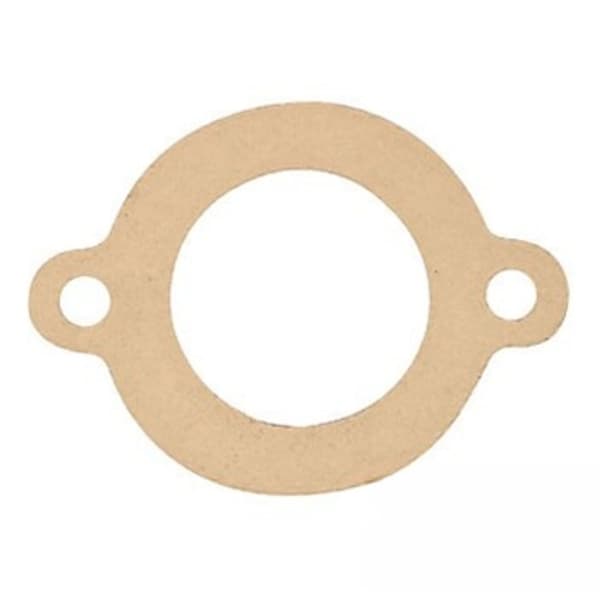
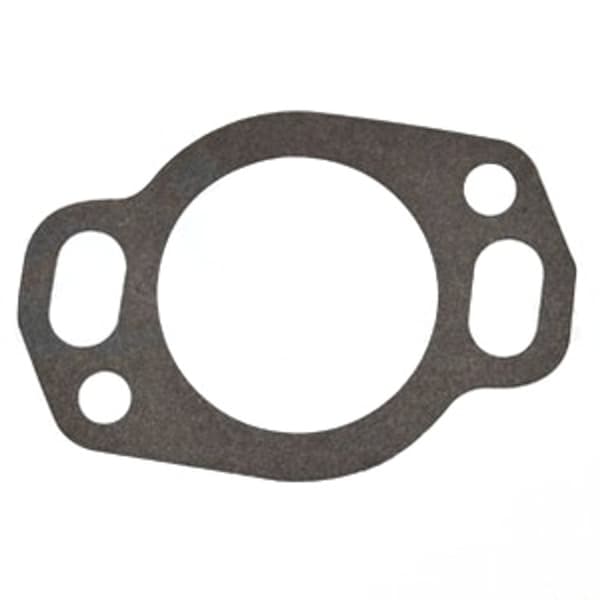
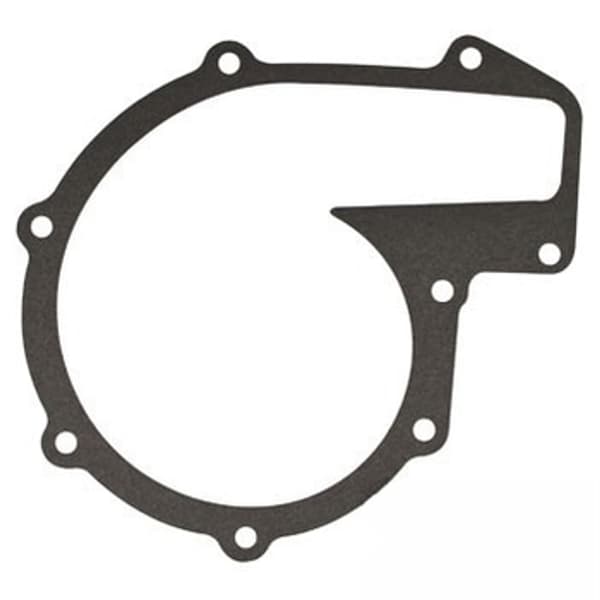
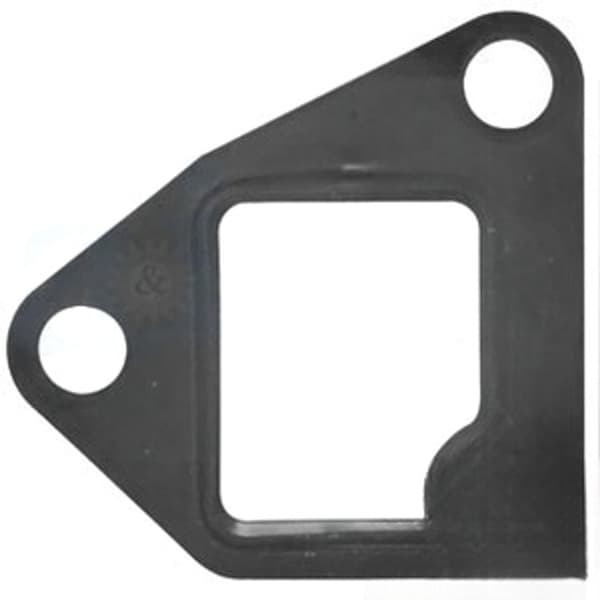
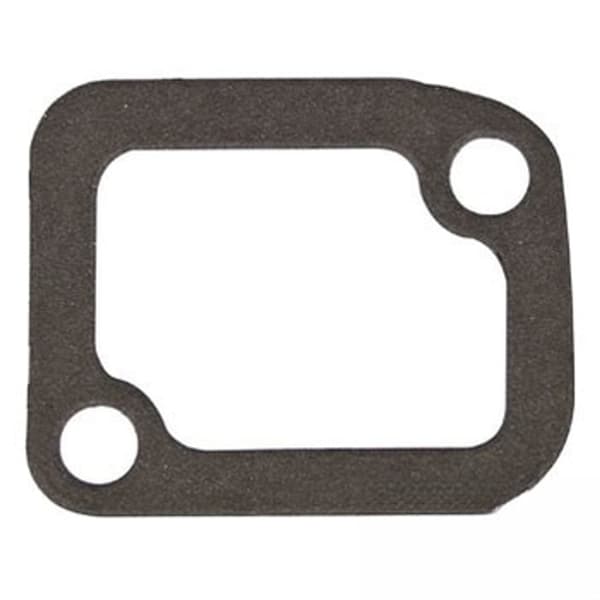
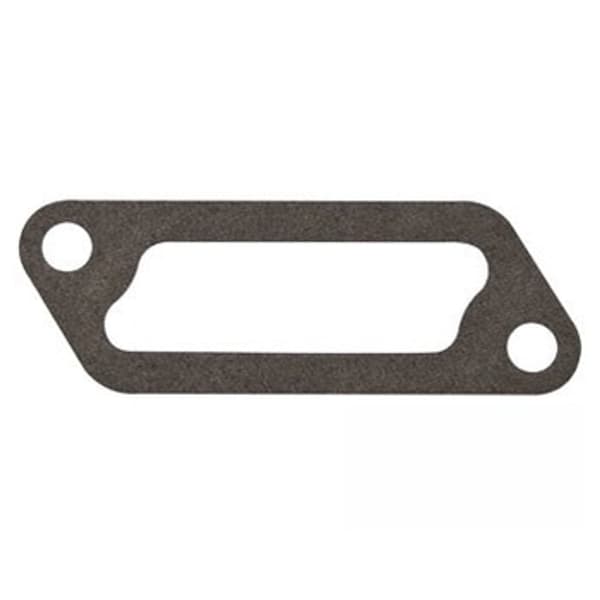
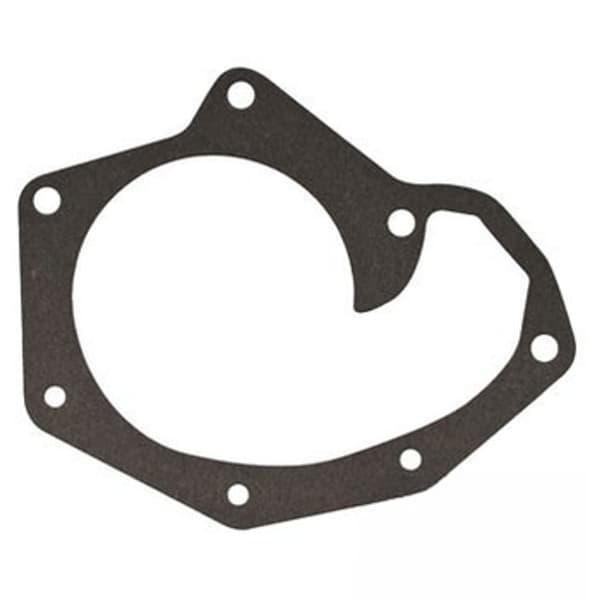
🔍 Looking for a specific part? Try our AI Part Finder — tell it your equipment and what you need, and it will find matching parts instantly.
At Madison Tractor Company, we understand the importance of reliable equipment. We carry a wide range of combine parts for all major brands, including John Deere, Case IH, New Holland, Gleaner, Massey Ferguson, Kubota, Allis Chalmers, Deutz, International Harvester, Oliver, White, Vermeer, Hesston, Mahindra, and Zetor. From routine maintenance items like filters and belts to major components like engines and transmissions, we have the parts you need to keep your combine running smoothly.
1. Engine Inspection & Maintenance
The engine is the heart of your combine. Thorough inspection and maintenance are crucial for reliable operation throughout the harvest season. This includes ensuring all engine seals and head gaskets are in good condition to prevent costly leaks.
- Check Engine Oil Level and Condition: Use the dipstick to verify the oil level and inspect the oil for contamination or excessive wear. Change the oil and oil filter according to the manufacturer's recommendations. When performing an oil change, inspect the oil filter adapter gasket for any signs of wear or leakage. For example, a John Deere S780 combine might require a CJ-4 15W-40 oil.
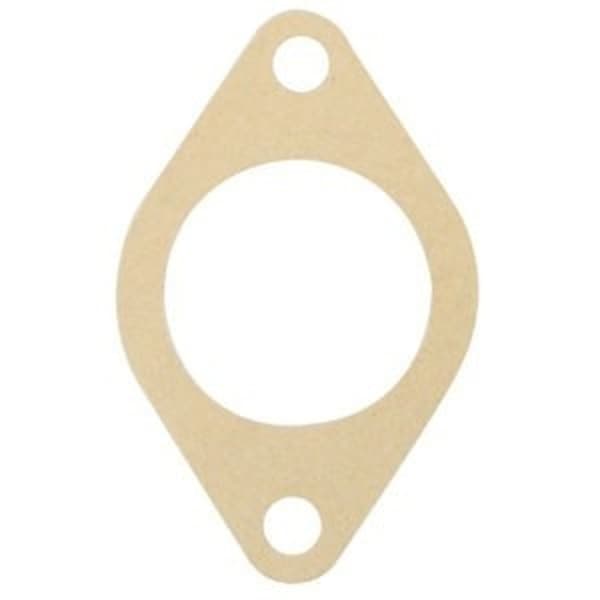
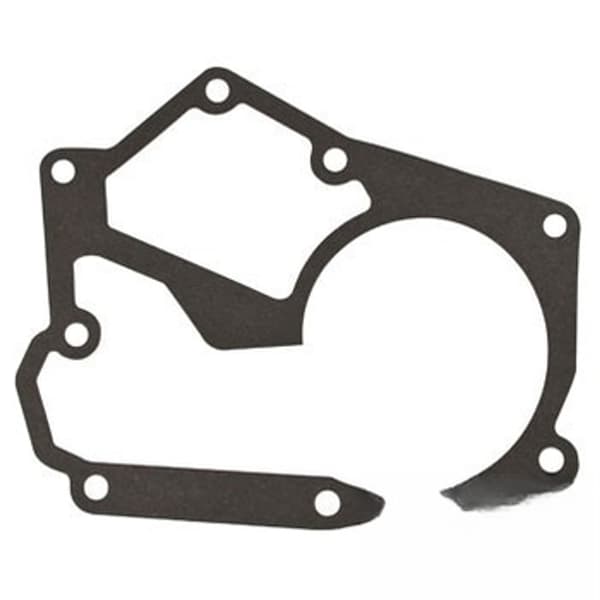
- Inspect Coolant Level and Condition: Check the coolant level in the radiator and expansion tank. Inspect the coolant for rust, scale, or other contaminants. Flush and refill the cooling system if necessary, using the correct type of coolant. If you notice leaks around cooling system components, you might need a new water pump gasket (like R71361 or R50410) or a water pump backplate gasket. Additionally, you may need various thermostat gaskets such as the thermostat housing gasket (for example, the Case-IH 1342784C1, 1342836C1, or T20215), or the thermostat housing to head gasket.
- Check Air Filter: A clean air filter is essential for proper engine performance and fuel efficiency. Inspect the air filter element and clean or replace it as needed. A clogged air filter can cause the engine to run rich and reduce power.
- Inspect Belts and Hoses: Carefully inspect all engine belts and hoses for cracks, wear, or damage. Replace any worn or damaged belts or hoses. Pay particular attention to the drive belt, which powers critical components like the alternator and water pump.
- Check Fuel System: Inspect the fuel lines, fuel filter, and fuel pump for leaks or damage. Replace the fuel filter to ensure a clean fuel supply to the engine. Consider a fuel system cleaner to prevent buildup in the fuel injectors.
2. Electrical System Inspection
A faulty electrical system can cause numerous problems, from starting issues to component failures. A thorough electrical system check is essential.
- Check Battery: Inspect the battery terminals for corrosion and clean them as needed. Check the battery voltage with a multimeter to ensure it is within the proper range. Replace the battery if it is weak or not holding a charge.
- Check Alternator: Verify the alternator output voltage with a multimeter while the engine is running. A faulty alternator can lead to a dead battery and electrical system malfunctions.
- Check Starter: Ensure the starter engages properly and cranks the engine smoothly. A slow or weak starter can indicate a problem with the starter motor or solenoid.
- Inspect Wiring Harness: Carefully inspect the wiring harness for damage, loose connections, or frayed wires. Repair or replace any damaged wiring.
- Check Fuses and Relays: Verify that all fuses and relays are in good condition and properly seated. Replace any blown fuses or faulty relays.
3. Hydraulic System Inspection
The hydraulic system is vital for many combine functions, including header control, reel speed adjustment, and steering. Regular inspection and maintenance are essential.
- Check Hydraulic Oil Level and Condition: Check the hydraulic oil level in the reservoir. Inspect the oil for contamination or excessive wear. Change the hydraulic oil and filter according to the manufacturer's recommendations.
- Inspect Hydraulic Hoses and Fittings: Carefully inspect all hydraulic hoses and fittings for leaks or damage. Replace any worn or damaged hoses or fittings.
- Check Hydraulic Cylinders: Inspect all hydraulic cylinders for leaks or damage. Repair or replace any leaking or damaged cylinders.
- Check Hydraulic Pump: Listen for unusual noises from the hydraulic pump, which could indicate wear or damage. Verify the pump pressure and flow rate according to the manufacturer's specifications.
4. Header Inspection & Adjustment
The header is responsible for gathering the crop and feeding it into the combine. Proper header maintenance is essential for efficient harvesting.
- Inspect Sickle Sections: Check the sickle sections for wear, damage, or missing teeth. Replace worn or damaged sickle sections.
- Adjust Knife Guards: Ensure the knife guards are properly aligned and adjusted to provide clean cutting action.
- Inspect Auger and Reel: Check the auger and reel for damage, wear, or misalignment. Repair or replace any worn or damaged components.
- Check Header Drive Belts and Chains: Inspect the header drive belts and chains for wear, damage, or proper tension. Adjust or replace as needed.
5. Threshing and Separating System Inspection
The threshing and separating system is responsible for separating the grain from the plant material. Proper maintenance of this system is crucial for minimizing grain loss.
- Inspect Concaves: Check the concaves for wear, damage, or broken wires. Replace worn or damaged concaves. Consider upgrading to more aggressive concaves for specific crops. See our John Deere Combine Concave: STS & S-Series Parts article for more information.
- Inspect Separator Grates: Check the separator grates for damage or clogging. Clean or replace the grates as needed.
- Check Rotor/Cylinder Bars: Inspect the rotor or cylinder bars for wear or damage. Replace worn or damaged bars.
- Adjust Threshing Speed and Clearance: Adjust the threshing speed and clearance according to the crop being harvested and the manufacturer's recommendations.
6. Cleaning System Inspection
The cleaning system removes chaff and other debris from the grain. Proper maintenance of this system is essential for producing clean grain.
- Inspect Cleaning Shoe Sieves: Check the cleaning shoe sieves for damage or clogging. Clean or replace the sieves as needed.
- Adjust Fan Speed and Sieve Openings: Adjust the fan speed and sieve openings according to the crop being harvested and the manufacturer's recommendations.
7. Final Checks and Lubrication
- Lubricate All Grease Fittings: Lubricate all grease fittings according to the manufacturer's recommendations.
- Check Tire Pressure: Verify the tire pressure and adjust as needed.
- Check Lights and Safety Equipment: Ensure all lights and safety equipment are functioning properly.
Safety Warning: Always disengage the engine and disconnect the battery before performing any maintenance or repairs on your combine. Wear appropriate personal protective equipment, such as gloves and eye protection, when working on the machine.
By following this combine maintenance checklist, you can help ensure your combine is ready for a successful and productive harvest season. Remember to consult your operator's manual for specific recommendations and safety precautions. Don't forget to reference our related articles such as John Deere Combine Parts: 9000, S-Series & X-Series, Case IH Combine Parts: Axial-Flow 1400-9200 Series, New Holland Combine Parts: CR, CX & TR Series, Gleaner Combine Parts: R, N & S Series Replacements and Massey Ferguson Combine Parts: 700 & 8500 Series for more detailed information.
Madison Tractor Company: Your combine parts Source
At Madison Tractor Company, we are committed to providing our customers with the highest quality combine parts and exceptional customer service. Whether you need oil filters, belts, chains, or any other combine parts, we have you covered. Shop our extensive online catalog today and experience the Madison Tractor Company difference! You can also use our AI-Powered Part Finder to search for parts by your specific make and model.
Part of our comprehensive guide
Combine Harvester Parts Guide: Pre-Season Checklist & Replacement Parts