








Combine Return Elevator: Tailings Rethresher Parts
The combine return elevator, or tailings rethresher, is crucial for efficient harvesting. Learn about its function, maintenance, and common problems, plus how to find the right replacement parts.
Introduction to the Combine Return Elevator System
The combine return elevator, often referred to as the tailings elevator or rethresher elevator, is a critical component of your combine harvester. Its primary function is to transport unthreshed grain and material other than grain (MOG), such as chaff and small stalks, from the cleaning shoe back to the threshing and separating components. This "second chance" ensures maximum grain recovery and minimizes losses out the back of the combine. A malfunctioning return elevator can lead to significant yield losses, making regular maintenance and timely repairs essential.
Recommended Parts for This Guide
9 parts we recommend — in stock, ships fast, one-click add to cart.
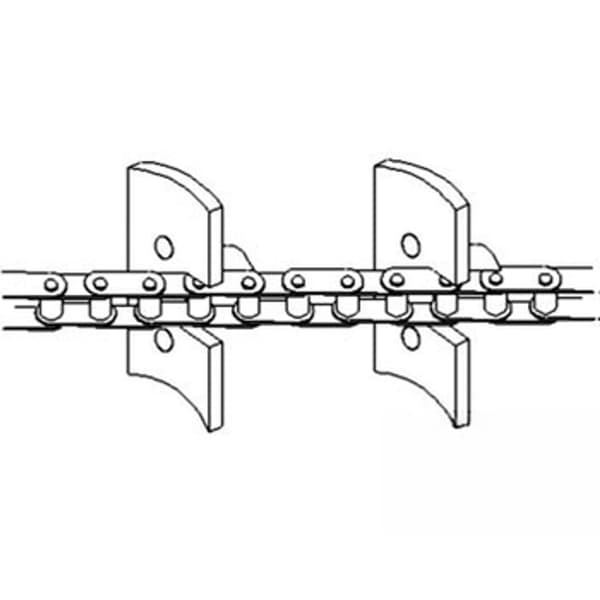
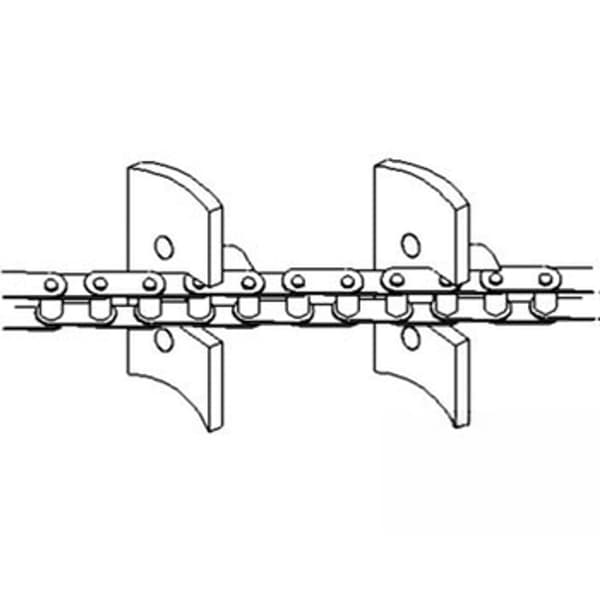
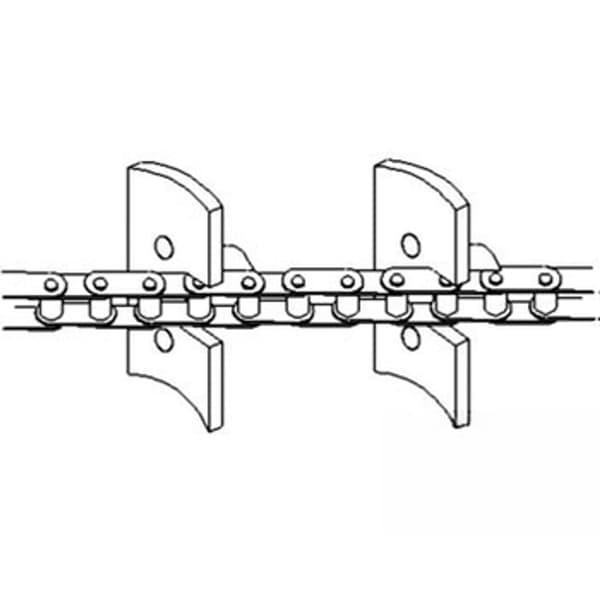
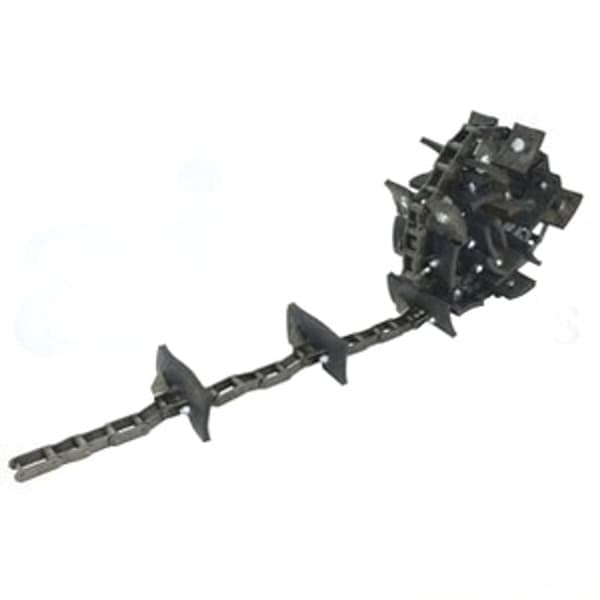
🔍 Looking for a specific part? Try our AI Part Finder — tell it your equipment and what you need, and it will find matching parts instantly.
Understanding the system is the first step. Material that isn't fully separated from the grain by the sieves and cleaning fan in the cleaning shoe falls into the tailings system. The return elevator then lifts this material back to the front of the combine, usually to the cylinder or rotor, where it's rethreshed. The goal is to extract any remaining grain and send it back to the clean grain tank.
Common Components of a Combine Return Elevator
While designs vary slightly between manufacturers like John Deere, Case IH, New Holland Gleaner, the core components remain consistent
- Elevator Housing Encloses and protects the elevator mechanism.
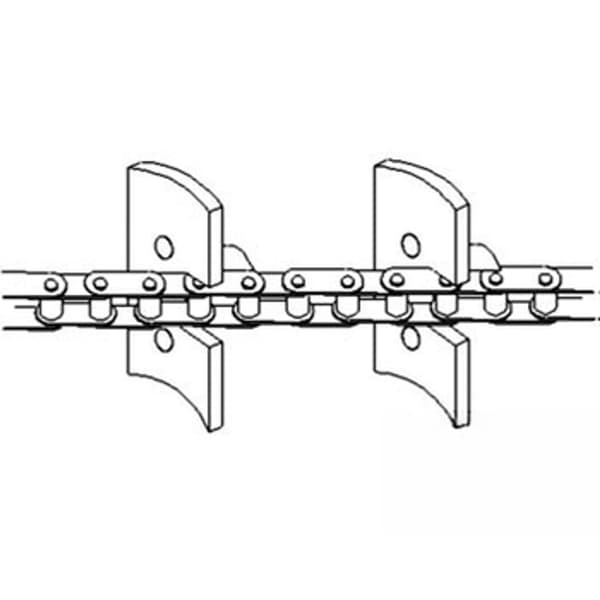
- Elevator Chain or Belt The primary moving component responsible for lifting the material. Chain elevators are common in older models, while belt elevators are frequently found in newer combines due to their quieter operation and reduced maintenance.
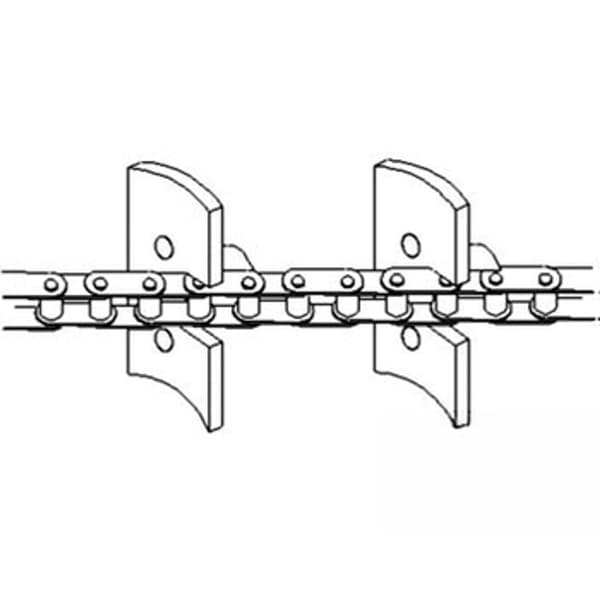
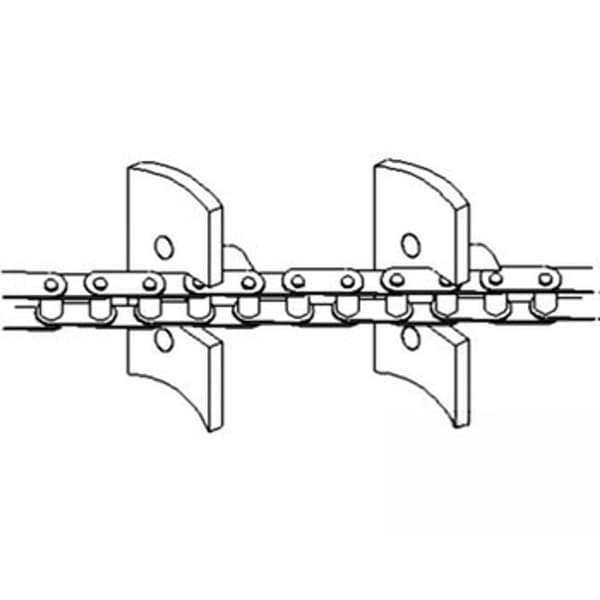
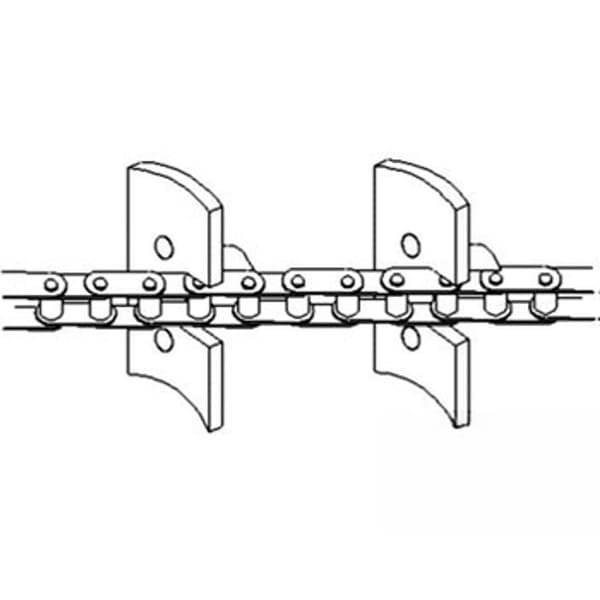
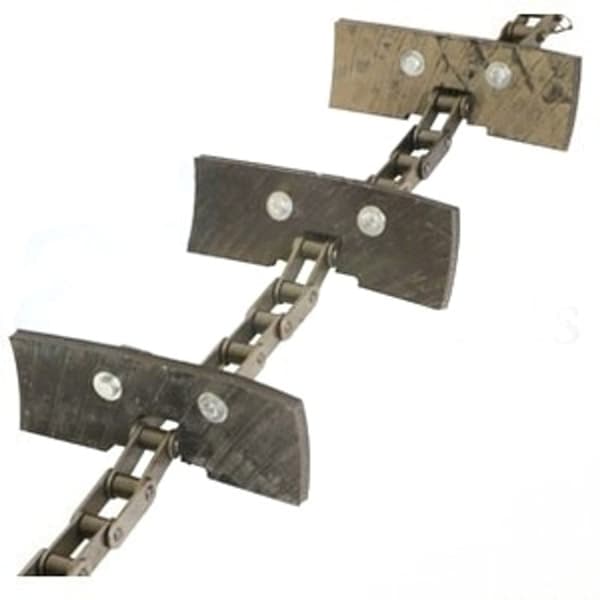
- Paddles or Flights Attached to the chain or belt, these scoop up and lift the tailings.
- Sprockets or Pulleys Drive and guide the chain or belt.
- Bearings Support the rotating shafts and ensure smooth operation.
- Drive Mechanism Usually a belt or chain drive connected to the combine's main drivetrain.
- Discharge Chute Directs the rethreshed material back into the threshing area.
Common Problems and Troubleshooting
Several issues can plague the combine return elevator, impacting its performance and potentially causing damage. Here are some of the most frequent problems and how to troubleshoot them
- Elevator Chain or Belt Slippage This is often caused by a worn or stretched chain or belt, or improperly adjusted tension. Inspect the chain or belt for wear and tear. Adjust the tension according to your combine's operator manual specifications. Replace the chain or belt if it's excessively worn. For example, a John Deere S-Series combine might require a belt tension of X inch deflection under Y lbs of pressure.
- Clogged Elevator Blockages can occur due to excessive MOG, wet conditions, or improper combine settings. Stop the combine and carefully clear the blockage, ensuring the engine is off and the machine is safely locked out. Adjust combine settings, such as fan speed and sieve openings, to minimize MOG entering the tailings system.
- Bearing Failure Noisy or seized bearings can cause the elevator to malfunction. Inspect bearings regularly for wear and grease them according to the manufacturer's recommendations. Replace damaged bearings promptly. We carry a wide selection of bearings for various combine makes and models, including John Deere, Case IH New Holland. A common bearing size for some return elevators is a 205 series, which can be found here.
- Paddle or Flight Damage Worn or broken Paddles or flights reduce the elevator's lifting capacity. Inspect them regularly and replace them as needed.
- Drive Mechanism Issues Problems with the drive belt, chain, or sprockets can prevent the elevator from operating. Inspect the drive components for wear and damage. Replace worn belts or sprockets. For combine belt replacement, consult our guide.
Maintenance Tips for a Long-Lasting Return Elevator
Preventative maintenance is key to maximizing the lifespan and performance of your combine return elevator
- Regular Inspection Inspect the elevator components regularly for wear, damage proper adjustment.
- Proper Lubrication Grease bearings and lubricate chains according to the manufacturer's recommendations. Use a high-quality grease appropriate for agricultural equipment.
- Tension Adjustment Maintain proper tension on the elevator chain or belt. Consult your operator's manual for specific tensioning procedures.
- Cleaning Keep the elevator housing and surrounding area clean to prevent debris buildup.
- Monitor Performance Pay attention to the elevator's operation. Unusual noises, vibrations, or reduced lifting capacity can indicate a problem.
- Check Chain Alignment Ensure the chain runs straight and doesn't rub against the sides of the housing. Misalignment accelerates wear.
Safety Warning Always disengage the engine and engage the parking brake before performing any maintenance or repairs on the combine. Use proper lockout/tagout procedures to prevent accidental startup.
Replacing Common Combine Return Elevator Parts
When parts wear out or fail, timely replacement is crucial. Here's a look at some common replacement parts and considerations
- Paddles or Flights Replace worn or broken paddles to maintain optimal lifting capacity. Ensure the new paddles are securely attached to the chain or belt.
- Bearings Use high-quality replacement bearings designed for agricultural applications. Ensure the bearings are properly installed and lubricated.
- Sprockets or Pulleys Replace worn sprockets or pulleys to ensure smooth operation and prevent chain or belt slippage.
For example, if you're working on a Case IH Axial-Flow 7120, knowing the specific model year helps you find the correct parts. You may need a specific sprocket for the return Elevator Chain with a certain number of teeth. Similarly, a New Holland CR9060 might require a specific type of belt drive. Consult our guides to Case IH Combine Parts and New Holland Combine Parts for more information.
Tailings Rethresher Specifics
Some combines employ a dedicated tailings rethresher unit, separate from the main threshing cylinder or rotor. This unit is specifically designed to handle the tailings material. The return elevator feeds into this rethresher, which then separates any remaining grain. These rethreshers often have their own concaves and cleaning elements. When working on a system with a dedicated tailings rethresher, also inspect
- Tailings Concave Inspect for wear and damage. Replace as needed. Check out our article on combine concave replacement for more information. Different models like the John Deere STS concaves (John Deere Combine Concave) will have varying needs for tailings rethreshers.
- Rethresher Rotor/Cylinder Bars Ensure these are in good condition for effective rethreshing.
- Drive Belts/Chains to Rethresher These can wear and cause the rethresher to stop operating effectively.
Often, rethreshers require unique parts compared to the main threshing system. For example, a Gleaner combine (Gleaner Combine Parts) might use a specialized tailings concave not found on the main cylinder.
Finding the Right Parts for Your Combine
Madison Tractor Company carries a comprehensive selection of combine parts for all major brands, including John Deere, Case IH, Ford, New Holland, Massey Ferguson, Kubota, Allis Chalmers, Deutz, International Harvester, Oliver, White, Gleaner, Vermeer, Hesston, Mahindra Zetor. Whether you need a radiator, water pump, starter, alternator, hydraulic pump, cylinder, clutch kit, PTO part, fuel pump, carburetor, injector, filter, gasket, piston, bearing, seal, belt, chain, concave, or sickle section, we have you covered. Be sure to check your parts manual or consult with one of our experts when ordering. Proper fitment is critical for safe and effective operation. When ordering parts, try to have the following information handy
- Combine Make (e.g., John Deere)
- Combine Model (e.g., S680)
- Model Year
- Part Number (if known)
Conclusion
A well-maintained combine return elevator is essential for maximizing grain recovery and minimizing losses during harvest. By understanding the system, performing regular maintenance promptly replacing worn or damaged parts, you can keep your combine running efficiently for years to come. Don't hesitate to consult your operator's manual or contact a qualified mechanic if you encounter any issues you're unsure how to handle.
Ready to get your combine ready for harvest? Shop our extensive selection of combine return elevator parts and other essential components at Madison Tractor Company. We're here to help you keep your equipment running smoothly! You can also use our AI-Powered Part Finder to search for parts by your specific make and model.
Part of our comprehensive guide
Combine Harvester Parts Guide: Pre-Season Checklist & Replacement Parts