








John Deere Combine Concave: STS & S-Series Parts
Optimize your John Deere STS or S-Series combine with the right concave. This guide explains different concave types (wire, round bar, slotted) and helps you choose the best option for different crops. Find durable replacement combine parts at Madison Tractor.
Introduction to John Deere Combine Concaves
The combine concave is a crucial component in your John Deere combine's threshing and separating process. It sits beneath the rotor (in STS models) or front of the rotor (in S-Series models) and works to separate grain from the plant material. Selecting the correct concave and maintaining it properly is essential for minimizing grain loss, improving harvesting efficiency, and ultimately, maximizing your yield. Here at Madison Tractor Company, we understand the importance of having the right parts for the job. We stock a wide selection of combine parts, including concaves, for John Deere, Case IH, Ford, New Holland, Massey Ferguson, Kubota, Allis Chalmers, Deutz, International Harvester, Oliver, White, Gleaner, Vermeer, Hesston, Mahindra, and Zetor combines.
Recommended Parts for This Guide
4 parts we recommend — in stock, ships fast, one-click add to cart.
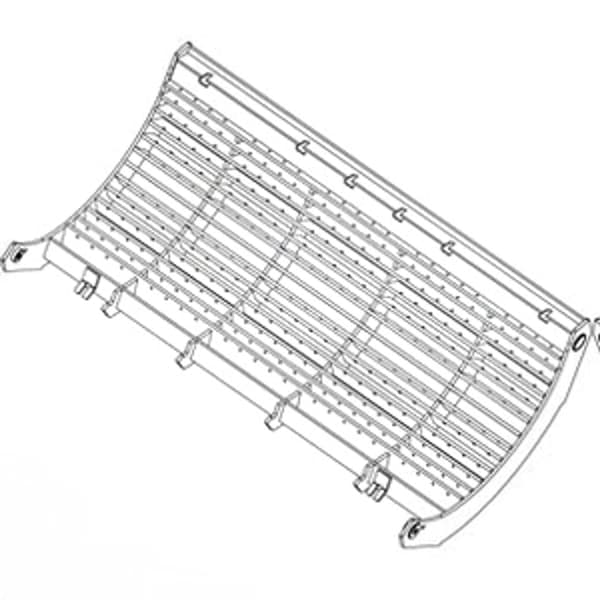
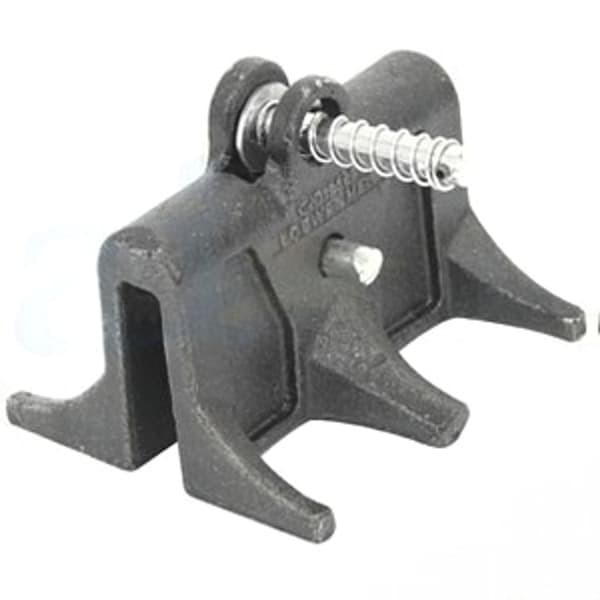
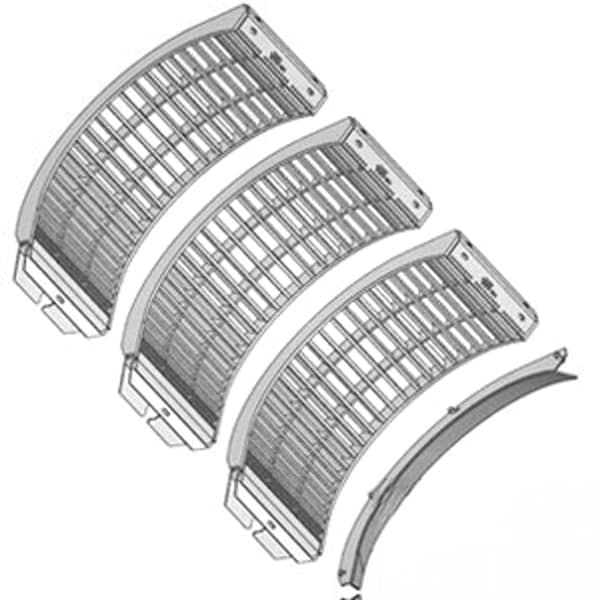
🔍 Looking for a specific part? Try our AI Part Finder — tell it your equipment and what you need, and it will find matching parts instantly.
This guide focuses specifically on John Deere STS and S-Series combine concaves, covering the different types available, their applications, and how to choose the right one for your specific needs. We also carry a variety of other John Deere combine parts. Remember to always consult your operator's manual for specific recommendations related to your combine model.
Understanding Concave Types
John Deere offers several different concave designs, each optimized for specific crops and harvesting conditions. The three primary types are:
- Wire Concaves: These concaves feature a series of closely spaced wires that provide aggressive threshing. They are generally best suited for crops that are easy to thresh, such as wheat, barley, and soybeans in drier conditions. Wire concaves offer high throughput but can be more prone to grain damage in tougher conditions.
- Round Bar Concaves: Round bar concaves use rounded bars instead of wires. They offer a gentler threshing action compared to wire concaves, making them suitable for more fragile crops or wetter conditions where grain damage is a concern. They're also a good all-around choice for various crops.
- Slotted Concaves: Slotted concaves feature solid plates with slotted openings. They provide the gentlest threshing action and are specifically designed for crops that are very easily damaged, such as edible beans, seed corn, and other specialty crops.
John Deere STS Concave Options
The STS (Single Tine Separation) combines, such as the 70 Series and older, utilize a specific concave design tailored to their rotor system. Common STS combine models include the 9560 STS, 9660 STS, 9760 STS, 9860 STS, 9670 STS, 9770 STS, and 9870 STS.
Concave Placement: On STS combines, the concaves are positioned directly beneath the rotor, covering a significant portion of its circumference.
Common STS Concave Configurations: It's common to use a combination of different concave types in an STS combine to optimize threshing and separation. For example, you might use wire concaves in the front section for initial threshing and round bar concaves in the rear section for gentler separation.
STS Concave Part Numbers: Examples of common OEM part numbers for STS concaves include (but are not limited to, always verify fitment with your machine's serial number):
- Wire Concave: AH136605SPL - Concave; Special, Small Grain
- Round Bar Concave: Search available parts
- Small Wire Concave: V18059 - Concave STS; Small Wire, Ext. Wear
John Deere S-Series Concave Options
The S-Series combines, including the S660, S670, S680, S690, S760, S770, S780, and S790, feature a different concave configuration compared to the STS models. They generally use smaller concave elements placed at the front of the rotor.
Concave Placement: S-Series combines typically have three or four individual concave sections positioned at the front of the rotor. This design allows for easier concave replacement and more precise adjustment of the threshing aggressiveness.
S-Series Concave Part Numbers: Examples of common OEM part numbers for S-Series concaves include (but are not limited to, always verify fitment with your machine's serial number):
- Small Wire Concave: AH136605SPL - Concave; Special, Small Grain
- Large Wire Concave: Search available parts
- Module Concave: Search available parts
Note: S-Series concaves are often sold and installed as modules for easier replacement and configuration.
Choosing the Right Concave: A Step-by-Step Guide
Selecting the correct concave configuration requires careful consideration of several factors:
- Identify the Crop: Start by determining the primary crop you will be harvesting. As mentioned earlier, wire concaves are generally suitable for easy-to-thresh crops, round bar concaves are a good all-around option, and slotted concaves are ideal for fragile crops.
- Assess Crop Conditions: Consider the moisture content and maturity of the crop. Wetter or tougher conditions may require a gentler threshing action to minimize grain damage.
- Review Your Operator's Manual: Consult your John Deere combine's operator's manual for specific recommendations on concave selection and settings for different crops and conditions.
- Consider Your Combine Model: As discussed above, STS and S-Series combines have different concave configurations and part numbers.
- Start with a Standard Configuration: If you are unsure, begin with a standard concave configuration recommended for your crop and then adjust as needed based on your harvesting results.
Example: Harvesting dry wheat with an STS combine? A configuration of two wire concaves followed by one round bar concave is a common starting point. Harvesting edible beans with an S-Series combine? Consider using all slotted concaves for the gentlest threshing action. Always monitor grain loss and damage and adjust concave settings accordingly.
Concave Maintenance and Adjustment
Proper concave maintenance and adjustment are crucial for optimal combine performance.
- Regular Inspection: Inspect your concaves regularly for wear and damage. Look for broken wires, bent bars, or cracks in the slotted plates. Replace worn or damaged concaves promptly to prevent grain loss and potential damage to other combine components. Learn more about replacing combine concaves.
- Concave Clearance Adjustment: Adjust the concave clearance according to the recommendations in your operator's manual. Smaller clearance settings provide more aggressive threshing but can increase grain damage. Larger clearance settings provide gentler threshing but may result in increased grain loss.
- Zeroing The Concave: It is important to zero the concave to ensure the readout on the display is accurate. Consult your operator's manual for specific instructions.
- Cleaning: Keep your concaves clean and free of debris. Accumulated material can reduce threshing efficiency and increase grain loss.
Safety Warning: Always disengage the engine and ensure all moving parts have come to a complete stop before performing any maintenance or adjustments on your combine.
Common Concave Issues and Troubleshooting
Here are some common issues related to combine concaves and potential solutions:
- Excessive Grain Loss: Possible causes include worn concaves, incorrect concave clearance, excessive rotor speed, or improper fan speed.
- Grain Damage: Possible causes include excessive concave clearance, too aggressive of concave type, or excessive rotor speed.
- Uneven Threshing: Possible causes include unevenly worn concaves or incorrect concave alignment.
- High Rotor Loss: High rotor loss can be related to issues beyond the concave itself. Make sure your rasp bars are in good condition and properly adjusted.
Tip: Keep a log of your concave settings and harvesting results. This will help you identify optimal settings for different crops and conditions and troubleshoot any issues that may arise.
Finding the Right combine parts at Madison Tractor
At Madison Tractor Company, we're committed to providing high-quality combine parts at competitive prices. We stock a wide selection of John Deere combine concaves, as well as other essential components like radiators, water pumps, starters, alternators, hydraulic pumps, cylinders, clutch kits, PTO parts, fuel pumps, carburetors, injectors, filters, gaskets, pistons, bearings, seals, and belts. Whether you need parts for your John Deere, Case IH, Ford, New Holland, Massey Ferguson, Kubota, Allis Chalmers, Deutz, International Harvester, Oliver, White, Gleaner, Vermeer, Hesston, Mahindra, or Zetor combine, we have you covered. Contact our knowledgeable parts specialists today to find the right parts for your machine and keep your harvesting operation running smoothly! We also carry a wide selection of Case IH combine parts, New Holland combine parts, Massey Ferguson combine parts, and Gleaner combine parts.
🔍 Can't Find Your Part?
Use our AI-Powered Part Finder to search by your equipment's make, model, and what you need. It's the fastest way to find the exact part for your machine.
Try the Part Finder →Part of our comprehensive guide
Combine Harvester Parts Guide: Pre-Season Checklist & Replacement Parts