







Combine Yield Monitor Calibration: Step by Step
Accurate yield data is crucial for informed decisions about your farm. This guide provides a step-by-step process for calibrating your combine yield monitor, ensuring you get the most reliable data possible. Learn how to properly calibrate your John Deere, Case IH, or other combine yield monitor for optimal performance.
Introduction to Yield Monitor Calibration
A properly calibrated yield monitor is the cornerstone of precision agriculture. Without it, the data you collect during harvest is unreliable, leading to inaccurate yield maps and ultimately, poor decision-making. This guide provides a detailed, step-by-step process for calibrating your combine yield monitor, regardless of the make or model. Whether you operate a John Deere, Case IH, New Holland, Gleaner, or Massey Ferguson combine, following these steps will ensure accurate data and a more profitable harvest.
Recommended Parts for This Guide
10 parts we recommend — in stock, ships fast, one-click add to cart.
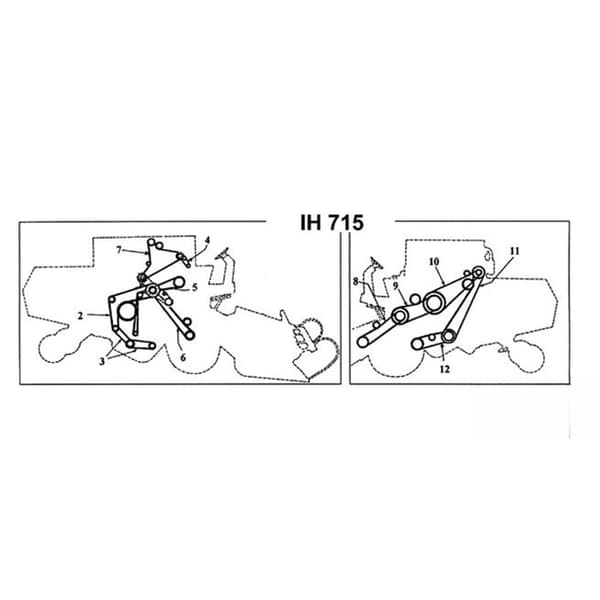
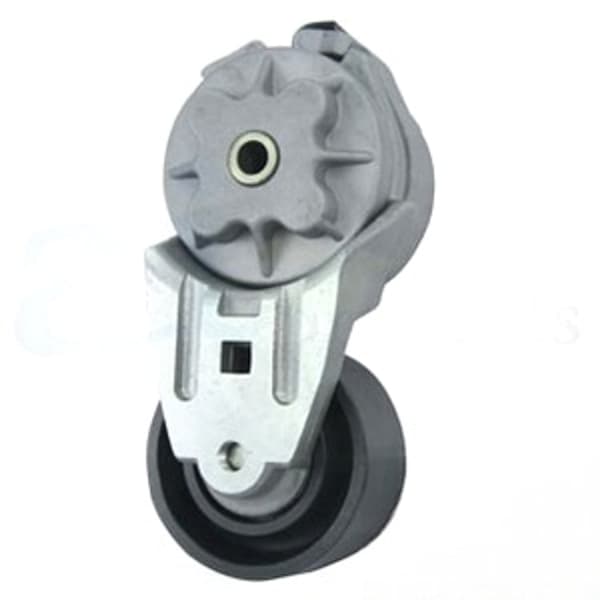
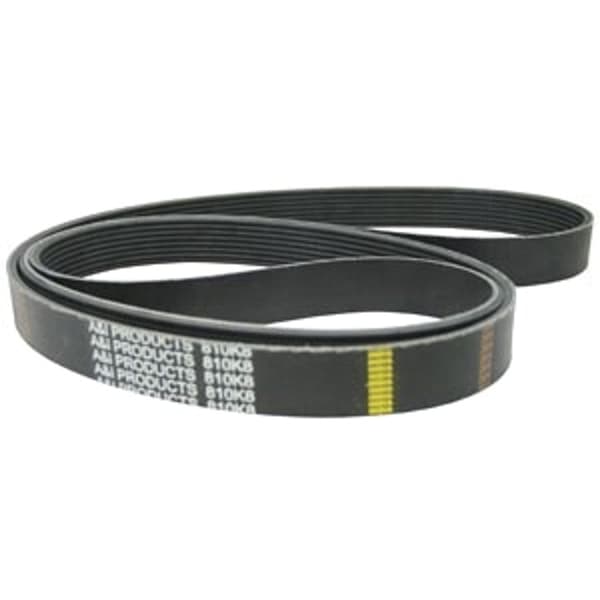
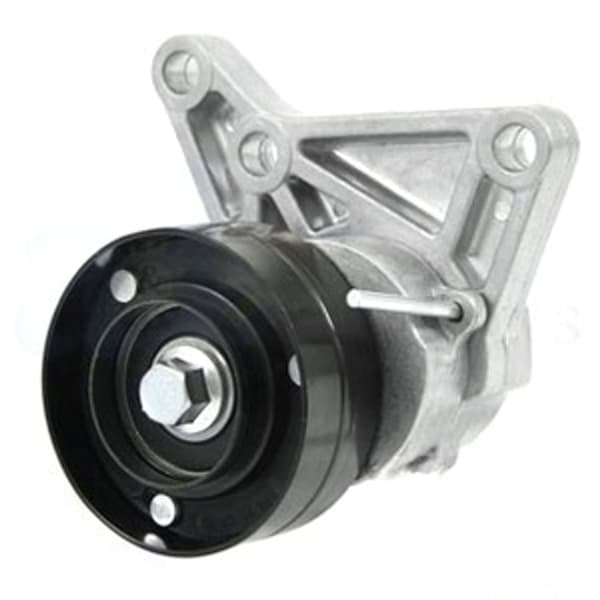
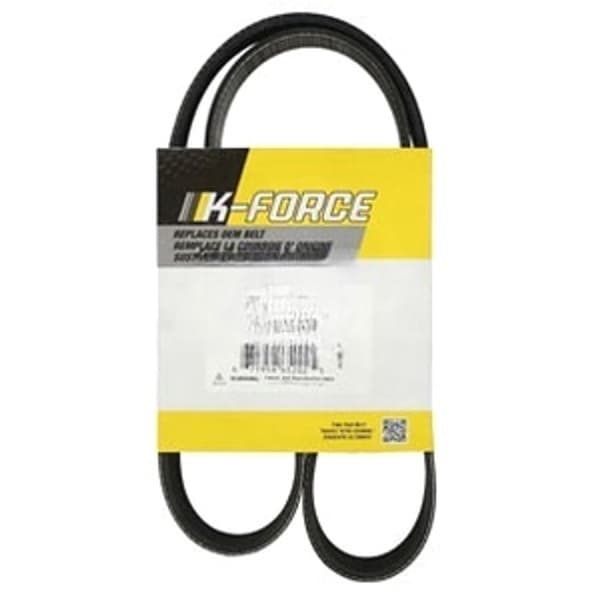
🔍 Looking for a specific part? Try our AI Part Finder — tell it your equipment and what you need, and it will find matching parts instantly.
Remember to consult your operator's manual for specific instructions related to your combine and yield monitor model. This guide provides general best practices, but the manual contains model-specific details.
Before you begin, it's a good idea to inspect the overall condition of your combine. Check your combine belts, particularly the feeder conveyor and feeder house drive belts, discharge beater drive belts, and alternator/fan belts. A worn or damaged belt tensioner or compressor belt can affect overall performance and throw off your calibration. Also, ensure your combine concave is in good condition. Worn concaves can lead to increased grain loss and inaccurate readings. We carry a wide selection of concaves, including John Deere combine concave options for STS and S-Series machines.
Preparing for Calibration
Proper preparation is essential for an accurate yield monitor calibration. Here’s what you need to do before heading to the field:
- Clean the Sensors: Inspect and clean all sensors associated with the yield monitor system. This includes the moisture sensor, mass flow sensor (impact plate or load cells), and header position sensor. Debris and dust can significantly affect sensor readings.
- Check Wiring and Connections: Examine all wiring and connections for corrosion, damage, or loose connections. Clean and tighten as necessary. Consider applying dielectric grease to connections to prevent future corrosion.
- Level the Combine: Park the combine on a level surface and ensure the bubble level on the yield monitor is properly aligned. Most monitors allow you to zero the sensors only when the combine is level.
- Zero the Sensors: Follow the manufacturer's instructions to zero the sensors. This typically involves accessing the calibration menu on the display and selecting the “Zero” or “Tare” function.
- Fuel Up: Ensure you have enough fuel to complete the calibration process without interruption. Running out of fuel mid-calibration can introduce errors. Speaking of fuel, we stock fuel pumps, carburetors, and injectors for many models, including Ford, Kubota, and International Harvester.
- Gather Calibration Weights (Optional): Some yield monitors require you to manually enter calibration weights for each load. Having pre-weighed bags of grain ready can streamline the process.
The Calibration Process: A Step-by-Step Guide
The core of yield monitor calibration involves harvesting several loads of grain and comparing the yield monitor's readings to the actual weight of the grain. The number of loads required for calibration varies by manufacturer and model, but typically ranges from 3 to 5. Here's a general procedure:
- Select Calibration Speeds: Determine the range of harvesting speeds you typically use. Choose 2-3 speeds within that range to calibrate the monitor. For example, you might choose 3 mph, 4 mph, and 5 mph.
- Harvest Calibration Loads: Harvest each calibration load at the selected speed. Maintain a consistent speed and header width throughout each pass. Ensure the grain is flowing smoothly and consistently into the combine. Avoid starting and stopping mid-pass if possible.
- Weigh Each Load: After harvesting each load, unload the grain into a weigh wagon or truck. Get an accurate weight of each load using a certified scale. Record the weight for each load.
- Enter Data into Yield Monitor: Enter the actual weight of each load into the yield monitor's calibration menu. Most monitors will prompt you to enter the weight and other relevant information, such as the harvesting speed.
- Repeat for All Loads: Repeat steps 2-4 for all calibration loads at each selected speed.
- Evaluate Calibration Accuracy: After entering all the data, the yield monitor will calculate a calibration coefficient or curve. Evaluate the accuracy of the calibration by comparing the yield monitor's readings to the actual weight of a few additional test loads. If the readings are within an acceptable range (typically ±2-3%), the calibration is complete. If not, repeat the calibration process or consult your operator's manual for troubleshooting tips.
Specific Considerations for Different Combine Brands
While the general calibration process is similar across different combine brands, there are some specific considerations for each:
John Deere Combines
John Deere combines, particularly the S-Series and X-Series, often use the GreenStar yield monitor system. Pay close attention to the header position sensor calibration, as this can significantly impact yield accuracy. Ensure the sensor is properly detecting the raised and lowered positions of the header. We offer a wide selection of John Deere combine parts, including sensors, radiators, and water pumps.
Case IH Combines
Case IH Axial-Flow combines require careful attention to the impact plate or load cell calibration. Ensure the plate is clean and free of any obstructions. Verify the wiring to the load cells is secure and in good condition. Madison Tractor Company carries a comprehensive range of Case IH combine parts, including Case IH combine parts for Axial-Flow 1400-9200 Series combines.
New Holland Combines
New Holland combines often feature a moisture sensor that can significantly affect yield accuracy. Ensure the moisture sensor is clean and properly calibrated for the crop being harvested. We stock New Holland combine parts for CR, CX, and TR Series combines. Consider replacing your filters regularly, as clogged filters can impact performance.
Gleaner Combines
Gleaner combines, including the R, N, and S Series, often have unique calibration requirements. Consult your operator's manual for specific instructions related to your model. Pay close attention to the flow sensor calibration. Madison Tractor has you covered with a full selection of Gleaner combine parts. Ensure you replace worn combine belts to maintain consistent operation.
Massey Ferguson Combines
Massey Ferguson combines often require careful attention to the grain elevator calibration. Ensure the elevator is running smoothly and that there are no blockages. We provide Massey Ferguson combine parts, including replacements for the 700 and 8500 Series, and we can help you find the parts you need.
Troubleshooting Common Calibration Issues
Even with careful preparation, you may encounter issues during the calibration process. Here are some common problems and potential solutions:
- Inconsistent Readings: Inconsistent readings can be caused by several factors, including sensor problems, variations in harvesting speed, or uneven grain flow. Double-check all sensors and connections. Try to maintain a more consistent harvesting speed. Ensure your beater/chopper belt is not worn for consistent grain processing.
- Moisture Sensor Errors: Moisture sensor errors can be caused by dirty sensors, incorrect calibration settings, or faulty sensors. Clean the sensor and recalibrate it. If the problem persists, consider replacing the sensor.
- Incorrect Weight Readings: Double-check the accuracy of the scale you are using to weigh the grain. Ensure the scale is properly calibrated and level.
- Calibration Coefficient Out of Range: If the calibration coefficient is significantly out of range, it may indicate a problem with the yield monitor system. Consult your operator's manual for troubleshooting tips or contact a qualified technician.
Maintenance for Continued Accuracy
Once you've calibrated your yield monitor, it's important to maintain it properly to ensure continued accuracy. Regularly inspect and clean the sensors, check wiring connections, and replace any worn or damaged parts. Refer to your operator's manual for specific maintenance recommendations. Don’t forget regular service items like filters and lubricants – Madison Tractor carries a full line of those items for John Deere, Case IH, Ford, New Holland, Massey Ferguson, Kubota, Allis Chalmers, Deutz, International Harvester, Oliver, White, Gleaner, Vermeer, Hesston, Mahindra, and Zetor combines.
Safety Considerations
Working with agricultural machinery can be dangerous. Always follow these safety precautions:
- Read and understand your operator's manual before operating or servicing the combine.
- Wear appropriate personal protective equipment (PPE), including safety glasses, gloves, and hearing protection.
- Never work on the combine while the engine is running.
- Disconnect the battery before performing any electrical repairs.
- Be aware of your surroundings and watch out for hazards.
Shop combine parts at Madison Tractor Company
Madison Tractor Company is your one-stop shop for all your combine parts needs. We offer a wide selection of high-quality replacement parts for all major brands, including John Deere, Case IH, New Holland, Gleaner, and Massey Ferguson. Whether you need a new radiator, water pump, starter, alternator, or any other combine part, we have you covered. Visit our website today to browse our extensive inventory and find the parts you need to keep your combine running smoothly. We carry a wide variety of parts including hydraulic pumps, cylinders, clutch kits, PTO parts, fuel pumps, injectors, filters, gaskets, pistons, bearings, seals, and chains. Our knowledgeable staff is always available to answer your questions and help you find the right parts for your machine. You can also use our AI-Powered Part Finder to search for parts by your specific make and model.
Part of our comprehensive guide
Combine Harvester Parts Guide: Pre-Season Checklist & Replacement Parts