








Combine Cleaning Fan: Speed Settings & Troubleshooting
Optimize your combine's performance by understanding your cleaning fan. This guide covers speed settings, troubleshooting common issues, and maintenance tips for various combine brands like John Deere and Case IH.
Introduction to the Combine Cleaning Fan
The combine cleaning fan, also sometimes called the air separator fan, is a critical component of your combine harvester. It plays a vital role in separating grain from chaff, straw, and other unwanted material during the harvesting process. An improperly adjusted or malfunctioning cleaning fan can lead to significant grain loss, reduced harvest quality, and ultimately, lower profits. This guide will provide you with practical advice on optimizing your combine cleaning fan speed settings and troubleshooting common problems. Whether you're running a John Deere, Case IH, New Holland, Gleaner, or any other major brand, understanding your cleaning fan is key to a successful harvest.
Recommended Parts for This Guide
10 parts we recommend — in stock, ships fast, one-click add to cart.
🔍 Looking for a specific part? Try our AI Part Finder — tell it your equipment and what you need, and it will find matching parts instantly.
Before making any adjustments or repairs, always consult your combine's operator manual for specific instructions and safety precautions. Remember, working on heavy machinery can be dangerous, so prioritize safety at all times.
Understanding the Cleaning System
The cleaning system works in conjunction with the threshing and separating stages of your combine. After the grain has been threshed from the head and separated from the majority of the straw, it falls onto the cleaning shoe. The cleaning shoe typically consists of two main components: the chaffer and the sieve (also called the shoe sieve). The chaffer is a series of adjustable vanes that separate larger pieces of material, while the sieve separates smaller debris. The cleaning fan provides a high-velocity air stream that blows through the chaffer and sieve, lifting and carrying away lighter materials like chaff and straw, leaving the clean grain to fall through into the grain tank.
The effectiveness of the cleaning system relies heavily on the proper balance between the chaffer and sieve settings, and the cleaning fan speed. Too little air and the grain won't be cleaned effectively, resulting in dirty grain in the tank. Too much air, and you'll blow valuable grain out the back of the combine. Finding the sweet spot is critical.
Optimizing Cleaning Fan Speed Settings
Setting the correct cleaning fan speed is essential for maximizing grain quality and minimizing grain loss. Several factors influence the optimal speed, including the type of crop, the moisture content of the crop and the amount of trash (chaff and straw) present in the harvested material.
General Guidelines:
- Start with the manufacturer's recommendations: Refer to your combine's operator manual for the recommended starting point for fan speed based on the crop you are harvesting. This is a crucial first step, providing a solid baseline.
- Observe the grain tank: Regularly inspect the grain tank. If you see excessive amounts of chaff or other debris, increase the fan speed.
- Monitor grain loss: Check the ground behind the combine for grain loss. If you see significant grain being blown out, reduce the fan speed.
- Adjust for crop conditions: Drier, lighter crops typically require lower fan speeds, while wetter, heavier crops need higher speeds.
- Iterate: Make small adjustments to the fan speed, observe the results, and repeat until you achieve the optimal balance between grain quality and grain loss.
Specific Crop Considerations:
- Corn: Corn typically requires a moderate to high fan speed due to the larger kernel size and heavier chaff.
- Soybeans: Soybeans generally require a lower fan speed due to their smaller size and lighter chaff.
- Wheat: Wheat requires a moderate fan speed, depending on the amount of straw present.
- Canola: Canola requires a very low fan speed due to its small seed size and light chaff.
Combine-Specific Notes:
- John Deere: John Deere combines, especially the S-Series and X-Series (see John Deere Combine Parts: 9000, S-Series & X-Series), often feature adjustable chaffer and sieve extensions that can further optimize the cleaning process. Their digital displays often provide real-time feedback on grain loss.
- Case IH: Case IH Axial-Flow combines (see Case IH Combine Parts: Axial-Flow 1400-9200 Series) rely heavily on rotor speed and concave settings (see Combine Concave Replacement: Wire, Round Bar & Slotted) in conjunction with the cleaning fan. Check the condition of your Case IH combine concave for optimal threshing performance.
- New Holland: New Holland combines (see New Holland Combine Parts: CR, CX & TR Series) often have multiple cleaning fan speeds to accommodate various crop types.
- Gleaner: Gleaner combines (see Gleaner Combine Parts: R, N & S Series Replacements) are known for their transverse rotor design. Proper cleaning fan speed is vital for efficient separation.
Troubleshooting Common Cleaning Fan Problems
1. Insufficient Airflow:
- Symptoms: Dirty grain in the tank, excessive chaff and straw mixed with the grain.
- Possible Causes:
- Low fan speed: Verify that the fan speed is set correctly for the crop being harvested.
- Clogged air intake: Check for obstructions in the air intake screen or ducting. Clean away any debris.
- Worn or damaged fan blades: Inspect the fan blades for wear, damage, or bending. Replace damaged blades.
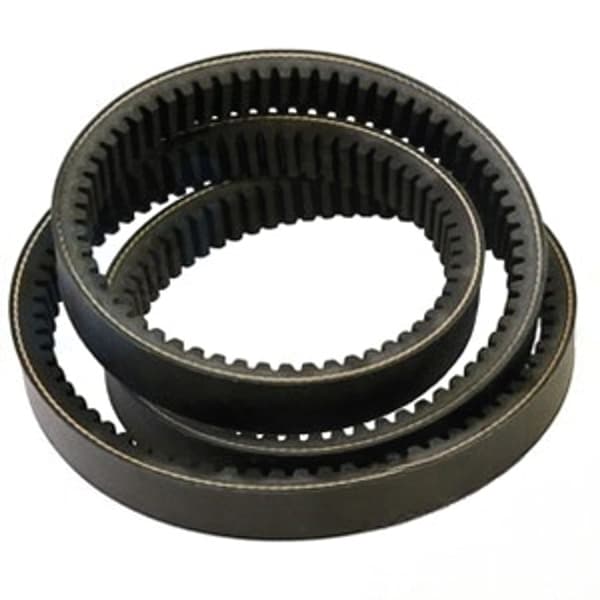
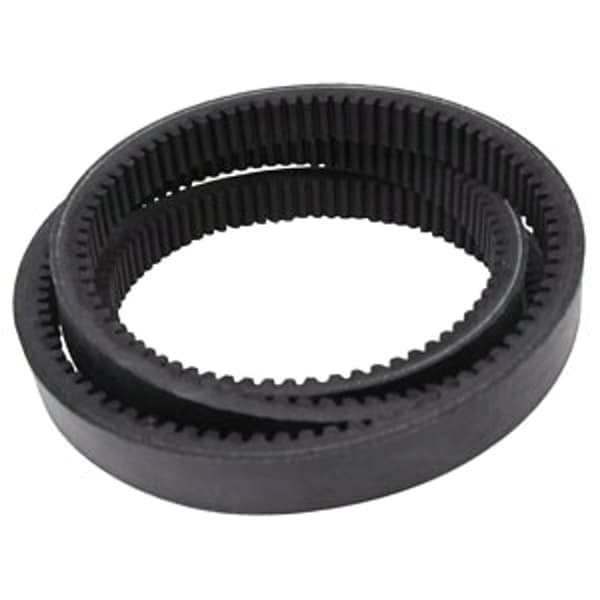
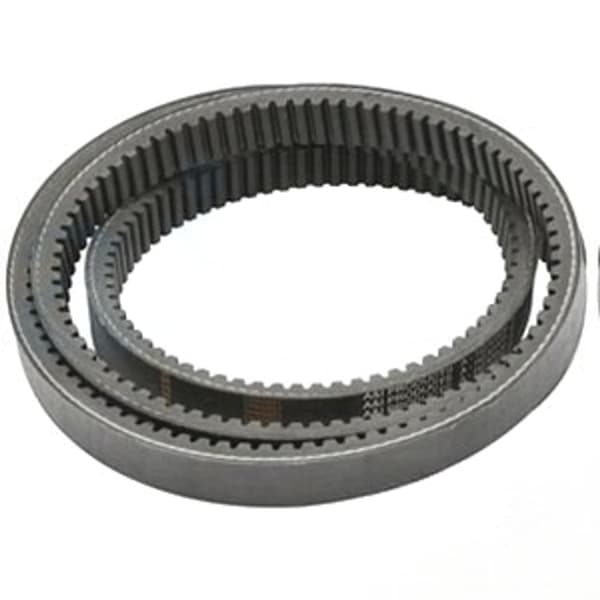
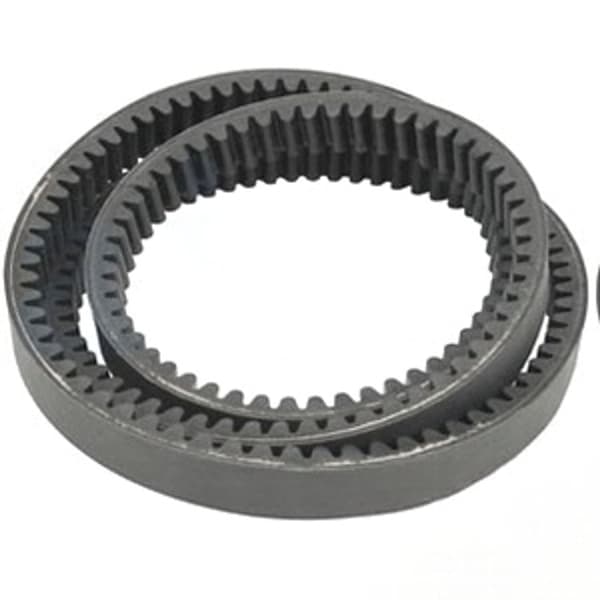
- Slipping belt: A worn or loose combine belt driving the fan can cause it to run at a lower speed. Check the belt tension and replace if necessary. A good quality combine belt is crucial.
- Hydraulic issues (if applicable): For hydraulically driven fans, check the hydraulic fluid level and pressure. A faulty hydraulic pump or motor can reduce fan speed.
- Troubleshooting Steps:
- Increase fan speed in small increments, observing the grain tank.
- Clean the air intake screen and ducting.
- Visually inspect the fan blades for damage.
- Check the belt tension and condition. Refer to your operator's manual for correct tension specifications. Replace the belt if it is cracked, worn, or slipping.
- For hydraulic systems, check the fluid level and pressure according to your combine's service manual. If problems persist, consult a qualified mechanic.
2. Excessive Airflow:
- Symptoms: Grain being blown out the back of the combine, excessive grain loss.
- Possible Causes:
- High fan speed: Verify that the fan speed is not set too high for the crop being harvested.
- Chaffer and sieve settings: Incorrect chaffer and sieve settings can exacerbate grain loss. If the openings are too wide, the air will blow grain through.
- Wind conditions: Strong crosswinds can affect the airflow and cause grain to be blown out.
- Troubleshooting Steps:
- Reduce fan speed in small increments, monitoring grain loss.
- Adjust the chaffer and sieve settings according to the crop and conditions. Refer to your operator's manual for recommendations.
- Consider adjusting your harvesting direction to minimize the impact of crosswinds.
3. Uneven Airflow:
- Symptoms: Uneven cleaning performance across the width of the cleaning shoe, resulting in dirty grain on one side and excessive grain loss on the other.
- Possible Causes:
- Partially blocked air outlets: Check for obstructions in the air outlets or ducting.
- Damaged or misaligned air deflectors: Inspect the air deflectors for damage or misalignment.
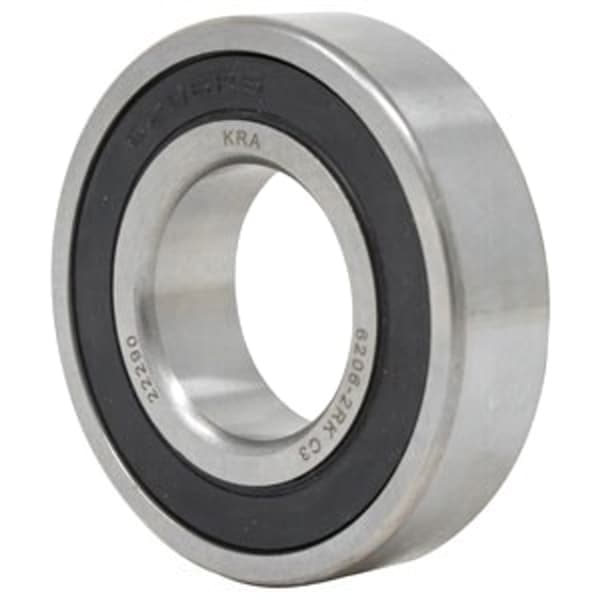
- Worn fan bearings: Worn bearings can cause the fan to wobble, resulting in uneven airflow.
- Troubleshooting Steps:
- Clean the air outlets and ducting.
- Inspect and adjust the air deflectors according to your combine's service manual.
- Check the fan bearings for wear or play. Replace if necessary.
Maintenance Tips for Your Combine Cleaning Fan
- Regular Inspection: Inspect the cleaning fan, air intake, and air outlets regularly for any signs of damage, wear, or blockage.
- Cleaning: Keep the air intake and outlets clean to ensure proper airflow.
- Belt Maintenance: Check the condition and tension of the fan drive belt regularly. Replace the belt if it is worn or cracked.
- Bearing Lubrication: Lubricate the fan bearings according to the manufacturer's recommendations.
- Fan Blade Inspection: Inspect the fan blades for damage and replace if necessary. Bent or damaged blades can significantly reduce fan performance.
- Seasonal Storage: Before storing your combine for the off-season, thoroughly clean the cleaning fan and surrounding area. Inspect all components and make any necessary repairs or replacements.
Finding the Right Parts
At Madison Tractor Company, we understand the importance of keeping your combine running smoothly. We offer a wide selection of combine parts for all major brands, including John Deere, Case IH, New Holland, Massey Ferguson, Kubota, Allis Chalmers, Deutz, International Harvester, Oliver, White, Gleaner, Vermeer, Hesston, Mahindra, and Zetor. From combine belts and bearings to air filters and complete cleaning fan assemblies, we have the parts you need to keep your combine operating at peak performance. We also stock essential maintenance items like oil filters and fuel filters.
We carry a wide array of parts beyond the cleaning system, including radiators, water pumps, starters, alternators, hydraulic pumps, hydraulic cylinders, clutch kits, PTO parts, fuel pumps, carburetors, fuel injectors, gaskets, pistons, seals, chains, and sickle sections.
Safety First!
Warning: Always disconnect the power and allow the machine to cool completely before performing any maintenance or repairs on the combine cleaning fan. Follow all safety precautions outlined in your combine's operator manual. Wear appropriate personal protective equipment (PPE), including eye protection, gloves, and hearing protection. Never work under a machine that is not properly supported.
Shop Combine Cleaning System Parts at Madison Tractor Company
Maintaining the combine cleaning fan is vital for a successful harvest. We at Madison Tractor Company are dedicated to helping you find the right parts and solutions to keep your equipment running smoothly. Browse our extensive selection of combine parts today and experience the Madison Tractor difference! You can also use our AI-Powered Part Finder to search for parts by your specific make and model.
Part of our comprehensive guide
Combine Harvester Parts Guide: Pre-Season Checklist & Replacement Parts