








Combine Grain Loss: Causes & How to Reduce Losses
Excessive combine grain loss translates directly into lost profits. This guide covers the common causes of grain loss, from improper settings to worn combine parts, and provides practical solutions to minimize these losses and maximize your yield.
Harvest time is crunch time every kernel counts. But all too often, combine grain loss silently eats into your profits. Losing even a small percentage of your yield adds up quickly across a large field. This guide, brought to you by the experts at Madison Tractor Company, will help you understand the common causes of combine grain loss and provide practical steps to minimize these losses. We'll cover everything from proper combine settings and maintenance to identifying worn combine parts that need replacing.
Recommended Parts for This Guide
9 parts we recommend — in stock, ships fast, one-click add to cart.
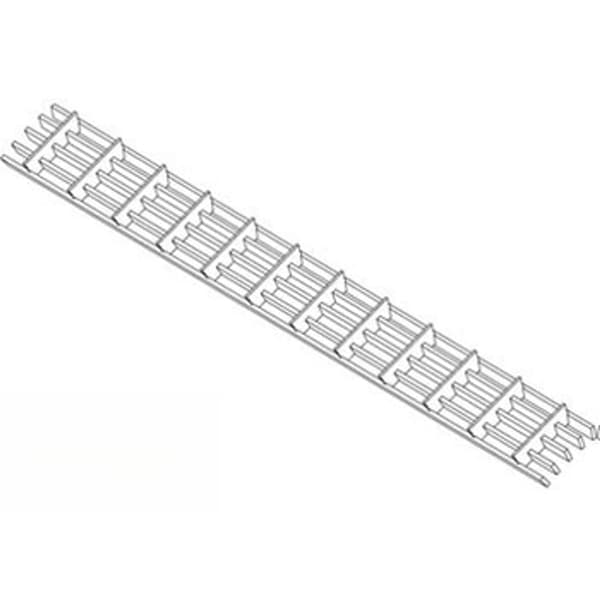
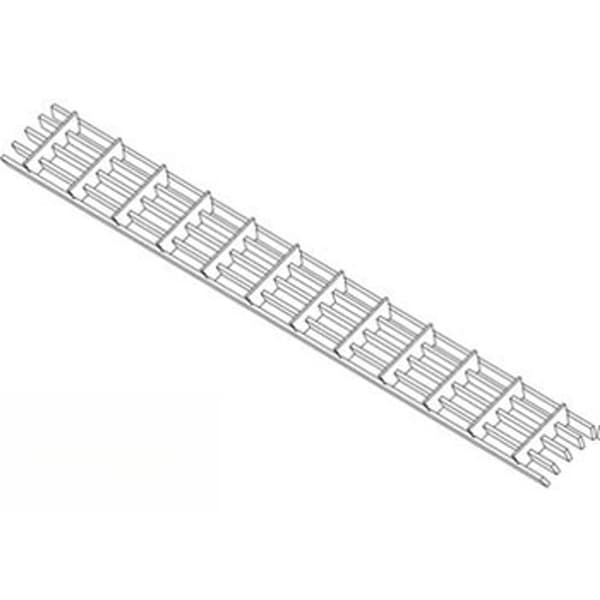
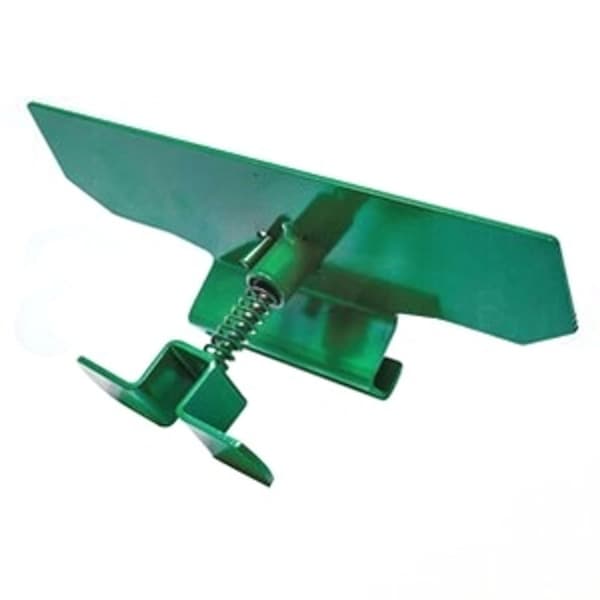
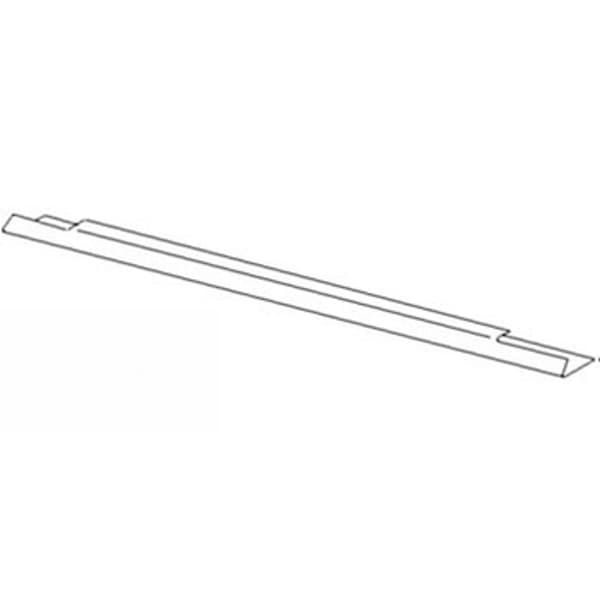
🔍 Looking for a specific part? Try our AI Part Finder — tell it your equipment and what you need, and it will find matching parts instantly.
Understanding Combine Grain Loss
Combine grain loss refers to the amount of grain left in the field after harvesting. This can occur at various points in the harvesting process, including
- Header Loss Grain that is never gathered into the combine.
- Cylinder/Rotor Loss Grain that is not threshed from the heads.
- Shoe Loss Grain that is separated from the chaff but is blown over the back of the combine.
Each type of loss has different causes and requires different solutions. Understanding where the loss is occurring is the first step in addressing it.
Common Causes of Combine Grain Loss
Several factors can contribute to excessive grain loss. Here are some of the most common
Improper Combine Settings
The most frequent cause of excessive grain loss is incorrect combine settings. These settings need to be adjusted based on the crop, field conditions the specific combine model. Key settings
- Header Height and Angle Incorrect height can cause grain to be missed, while the wrong angle can lead to shattering.
- Cylinder/Rotor Speed Too slow the grain won't be threshed effectively. Too fast you'll damage the grain, increasing shoe loss. Consult your operator's manual for recommended speeds based on crop type. For example, when harvesting wheat, a John Deere S780 combine might require a rotor speed of 900-1100 RPM, whereas corn might only require 500-700 RPM.
- concave Clearance The gap between the cylinder/rotor and the concave affects threshing efficiency. Too wide grain isn't threshed. Too narrow you overload the system, damaging the grain.
- Fan Speed Controls the amount of air used to separate grain from chaff. Too low grain is lost with the chaff. Too high grain is blown out the back.
- Sieve and Chaffer Openings These screens separate the grain from the remaining material other than grain (MOG). Incorrect settings here lead to excessive shoe loss.
Actionable Tip Always start with the settings recommended in your combine's operator manual. Then, make small adjustments based on field conditions and regularly check for grain loss. Stop the combine in a representative area of the field, back up a few feet carefully inspect the ground behind the machine for lost grain. Also, inspect the grain tank for cracked or damaged grain.
Excessive Ground Speed
Driving too fast overwhelms the combine's systems, leading to increased grain loss. The combine can't effectively process the volume of material entering it. Reduce your ground speed to allow the combine to work efficiently.
Worn or Damaged combine parts
Worn combine parts significantly contribute to grain loss. Regular inspection and timely replacement are crucial. Here are some common culprits
- Sickle Sections Dull or broken sickle sections on the header cause grain heads to be missed or shattered.
- combine belts Worn or slipping combine belts reduce the efficiency of the entire combine, impacting everything from header speed to fan speed.
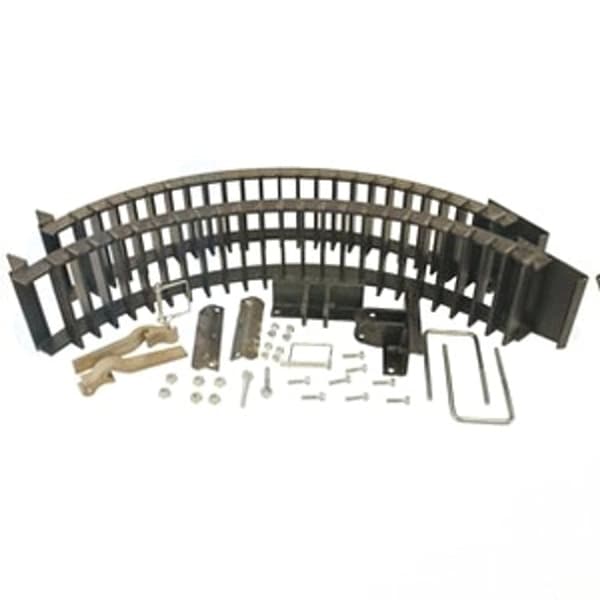
- Concave Grates Worn or damaged concave grates reduce threshing efficiency, leading to increased cylinder/rotor loss.
- Separation Grates Damaged grates allow grain to pass through prematurely.
- Bearings and Bushings Worn bearings and bushings cause vibrations and misalignment, reducing overall performance.
For example, a worn separator belt on a Case IH Axial-Flow 7120 combine can significantly reduce separator speed, leading to increased grain loss over the back. A common replacement belt is Case IH part number 87681036.
Safety Warning Always disengage the engine and ensure all moving parts have come to a complete stop before inspecting or replacing any combine part.
Uneven Crop Maturity and Weed Infestation
Uneven crop maturity makes it difficult to optimize combine settings. Weeds can also overwhelm the system, leading to increased loss. Consider pre-harvest weed control and adjusting combine settings to compensate for the variability in the crop.
Adverse Weather Conditions
High winds, rain lodging (fallen crops) make harvesting challenging and increase grain loss. Try to harvest when conditions are favorable. If you must harvest in less-than-ideal conditions, slow down and make appropriate adjustments to the combine settings. For lodged crops, you might need to use specialized headers or attachments designed to lift and gather the fallen stalks.
Practical Steps to Reduce Grain Loss
Here's a step-by-step guide to minimizing combine grain loss
- Pre-Harvest Inspection Thoroughly inspect your combine before harvest. Check all belts, chains, bearings, sickle sections, concave grates, sieves other critical components. Replace any worn or damaged parts. Madison Tractor Company carries a wide range of John Deere combine parts, Case IH combine parts, New Holland combine parts, Gleaner combine partsMassey Ferguson combine parts to keep your machine running smoothly. We also stock parts for less common brands such as Kubota, Allis Chalmers, Deutz, International Harvester, Oliver, White, Vermeer, Hesston, Mahindra and Zetor.
- Consult the Operator's Manual Familiarize yourself with the recommended settings for your specific combine model and crop type. The operator's manual is your best resource for initial settings.
- Adjust Combine Settings Based on Field Conditions Don't rely solely on the operator's manual. Regularly monitor grain loss and make adjustments as needed. Remember, small adjustments can make a big difference.
- Monitor Ground Speed Drive at a speed that allows the combine to efficiently process the crop. Slow down if you see excessive grain loss.
- Regularly Inspect for Grain Loss Stop the combine periodically and check for grain loss behind the machine. Use a grain loss monitor (if equipped) to provide real-time feedback.
- Keep Records Track your combine settings and grain loss over time. This will help you identify patterns and optimize your harvesting strategy.
- Preventative Maintenance Regular maintenance, including lubrication, filter changes belt tightening, is essential for optimal combine performance. Don't neglect routine maintenance tasks, like changing filters or lubricating chains. Remember to check the radiator and water pump on your John Deere tractor before attaching implements.
Specific Part Replacements and Considerations
Here are some specific combine parts you should pay close attention to and potential replacement considerations
- Sickle Sections Inspect regularly for sharpness and damage. Replace as a set for even cutting. A dull sickle section can cause header loss, while a broken one can damage other components.
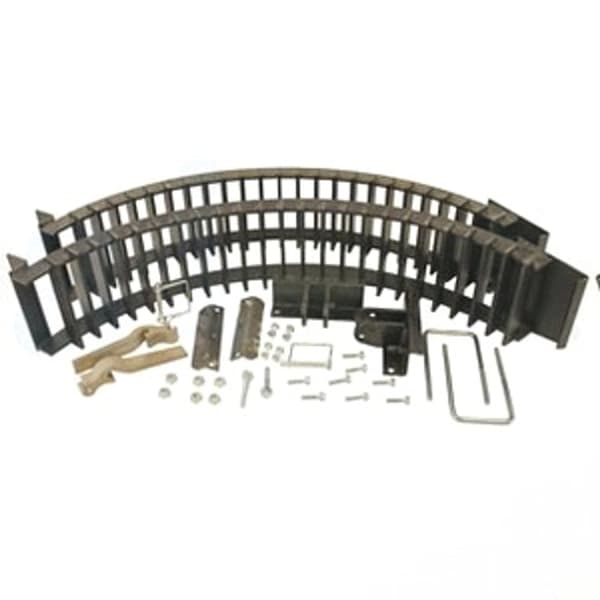
- Concave Grates Inspect concaves for wear and damage, particularly the wires or bars. Consider using different concave types (wire, round bar, slotted) depending on the crop being harvested. Insert bars are a common upgrade for specialized threshing. A John Deere combine concave part number (STS) or (S-Series) is a common replacement part.
- Combine Belts Check for cracks, fraying proper tension. Replace belts that show signs of wear. Use the correct OEM or high-quality aftermarket replacement belts.
- Filters (Air, Fuel, Oil, Hydraulic) Replace filters according to the manufacturer's recommendations to ensure proper engine and hydraulic system performance.
The Madison Tractor Difference
Minimizing combine grain loss is a continuous process that requires attention to detail and a proactive approach. By understanding the causes of grain loss and implementing the steps outlined in this guide, you can significantly reduce your losses and increase your profits. We stock a wide range of parts for combines including radiators, water pumps, starters, alternators, hydraulic pumps, cylinders, clutch kits, PTO parts, fuel pumps, carburetors, injectors, filters, gaskets, pistons, bearings, seals, belts, chains, concave grates sickle sections.
At Madison Tractor Company, we are committed to providing you with the highest quality combine parts and expert advice to keep your equipment running at peak performance. We understand the importance of minimizing downtime during harvest season, which is why we offer fast shipping and exceptional customer service. Whether you need parts for a John Deere, Case IH, New Holland, Massey Ferguson, or any other major brand, we have you covered.
Don't let combine grain loss eat into your profits. Browse our extensive selection of combine parts today and experience the Madison Tractor Company difference! Shop parts here. You can also use our AI-Powered Part Finder to search for parts by your specific make and model.
Part of our comprehensive guide
Combine Harvester Parts Guide: Pre-Season Checklist & Replacement Parts