








Combine Skid Plate & Wear Strip: Feeder House Protection
Combine feeder houses take a beating. Learn how skid plates and wear strips protect this crucial component, how to spot wear, and how to replace these vital parts. Madison Tractor has the combine wear strip for your machine.
Introduction: Protecting Your Combine Feeder House
The combine feeder house is a critical component of your harvesting operation. It's the gateway that moves crop material from the header into the threshing and separating systems. All that material constantly flowing through, combined with the abrasive nature of dirt and debris, means the feeder house is subject to significant wear and tear. That's where combine skid plates and wear strips come in. These sacrificial parts are designed to protect the more expensive and harder-to-replace components of your feeder house, extending its lifespan and preventing costly downtime during the harvest season.
Recommended Parts for This Guide
5 parts we recommend — in stock, ships fast, one-click add to cart.
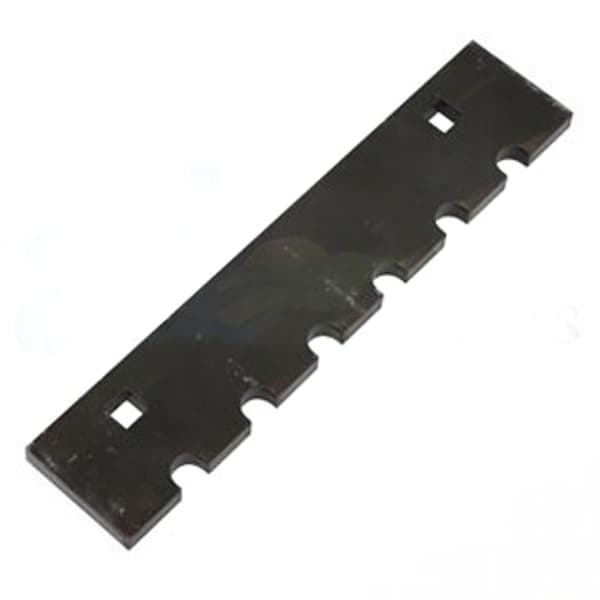
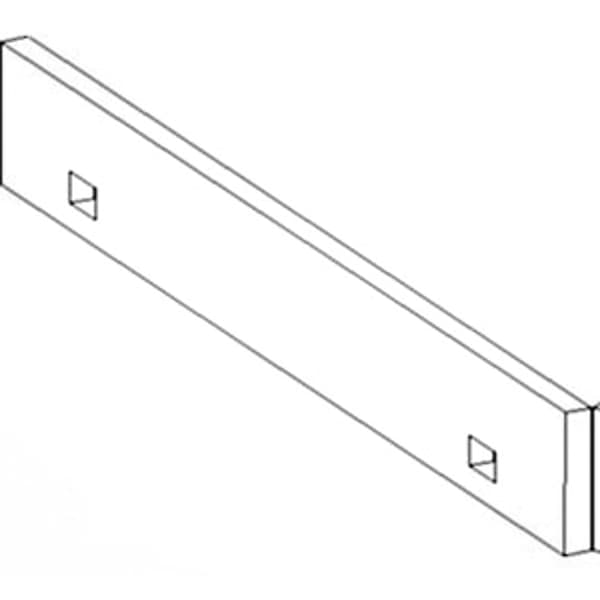
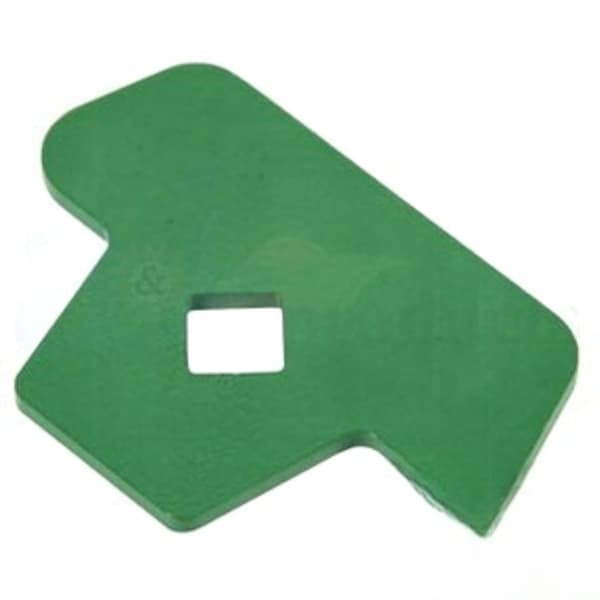
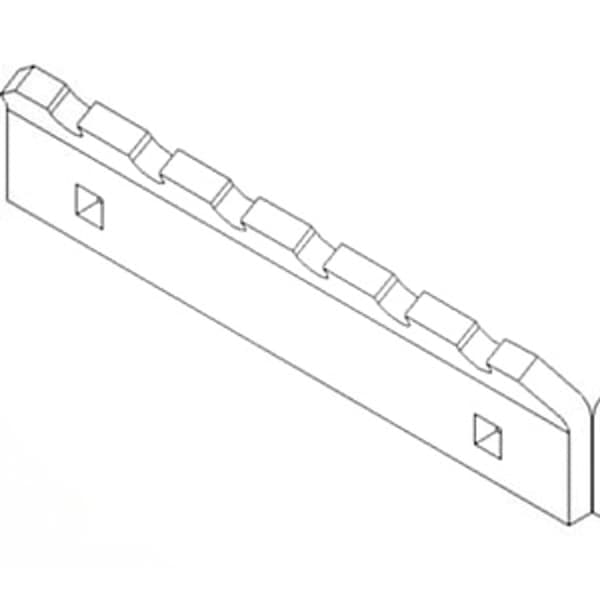
🔍 Looking for a specific part? Try our AI Part Finder — tell it your equipment and what you need, and it will find matching parts instantly.
At Madison Tractor Company, we understand the importance of keeping your combine running smoothly. We stock a wide range of combine parts, including combine parts for all major brands like John Deere, Case IH, New Holland, Gleaner, Massey Ferguson, and more. We offer quality replacement skid plates and wear strips to help you maintain your machine and maximize its performance.
This article will cover everything you need to know about combine skid plates and wear strips, including their function, common failure points, how to inspect them, and how to replace them.
Function and Purpose of Skid Plates & Wear Strips
Skid plates and wear strips are strategically placed within the feeder house to absorb the impact and abrasion from crop material. They are typically made of hardened steel or abrasion-resistant plastic polymers, depending on the application and the specific area they are designed to protect.
- Skid Plates: These are generally thicker and more robust than wear strips, designed to protect the bottom of the feeder house from constant rubbing against the ground, especially when harvesting lodged or downed crops. They help maintain the correct feeder house angle and prevent damage from rocks or other debris.
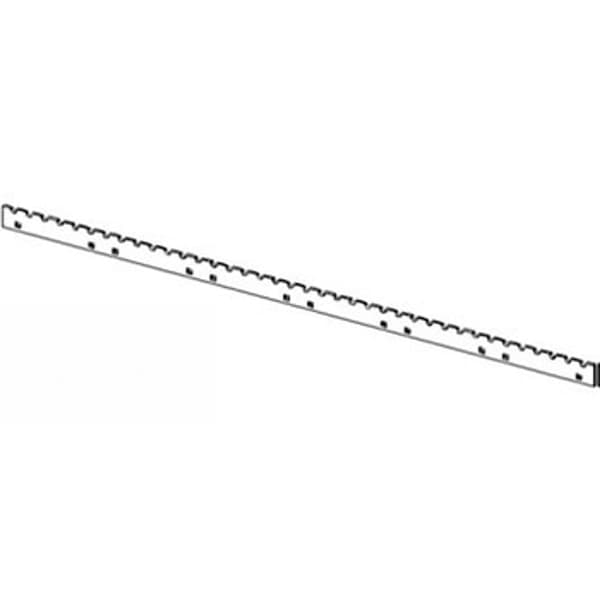
- Wear Strips: These are typically thinner and line the inside surfaces of the feeder house, particularly in areas where crop flow is concentrated. They protect the metal walls of the feeder house from abrasion and prevent premature wear-through. They can also be found on chain guides or other components within the feeder house.
Think of them like the brake pads on your car. They're designed to wear down, so your rotors don't.
Common Failure Points and Signs of Wear
Recognizing the signs of worn or damaged skid plates and wear strips is crucial for preventing more significant damage to your combine. Here are some common indicators to watch out for:
- Excessive Wear: This is the most obvious sign. Look for areas where the skid plate or wear strip is significantly thinner than it should be. Grooves, gouges, or even complete wear-through are clear indications of a problem.
- Cracks or Breaks: Impacts from rocks or other debris can cause cracks or breaks in the skid plates or wear strips. These cracks can weaken the part and lead to premature failure.
- Loose or Missing Fasteners: Check that all bolts or rivets holding the skid plates and wear strips in place are tight and secure. Loose fasteners can allow the parts to move around, accelerating wear and potentially damaging the feeder house.
- Uneven Crop Flow: Worn or damaged wear strips can disrupt the smooth flow of crop material through the feeder house, leading to plugging or uneven feeding into the threshing system. This can impact your harvest efficiency and increase grain loss.
- Unusual Noises: Grinding or scraping noises coming from the feeder house may indicate worn or missing skid plates or wear strips allowing metal-on-metal contact.
If you notice any of these signs, it's time to inspect your skid plates and wear strips more closely and consider replacing them.
Inspecting Skid Plates and Wear Strips
Regular inspection of your skid plates and wear strips should be part of your routine combine maintenance. Here's how to do it:
- Safety First: Before performing any maintenance on your combine, ensure the engine is off, the parking brake is engaged, and the header is lowered and resting on the ground or supported securely. Disconnect the battery to prevent accidental starting.
- Visual Inspection: Carefully examine the skid plates and wear strips for signs of wear, cracks, breaks, or loose fasteners. Pay particular attention to areas that are likely to see the most wear, such as the bottom of the skid plates and the leading edges of the wear strips.
- Physical Inspection: Use a pry bar or screwdriver to check for looseness or movement in the skid plates and wear strips. If you can easily move the part, it may be time to replace it or tighten the fasteners.
- Measurement (Optional): If you have access to a thickness gauge, you can measure the thickness of the skid plates and wear strips to determine how much material has been worn away. Compare the measured thickness to the original thickness (refer to your operator's manual or a parts diagram) to assess the remaining life.
- Check Fasteners: Inspect all bolts, rivets, or other fasteners that secure the skid plates and wear strips. Replace any damaged or missing fasteners.
Safety Warning: Always wear appropriate personal protective equipment (PPE), including safety glasses and gloves, when inspecting or working on your combine.
Replacing Skid Plates and Wear Strips
Replacing worn or damaged skid plates and wear strips is a straightforward process, but it's essential to follow the correct procedure to ensure proper installation and performance.
- Gather Your Tools and Parts: You'll need a socket set, wrenches, a hammer, a punch (for removing rivets, if applicable), a drill (if new mounting holes are required), and the replacement skid plates or wear strips. Make sure you have the correct parts for your specific combine model. Madison Tractor Company carries combine parts for many makes and models, including specific wear strips for John Deere combine feeder houses.
- Remove the Old Part: Depending on how the old part is attached, you may need to remove bolts, rivets, or other fasteners. Use a socket or wrench to remove bolts. For rivets, use a punch and hammer to drive them out. In some cases, you may need to drill out stubborn rivets.
- Clean the Mounting Surface: Before installing the new part, clean the mounting surface thoroughly. Remove any dirt, rust, or debris that could interfere with proper fitment. A wire brush or scraper can be helpful for this step.
- Install the New Part: Position the new skid plate or wear strip on the mounting surface and align the mounting holes. Install the fasteners and tighten them to the manufacturer's recommended torque specifications. If you don't have access to torque specifications, tighten the fasteners securely, but don't overtighten them, as this could damage the part or the mounting surface.
- Drilling New Holes (If Necessary): Some aftermarket skid plates or wear strips may require you to drill new mounting holes. Use the old part as a template to mark the location of the new holes, and then drill the holes using a drill bit of the appropriate size.
Example: Replacing a John Deere Combine Feeder House Wear Strip . This wear strip is commonly found on John Deere 9000 series and S-Series combines. To replace it, first, safely support the feeder house. Remove the existing worn strip by removing the bolts holding it in place. Clean the mounting surface and install the new wear strip, ensuring proper alignment. Tighten the bolts to the specified torque (typically around 40-50 ft-lbs, but always consult your service manual).
Torque Specifications: Always refer to your combine's service manual for specific torque specifications for fasteners used to secure skid plates and wear strips. Using the correct torque is essential for ensuring proper installation and preventing premature failure.
Safety Warning: Always disconnect the battery before welding on any part of your combine. Improper welding can damage sensitive electronic components.
Preventative Maintenance Tips
Here are some tips for extending the life of your combine skid plates and wear strips:
- Regular Inspections: As mentioned earlier, regular inspections are key to identifying potential problems early on.
- Proper Header Height Adjustment: Adjusting your header height properly can help reduce the amount of wear on the skid plates, especially when harvesting in uneven terrain.
- Avoid Obstacles: Be mindful of rocks, stumps, and other obstacles in the field that could damage the skid plates.
- Use High-Quality Replacement Parts: Invest in high-quality replacement skid plates and wear strips from a reputable supplier like Madison Tractor Company. Cheap parts may not last as long and could end up costing you more in the long run.
- Lubrication (If Applicable): Some skid plates and wear strips may require lubrication to reduce friction and wear. Check your operator's manual for specific lubrication recommendations.
Madison Tractor: Your Source for Combine Parts
At Madison Tractor Company, we're committed to providing you with the highest quality combine parts at competitive prices. We carry a wide selection of skid plates, discharge beater wear strips, discharge beater wear plates, including upper return wear strips, front beater wear plates, overshoot beater wear plates and other replacement parts for all major combine brands, including John Deere combine parts, Case IH combine parts, New Holland combine parts, Gleaner combine parts, and Massey Ferguson combine parts. In addition to wear strips, we also stock other combine essentials like combine belts, combine concaves and concave wear strips, radiators, water pumps, starters, alternators, hydraulic pumps, cylinders, clutch kits, PTO parts, fuel pumps, carburetors, injectors, filters, gaskets, pistons, bearings, seals, chains, sickle sections, and more!
We understand that downtime during harvest season can be costly, so we offer fast shipping and knowledgeable customer support to help you get the parts you need quickly and easily. Browse our online catalog today or contact us to speak with one of our experienced parts specialists. We're here to help you keep your combine running smoothly and efficiently.
Don't forget to check out our other helpful articles in our Combine Harvester Parts & Maintenance series, including tips on John Deere Combine Concave replacement and more!
Shop Madison Tractor today for all your combine skid plate and wear strip needs! You can also use our AI-Powered Part Finder to search for parts by your specific make and model.
Part of our comprehensive guide
Combine Harvester Parts Guide: Pre-Season Checklist & Replacement Parts