








Lawn Tractor Drive Belt Cross Reference Chart
Finding the right drive belt for your lawn tractor can be confusing. Use this cross-reference guide to find the correct replacement for your John Deere, Cub Cadet, Craftsman, or other brand.
Introduction to Tractor Drive Belts
The drive belt on your lawn tractor is a critical component of the transmission and drive system. It transfers power from the engine to the transaxle, which in turn powers the wheels. A worn or broken drive belt will prevent your tractor from moving. Replacing it with the correct belt is essential for maintaining optimal performance. Madison Tractor Company offers a wide selection of replacement drive belts for various lawn tractor brands, including John Deere, Craftsman, Cub Cadet, Husqvarna, Toro many more.
Recommended Parts for This Guide
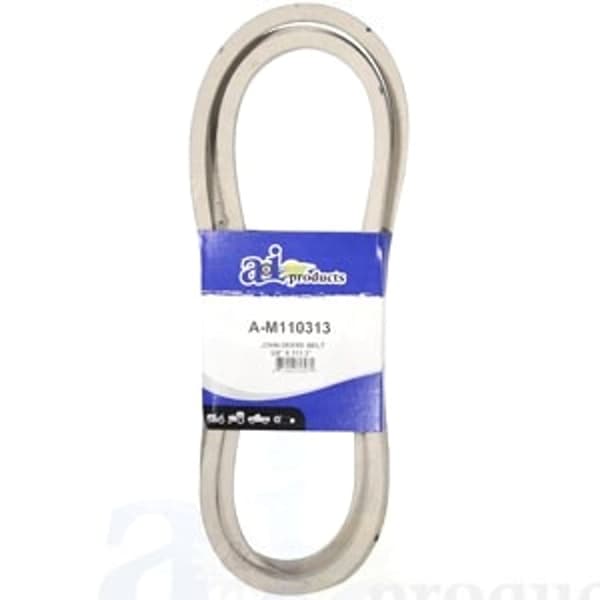
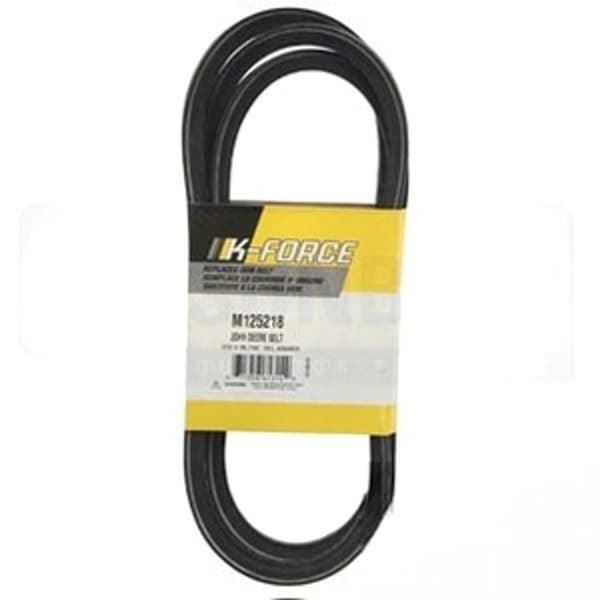
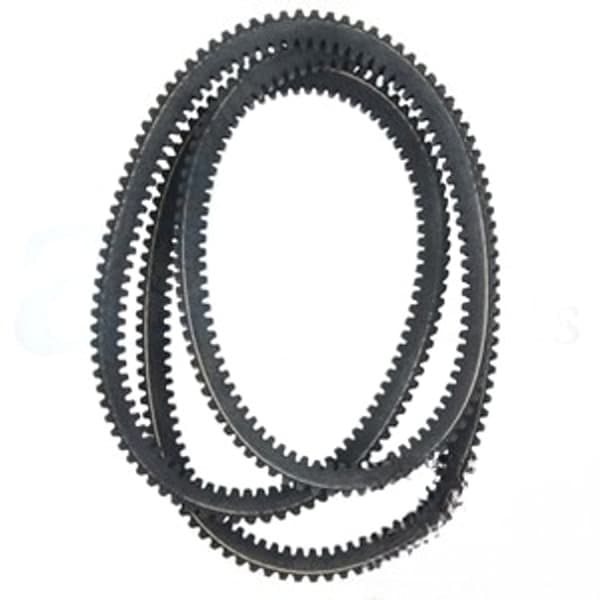
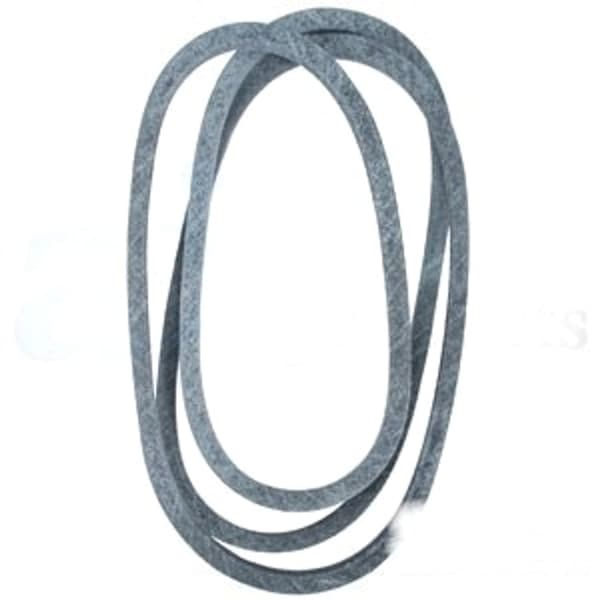
10 parts we recommend — in stock, ships fast, one-click add to cart.
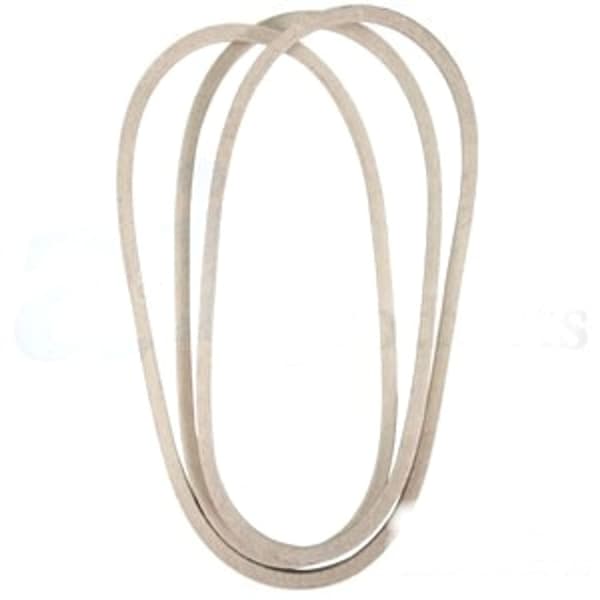
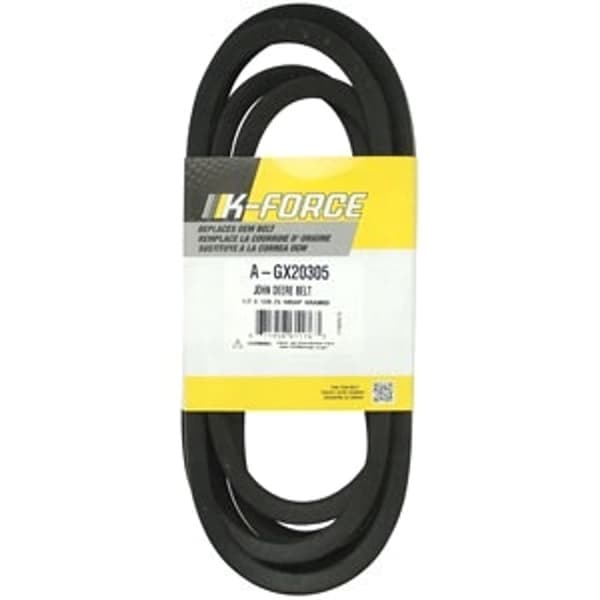
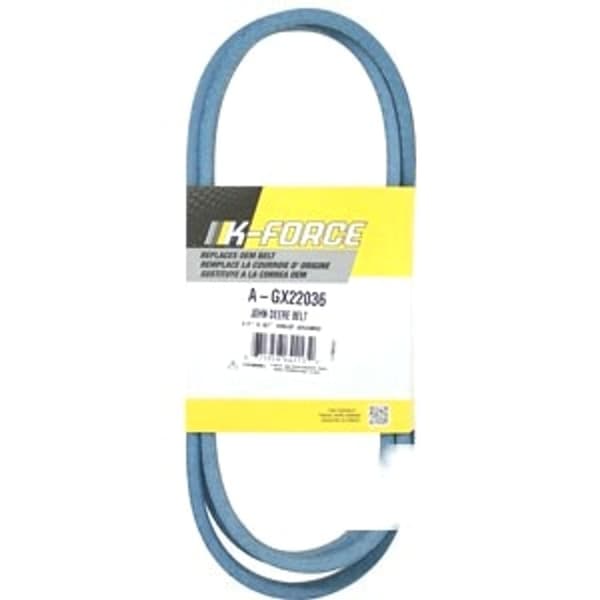
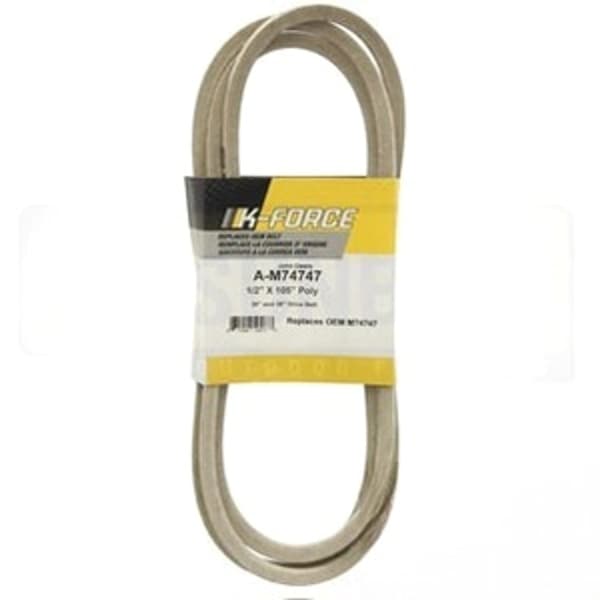
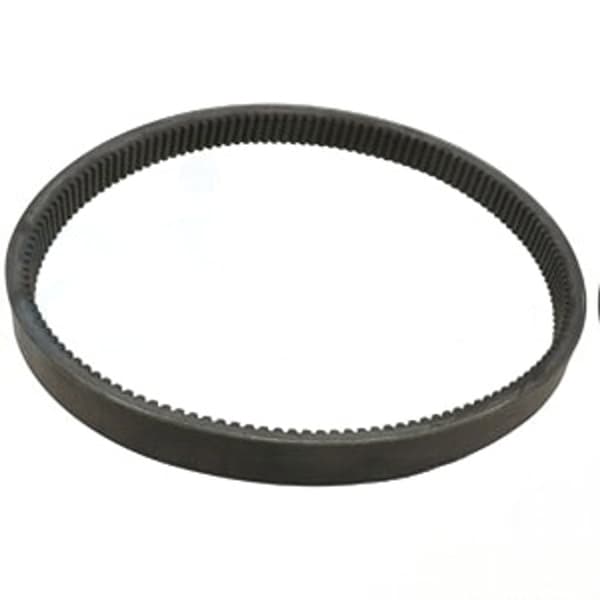
🔍 Looking for a specific part? Try our AI Part Finder — tell it your equipment and what you need, and it will find matching parts instantly.
This article will provide a helpful cross-reference to assist you in finding the correct replacement belt. We'll cover how to identify your belt, understand belt numbering systems offer general troubleshooting tips.
Safety First! Always disconnect the spark plug wire before working on your lawn tractor. This prevents accidental starting and potential injury.
Identifying Your Drive Belt
Before you can find a suitable replacement, you need to identify the existing drive belt. Here's how
- Locate the Belt The drive belt is typically located between the engine and the transaxle. Refer to your owner's manual for the specific location on your model.
- Check for a Part Number The easiest way to identify the belt is by finding a part number printed directly on it. This number is often molded into the rubber. Look closely!
- Consult Your Owner's Manual Your owner's manual should list the correct part number for the drive belt specific to your tractor model.
- Measure the Belt If the part number is unreadable or missing, you can measure the belt's length and width. You'll need a flexible measuring tape. Measure the outside circumference of the belt. Also, measure the width of the belt. While this information can be helpful, it's not always sufficient to guarantee a perfect match, especially with variations in belt angle and construction.
- Note the Belt Type Drive belts come in various types, including V-belts, cogged belts flat belts. Note the type of belt on your machine. Most riding mowers utilize V-belts.
Understanding Belt Numbering Systems
Belt manufacturers use different numbering systems, which can be confusing. Here's a breakdown of common numbering schemes
- OEM Part Numbers Original Equipment Manufacturer (OEM) part numbers are specific to the tractor manufacturer (e.g., John Deere, Cub Cadet). These are the most reliable for ensuring a correct fit.
- Aftermarket Numbers Aftermarket belt manufacturers often use their own numbering systems. These numbers may incorporate information about the belt's dimensions and construction.
- Dimensional Numbers Some numbers directly reflect the belt's dimensions, such as length and width.
When using a tractor drive belt cross reference, focus on matching the OEM part number whenever possible. If that's not available, cross-reference using dimensions and belt type.
Common Drive Belt Issues and Troubleshooting
Several factors can contribute to drive belt wear and failure. Here are some common issues and how to troubleshoot them
- Worn Belt Cracks, fraying, or glazing are signs of a worn belt. Replace it immediately.
- Slipping Belt A slipping belt can cause reduced power and performance. Check the belt tension and condition. The transaxle could also be the issue.
- Broken Belt A broken belt requires immediate replacement. Inspect the pulleys for damage or misalignment.
- Incorrect Belt Tension Too little tension can cause slippage, while too much can cause premature wear. Adjust the tension according to your owner's manual.
- Pulley Problems Damaged or misaligned pulleys can damage the belt. Inspect pulleys for wear, cracks, or wobbling. Replace or realign them as needed. Check the pulleys themselves.
- Debris Debris, such as grass clippings and leaves, can accumulate around the belt and pulleys, causing wear and slippage. Clean the area regularly.
Using a Tractor Drive Belt Cross Reference Chart
A cross-reference chart can help you find a replacement belt even if you don't have the original part number. Here's how to use one effectively
- Identify Your Tractor's Make and Model This is essential for finding the correct belt.
- Locate the Drive Belt Section Most charts are organized by tractor manufacturer and model.
- Find Your Original Part Number (If Available) This will provide the most accurate cross-reference.
- Cross-Reference to Aftermarket Numbers The chart will show the corresponding aftermarket part numbers for your belt.
- Verify Belt Dimensions If possible, verify the dimensions of the replacement belt against the original to ensure a proper fit.
Example
Let's say you have a John Deere LA145 with a worn drive belt. Your owner's manual indicates the part number is M154621. Using a cross-reference chart, you might find that an equivalent aftermarket belt is a Stens 265-791 or an Oregon 75-406. Always double-check these cross-references to ensure they match your application. Consider checking your John Deere transmission parts for other maintenance needs while you're at it.
Specific Brand Considerations
Here are some notes specific to common brands
- Craftsman Craftsman belts can be cross-referenced using the tractor's model number, often found under the seat. Check the Craftsman drive belt guide for more details.
- Cub Cadet Cub Cadet often uses MTD part numbers. Online resources and parts diagrams can aid in cross-referencing. Explore Cub Cadet transmission parts for more info.
- Husqvarna Husqvarna belts are typically identified by a 6-digit part number.
- Toro Toro often uses a 5-digit part number.
- Ariens Ariens belts frequently use a 7-digit part number.
- Murray Murray belts can be trickier; using the model number is essential.
- Hustler, Scag, Exmark, Ferris, Snapper, Simplicity, Dixie Chopper These brands primarily serve the commercial market their parts are more precisely defined by OEM numbers. Always prioritize matching the original part for these mowers.
Beyond Drive Belts: Other Transmission & Drive System Components
While replacing your drive belt, it's a good time to inspect other components of the transmission and drive system. Consider replacing
- Pulleys Worn pulleys can damage new belts.
- Spindles Related to the mower deck, but crucial for smooth operation.
- Blades Ensure you're getting a clean cut. Blades impact the load on the drive system.
- Wheel Bearings Worn wheel bearings can increase drag and stress the drive system.
- hydrostatic transmission fluid If your tractor has a hydrostatic transmission, check and possibly replace the fluid. See the guide to hydrostatic transmission fluid.
- Shear Pins Protect your equipment with functioning shear pins.
- riding mower rear axle seal Prevent leaks and ensure proper lubrication with new seals; consult our guide on riding mower rear axle seal replacement.
Shop for Your Drive Belt at Madison Tractor Company
Madison Tractor Company offers a comprehensive selection of high-quality replacement drive belts for all major lawn tractor brands. We carry belts from leading manufacturers and provide excellent customer service to help you find the right part for your machine. Browse our extensive inventory of drive belts, blade drive belts, and fan drive belts, blades, spindles, pulleys, filters, spark plugs, bearings other parts to keep your lawn tractor running smoothly. Contact our expert team today for assistance with finding the perfect replacement for your lawn tractor! You can also use our AI-Powered Part Finder to search for parts by your specific make and model.
Part of our comprehensive guide
Mower Transmission Parts Guide: Transaxle, Drive Belt & Bearings