








Riding Mower Steering Shaft & Bushing Kit
A wobbly steering wheel or difficulty controlling your riding mower often indicates a worn steering shaft or bushings. Learn how to diagnose the problem and install a new steering shaft and bushing kit for smoother, more precise steering.
Introduction: Tightening Up Your Riding Mower Steering
Few things are more frustrating than a riding mower with sloppy steering. What should be a straight line turns into a wobbly mess, making it harder to cut evenly and safely. Often, the culprit is wear and tear on your riding mower Steering Shaft and its associated bushings. A new steering shaft and bushing kit can restore that precise control, making mowing more enjoyable and efficient.
Recommended Parts for This Guide
2 parts we recommend — in stock, ships fast, one-click add to cart.
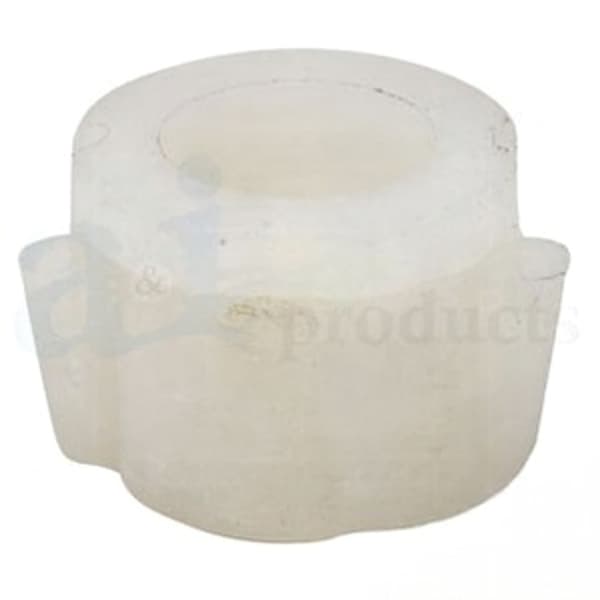
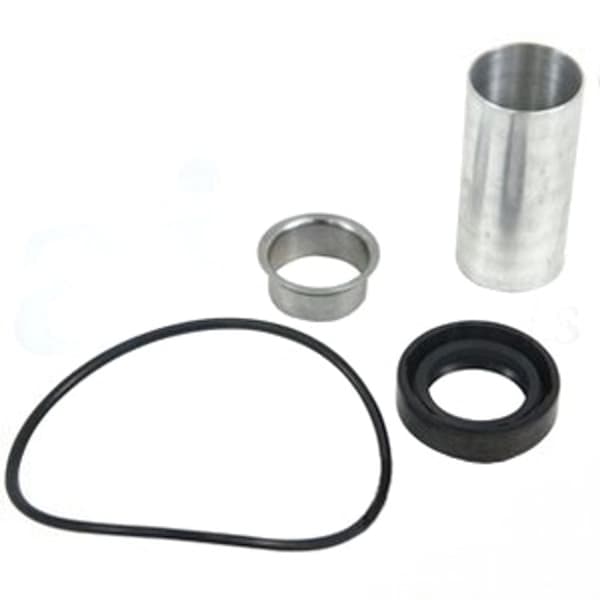
🔍 Looking for a specific part? Try our AI Part Finder — tell it your equipment and what you need, and it will find matching parts instantly.
This guide will walk you through diagnosing common steering issues, understanding the components involved, and replacing your riding mower's steering shaft and bushings. We'll cover everything from identifying the right kit for your machine (whether it's a John Deere, Craftsman, Cub Cadet, Husqvarna, Toro, Ariens, Murray, Hustler, Scag, Exmark, Ferris, Snapper, Simplicity, or Dixie Chopper) to providing step-by-step instructions for a successful repair. Remember to consult your owner's manual for specific instructions related to your mower model.
Diagnosing Steering Problems
Before you start ordering parts, it's crucial to pinpoint the source of the steering problems. Here are some common symptoms and their potential causes:
- Excessive Play in the Steering Wheel: This is the most common sign of worn steering components. If you can turn the steering wheel significantly before the wheels start to respond, it's likely the shaft or bushings are worn.
- Wobbling or Jerky Steering: This could indicate a bent steering shaft or damaged steering linkage.
- Difficulty Steering: If the steering feels stiff or requires excessive force, it could be due to seized bushings, a damaged steering gear, or low tire pressure.
- Uneven Tire Wear: While not directly related to the steering shaft itself, excessive play in the steering system can cause uneven tire wear over time. Also, make sure you check your lawn tractor wheel bearings.
Visual Inspection: A thorough visual inspection is essential. Check the following:
- Steering Shaft: Look for any signs of bending, corrosion, or damage.
- Bushings: Inspect the bushings where the steering shaft passes through the frame. Are they cracked, worn, or missing entirely?
- Steering Linkage: Examine the tie rods, ball joints, and other linkage components for wear, damage, or looseness.
- Tire Pressure: Ensure your tires are properly inflated.
Understanding the Steering System Components
A typical riding mower steering system consists of the following key components:
- Steering Wheel: The input device for controlling the mower's direction.
- Steering Shaft: A metal rod that connects the steering wheel to the Steering Gear or Linkage.
- Bushings: These provide support and reduce friction as the steering shaft rotates within the frame.
- Steering Gear or Linkage: This translates the rotational motion of the steering shaft into lateral movement to turn the front wheels.
- Tie Rods: Connect the steering linkage to the Wheel Spindles.
- Wheel Spindles: The rotating shafts that the front wheels are mounted on.
Choosing the Right steering shaft and bushing kit
Selecting the correct steering shaft and bushing kit for your riding mower is crucial. Here's how to ensure you get the right fit:
- Identify Your Mower's Make and Model: This information is typically found on a sticker or plate on the mower's frame.
- Consult Your Owner's Manual: The manual may list the specific part number for the steering shaft and bushings.
- Use Our Website: Madison Tractor Company's website allows you to search for parts by make and model. You can also filter by categories such as john deere transmission parts, cub cadet transmission parts, or even browse Craftsman drive belts to ensure all components are up to par.
- Compare Old Parts: If possible, compare the old steering shaft and bushings to the new ones to ensure they are the same size and shape.
Note: Some kits may include additional hardware such as washers, nuts, and bolts. Make sure you have everything you need before you start the repair.
Replacing the Steering Shaft and Bushings: Step-by-Step Guide
Safety First! Before starting any repair, disconnect the spark plug wire to prevent accidental starting. Wear safety glasses and gloves.
- Park the Mower Safely: Park the mower on a level surface and engage the parking brake.
- Remove the Steering Wheel: The steering wheel is typically held in place by a nut or bolt. Remove the fastener and carefully pull the steering wheel off the shaft. A steering wheel puller tool might be required if it's stuck.
- Access the Steering Shaft: You may need to remove the mower's hood or other panels to access the steering shaft. Refer to your owner's manual for specific instructions.
- Remove the Old Steering Shaft and Bushings: Depending on the mower's design, you may need to disconnect the steering linkage from the shaft. Once disconnected, carefully pull the steering shaft out from the top. Remove the old bushings from the frame. You may need to use a hammer and punch to gently tap them out.
- Install the New Bushings: Clean the bushing bores in the frame. Apply a small amount of grease to the outside of the new bushings and gently tap them into place. Ensure they are seated properly.
- Install the New Steering Shaft: Apply a thin coat of grease to the steering shaft and carefully slide it down through the bushings.
- Reconnect the Steering Linkage: Reconnect the steering linkage to the shaft, ensuring all connections are secure.
- Reinstall the Steering Wheel: Align the steering wheel and tighten the retaining nut or bolt.
- Reassemble the Mower: Reinstall any panels or the hood that you removed earlier.
- Test the Steering: Start the mower and test the steering. Make sure the wheels turn smoothly and accurately.
Important Considerations:
- Lubrication: Proper lubrication is crucial for the longevity of the steering components. Use a high-quality grease on the steering shaft and bushings.
- Torque Specifications: Refer to your owner's manual for the correct torque specifications for all fasteners.
- Steering Alignment: After replacing the steering shaft and bushings, it's a good idea to check the front-end alignment.
Preventive Maintenance for Steering Systems
Regular maintenance can help prolong the life of your riding mower's steering system and prevent costly repairs. Here are some tips:
- Lubricate Regularly: Grease the steering shaft and bushings at least once a season or more often if you use your mower frequently.
- Check Tire Pressure: Maintain proper tire pressure to reduce stress on the steering system.
- Inspect Regularly: Periodically inspect the steering components for wear, damage, or looseness.
- Avoid Obstacles: Be careful not to hit rocks, stumps, or other obstacles that could damage the steering system.
While addressing steering issues, consider other aspects of your mower's maintenance. Ensure your riding mower drive belt is in good condition and properly tensioned for efficient power transfer to the lawn tractor transaxle. Don't forget routine maintenance items like replacing your spark plugs and filters. It’s also a great time to inspect your blades and spindles, replacing them if necessary. If you have a hydrostatic transmission, check the hydrostatic transmission fluid levels.
Conclusion
Replacing a worn steering shaft and bushing kit is a straightforward repair that can significantly improve the handling and performance of your riding mower. By following the steps outlined in this guide, you can restore precise control and enjoy a smoother, more efficient mowing experience. Remember to prioritize safety and consult your owner's manual for specific instructions related to your mower model.
Shop Riding Mower Parts at Madison Tractor Company
Madison Tractor Company is your trusted source for high-quality riding mower parts. We carry a wide selection of steering shaft and bushing kits, as well as other essential parts such as belts, blades, spindles, and more. Shop our online store today and get your mower back in top condition! Our expert staff is also available to assist you with finding the right parts for your specific make and model. We carry parts for John Deere, Craftsman, Cub Cadet, Husqvarna, Toro, Ariens, Murray, Hustler, Scag, Exmark, Ferris, Snapper, Simplicity, and Dixie Chopper mowers. You can also use our AI-Powered Part Finder to search for parts by your specific make and model.
Part of our comprehensive guide
Mower Transmission Parts Guide: Transaxle, Drive Belt & Bearings