








Zero Turn Lap Bar Parts: Springs, Dampers & Grips
Keep your zero turn mower operating smoothly and safely by understanding the key components of the lap bar system. This guide covers springs, dampers, and grips, offering troubleshooting advice and highlighting important maintenance tips for a comfortable and controlled mowing experience.
Introduction to Zero Turn Lap Bar Systems
Zero turn mowers offer incredible maneuverability and efficiency, making them a popular choice for homeowners and professionals alike. A key element of their control system is the lap bar assembly. This system allows for precise steering and turning, but like any mechanical system, its components can wear down or become damaged over time. Understanding the function of each part – the springs, dampers (or shocks), and grips – and knowing when to replace them is crucial for maintaining optimal performance and ensuring your safety.
Recommended Parts for This Guide
5 parts we recommend — in stock, ships fast, one-click add to cart.
🔍 Looking for a specific part? Try our AI Part Finder — tell it your equipment and what you need, and it will find matching parts instantly.
This guide will walk you through the intricacies of zero turn lap bar parts, providing insights into their function, common issues, and solutions. Whether you own a John Deere, Craftsman, Cub Cadet, Husqvarna, Toro, Ariens, Murray, Hustler, Scag, Exmark, Ferris, Snapper, Simplicity, or Dixie Chopper, this information will help you keep your mower running smoothly.
Remember, working on your mower requires care. Disconnect the spark plug before starting any repairs to prevent accidental starting. Always consult your owner's manual for specific instructions related to your mower model.
Understanding Lap Bar Springs
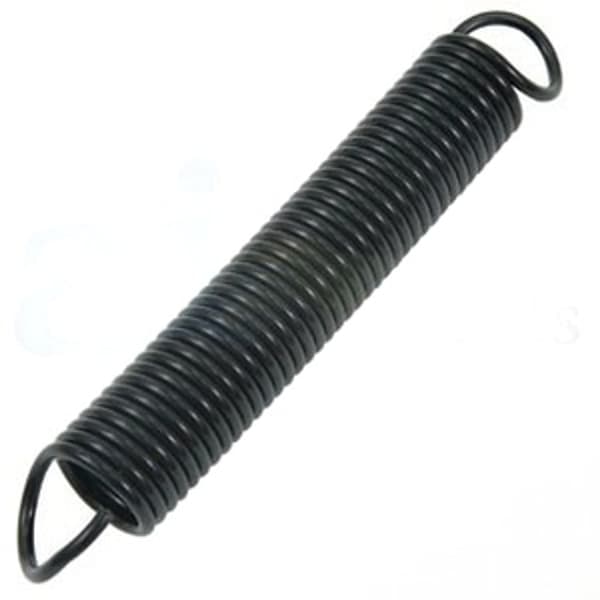
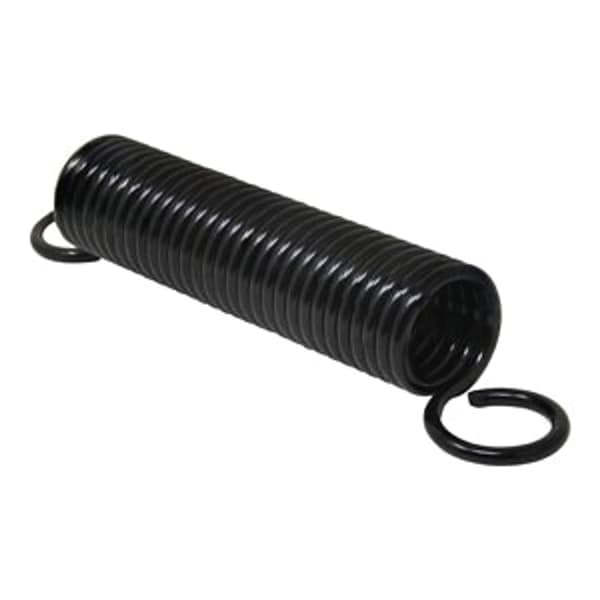
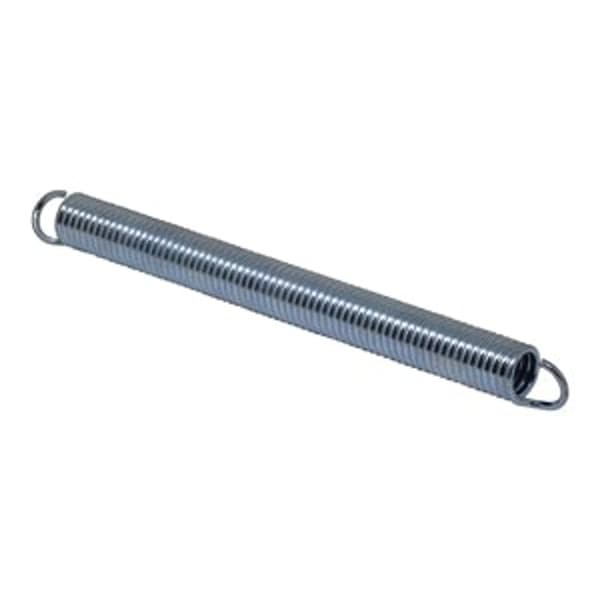
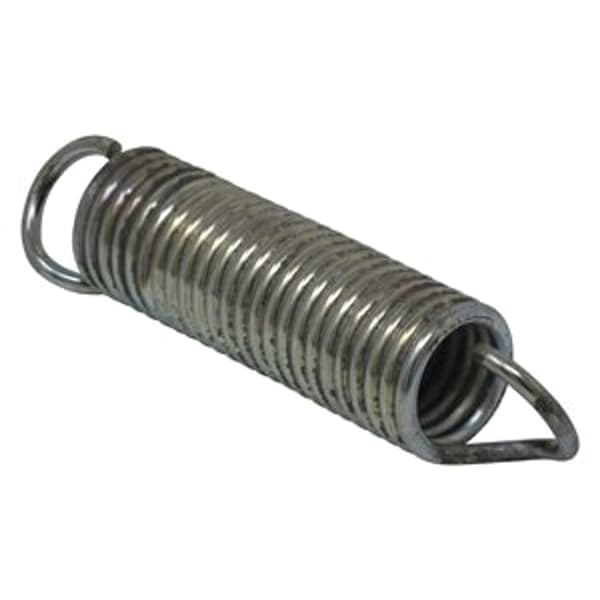
The lap bar springs are responsible for providing the necessary tension to return the lap bars to their neutral position. These springs are typically extension springs, and their strength is critical for ensuring consistent and predictable control. When these springs weaken or break, the lap bars may not return to center properly, leading to uneven steering and potentially unsafe operation.
Common Problems with Lap Bar Springs
- Broken Springs: This is the most obvious issue. A broken spring will render the lap bar system ineffective.
- Weakened Springs: Over time, springs can lose their tension, causing the lap bars to feel loose or unresponsive.
- Corrosion: Rust and corrosion can weaken the springs and eventually lead to failure.
Replacing Lap Bar Springs
- Identify the Correct Spring: Consult your mower's parts diagram or owner's manual to find the correct replacement spring. At Madison Tractor, you can search for springs by mower brand and model number to ensure a perfect fit.
- Safety First: Disconnect the spark plug wire and engage the parking brake.
- Remove the Old Spring: Use pliers or a spring hook to carefully detach the old spring. Be cautious as the spring may be under tension.
- Install the New Spring: Attach the new spring, ensuring it is properly seated in its designated location.
- Test the System: After installation, test the lap bar system to ensure the bars return to their neutral position smoothly and evenly.
If you need to replace other drive system parts, we carry a full range of John Deere parts, Cub Cadet parts, and Craftsman parts to keep your machine moving.
Lap Bar Dampers (Shocks)
Also known as lap bar shocks, dampers control the movement of the lap bars, preventing them from jerking or moving too quickly. This provides smoother operation and greater control, especially on uneven terrain. These are similar in function to the shocks found in your car suspension, absorbing and dissipating energy.
Signs of Damper Failure
- Jerky Steering: If the lap bars move abruptly or feel uncontrolled, the dampers may be failing.
- Leaking Fluid: A visible leak indicates that the damper is no longer effectively controlling movement.
- Loss of Resistance: If you can easily move the lap bars without any resistance, the dampers are likely worn out.
Replacing Lap Bar Dampers
- Identify the Correct Damper: Use your mower's parts diagram to identify the correct replacement damper. Again, Madison Tractor's website is a great resource for finding the right part.
- Safety First: Disconnect the spark plug wire and engage the parking brake.
- Remove the Old Damper: Typically, dampers are held in place with bolts or pins. Remove these fasteners carefully.
- Install the New Damper: Attach the new damper using the original fasteners. Ensure everything is securely tightened.
- Test the System: Operate the lap bars to verify that the movement is smooth and controlled.
Maintaining your lawn tractor transaxle, including proper fluid levels, is also important for smooth operation.
Lap Bar Grips: Comfort and Control
While often overlooked, lap bar grips play a crucial role in providing a comfortable and secure hold. Worn or damaged grips can lead to hand fatigue and reduced control, especially during extended mowing sessions.
Signs You Need New Grips
- Cracked or Torn Grips: These can be uncomfortable and reduce grip.
- Loose Grips: If the grips are slipping or rotating on the lap bars, they need to be replaced.
- Worn Texture: Smooth, worn grips offer less traction and can be slippery, especially when wet.
Replacing Lap Bar Grips
- Remove the Old Grips: You may need to cut or tear off the old grips. A utility knife can be helpful, but exercise caution.
- Clean the Lap Bars: Remove any residue from the old grips using a solvent or cleaner.
- Install the New Grips: Depending on the type of grips, you may need to use adhesive or lubricant to slide them onto the lap bars. Follow the manufacturer's instructions. Some grips are a split design and simply snap on.
- Secure the Grips: Ensure the grips are fully seated and securely attached to the lap bars.
Proper lap bar grip is essential, just like maintaining the proper hydrostatic transmission fluid for smooth transmission operation.
General Maintenance Tips for Zero Turn Lap Bar Systems
- Regular Inspection: Inspect the lap bar springs, dampers, and grips regularly for signs of wear or damage.
- Lubrication: Lubricate the pivot points of the lap bar system with a light oil or grease to ensure smooth operation.
- Cleanliness: Keep the lap bar system clean and free of debris.
- Proper Storage: Store your mower in a dry place to prevent corrosion.
Troubleshooting Common Lap Bar Issues
- Uneven Steering: Check the lap bar springs and dampers for wear or damage. Also ensure tire pressure is equal on both sides.
- Jerky Movement: Inspect the dampers for leaks or loss of resistance.
- Difficult to Control: Replace worn or damaged grips. Also check the riding mower drive belt for wear and proper tension.
Safety Precautions
- Always disconnect the spark plug before performing any maintenance or repairs.
- Wear appropriate safety gear, such as gloves and eye protection.
- Consult your owner's manual for specific instructions and safety guidelines.
- If you are unsure about any aspect of the repair, consult a qualified mechanic.
Remember to replace other wear items regularly. Check your mower blades for sharpness and balance, replace air filters to keep the engine running smoothly, and inspect lawn tractor wheel bearings for proper operation. Belts, blades, spindles, pulleys, filters, spark plugs, bearings, and shear pins should be inspected and replaced as needed.
Shop Zero Turn Lap Bar Parts at Madison Tractor
At Madison Tractor Company, we carry a wide selection of zero turn lap bar parts for all major brands, including John Deere, Craftsman, Cub Cadet, Husqvarna, Toro, Ariens, Murray, Hustler, Scag, Exmark, Ferris, Snapper, Simplicity, and Dixie Chopper. Our knowledgeable team is here to help you find the right parts for your mower. Browse our online catalog or contact us today to get your zero turn mower running like new! You can also use our AI-Powered Part Finder to search for parts by your specific make and model.
Part of our comprehensive guide
Mower Transmission Parts Guide: Transaxle, Drive Belt & Bearings