








Riding Mower Tires: Front & Rear by Size
Choosing the correct riding mower tires is crucial for performance and safety. This guide covers sizes, types, and considerations for selecting the right front and rear tires for your lawn tractor.
Your riding mower's tires are more than just rubber; they're crucial for traction, stability, and the overall performance of your machine. Selecting the correct riding mower tires, both front and rear, based on size and type is essential for maintaining a healthy lawn and a smoothly operating mower. At Madison Tractor Company, we understand the importance of getting this right, and we're here to guide you through the process. This article will cover how to choose the right tires for your riding mower, ensuring optimal performance and longevity. Maintaining proper tire pressure is also important for the life of your riding mower drive belt.
Recommended Parts for This Guide
3 parts we recommend — in stock, ships fast, one-click add to cart.
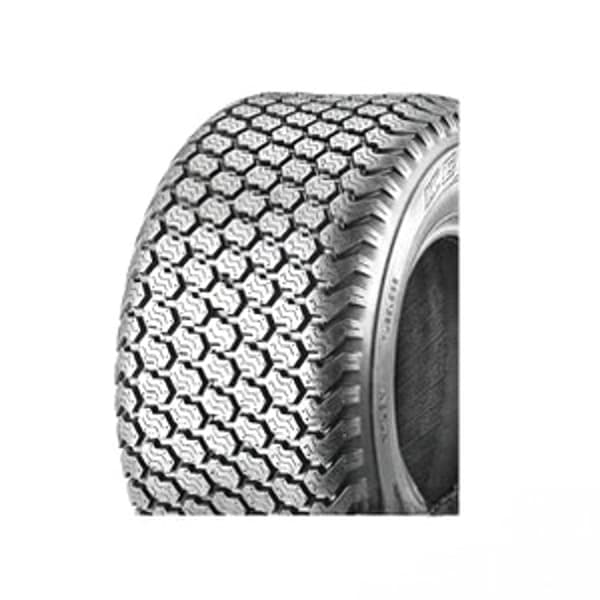
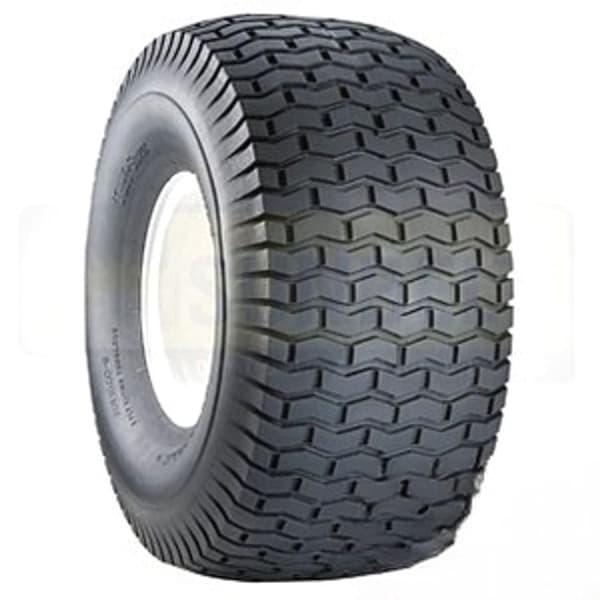
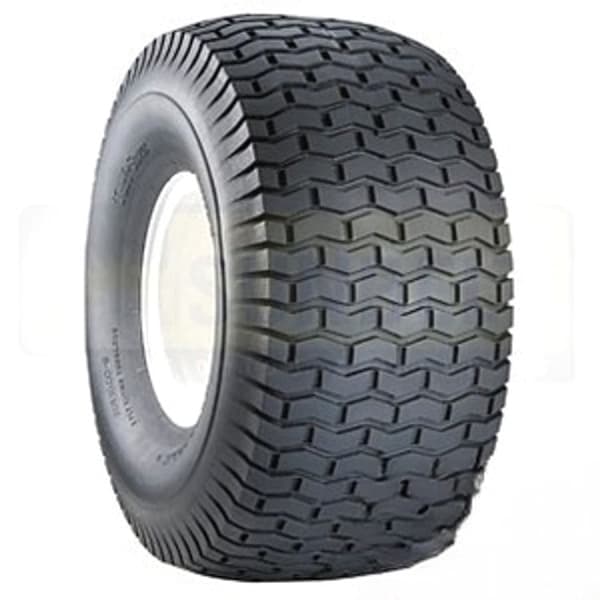
🔍 Looking for a specific part? Try our AI Part Finder — tell it your equipment and what you need, and it will find matching parts instantly.
Understanding Riding Mower Tire Sizes
Riding mower tire sizes are typically indicated by a three-number code, such as 15x6.00-6. Let's break down what each number means:
- The First Number: The overall tire diameter in inches (e.g., 15 inches).
- The Second Number: The tire width in inches (e.g., 6.00 inches).
- The Third Number: The wheel rim diameter in inches (e.g., 6 inches).
It’s crucial to replace your tires with the same size specified by your mower's manufacturer. This information can usually be found on the sidewall of your existing tires or in your mower's owner's manual. Using the wrong size can affect your mower's speed, ground clearance, and even damage the lawn tractor transaxle.
Front vs. Rear Riding Mower Tires: What's the Difference?
Front and rear tires serve different purposes and, therefore, have different designs. Front tires are typically smaller and narrower, designed for steering. Rear tires are larger and wider, providing traction and power.
Front Tires
Front tires typically feature a ribbed tread pattern. This design helps channel water away, improving steering control on wet surfaces. Common front tire sizes include 15x6.00-6 and 16x6.50-8. When choosing front tires, consider the following:
- Tread Pattern: Ribbed for optimal steering.
- Load Capacity: Ensure the tire can handle the weight of the front of the mower, especially with attachments.
- Durability: Look for tires made from durable rubber compounds that resist wear and tear.
Rear Tires
Rear tires are designed for traction, and they feature more aggressive tread patterns, such as lug or turf patterns. These patterns provide grip on various terrains, preventing slippage. Common rear tire sizes include 18x8.50-8, 20x8.00-8, 20x10.00-8, and 23x10.50-12. When selecting rear tires, consider the following:
- Tread Pattern: Lug tires provide maximum traction on uneven terrain, while turf tires are gentler on your lawn.
- Load Capacity: Ensure the tire can handle the weight of the mower, the operator, and any attachments.
- Ply Rating: Higher ply ratings indicate a stronger, more durable tire.
Common Riding Mower Tire Sizes by Brand
While specific models vary, here are some common tire sizes used by popular riding mower brands:
- John Deere: Often uses 15x6.00-6 (front) and 20x8.00-8 or 20x10.00-8 (rear) on their residential models. Refer to your John Deere parts diagram.
- Craftsman: Commonly utilizes 15x6.00-6 (front) and 20x8.00-8 (rear). Replacing the Craftsman drive belt may require removing a rear tire, so proper tires are important.
- Cub Cadet: May use 16x6.50-8 (front) and 18x8.50-8 (rear). Ensure the tires are properly inflated to prevent premature wear on the Cub Cadet transmission parts.
- Husqvarna: Often features 15x6.00-6 (front) and 18x9.50-8 or 20x10.00-8 (rear).
- Toro: Commonly uses 13x5.00-6 (front) and 16x6.50-8 (rear) on smaller models and larger sizes on larger models.
- Ariens: Often utilizes 15x6.00-6 (front) and 20x8.00-8 (rear).
- Murray: May use 13x5.00-6 (front) and 18x9.50-8 (rear).
- Hustler & Scag (Zero-Turn): Typical zero-turn tires are usually wider and larger. Front tires may be caster wheels instead of traditional tires. Rear tires can range from 20x10.00-8 to larger sizes like 24x12.00-12.
- Exmark, Ferris, Snapper, Simplicity, Dixie Chopper (Commercial): Commercial models often require heavy-duty tires with higher ply ratings and aggressive tread patterns. Sizes vary greatly depending on the specific model and application.
Note: This is a general guide. Always verify the correct tire size in your owner's manual or by checking the sidewall of your existing tires.
Choosing the Right Tire Type for Your Needs
Beyond size, the type of tire is equally important. Here's a breakdown of common tire types:
- Turf Tires: These are the most common type of riding mower tires. They feature a wide, flat profile with small treads designed to minimize lawn damage. Turf tires provide good traction on even surfaces without tearing up the grass.
- Lug Tires: These tires have deep, aggressive treads that provide maximum traction on uneven or slippery terrain. They are ideal for properties with hills, mud, or snow. However, lug tires can damage delicate lawns if used improperly.
- Ribbed Tires: Specifically designed for front wheels, these tires feature raised ribs that provide excellent steering control, especially on wet surfaces.
- Smooth Tires: Commonly found on zero-turn mowers, these tires are designed for minimal turf disturbance and quick maneuvering.
Installation and Maintenance Tips
Installing new riding mower tires is a relatively straightforward process. Here's a general outline:
- Safety First: Always disconnect the spark plug before working on your mower. Wear safety glasses and gloves.
- Lift the Mower: Use a jack to safely lift the mower. Secure it with jack stands.
- Remove the Wheel: Remove the lug nuts and detach the wheel.
- Deflate the Old Tire: Completely deflate the old tire.
- Remove the Old Tire: Use tire irons or a tire mounting tool to remove the old tire from the rim.
- Install the New Tire: Lubricate the rim and the tire bead with soapy water. Use tire irons or a tire mounting tool to mount the new tire onto the rim.
- Inflate the Tire: Inflate the tire to the recommended pressure (usually listed on the tire sidewall). Consider using a high-quality tire valve stem for reliable inflation. Do not overinflate.
- Reinstall the Wheel: Reattach the wheel to the mower and tighten the lug nuts.
- Lower the Mower: Carefully lower the mower to the ground.
Maintenance:
- Check Tire Pressure Regularly: Maintain the recommended tire pressure for optimal performance and tire life. Uneven tire pressure can also negatively affect the lawn tractor wheel bearings.
- Inspect for Damage: Regularly inspect your tires for cuts, punctures, or excessive wear.
- Rotate Tires (If Possible): Rotating tires can help distribute wear evenly and prolong their lifespan.
WARNING: Improper inflation can lead to tire failure and serious injury. Always consult your owner's manual and the tire sidewall for recommended inflation pressures.
When to Replace Your Riding Mower Tires
Several factors indicate that it's time to replace your riding mower tires:
- Worn Tread: If the tread is worn down, your tires will lose traction, especially on wet or uneven surfaces.
- Sidewall Damage: Cracks, cuts, or bulges in the sidewall can weaken the tire and lead to a blowout.
- Punctures or Leaks: If you have a puncture that cannot be repaired, or if your tire is constantly losing air, it's time to replace it.
- Age: Even if your tires appear to be in good condition, the rubber can degrade over time, becoming brittle and prone to cracking. A general guideline is to replace tires every 5-7 years, regardless of tread wear.
Regularly inspect your tires for wear and damage. Address any issues promptly to ensure safe and efficient operation of your riding mower.
Safety Tips for Riding Mower Tire Use
- Always wear safety glasses when working with tires.
- Never exceed the maximum inflation pressure listed on the tire sidewall.
- Use a tire cage when inflating tires to prevent injury in case of a blowout.
- Inspect tires regularly for wear and damage.
- Replace tires when they are worn or damaged.
- Ensure proper tire pressure for optimal performance and safety.
By following these guidelines, you can ensure that your riding mower tires provide years of reliable service and help you maintain a healthy, beautiful lawn. Remember that properly maintained tires also improve the longevity and reliability of other components, such as the riding mower rear axle seal and the overall transmission & drive system parts.
Looking for other common riding mower parts? We've got you covered with belts, blades, spindles, pulleys, filters, spark plugs, bearings, and shear pins in stock!
Shop Riding Mower Tires at Madison Tractor Company
At Madison Tractor Company, we stock a wide selection of riding mower tires from top brands like John Deere, Craftsman, Cub Cadet, Husqvarna, and more. We offer a variety of sizes and types to suit your specific needs and budget. Our knowledgeable staff is always available to answer your questions and help you find the perfect tires for your riding mower. Browse our selection of riding mower tires today and experience the Madison Tractor difference! You can also use our AI-Powered Part Finder to search for parts by your specific make and model.
Part of our comprehensive guide
Mower Transmission Parts Guide: Transaxle, Drive Belt & Bearings