








Troy-Bilt Drive Belt: Pony & Bronco Transmission Belt
Is your Troy-Bilt Pony or Bronco mower struggling to move? A worn drive belt is often the culprit. This guide provides everything you need to know about replacing your Troy-Bilt drive belt, ensuring peak performance.
Introduction to Troy-Bilt Drive Belts for Pony and Bronco Models
The drive belt is a crucial component in your Troy-Bilt Pony or Bronco riding mower, responsible for transferring power from the engine to the transmission. Specifically, these belts are often referred to as transmission belts, connecting the engine pulley to the transaxle (transmission axle). A worn or broken belt will prevent your mower from moving, making replacement necessary. This guide will walk you through the process of identifying, replacing, and maintaining your Troy-Bilt drive belt, ensuring your mower operates smoothly. We'll focus on the Pony and Bronco models, but many principles apply to other Troy-Bilt mowers as well.
Recommended Parts for This Guide
3 parts we recommend — in stock, ships fast, one-click add to cart.
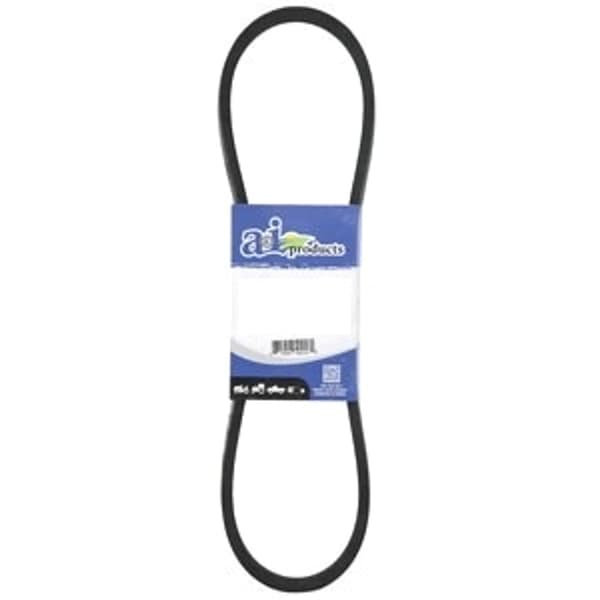
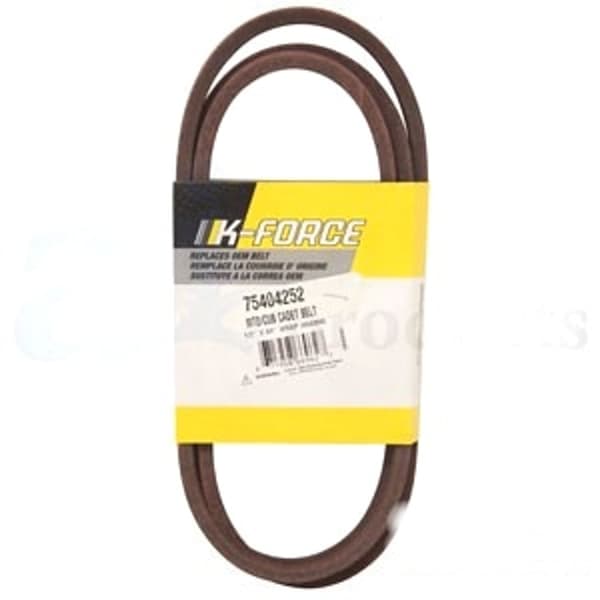
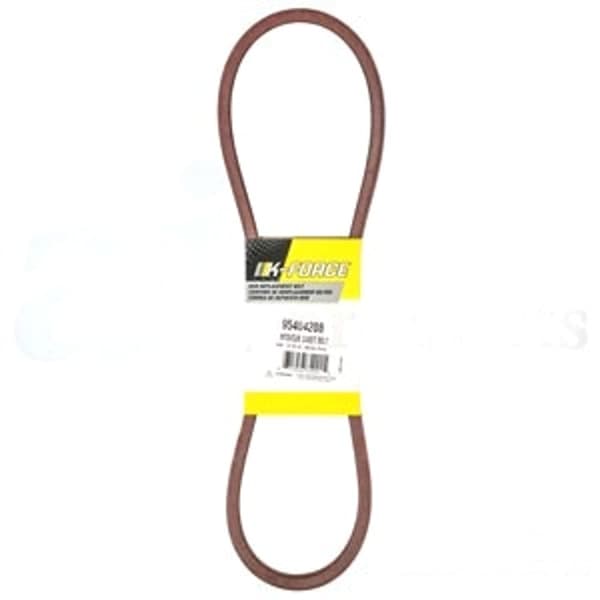
🔍 Looking for a specific part? Try our AI Part Finder — tell it your equipment and what you need, and it will find matching parts instantly.
Identifying the Correct Troy-Bilt Drive Belt
Before you can replace your drive belt, you need to identify the correct replacement part. There are several ways to do this:
- Check your owner's manual: This is the most reliable source. The manual will list the exact part number for your specific Pony or Bronco model.
- Locate the model number on your mower: The model number is usually found on a sticker located under the seat, on the frame, or near the engine. Once you have the model number, you can search online parts diagrams for your mower to identify the correct belt.
- Measure the old belt: If the part number is unreadable or you don't have the owner's manual, you can measure the old belt's length and width. However, keep in mind that a worn belt may be stretched, so this method is less precise. Consider the belt's construction as well (e.g., Kevlar reinforced).
- Consult with a parts expert: Contact us at Madison Tractor Company, and our knowledgeable staff can assist you in finding the correct Troy-Bilt drive belt based on your mower's model number.
Tools and Materials Needed for Drive Belt Replacement
Gathering the necessary tools and materials beforehand will make the replacement process much smoother:
- New Troy-Bilt drive belt (correct part number)
- Socket set
- Wrench set
- Pliers
- Screwdrivers (Phillips and flathead)
- Belt installation tool (optional, but helpful)
- Gloves
- Safety glasses
- Jack stands (if needed to raise the mower)
- Wheel chocks
Safety First: Always disconnect the spark plug wire before working on your mower to prevent accidental starting. Wear safety glasses to protect your eyes from debris. Use jack stands if you need to raise the mower to access the belt.
Step-by-Step Guide to Replacing Your Troy-Bilt Drive Belt
- Preparation: Park the mower on a level surface, engage the parking brake, remove the ignition key, and disconnect the spark plug wire.
- Access the Drive Belt: Depending on the model, you may need to remove the mower deck or other components to access the drive belt. Consult your owner's manual for specific instructions.
- Remove the Old Belt: Carefully examine the belt routing around the pulleys. Use a wrench or socket to loosen the tensioner pulley. This will allow you to slip the old belt off the pulleys. Note the routing of the belt before removing it completely; taking a picture can be helpful.
- Install the new belt: Route the new belt exactly as the old belt was routed, ensuring it's properly seated in all the pulleys. Start by placing the belt around the engine pulley, then route it around the transmission pulley. Make sure it's properly engaged with the tensioner pulley.
- Adjust the Tensioner Pulley: Once the belt is in place, tighten the tensioner pulley to provide the correct belt tension. The belt should be snug but not overly tight. Refer to your owner's manual for specific tensioning instructions.
- Reassemble Components: Reinstall any components you removed to access the drive belt, such as the mower deck.
- Test the Mower: Reconnect the spark plug wire and start the mower. Engage the drive and check for proper operation. Listen for any unusual noises or vibrations. If the mower doesn't move or the belt slips, double-check the belt routing and tension.
Troubleshooting Common Drive Belt Problems
Even with a new belt, you may encounter some issues. Here are some common problems and their solutions:
- Belt Slipping: This could be due to incorrect belt tension, worn pulleys, or a belt that is not the correct size. Adjust the tensioner pulley, inspect the pulleys for wear (especially grooves or damage), and ensure you have the correct belt part number.
- Belt Breaking: This is often caused by excessive wear and tear, misaligned pulleys, or debris getting caught in the belt. Check the pulleys for alignment, remove any debris from the mower deck, and replace the belt with a high-quality replacement.
- Mower Won't Move: This could be due to a broken belt, a disengaged transmission, or a problem with the transaxle itself. Inspect the belt for damage, check the transmission linkage, and consult a qualified mechanic if the problem persists.
Remember, the drive belt is part of a larger transmission and drive system. Problems elsewhere in the system, like worn wheel bearings or low hydrostatic transmission fluid (on hydro models) can put extra strain on the belt and shorten its lifespan.
Drive Belt Maintenance Tips
Proper maintenance can extend the life of your Troy-Bilt drive belt:
- Regular Inspection: Periodically inspect the drive belt for cracks, fraying, or signs of wear. Replace the belt if you notice any damage.
- Keep the Area Clean: Remove debris from the mower deck and around the pulleys to prevent damage to the belt.
- Proper Belt Tension: Ensure the belt tension is correct according to the manufacturer's specifications.
- Avoid Overloading: Don't overload the mower by cutting excessively tall grass or towing heavy loads.
- Proper Storage: Store your mower in a dry place to prevent the belt from deteriorating.
Beyond Troy-Bilt: Drive Belts for Other Brands
While this guide focuses on Troy-Bilt Pony and Bronco models, Madison Tractor Company carries drive belts for a wide range of brands, including John Deere, Craftsman, Cub Cadet, Husqvarna, Toro, Ariens, Murray, Hustler, Scag, Exmark, Ferris, Snapper, Simplicity, and Dixie Chopper. The principles of replacement and maintenance are generally similar across brands, though specific belt routing and tensioning procedures may vary. We also carry other essential parts like blades, spindles, pulleys, filters, spark plugs, and bearings to keep your outdoor power equipment in top condition.
Conclusion
Replacing your Troy-Bilt drive belt is a straightforward task that can save you time and money. By following this guide and taking proper care of your mower, you can keep your Troy-Bilt Pony or Bronco running smoothly for years to come. Regular maintenance, coupled with timely replacement of worn parts like the drive belt, ensures optimal performance and prevents costly repairs down the road.
Shop Troy-Bilt Drive Belts and More at Madison Tractor Company
At Madison Tractor Company, we offer a wide selection of Troy-Bilt parts, including drive belts, to keep your mower in top condition. We also carry parts for other popular brands like John Deere, Craftsman, Cub Cadet, and more. Our knowledgeable staff is here to help you find the right parts for your needs. Shop with us today and experience the Madison Tractor difference! You can also use our AI-Powered Part Finder to search for parts by your specific make and model.
Part of our comprehensive guide
Mower Transmission Parts Guide: Transaxle, Drive Belt & Bearings