








Tractor Hydraulic Top Link: Cat 1 & Cat 2 Sizing
Understanding your tractor's hydraulic top link size is crucial for proper implement attachment and operation. This guide breaks down Category 1, Category 2, and other common sizes, offering practical advice for choosing the right top link for your tractor.
The hydraulic top link is an invaluable tool on any tractor, allowing for on-the-go adjustments to implement pitch and angle. This translates to better soil engagement, more consistent work, and ultimately, increased efficiency in the field. Whether you're using a box blade, a rotary cutter, or other implements, a hydraulic top link offers significant advantages.
Recommended Parts for This Guide
9 parts we recommend — in stock, ships fast, one-click add to cart.
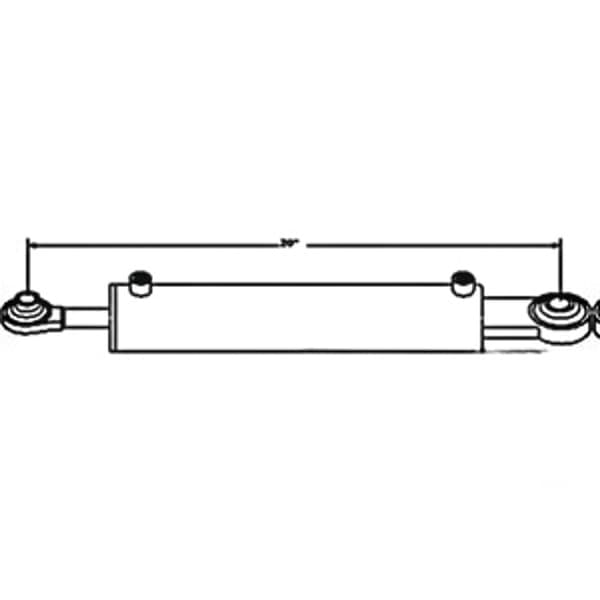
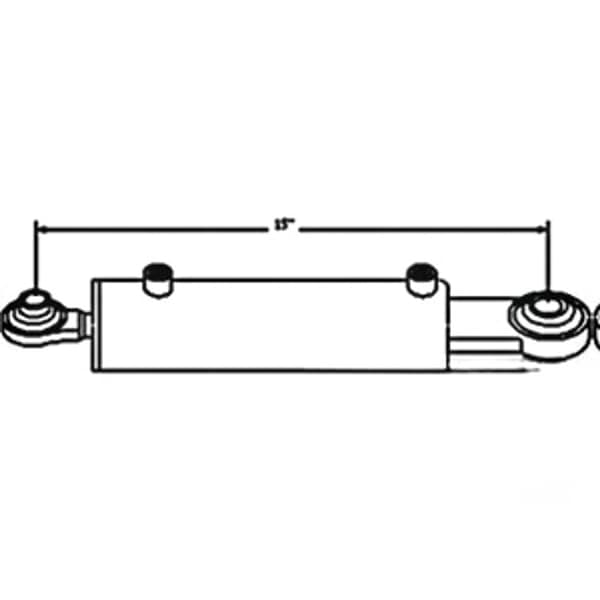
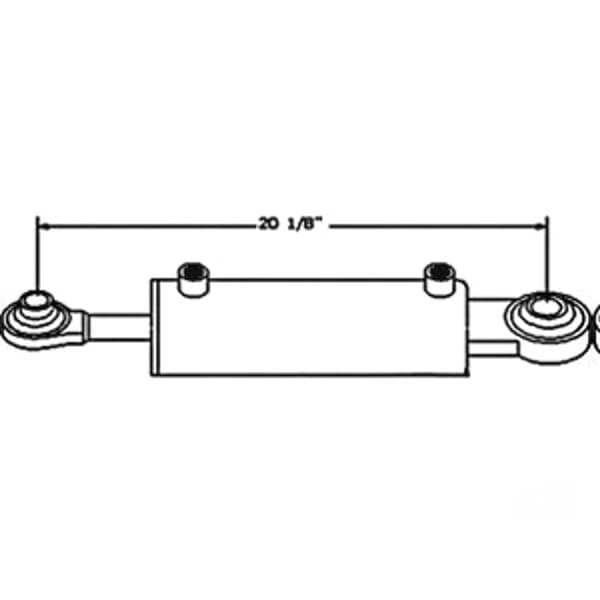
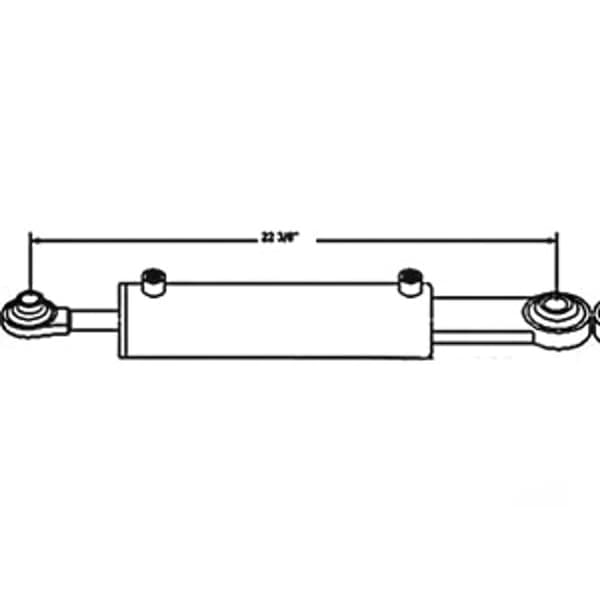
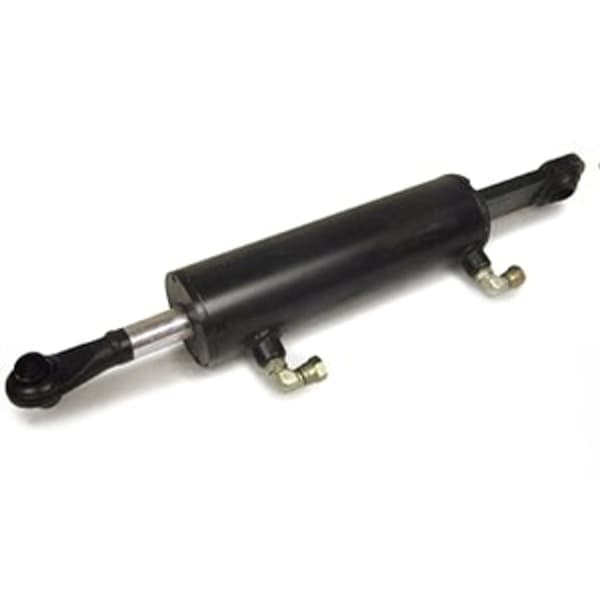
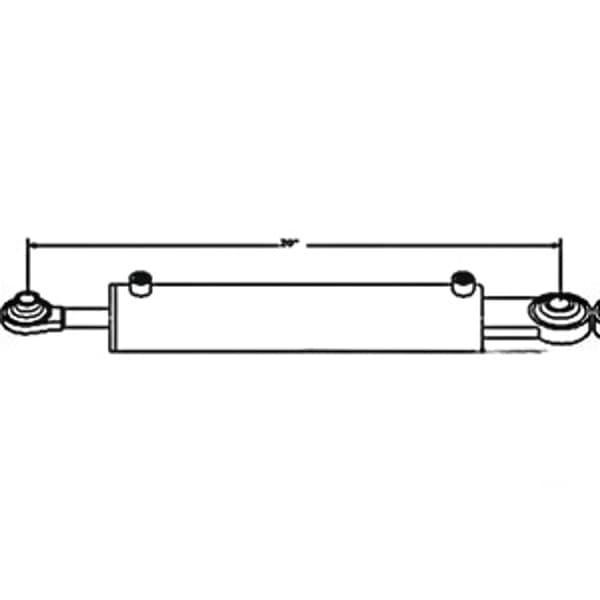
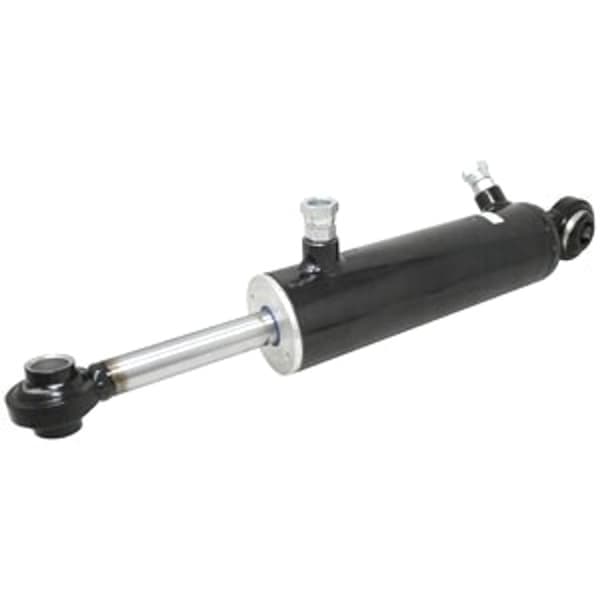
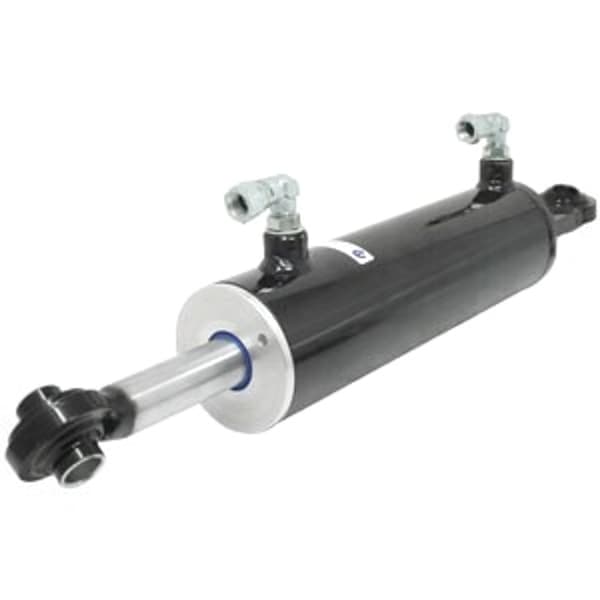
🔍 Looking for a specific part? Try our AI Part Finder — tell it your equipment and what you need, and it will find matching parts instantly.
But before you can reap those benefits, you need to ensure you have the *right* hydraulic top link for your tractor and implements. This means understanding the different categories and their corresponding dimensions. This guide from Madison Tractor Company will walk you through everything you need to know about sizing your tractor hydraulic top link, helping you make an informed decision.
What is a Hydraulic Top Link?
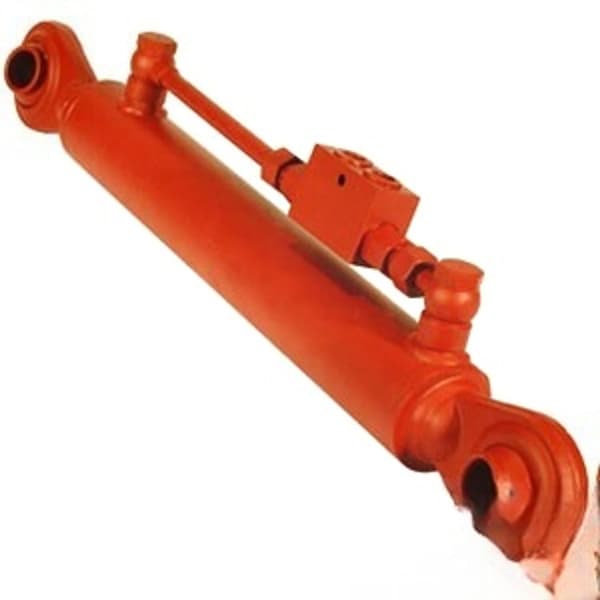
A hydraulic top link replaces the standard adjustable top link on your tractor's three-point hitch. Instead of manually adjusting the link's length with a wrench, you use a hydraulic cylinder controlled from the tractor seat. This provides fine-tuned adjustments without stopping, getting off the tractor, or using tools.
Here's why they're so beneficial:
- On-the-Go Adjustments: Easily adjust the implement's angle to compensate for changing terrain or soil conditions.
- Increased Efficiency: Make precise adjustments quickly, maximizing the implement's performance and reducing wasted time.
- Improved Comfort: No more getting off the tractor to make manual adjustments, saving you time and reducing strain.
- Versatility: Suitable for a wide range of implements, from box blades and scrapers to rotary tillers and mowers.
Hydraulic top links work in conjunction with your tractor's existing hydraulic system. If you are experiencing issues with your tractor's hydraulics, make sure to check the performance of your hydraulic pump and system. Madison Tractor carries high-quality hydraulic pumps for a variety of tractor brands, including John Deere, Ford/New Holland, Case IH, Massey Ferguson, and Kubota. Don't forget to inspect your hydraulic cylinders and hydraulic hoses for leaks or damage as well.
Understanding Three-Point Hitch Categories
Three-point hitches are categorized by size and lift capacity. The category of your hitch determines the size of the implements you can use and, consequently, the size of the hydraulic top link you need. The most common categories are Category 1 and Category 2, but larger tractors may use Category 3 or even Category 4 hitches.
Category 1
Category 1 hitches are typically found on compact and utility tractors ranging from 20 to 45 horsepower. The key dimensions for Category 1 are:
- Lower Link Pin Diameter: 7/8 inch (22mm)
- Top Link Pin Diameter: 3/4 inch (19mm)
- Lower Link Spread: 26 inches (660mm) between the inside faces of the lower link arms.
Category 2
Category 2 hitches are common on larger utility and row-crop tractors in the 40 to 100 horsepower range. The dimensions are:
- Lower Link Pin Diameter: 1 1/8 inch (28mm)
- Top Link Pin Diameter: 1 inch (25mm)
- Lower Link Spread: 32 inches (813mm) between the inside faces of the lower link arms.
Important Note: Some implements are designed to be "quick-hitch compatible." This means they can be easily attached and detached from the tractor using a quick-hitch system. If you use a quick-hitch, ensure your hydraulic top link is also compatible.
Determining the Correct Hydraulic Top Link Size
Choosing the right size hydraulic top link involves more than just matching the category. You also need to consider the length of the top link when fully retracted and fully extended. This range of motion will dictate the implement's adjustability.
- Determine Your Hitch Category: Consult your tractor's owner's manual to confirm the category of your three-point hitch. If you're unsure, measure the lower link pin diameter.
- Measure Your Existing Top Link: If you're replacing a manual top link, measure its overall length when fully retracted (shortest possible length) and fully extended (longest possible length). This gives you a good starting point for selecting a hydraulic top link with a similar range of motion.
- Consider Your Implements: Think about the implements you'll be using with the hydraulic top link. Some implements may require a longer or shorter top link than others to achieve the desired angle and performance.
- Check the Hydraulic Top Link Specifications: When shopping for a hydraulic top link, carefully review the specifications, including the category, retracted length, extended length, and cylinder bore/stroke.
Example: Let's say you have a John Deere 5075E tractor (approximately 75 horsepower) with a Category 2 hitch. You measure your existing manual top link and find that it ranges from 22 inches retracted to 32 inches extended. You would look for a Category 2 hydraulic top link with a similar range, perhaps something like 20-30 inches or 24-34 inches. This ensures that you have enough adjustability for your implements.
Installation and Maintenance
Installing a hydraulic top link is a relatively straightforward process, but it's essential to follow these steps carefully.
- Safety First: Before working on your tractor, ensure it is parked on a level surface, the engine is turned off, and the parking brake is engaged. Disconnect the battery to prevent accidental starting.
- Remove the Old Top Link: Disconnect the existing manual top link from the tractor and implement. Retain any hardware (pins, clips) that you might need for the hydraulic top link.
- Connect the Hydraulic Top Link: Attach the hydraulic top link to the tractor and implement, using the appropriate pins and clips.
- Connect the Hydraulic Hoses: Connect the hydraulic hoses from the top link cylinder to the tractor's remote hydraulic outlets. Ensure the connections are tight and secure.
- Test the System: Start the tractor and slowly operate the hydraulic top link to ensure it functions correctly. Check for any leaks in the hydraulic lines or cylinder.
Important Safety Warning: When working with hydraulic systems, always relieve pressure before disconnecting any lines. Hydraulic fluid under pressure can cause serious injury.
Maintenance: Regularly inspect your hydraulic top link for leaks, damage, or wear. Keep the cylinder rod clean and lubricated. Periodically check the hydraulic fluid level in your tractor and top off as needed. Refer to your tractor's owner's manual for the recommended hydraulic fluid type and maintenance schedule.
Speaking of maintenance, be sure to check your tractor hydraulic filter regularly, replacing it according to the manufacturer's recommended schedule. A clean filter ensures proper hydraulic system performance and prevents damage to the pump and other components.
Common Problems and Troubleshooting
Here are some common issues you might encounter with a hydraulic top link and how to address them:
- Slow or Jerky Operation: This could be caused by low hydraulic fluid, air in the system, or a clogged hydraulic filter. Check the fluid level, bleed the system (if necessary), and replace the filter. Madison Tractor carries a wide selection of hydraulic filters for various tractor brands, including John Deere, Case IH, Ford/New Holland, Massey Ferguson, Kubota, Allis Chalmers, Deutz, International Harvester, Oliver, White, Gleaner, Vermeer, Hesston, Mahindra and Zetor.
- Leaks: Leaks can occur at the cylinder, hoses, or fittings. Tighten any loose connections, replace damaged hoses or fittings, and rebuild the cylinder if necessary.
- Cylinder Drift: If the cylinder slowly extends or retracts on its own, it may have internal leaks. A cylinder rebuild is usually required.
- Incorrect Size/Fit: Ensure the pins and bushings match your tractor and implement's requirements. Using incorrect sizes can cause damage and unsafe operation.
Remember to consult your tractor's service manual or a qualified mechanic for more complex hydraulic system issues. Ignoring small problems can lead to larger, more expensive repairs down the road.
Hydraulic Top Links from Madison Tractor Company
At Madison Tractor Company, we understand the importance of having the right parts for your equipment. We offer a wide selection of hydraulic top links to fit various tractor brands and models, including John Deere, Case IH, Ford/New Holland, Massey Ferguson, and Kubota. We carry top links in Category 1, Category 2, and other sizes, ensuring you can find the perfect fit for your needs. In addition to hydraulic components, we also stock a comprehensive inventory of other tractor parts, including radiators, water pumps, starters, alternators, clutch kits, PTO parts, fuel pumps, carburetors, and much more.
Our knowledgeable team is here to assist you in selecting the right parts and providing expert advice. We are committed to providing our customers with the highest quality parts and exceptional service.
Ready to upgrade your tractor with a hydraulic top link? Browse our extensive selection of tractor parts at Madison Tractor Company and experience the difference! You can also use our AI-Powered Part Finder to search for parts by your specific make and model.
Part of our comprehensive guide
Tractor Hydraulic System Guide: Pumps, Cylinders & Troubleshooting