








Tractor Hydraulic Control Valve: Spool Valves & Remotes
This guide covers tractor hydraulic control valves, including spool valves and remote hydraulic systems. Learn about their function, maintenance, and troubleshooting to ensure optimal hydraulic performance on your farm equipment.
Your tractor's hydraulic system is the lifeblood of many operations, powering everything from loaders and implements to steering and brakes. At the heart of this system lies the tractor hydraulic control valve, specifically the spool valves and remote hydraulic outlets. Understanding how these components work is crucial for efficient operation and troubleshooting. Whether you're running a John Deere, Case IH, Ford/New Holland, Massey Ferguson, Kubota, or any other major brand, this guide will help you navigate the intricacies of your tractor's hydraulic control valve.
Recommended Parts for This Guide
10 parts we recommend — in stock, ships fast, one-click add to cart.
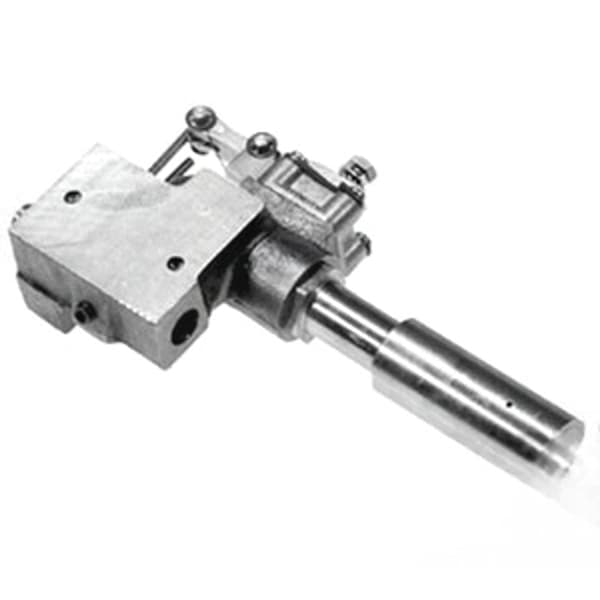
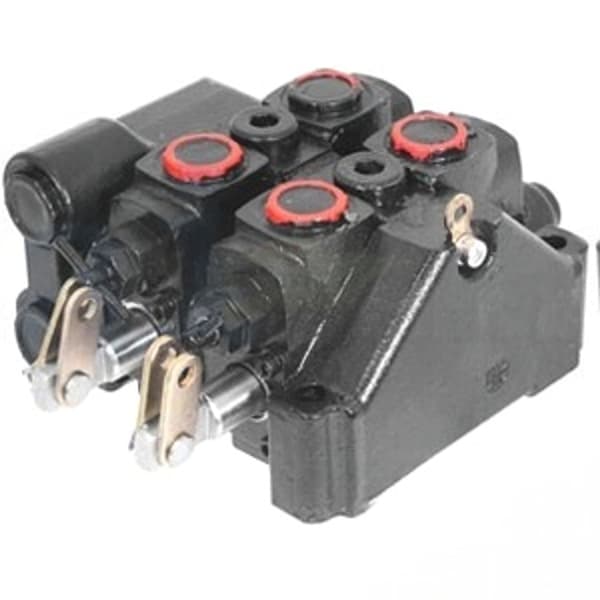
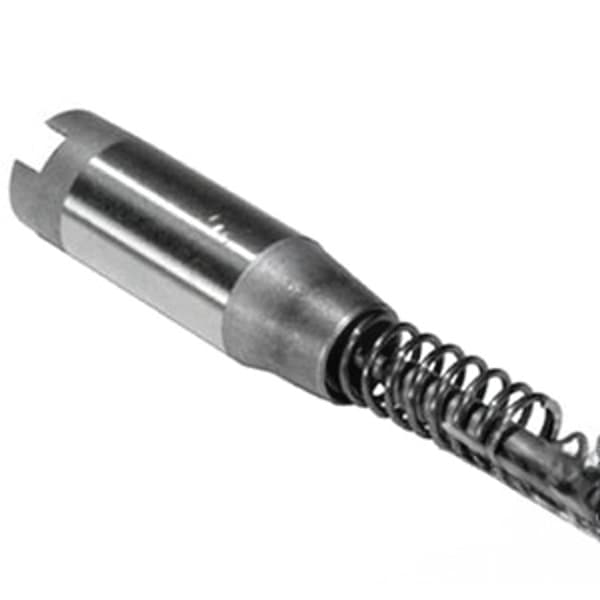
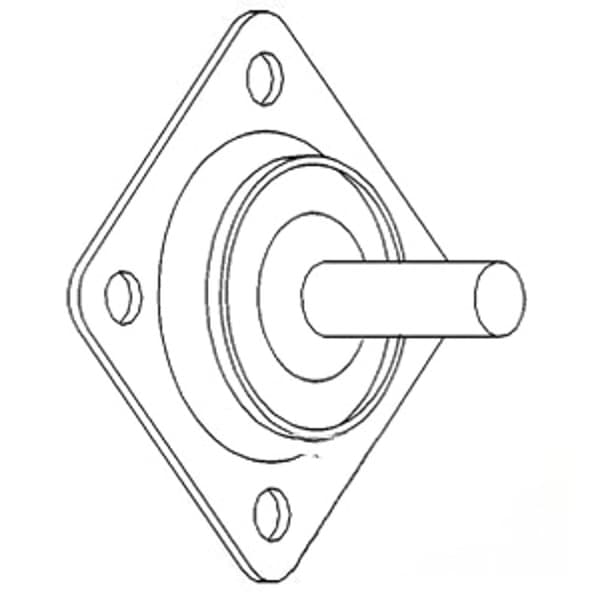
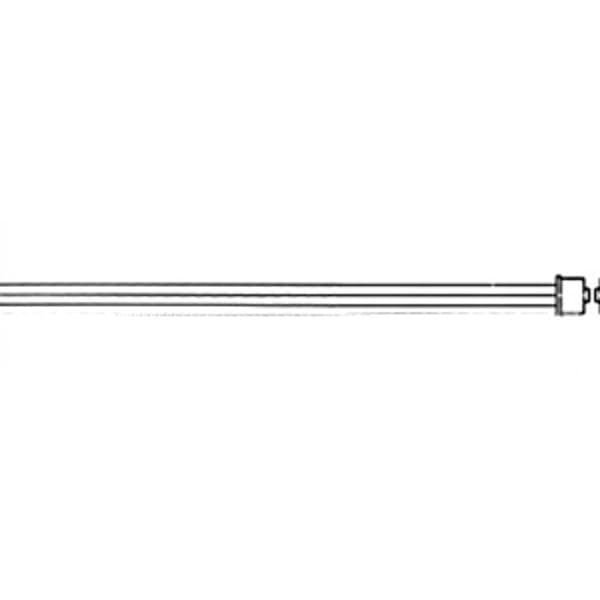
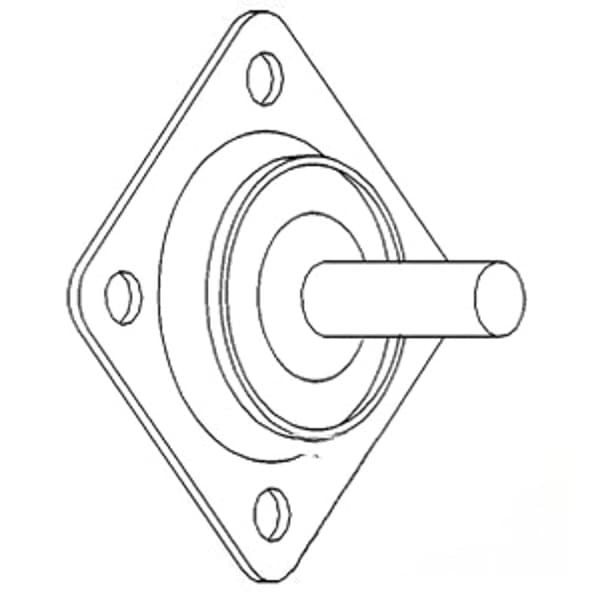
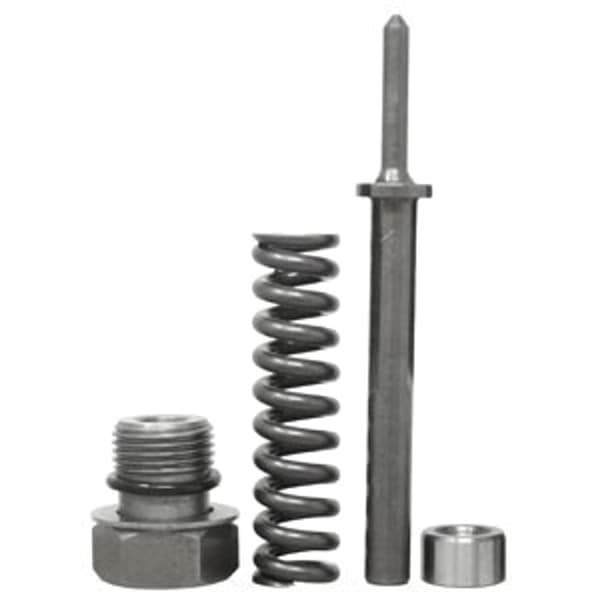
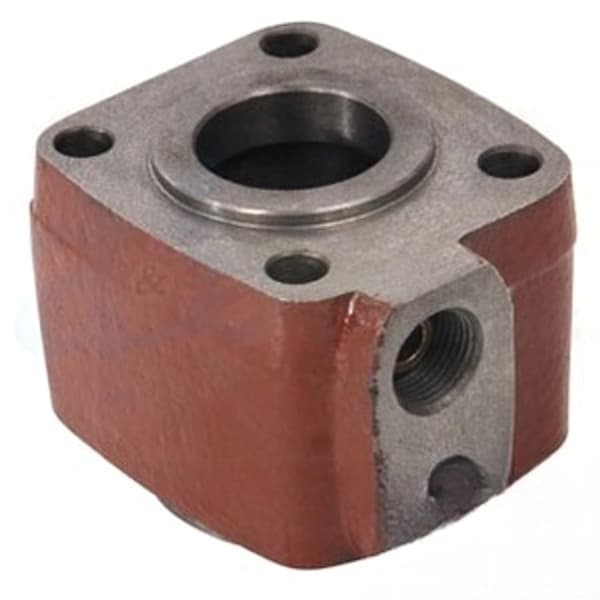
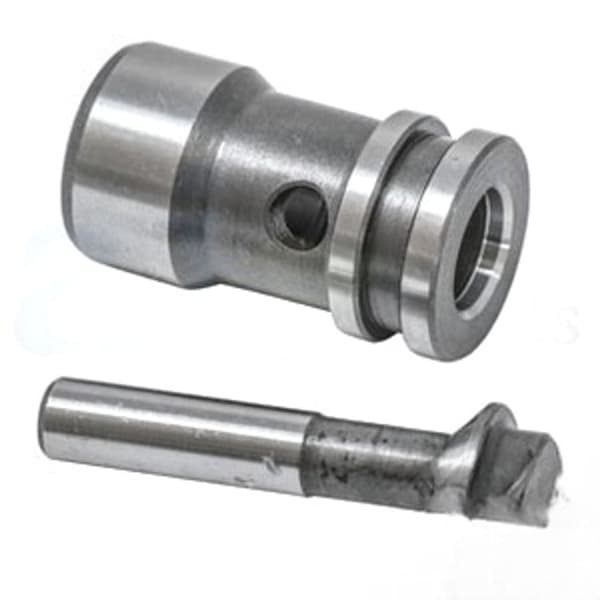
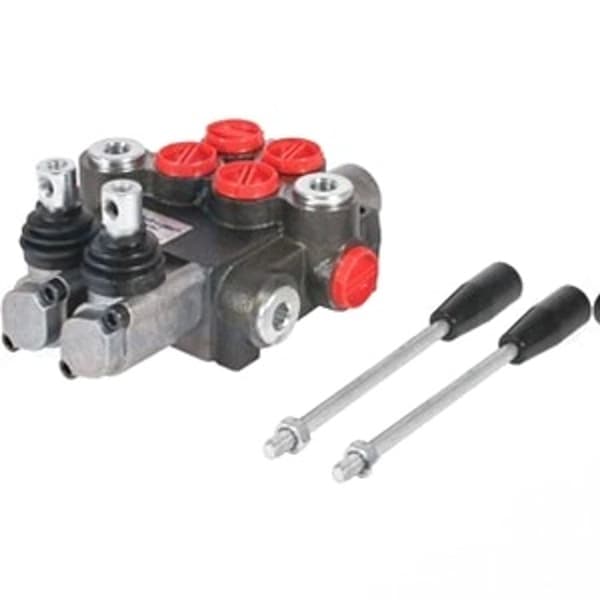
🔍 Looking for a specific part? Try our AI Part Finder — tell it your equipment and what you need, and it will find matching parts instantly.
What is a Tractor Hydraulic Control Valve?
The hydraulic control valve directs the flow of hydraulic fluid from the hydraulic pump to various hydraulic cylinders and motors. Think of it as the traffic controller for your tractor's hydraulic power. Without it, you wouldn't be able to raise your loader, angle your blade, or operate any other hydraulically powered implement.
For precise pump function, a hydraulic pump stroke control valve kit may be essential. A dedicated hydraulic pump stroke control valve may also be needed.
Most tractors use a spool valve design. This means the valve contains cylindrical spools that slide within the valve body. By moving these spools, you open and close different passages, directing the hydraulic fluid where it needs to go.
Types of Spool Valves and Hydraulic Control Valves
Several types of spool valves are used in tractor hydraulic systems, each with unique characteristics and applications
- Manual Spool Valves These are directly operated by levers or linkages. The operator physically moves the spool to control the flow of hydraulic fluid. For advanced control, an actuator for the hydraulic control valve might be used.
- Pilot-Operated Spool Valves These valves use a small pilot pressure to move the main spool. This allows for remote control and can be used for more complex hydraulic circuits.
- Electro-Hydraulic Spool Valves These valves use solenoids to move the spool. They're often found in tractors with electronic control systems, offering precise and programmable hydraulic control.
Beyond the spool valve mechanism, the hydraulic control valve can be further classified by its function within the system. For example, a diverter valve redirects hydraulic flow between two circuits, while a pressure relief valve protects the system from overpressure. Some valves, like those used in tractor hydraulic cylinders for steering, incorporate flow dividers to maintain consistent steering response, even under varying load conditions. A key component here is often the hydraulic control valve housing, especially for steering applications. Sometimes these functions are integrated into a single hydraulic valve and manifold assembly.
Understanding Tractor Remote Hydraulics
Remote hydraulics are external hydraulic outlets that allow you to connect and operate hydraulic implements. These outlets are typically located at the rear of the tractor and are controlled by levers in the cab. Often, these levers connect via a hydraulic auxiliary valve flow control cable. Remote hydraulics significantly enhance your tractor's versatility, allowing it to power a wide range of equipment like
- Hydraulic cylinders on planters and seed drills
- Hydraulic motors on mowers and balers
- Hydraulic brakes on trailers
Each remote outlet is typically controlled by its own spool valve. These valves can have different configurations, such as
- Single-acting Provides hydraulic power in one direction, typically used for lifting implements.
- Double-acting Provides hydraulic power in both directions, allowing for more complex movements.
- Detent Allows the valve to remain in a specific position without constant operator input, useful for maintaining consistent implement position.
- Float Allows the implement to float freely, following the contours of the ground.
Common Issues and Troubleshooting
Hydraulic control valves, like any mechanical component, are susceptible to wear and tear. Common issues
- Leaks Often caused by worn seals or O-rings. Inspect the valve body and around the spool levers for signs of leakage.
- Slow or erratic operation Can be caused by low hydraulic fluid levels, a faulty hydraulic pump, or internal valve damage. Check the hydraulic filter as well; a clogged filter can restrict flow.
- Valve sticking Caused by contamination or corrosion. Try cleaning the valve body with a suitable solvent.
- Overheating Can indicate excessive internal leakage or a problem with the hydraulic cooler (if equipped).
Troubleshooting Steps
- Check the hydraulic fluid level Low fluid levels can cause cavitation and erratic operation. Refer to your tractor's owner's manual for the correct fluid type and capacity.
- Inspect for leaks Identify and repair any leaks to maintain system pressure and prevent contamination. Common leak points include valve spools, hose fittings (check those hoses) cylinder seals.
- Check the hydraulic filter Replace the filter according to the manufacturer's recommendations. A clogged filter can restrict flow and cause overheating. For example, many John Deere tractors using a filter like RE62418 require changes every 500 hours.
- Test the hydraulic pressure Use a hydraulic pressure gauge to verify that the pump is producing the correct pressure. Consult your tractor's service manual for the correct pressure specifications. A John Deere tractor like the 4020 should see around 2250-2500 PSI.
- Inspect the spool valves Remove the valve assembly (after relieving pressure!) and visually inspect the spools for damage or wear. Clean the valve body and spools with a suitable solvent.
Safety Warning Always relieve hydraulic pressure before disconnecting any hydraulic lines or components. Hydraulic fluid under pressure can cause serious injury.
Maintenance and Prevention
Regular maintenance is key to preventing hydraulic control valve problems. Here are some tips
- Use the correct hydraulic fluid Using the wrong fluid can damage seals and cause valve sticking. Refer to your tractor's owner's manual for the correct fluid type. For example, a Massey Ferguson 135 may use a universal tractor hydraulic fluid.
- Change the hydraulic fluid and filter regularly This removes contaminants that can damage the valve and other hydraulic components.
- Keep the hydraulic system clean Prevent dirt and debris from entering the system. Use clean funnels and containers when adding fluid. Ensure all caps, like a hydraulic control valve dust cap, are properly sealed.
- Inspect hydraulic hoses and fittings regularly Replace any damaged or worn hoses or fittings to prevent leaks and maintain system pressure.
- Operate the hydraulic system within its designed limits Avoid overloading the system, as this can damage the valve and other components.
Hydraulic Control Valve Adjustments
Some hydraulic control valves have adjustable settings that can be used to fine-tune the hydraulic system's performance. These adjustments may
- Relief valve pressure setting Adjusting the relief valve pressure can increase or decrease the maximum hydraulic pressure in the system. Components like the diaphragm for a hydraulic pressure control valve are critical here. However, exceeding the manufacturer's recommended pressure can damage hydraulic components.
- Spool valve stroke adjustment Adjusting the spool valve stroke can change the flow rate of hydraulic fluid. This can be used to optimize the speed of hydraulic cylinders or motors.
- Detent adjustments For valves with detents, these adjustments can control the force required to engage or disengage the detent mechanism.
Consult your tractor's service manual for specific instructions on how to adjust the hydraulic control valve settings. Incorrect adjustments can damage the hydraulic system.
Finding the Right Parts
When it comes to repairing or replacing your tractor's hydraulic control valve, spool valves, or related components, it's crucial to use high-quality parts. Madison Tractor Company offers a wide selection of hydraulic parts for all major brands, including
- John Deere Hydraulic pumps (See our article on John Deere Hydraulic Pumps), valves, cylinders hoses for models like the 4020, 3020 6400 series.
- Case IH Hydraulic pumps (refer to our Case IH Hydraulic Pump guide), valves, cylinders hoses for models like the Farmall, Magnum Maxxum series. We stock parts fitting models like the 585, 784 MX170.
- Ford/New Holland Hydraulic pumps (check out our Ford Tractor Hydraulic Pump article), valves, cylinders hoses for models like the 8N, 3000 5610 series.
- Massey Ferguson Hydraulic pumps (see our Massey Ferguson Hydraulic Pump overview), valves, cylinders hoses for models like the 35, 135 265 series.
- Kubota Hydraulic pumps (see our Kubota Hydraulic Pump guide), valves, cylinders hoses for L, M MX series tractors.
- Other Brands We also carry parts for Allis Chalmers, Deutz, International Harvester, Oliver, White, Gleaner, Vermeer, Hesston, Mahindra Zetor tractors and combines.
We stock a variety of parts, including radiators, water pumps, starters, alternators, hydraulic pumps, cylinders, clutch kits, PTO parts, fuel pumps, carburetors, injectors, filters, gaskets, pistons, bearings, seals, belts, chains, concaves sickle sections.
By understanding your tractor's hydraulic control valve and performing regular maintenance, you can ensure reliable and efficient operation for years to come. Proper hydraulic system maintenance also relies on using the correct hydraulic hoses and regular replacement of your hydraulic filter.
Torque Specifications Always refer to your tractor's service manual for specific torque specifications when tightening hydraulic fittings. Over-tightening can damage the fitting or the valve body, while under-tightening can lead to leaks.
Example OEM Part Numbers
- Case IH Control Valve: 3135794R91
Remember to consult your tractor's service manual for specific repair procedures and safety precautions.
Fluid Capacities Consult your owner's manual. As an example, the hydraulic system in a Ford 8N tractor holds approximately 5 quarts.
We hope this guide has been helpful. Now that you know more about tractor hydraulic control valves, visit Madison Tractor Company for all your tractor parts needs! Shop Now! You can also use our AI-Powered Part Finder to search for parts by your specific make and model.
Part of our comprehensive guide
Tractor Hydraulic System Guide: Pumps, Cylinders & Troubleshooting