








John Deere Tractor Hydraulic Pump: OEM Part Numbers
Understanding your John Deere hydraulic pump is critical for efficient farm operations. This guide provides insights into OEM part numbers, troubleshooting common issues, and selecting the correct replacement for your specific model.
Understanding Your John Deere Hydraulic Pump
The hydraulic system on your John Deere tractor is the workhorse that powers everything from your loader to your 3-point hitch and power steering. At the heart of this system is the hydraulic pump. A healthy, properly functioning pump is crucial for maintaining peak performance. This article will delve into John Deere hydraulic pumps, focusing on OEM part numbers, common problems how to ensure you get the right replacement for your machine. Madison Tractor carries a wide range of John Deere hydraulic pumps to keep your equipment running smoothly, along with parts for other major brands like Case IH, Ford, New Holland, Massey Ferguson Kubota.
Recommended Parts for This Guide
8 parts we recommend — in stock, ships fast, one-click add to cart.
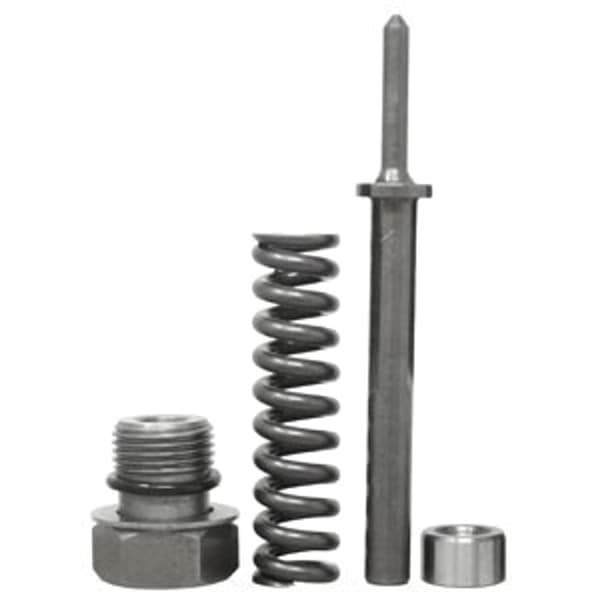
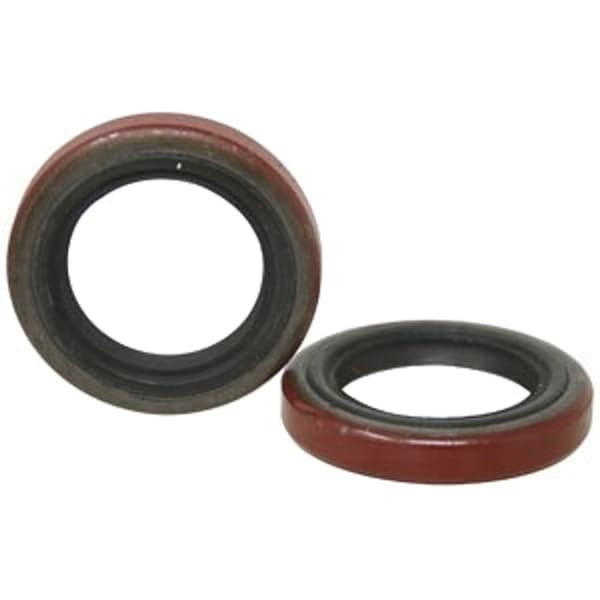
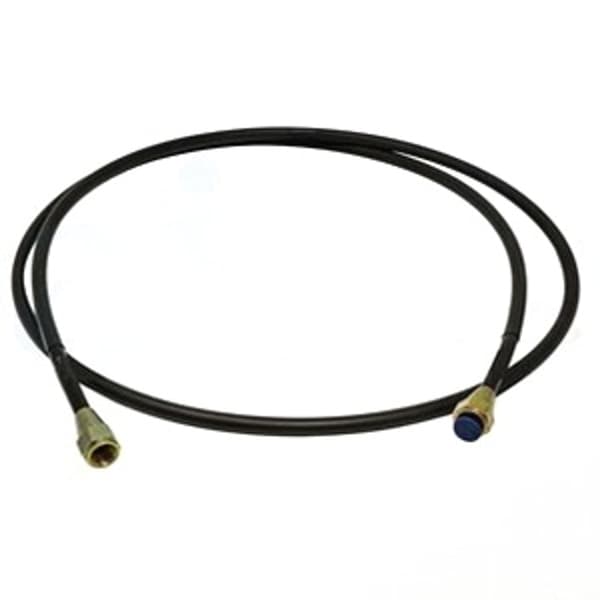
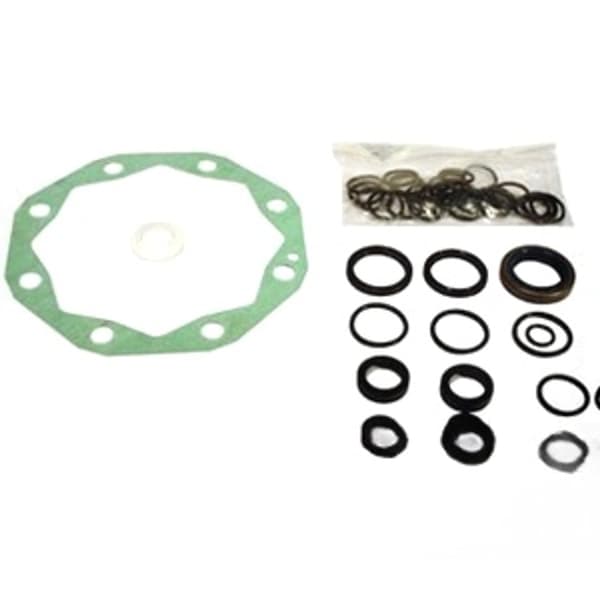
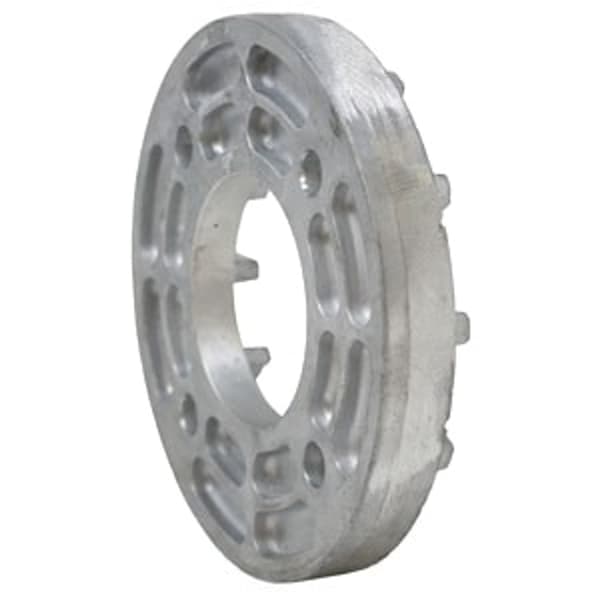
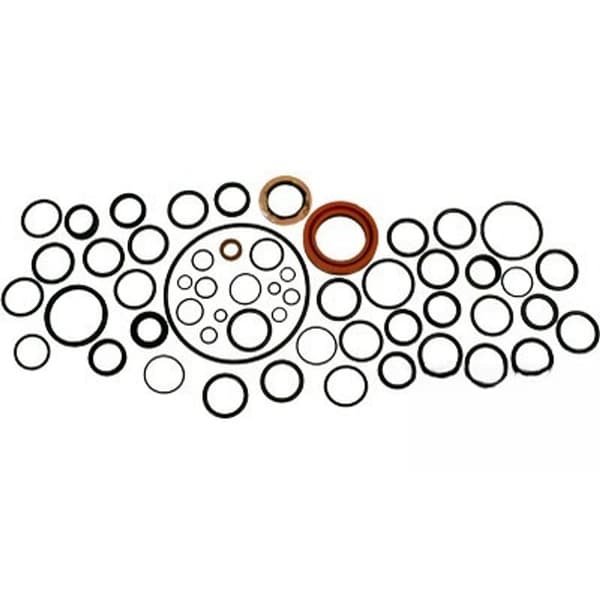
🔍 Looking for a specific part? Try our AI Part Finder — tell it your equipment and what you need, and it will find matching parts instantly.
Before we dive in, remember safety first. Always disconnect the battery and relieve hydraulic pressure before working on any hydraulic system component. Hydraulic fluid under pressure can be extremely dangerous.
Identifying Your John Deere Hydraulic Pump
Finding the correct John Deere hydraulic pump starts with accurate identification. Here's how to approach it
1. Model Number and Year
This is the most crucial piece of information. The tractor or implement's model number (e.g., 4020, 4430, 7700) and year of manufacture will narrow down the compatible pumps significantly. These details are typically found on a plate or sticker on the tractor's frame. Check the owner's manual for exact location.
2. OEM Part Number
Ideally, you can locate the original equipment manufacturer (OEM) part number stamped on the old pump itself. It's usually a long number string (e.g., ). This guarantees a direct replacement. Even if the number is faded or partially illegible, a parts specialist at Madison Tractor can often help you identify it.
- A-AL202473: Fits 6090MC, 6095MC, 6100MC, 6105J, 6105M and more. Replacement: AL202473
- A-AR39052: Fits 401B, 410D, 9920, 9930, 9940 and more. Replacement: AR39052
- AT22639: Fits 401B, 410D, 9920, 9930, 9940 and more. Replacement: AR39052
3. Visual Inspection
Carefully examine your existing pump. Note the following
- Mounting style How does it attach to the tractor (flange, bracket, etc.)?
- Number of ports and their orientation How many inlet and outlet ports are there where are they located?
- Shaft type Is it splined or keyed? What is the shaft diameter? Also inspect the hydraulic pump drive coupling for wear.
- Pump type Is it a gear pump, piston pump, or vane pump? (Gear pumps are the most common in older models.)
4. Hydraulic System Schematics
A hydraulic system diagram from your John Deere service manual can be extremely helpful in tracing the hydraulic lines and identifying the pump's position in the system. These schematics often show the part number of the pump and related components.
Knowing this information allows Madison Tractor's team to assist you in finding the correct replacement John Deere hydraulic pump. We also stock radiators, water pumps, starters, alternators, clutch kits, PTO parts, fuel pumps, carburetors, injectors, filters, gaskets, pistons, bearings, seals, belts chains, and specialized pump components like stroke control valves, inlet valve kits, and comprehensive hydraulic pump seal kits, so you can get everything you need in one place.
Common John Deere Hydraulic Pump OEM Part Numbers
Here are some examples of common John Deere hydraulic pump OEM part numbers and the models they often fit. Note that this is not an exhaustive list always verify the correct part number for your specific machine using the methods described above.
- RE62418 Used on newer models like the 6410, 6610 6810.
Important Note Hydraulic pumps are often updated by the manufacturer. A superseded part number means that the original part is no longer available a new, improved version is used in its place. Madison Tractor's parts experts can help you cross-reference old or discontinued part numbers to the correct current replacement.
Troubleshooting John Deere Hydraulic Pump Issues
A failing hydraulic pump can manifest in several ways. Here are some common symptoms and potential causes
- Slow or Weak Hydraulics This is a frequent symptom. The pump may not be generating enough pressure to operate implements properly.
- No Hydraulics at All Complete failure of the pump. This could be due to a broken shaft, worn gears, or other internal damage.
- Noisy Pump Excessive whining or grinding noises from the pump can indicate worn bearings or internal damage, potentially including issues with the hydraulic pump valve seat insert.
- Overheating Hydraulic Fluid A failing pump can cause excessive friction, leading to overheating. This can damage other hydraulic components.
- Foaming Hydraulic Fluid Air entering the hydraulic system can cause foaming. This can be due to leaks in suction lines or a faulty pump seal. Refer to the Tractor Hydraulic Hose: Sizing, Pressure Ratings & Fittings guide for assistance on diagnosing faulty hydraulic lines.
Troubleshooting Steps
- Check the Hydraulic Fluid Level Low fluid is a common cause of hydraulic problems.
- Inspect for Leaks Look for leaks around the pump, hoses, cylinders other hydraulic components. Repair any leaks promptly, often requiring a hydraulic pump seal kit. Also see our article on Tractor Hydraulic Cylinder: Steering, Lift & Loader.
- Check the Hydraulic Filter A clogged filter can restrict flow to the pump. Replace the filter according to the manufacturer's recommendations. Be sure to consult our Tractor Hydraulic Filter: Cross Reference by Brand guide for the proper filter for your application.
- Check Suction Lines Inspect the suction lines leading to the pump for cracks or damage. Air leaks in these lines can cause cavitation and pump damage.
- Test Hydraulic Pressure Use a hydraulic pressure gauge to test the pump's output pressure. Compare the reading to the manufacturer's specifications. This will tell you if the pump is producing adequate pressure.
If you suspect a faulty pump, it's often best to replace it rather than attempt a repair, especially on older pumps where parts may be difficult to find. Madison Tractor offers both new and remanufactured John Deere hydraulic pumps to suit your budget. For some models, a comprehensive hydraulic pump overhaul kit can be an economical repair option.
Replacing Your John Deere Hydraulic Pump
Replacing a hydraulic pump is a straightforward job, but it requires careful attention to detail. Here's a general outline
- Preparation Gather all necessary tools, including wrenches, sockets, a torque wrench drain pans. Have new hydraulic fluid on hand.
- Drain Hydraulic Fluid Drain the hydraulic system according to the service manual instructions.
- Disconnect Hydraulic Lines Carefully disconnect the hydraulic lines from the pump. Cap or plug the lines to prevent contamination.
- Remove the Old Pump Unbolt the pump from its mounting and carefully remove it from the tractor.
- Install the New Pump Install the new pump in the reverse order of removal. Ensure that all mounting surfaces are clean and that all bolts are tightened to the specified torque.
- Reconnect Hydraulic Lines Reconnect the hydraulic lines, ensuring that they are properly tightened.
- Refill Hydraulic Fluid Refill the hydraulic system with the correct type and amount of hydraulic fluid.
- Bleed the System Bleed the hydraulic system to remove any air. Follow the service manual instructions.
- Test the System Start the tractor and test the hydraulic system to ensure that everything is working properly. Check for leaks.
Torque Specifications Always consult your John Deere service manual for the correct torque specifications for all bolts and fittings. Using the wrong torque can lead to leaks or component failure. For example, the mounting bolts for a hydraulic pump on a John Deere 4020 typically require a torque of around 65-75 ft-lbs, but this can vary depending on the specific bolt size and grade.
Madison Tractor also supplies components for other hydraulic repairs including Tractor 3-Point Hitch Repair.
Hydraulic Fluid Considerations
Using the correct hydraulic fluid is essential for the long-term health of your John Deere hydraulic system. John Deere Hy-Gard is the recommended fluid for most models. However, always consult your owner's manual for the specific fluid requirements of your machine.
Fluid Capacity The hydraulic fluid capacity varies depending on the model. A John Deere 4020, for example, typically holds around 11 gallons of hydraulic fluid. Consult your service manual for the exact capacity.
Using the wrong fluid can cause
- Reduced pump performance
- Premature wear of hydraulic components
- Foaming and cavitation
- Damage to seals and hoses
Other brands we carry include Allis Chalmers, Deutz, International Harvester, Oliver, White, Gleaner, Vermeer, Hesston, Mahindra Zetor.
Shop John Deere Parts at Madison Tractor
Finding the right John Deere hydraulic pump doesn't have to be a challenge. At Madison Tractor, we're committed to providing you with the parts and expertise you need to keep your equipment running its best. Browse our extensive selection of John Deere hydraulic pumps, filters other hydraulic components today. Our knowledgeable staff is always available to answer your questions and help you find the perfect part for your specific application. Don't forget to check out our other guides on Ford Tractor Hydraulic Pumps, Case IH Hydraulic Pumps, Massey Ferguson Hydraulic PumpsKubota Hydraulic Pumps.
🔍 Can't Find Your Part?
Use our AI-Powered Part Finder to search by your equipment's make, model, and what you need. It's the fastest way to find the exact part for your machine.
Try the Part Finder →Part of our comprehensive guide
Tractor Hydraulic System Guide: Pumps, Cylinders & Troubleshooting