








Tractor Hydraulic Pressure Testing: Diagnose Weak Lift
Is your tractor lift struggling? This guide provides a comprehensive walkthrough of tractor hydraulic pressure testing, enabling you to diagnose issues and get your machine back to peak performance. Learn how to perform the test safely and accurately.
Introduction to Tractor Hydraulic Pressure Testing
A properly functioning hydraulic system is crucial for nearly every task performed by a tractor. From lifting implements to powering loaders, hydraulics are the backbone of modern farm machinery. When you notice a weak or sluggish lift, slow steering, or decreased loader performance, it's often a sign of hydraulic problems. A key diagnostic tool is the tractor hydraulic pressure test. This test will help pinpoint whether the issue lies within the hydraulic pump, cylinders, valves, or even due to leaks. Madison Tractor Company carries a wide range of tractor hydraulic parts including hydraulic pumps, cylinders, and hoses for most major tractor brands like John Deere, Case IH, Ford, New Holland, Massey Ferguson, and Kubota.
Recommended Parts for This Guide
10 parts we recommend — in stock, ships fast, one-click add to cart.
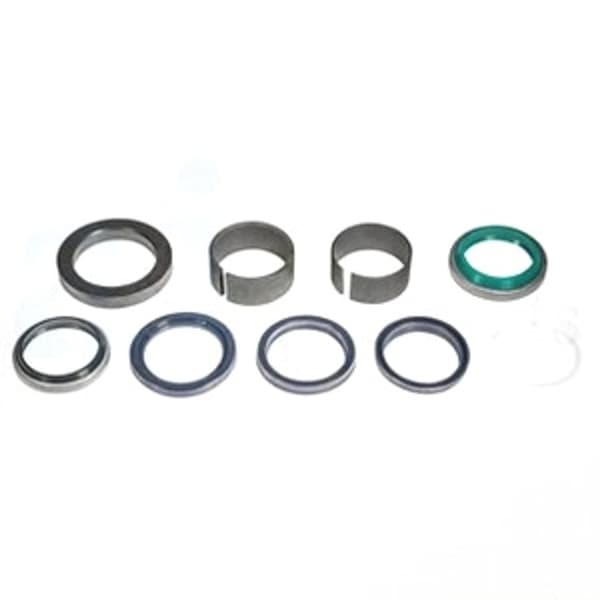
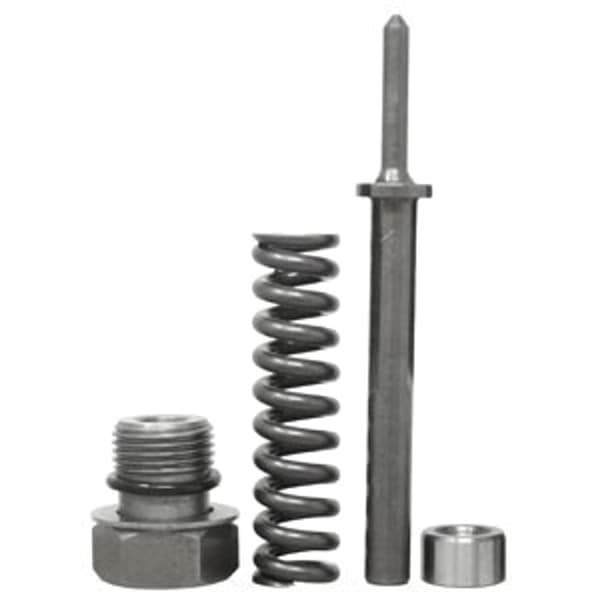
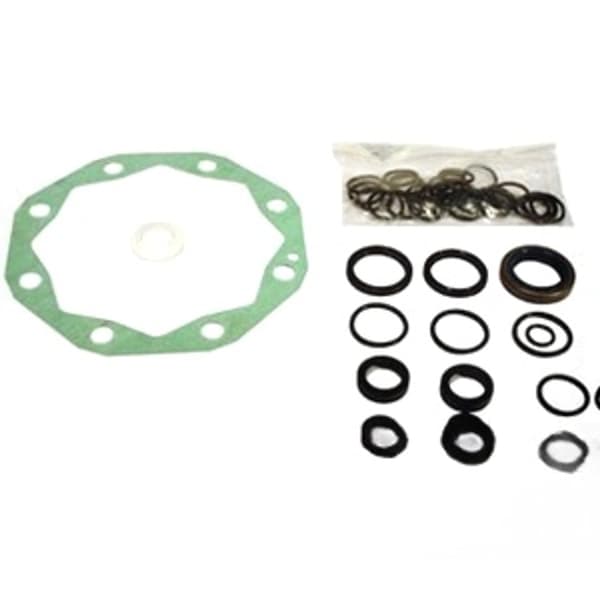
🔍 Looking for a specific part? Try our AI Part Finder — tell it your equipment and what you need, and it will find matching parts instantly.
Understanding Your Tractor's Hydraulic System
Before diving into the testing process, it's essential to understand the basic components of your tractor's hydraulic system. This system typically includes:
- Hydraulic Pump: The heart of the system, responsible for generating hydraulic pressure. Whether it's a gear pump (common in older Ford tractors like the 8N or early Massey Ferguson models) or a more complex piston pump (often found in John Deere and Case IH tractors), the pump's output dictates system performance. See our guides on John Deere hydraulic pumps, Ford tractor hydraulic pumps, Case IH hydraulic pumps, Massey Ferguson hydraulic pumps, and Kubota hydraulic pumps for model-specific information.
- Hydraulic Reservoir: Stores the hydraulic fluid.
- Hydraulic Filter: Keeps the hydraulic fluid clean, preventing damage to sensitive components. Refer to our Tractor Hydraulic Filter guide for cross-reference information to find the correct filter for your tractor.
- Control Valves: Direct the flow of hydraulic fluid to different parts of the system. For their internal components, consider a stroke control valve kit or a valve seat insert.
- Hydraulic Cylinders: Convert hydraulic pressure into linear motion, used for lifting, steering, and other functions. Explore our selection of tractor hydraulic cylinders for various applications, and their related components like a cylinder rod seal kit.
- Hydraulic Hoses and Fittings: Carry the hydraulic fluid throughout the system. Properly sized tractor hydraulic hoses are crucial for efficient operation.
Essential Tools for Hydraulic Pressure Testing
To accurately perform a tractor hydraulic pressure test, you'll need the following tools:
- Hydraulic Pressure Gauge: A gauge capable of reading the maximum pressure specified for your tractor's hydraulic system. Check your tractor's service manual for the exact pressure rating.
- Hydraulic Test Kit: A kit containing various fittings, hoses, and adapters to connect the pressure gauge to different test points on your tractor.
- Service Manual: Your tractor's service manual is invaluable for identifying test ports and understanding the specific hydraulic system layout.
- Wrenches and Sockets: For disconnecting and reconnecting hydraulic lines.
- Clean Rags: To wipe up any spilled hydraulic fluid.
- Safety Glasses and Gloves: To protect yourself from pressurized fluid and potential contaminants.
Step-by-Step Guide to Performing a Tractor Hydraulic Pressure Test
Safety First! Hydraulic fluid under pressure can be extremely dangerous. Always relieve pressure before disconnecting any hydraulic lines. Wear safety glasses and gloves to protect yourself from injury.
- Prepare Your Tractor: Ensure the tractor is parked on a level surface, the engine is off, and the parking brake is engaged. Let the engine cool down to prevent burns from hot components.
- Locate Test Ports: Consult your tractor's service manual to identify the appropriate test ports for the main hydraulic system and any specific circuits you want to test (e.g., lift, loader). These ports are usually located on the hydraulic pump, control valves, or near hydraulic cylinders. For example, many older John Deere models have test ports on the main control valve under the seat.
- Connect the Pressure Gauge: Using the appropriate fittings and adapters from your hydraulic test kit, connect the pressure gauge to the designated test port. Ensure all connections are tight to prevent leaks.
- Start the Tractor: Start the tractor and allow it to reach operating temperature.
- Perform the Test: With the gauge connected, operate the hydraulic system according to the instructions in your service manual. This might involve raising the three-point hitch to its maximum height, activating the loader, or engaging other hydraulic functions.
- Read the Pressure: Observe the pressure reading on the gauge. Compare the reading to the specifications in your service manual.
- Analyze the Results:
- Low Pressure: Indicates a potential problem with the hydraulic pump, a leak in the system, or a malfunctioning pressure relief valve.
- High Pressure: Could indicate a blocked line, a faulty pressure relief valve, or an issue with the control valve.
- Fluctuating Pressure: Often points to air in the system or a failing hydraulic pump.
- Repeat as Needed: Repeat the test at different test ports to isolate the source of the problem.
- Shut Down and Disconnect: Once you've completed the testing, shut down the tractor, relieve any remaining pressure in the system, and carefully disconnect the pressure gauge.
Troubleshooting Common Hydraulic Problems Based on Pressure Test Results
The results of your hydraulic pressure test can point you to the source of your hydraulic issues.
- Low Pressure at All Test Points: Suspect a failing hydraulic pump. Check the pump's suction line for obstructions and make sure the reservoir is properly filled. For example, a common issue in older Massey Ferguson 135 tractors is a worn hydraulic pump. OEM replacement part numbers may vary.
- Low Pressure at a Specific Circuit: Look for leaks or blockages in the lines and components associated with that circuit. A leaking hydraulic cylinder or a faulty control valve could be the culprit.
- High Pressure: A restricted line or a malfunctioning pressure relief valve are the most likely causes. Be careful as extremely high pressures can damage the system.
- Fluctuating Pressure: Often points to air in the system or a failing hydraulic pump. Check the pump's internal components for wear, such as the drive shaft. For example, if you own a Kubota L-Series tractor and observe pressure fluctuations, inspect the hydraulic pump for signs of wear and tear.
Specific Brand Considerations
Different tractor brands have unique hydraulic system designs, so it's important to consult your service manual for specific testing procedures and specifications. Here are some general considerations for popular brands:
- John Deere: Known for their closed-center hydraulic systems, which require specialized testing procedures.
- Case IH: Often uses gear pumps or piston pumps depending on the model. Identifying the pump type is crucial for accurate testing.
- Ford/New Holland: Older Ford models like the 8N or 9N often have simpler hydraulic systems, while newer New Holland tractors have more complex systems.
- Massey Ferguson: Hydraulic systems vary widely depending on the model year. Pay close attention to the service manual for the correct testing procedures.
- Kubota: Kubota tractors often use compact hydraulic systems, so access to test ports may be limited.
- Allis Chalmers, Deutz, International Harvester, Oliver, White, Gleaner, Vermeer, Hesston, Mahindra, Zetor: While slightly less common, Madison Tractor carries a wide array of parts for these models as well. Be sure to reference your service manual before commencing testing.
Maintaining Your Tractor's Hydraulic System
Regular maintenance is key to preventing hydraulic problems. Here are some essential maintenance tips:
- Change Hydraulic Fluid and Filter Regularly: Follow the manufacturer's recommended service intervals. Dirty fluid and a clogged filter can severely damage the hydraulic pump and other components.
- Inspect Hydraulic Lines and Fittings: Look for leaks, cracks, and damage. Replace any worn or damaged components promptly.
- Keep the Hydraulic System Clean: Prevent dirt and debris from entering the system. Use clean funnels and containers when adding hydraulic fluid.
- Monitor Hydraulic System Performance: Pay attention to any changes in performance, such as a slow lift or sluggish steering. Address problems early to prevent more serious damage.
Remember that the hydraulic system depends on other parts to run efficiently. Be sure to check the condition of the radiator and water pump to prevent overheating, as well as the condition of your starter and alternator, as you will need to be able to start and run the tractor during testing. Further, be sure to inspect your fuel pump, carburetor, and injectors to prevent your tractor from stalling mid-test.
Shop Tractor Hydraulic Parts at Madison Tractor Company
Madison Tractor Company is your one-stop shop for all your tractor hydraulic parts needs. We carry a wide selection of hydraulic pumps, hydraulic pumps, cylinders, hoses, filters, and other hydraulic components for most major tractor brands. Whether you need a John Deere hydraulic pump, a Ford tractor hydraulic cylinder, or a Massey Ferguson hydraulic filter, we have you covered. Browse our online catalog or contact our knowledgeable parts specialists for assistance. We also carry a comprehensive inventory of other tractor parts including clutch kits, PTO parts, gaskets, pistons, bearings, seal kits, and more! You can also use our AI-Powered Part Finder to search for parts by your specific make and model.
Part of our comprehensive guide
Tractor Hydraulic System Guide: Pumps, Cylinders & Troubleshooting