








Tractor Diesel Fuel Water Separator: Racor & Baldwin
Diesel fuel water separators are crucial for protecting your tractor's engine. Learn about their function, maintenance, and replacement, with tips for choosing the right separator for your John Deere, Ford, Case IH, or other tractor.
Diesel fuel and water don't mix – and water in your tractor's fuel system is a recipe for disaster. Modern diesel engines, especially those with high-pressure common rail (HPCR) injection systems, are incredibly sensitive to even small amounts of water. A properly functioning tractor diesel fuel water separator is your first line of defense against fuel system damage, preventing costly repairs and downtime.
Recommended Parts for This Guide
10 parts we recommend — in stock, ships fast, one-click add to cart.
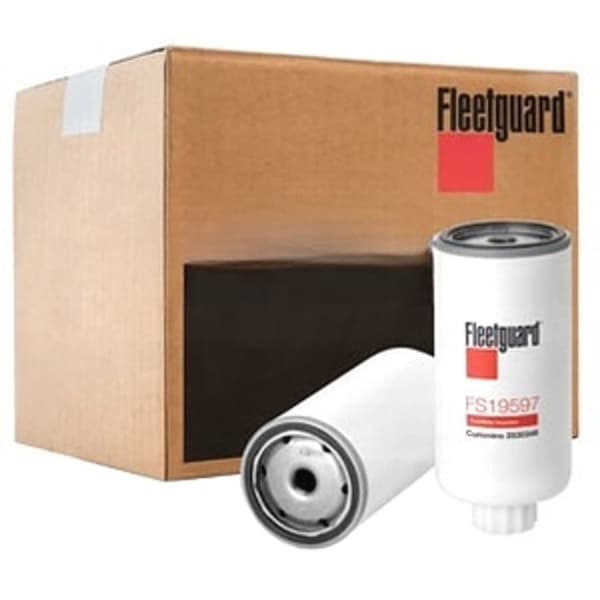
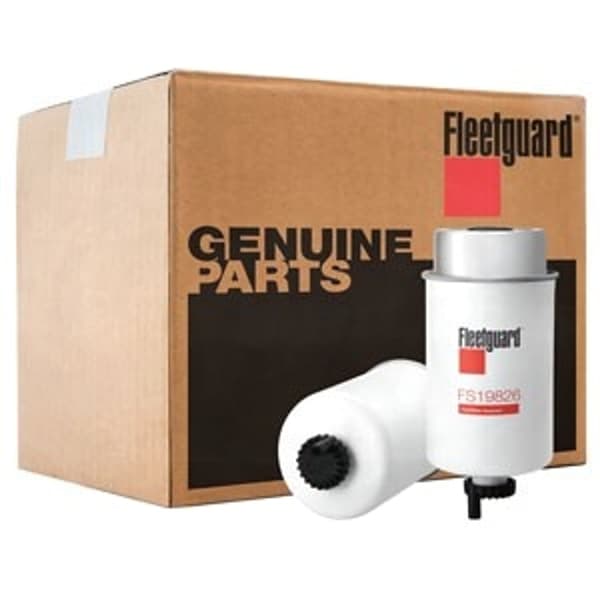
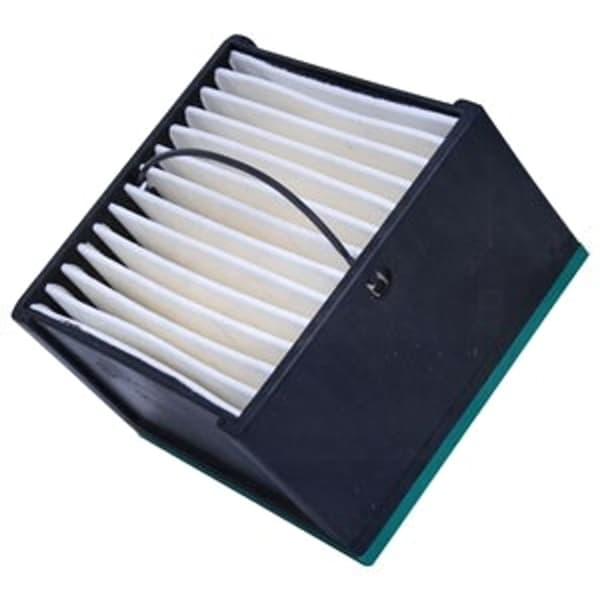
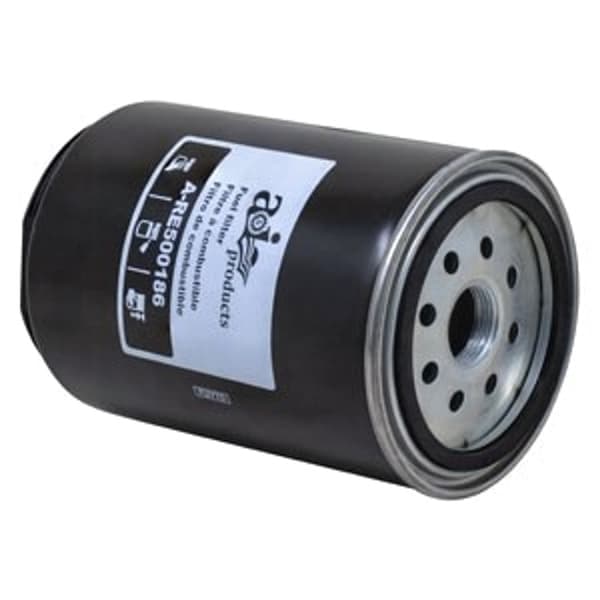
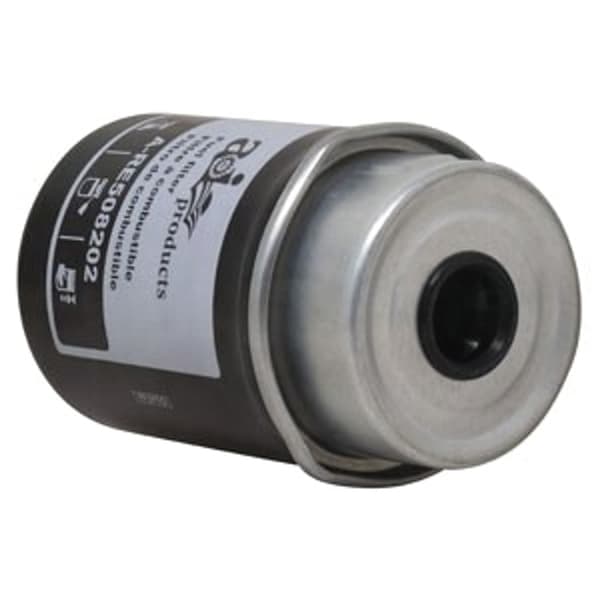
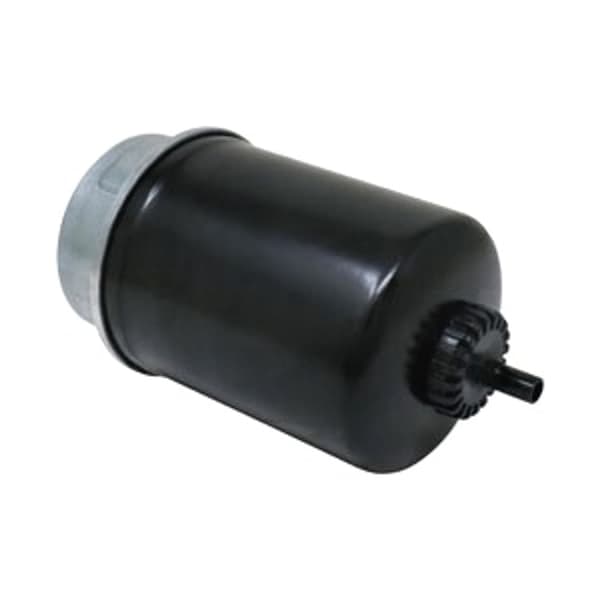
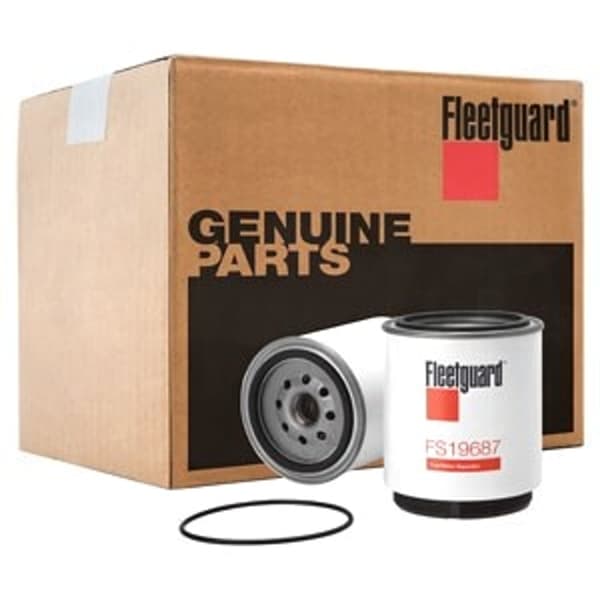
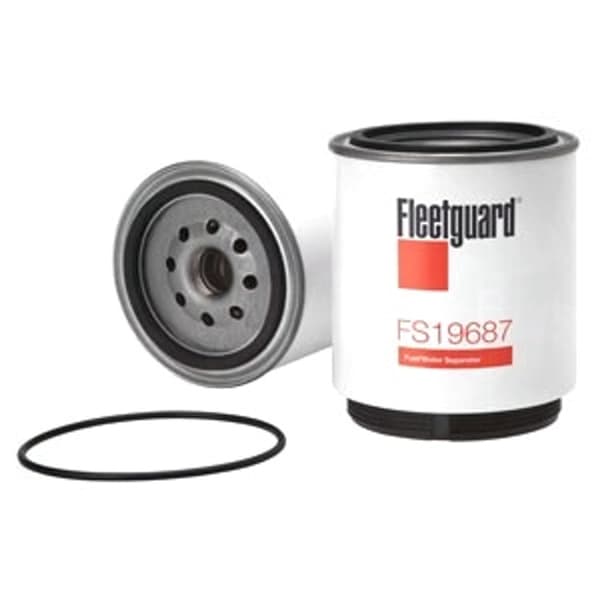
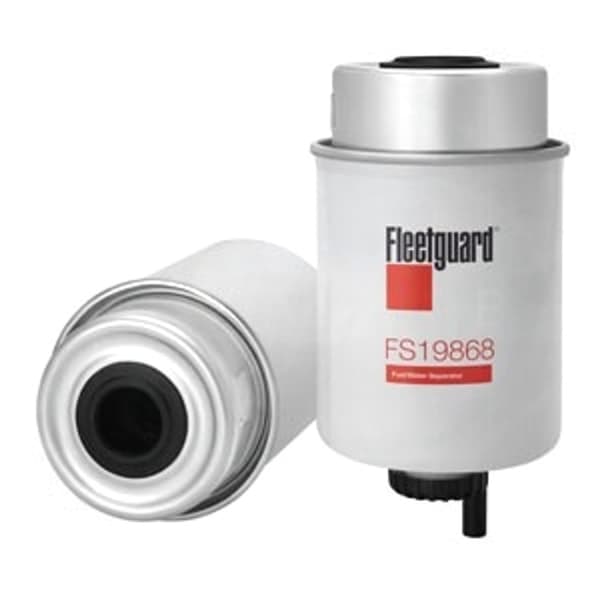
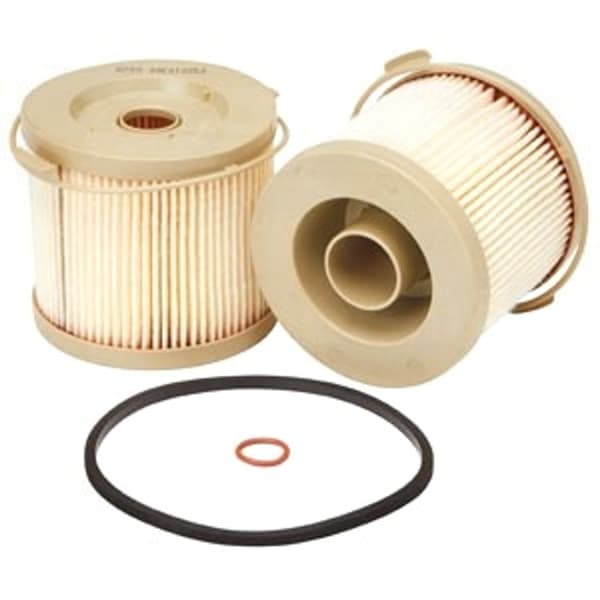
🔍 Looking for a specific part? Try our AI Part Finder — tell it your equipment and what you need, and it will find matching parts instantly.
Why You Need a Diesel Fuel Water Separator
Water contamination in diesel fuel can lead to
- Fuel Injector Damage Water causes rust and corrosion within the injectors, leading to poor fuel atomization, reduced power eventual injector failure. See our guide to Tractor Diesel Injector: Nozzle Testing & Replacement for more information on diagnosing injector issues.
- Fuel Pump Damage Similar to injectors, water can corrode and damage the sensitive components of your tractor fuel pump. This can lead to reduced fuel pressure, erratic engine performance pump failure.
- Corrosion Water promotes rust and corrosion throughout the fuel system, including fuel lines, tanks other components.
- Reduced Lubricity Water washes away the lubricating properties of diesel fuel, leading to increased wear and tear on fuel system components.
- Bacterial Growth Water creates an environment conducive to bacterial and fungal growth, which can form sludge and clog fuel filters and injectors.
Think of a diesel fuel water separator as a specialized fuel filter designed to remove water *before* it reaches your engine's critical components. It's a relatively inexpensive part that can save you thousands of dollars in repairs.
How a Diesel Fuel Water Separator Works
diesel fuel water separators typically employ a multi-stage process to remove water
- Separation The separator is designed to slow the fuel flow and create a swirling action. This allows heavier water droplets to settle to the bottom of the separator bowl due to gravity.
- Coalescing A coalescing filter element encourages small water droplets to combine into larger, easier-to-separate droplets.
- Filtration A final filter element removes any remaining water and particulate matter from the fuel.
Many separators also include a clear bowl at the bottom, allowing you to visually inspect for water accumulation. Some advanced systems feature a water-in-fuel (WIF) sensor that alerts you when water needs to be drained.
Racor and Baldwin: Leading Brands We Trust
At Madison Tractor Company, we carry a wide selection of high-quality diesel fuel water separators from leading brands like Racor and Baldwin. These brands are known for their durability, reliability superior performance.
- Racor Racor is a global leader in filtration and separation technologies. Their diesel fuel water separators are designed to meet the demanding requirements of modern diesel engines. Racor offers a wide range of separators, from compact units for smaller tractors to high-capacity systems for larger agricultural equipment.
- Baldwin Filters Baldwin is a trusted name in filtration, offering a comprehensive line of filters, including diesel fuel water separators. Baldwin separators are known for their robust construction and efficient water removal capabilities.
Choosing the Right Separator for Your Tractor
Selecting the correct diesel fuel water separator for your tractor involves considering several factors
- Flow Rate Match the separator's flow rate (measured in gallons per hour or liters per hour) to your tractor's fuel consumption. A separator with too low a flow rate will restrict fuel delivery and reduce engine performance.
- Micron Rating The micron rating indicates the size of particles the filter can remove. A lower micron rating means finer filtration. Consult your tractor's owner's manual or a qualified mechanic for the recommended micron rating.
- Bowl Capacity Consider the capacity of the water collection bowl. A larger bowl requires less frequent draining.
- Water-in-Fuel (WIF) Sensor A WIF sensor is a valuable addition, providing an early warning of water contamination.
- Physical Size and Mounting Ensure the separator will physically fit in the available space and can be securely mounted.
- OEM Compatibility We can help you find a Racor or Baldwin separator that's a direct replacement or suitable upgrade for your original equipment separator.
Here are some examples of how to find the right separator
- John Deere For a John Deere 4020 tractor (1964-1972), a Racor 500FG or Baldwin might be suitable, depending on the specific fuel system configuration. Always verify compatibility using your tractor's serial number and the separator's specifications. Look for cross-references to John Deere OEM part numbers like AR50041.
- Ford/New Holland For a Ford 8N tractor, while typically gasoline-powered, if converted to diesel (rare but possible), a smaller separator like a Racor 120A might be appropriate. For newer Ford/New Holland tractors, like a 5610, a Baldwin or Racor R12T would be worth exploring. You might also need to consider the Ford Tractor Fuel Pump requirements when adding a separator.
- Case IH/International Harvester For a Case IH Farmall 806, consider a Baldwin BF825 or a Racor 500FG. Cross-reference with Case IH OEM part numbers like 3135488R91 for accurate selection. If you are dealing with older models, check our selection of Farmall Carburetors to ensure compatibility.
- Massey Ferguson For a Massey Ferguson 135, options such as the Baldwin BF841 or Racor R12T are frequently used. When servicing your fuel system, consider our wide selection of Massey Ferguson Carburetors for optimal engine performance.
Remember to always consult your tractor's owner's manual or a qualified mechanic for specific recommendations.
Installation and Maintenance
Safety First! Always disconnect the battery and allow the engine to cool completely before working on the fuel system. Work in a well-ventilated area and avoid open flames.
Installation Steps
- Locate a suitable mounting location Choose a spot that is accessible for maintenance and allows for proper fuel flow.
- Install fittings Use appropriate fittings and sealant to connect the fuel lines to the separator. Ensure a tight, leak-free connection.
- Prime the system After installation, prime the fuel system to remove any air and ensure fuel flow.
Maintenance Tips
- Drain the water Regularly drain the water from the separator bowl. The frequency depends on the operating conditions and the quality of the fuel. Check the bowl daily, especially after refueling or periods of high humidity.
- Replace the filter element Replace the filter element according to the manufacturer's recommendations (typically every 250-500 hours of operation). A clogged filter will restrict fuel flow and reduce engine performance.
- Inspect the system Periodically inspect the fuel lines, fittings separator for leaks or damage.
Torque Specifications Refer to the separator manufacturer's instructions for proper torque specifications for fittings and connections. Over-tightening can damage the separator or fittings, leading to leaks. Under-tightening can also cause leaks.
Troubleshooting Common Issues
- Engine Stalling or Rough Running This could be due to a clogged filter element or excessive water in the fuel. Drain the water and replace the filter element.
- Fuel Leaks Inspect the fuel lines, fittings separator for leaks. Tighten loose connections or replace damaged components.
- Water-in-Fuel (WIF) Sensor Activation Drain the water from the separator bowl immediately. If the sensor continues to activate after draining, there may be a problem with the sensor itself or a persistent source of water contamination.
If you're experiencing persistent fuel system problems, it's best to consult a qualified mechanic. It could be a sign of a larger issue with your tractor fuel system that requires professional attention.
Beyond the Separator: A Holistic Fuel System Approach
While a good tractor diesel fuel water separator is vital, consider the entire fuel system. Replace your tractor fuel filter regularly. Ensure your fuel tank is clean and free from debris. Use high-quality diesel fuel from a reputable source. Proper maintenance of your tractor's radiator and water pump also helps prevent condensation and indirectly reduces the risk of water contamination in the fuel.
Shop for Your Tractor Diesel Fuel Water Separator at Madison Tractor Company
At Madison Tractor Company, we're committed to providing you with the highest quality tractor parts and expert advice. Browse our selection of Racor and Baldwin diesel fuel water separators to find the perfect fit for your John Deere, Ford, Case IH, New Holland, Massey Ferguson, Kubota, Allis Chalmers, Deutz, International Harvester, Oliver, White, Gleaner, Vermeer, Hesston, Mahindra, Zetor, or other tractor. We also carry a wide range of other parts, including fuel pumps, carburetors, injectors, filters, gaskets more. Contact our knowledgeable team today for assistance in selecting the right parts for your tractor! You can also use our AI-Powered Part Finder to search for parts by your specific make and model.
Part of our comprehensive guide
Tractor Fuel System Guide: Carburetor, Injection & Fuel Pump Parts